- Über uns, unter uns
- 28 Feb ― 30 Mar 2025
- Ilja Zaharov
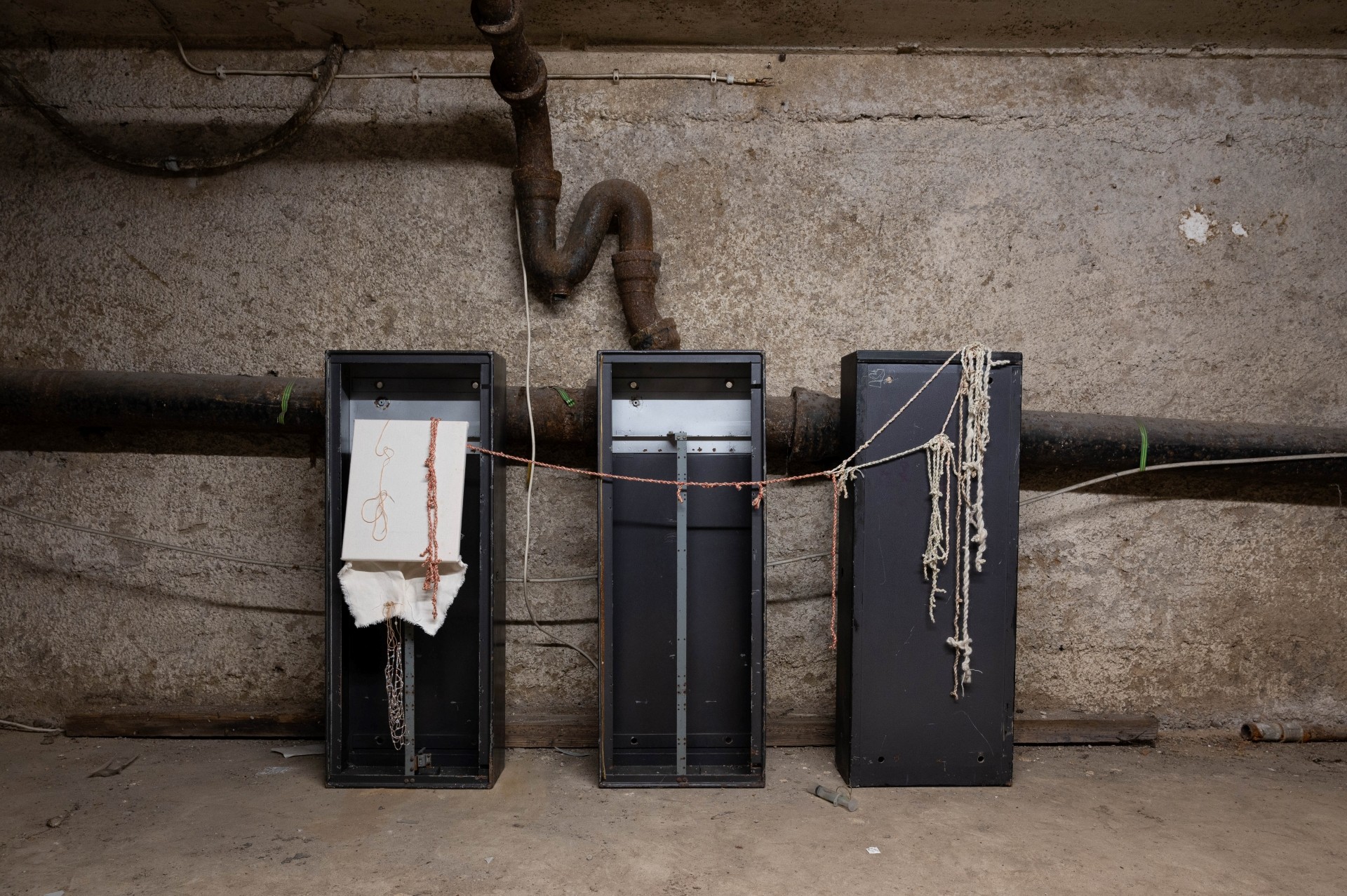
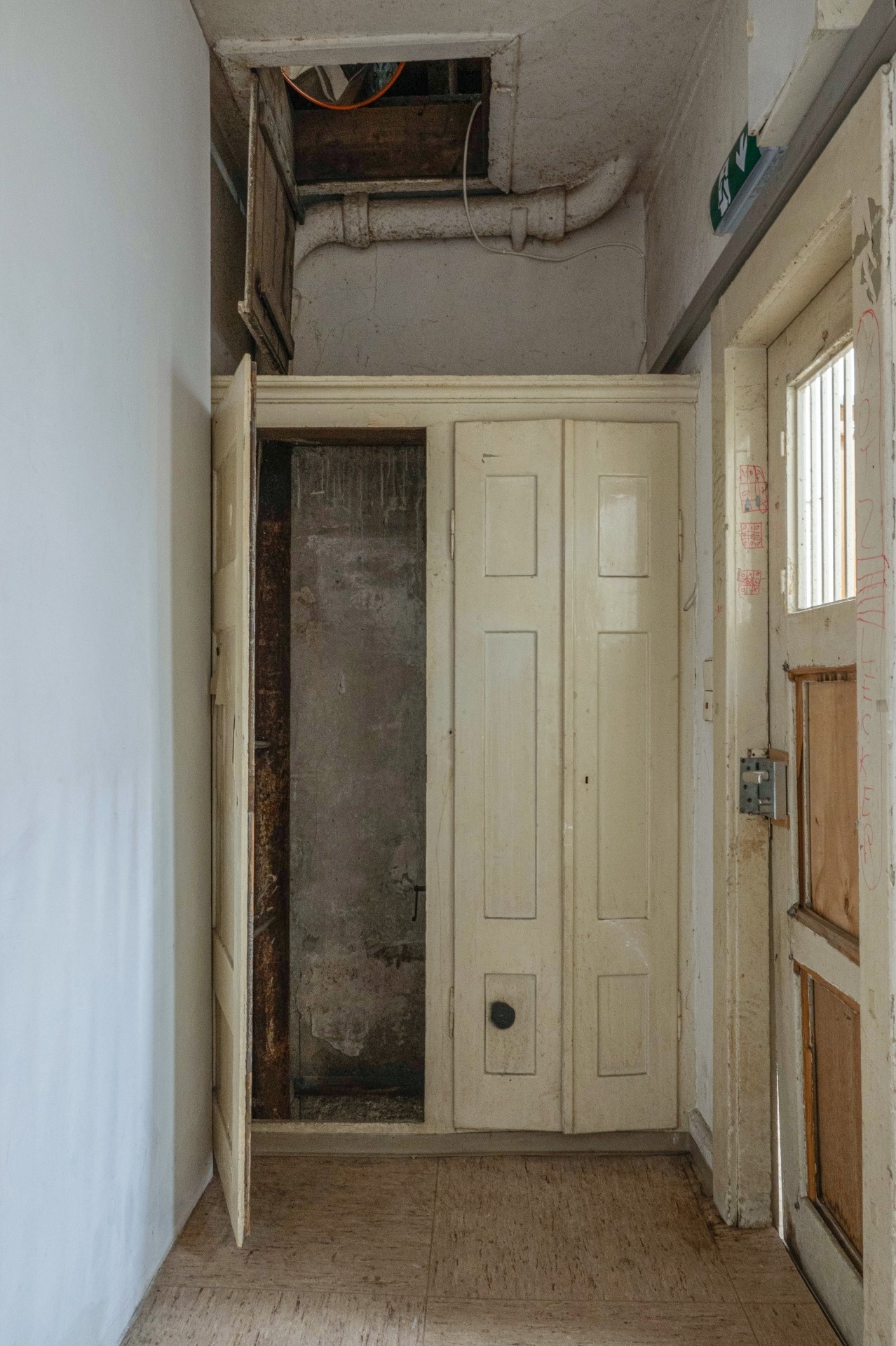
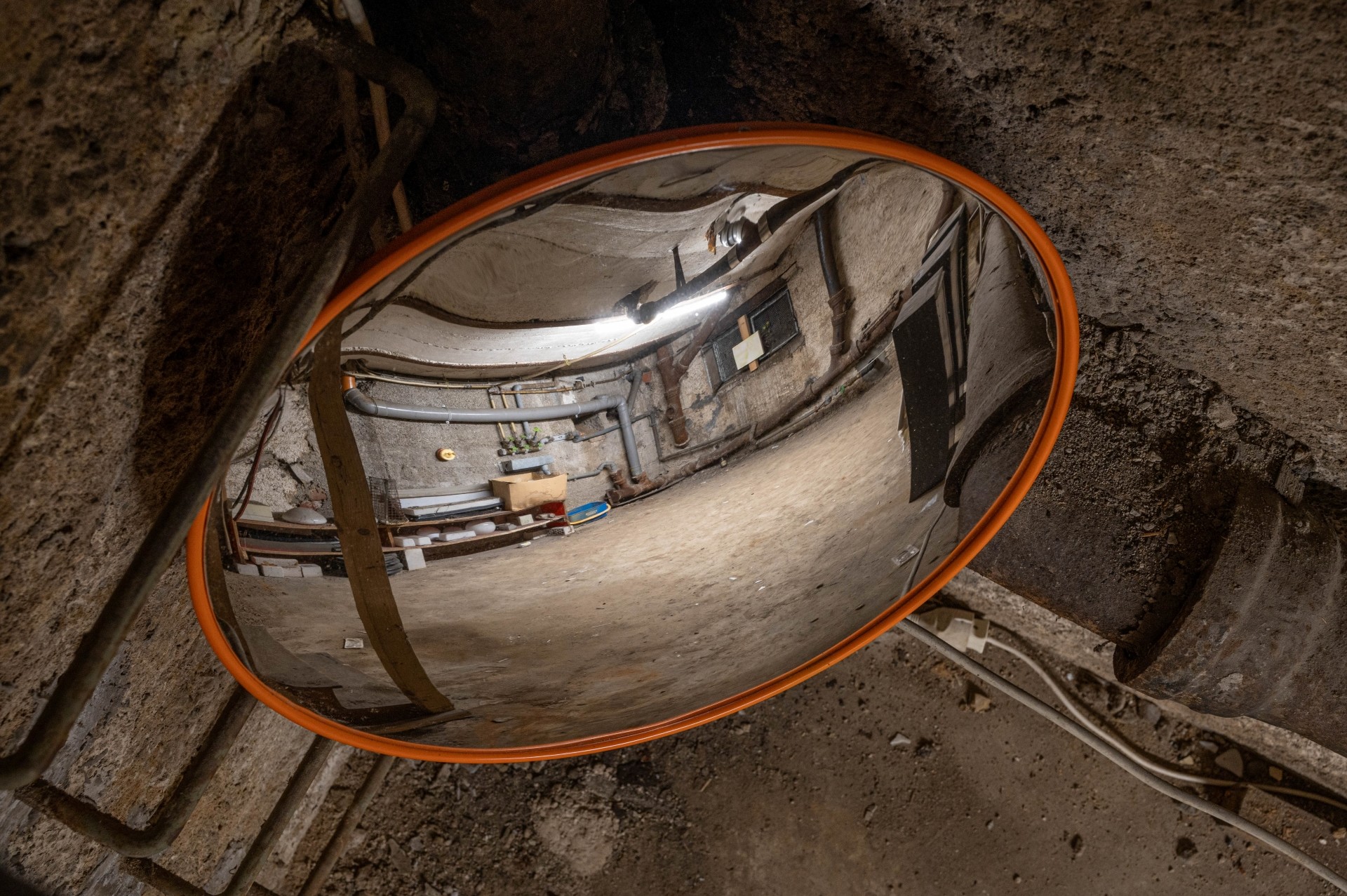
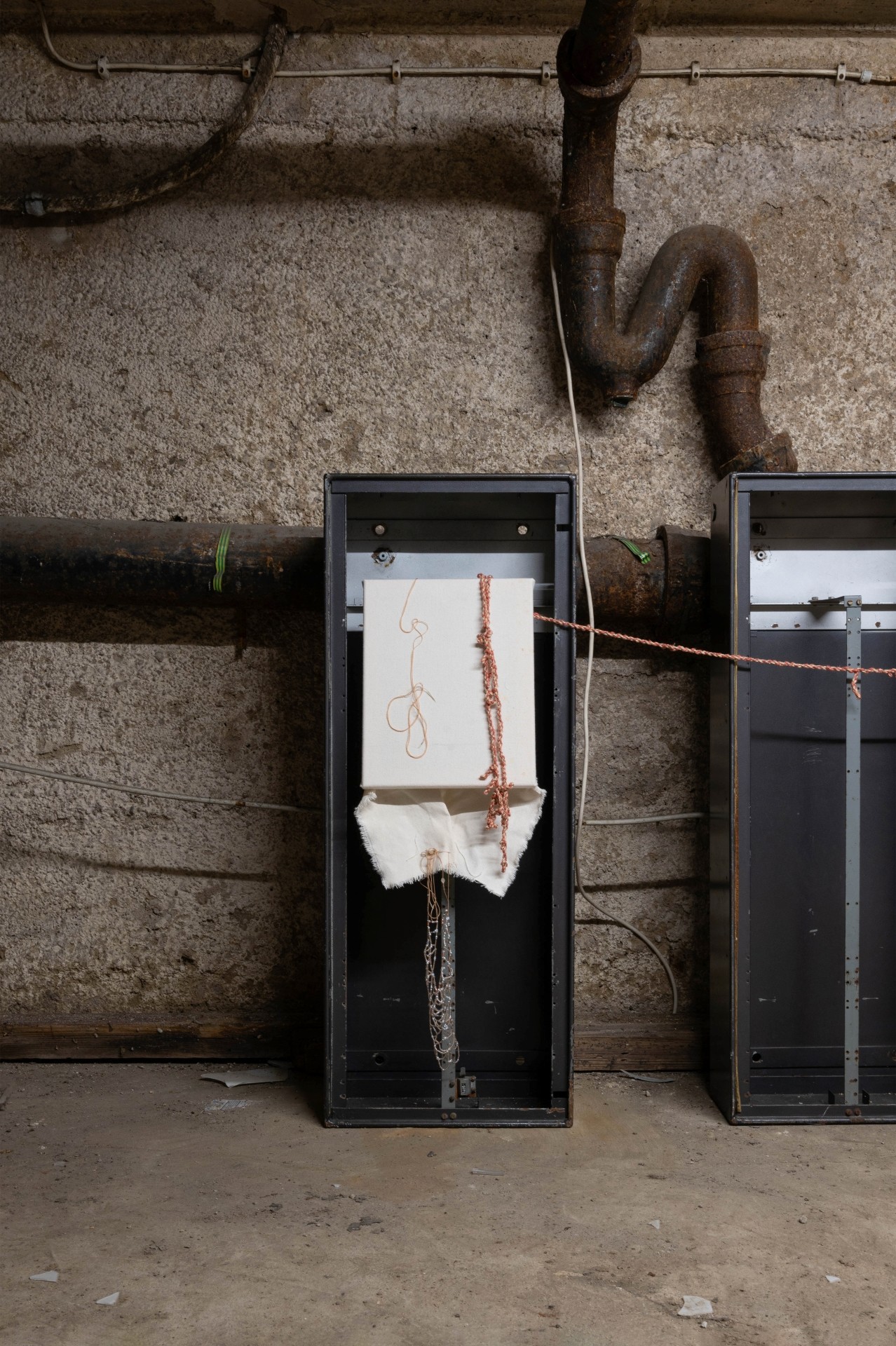
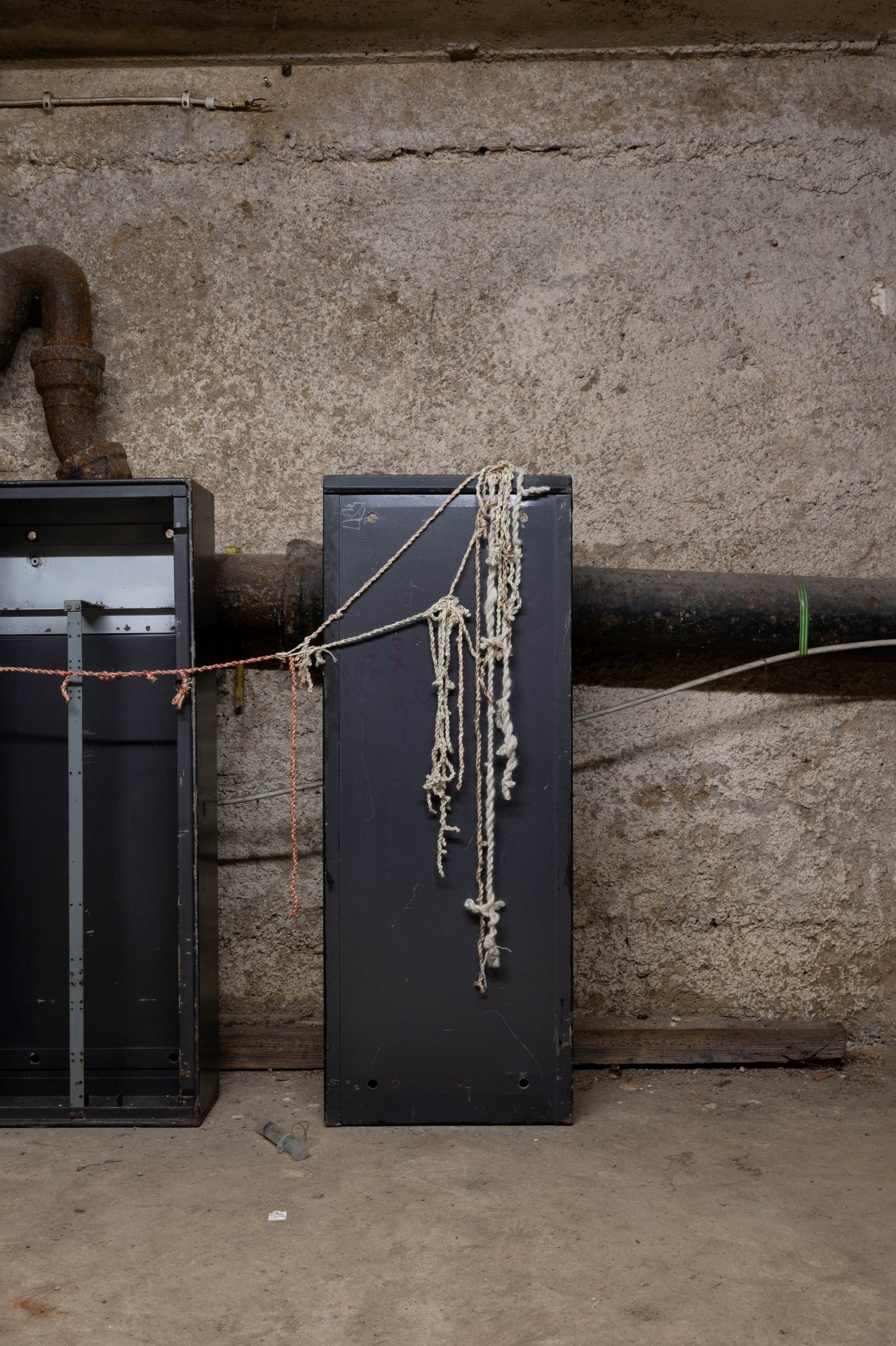
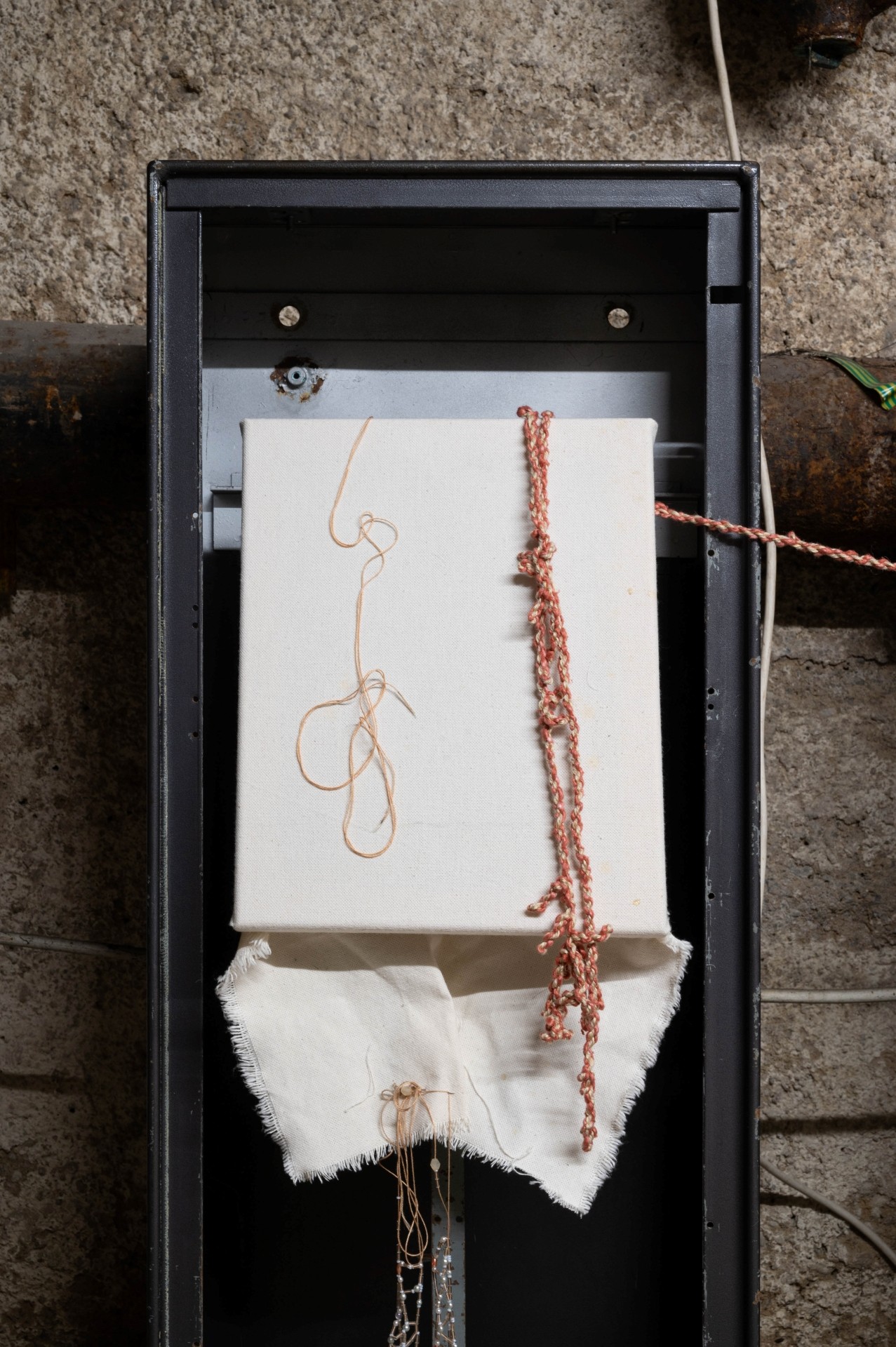
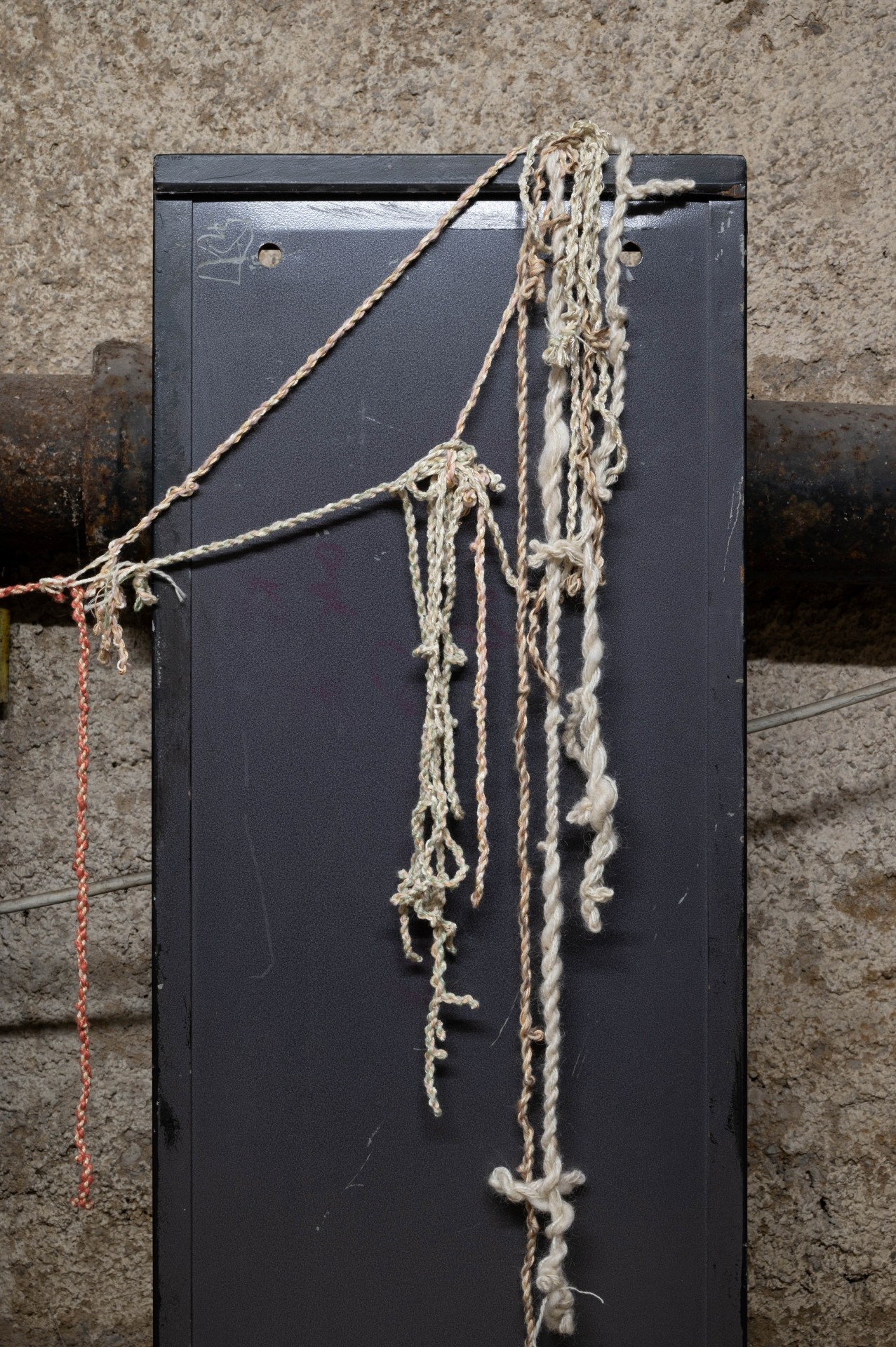
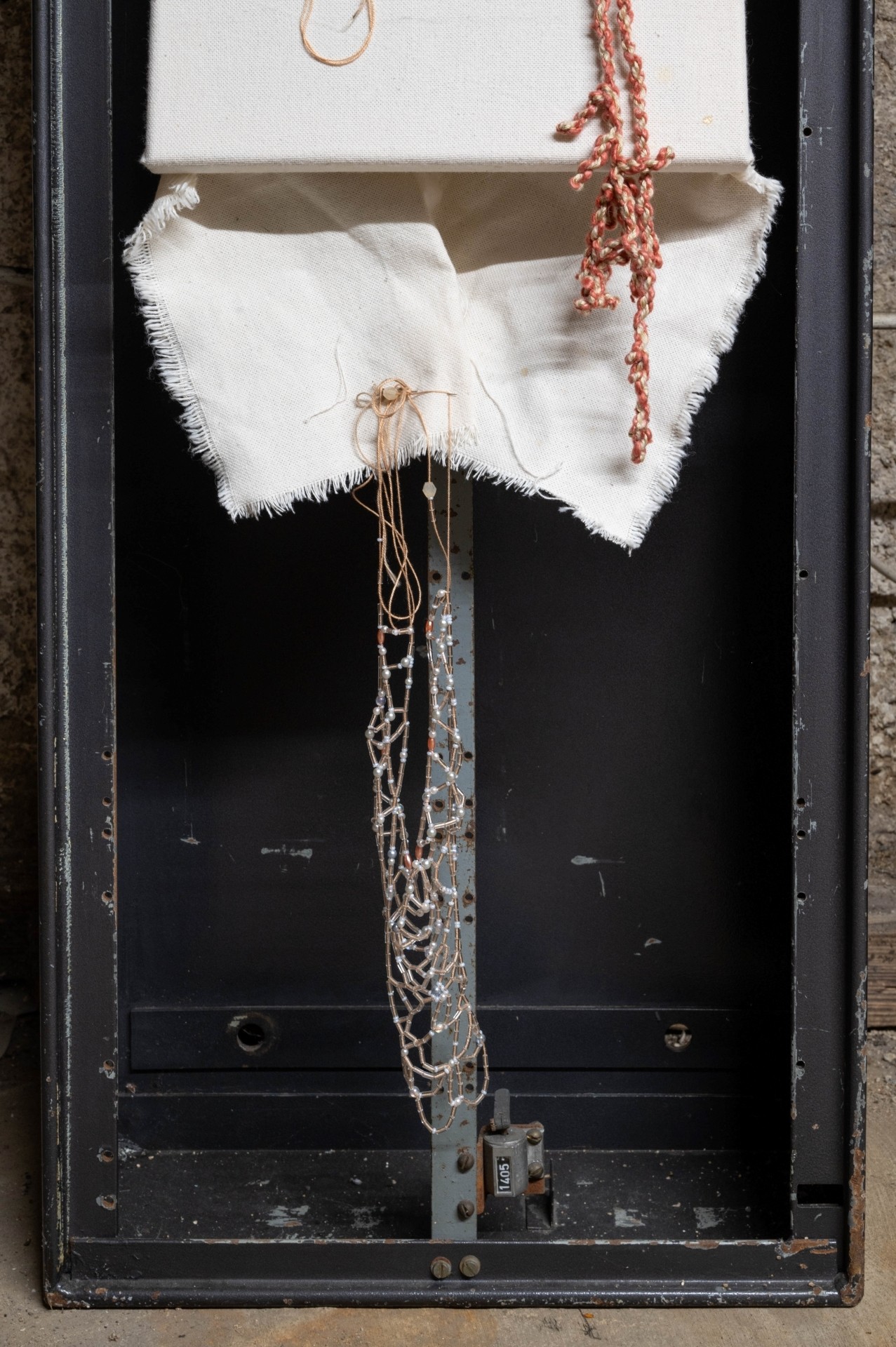
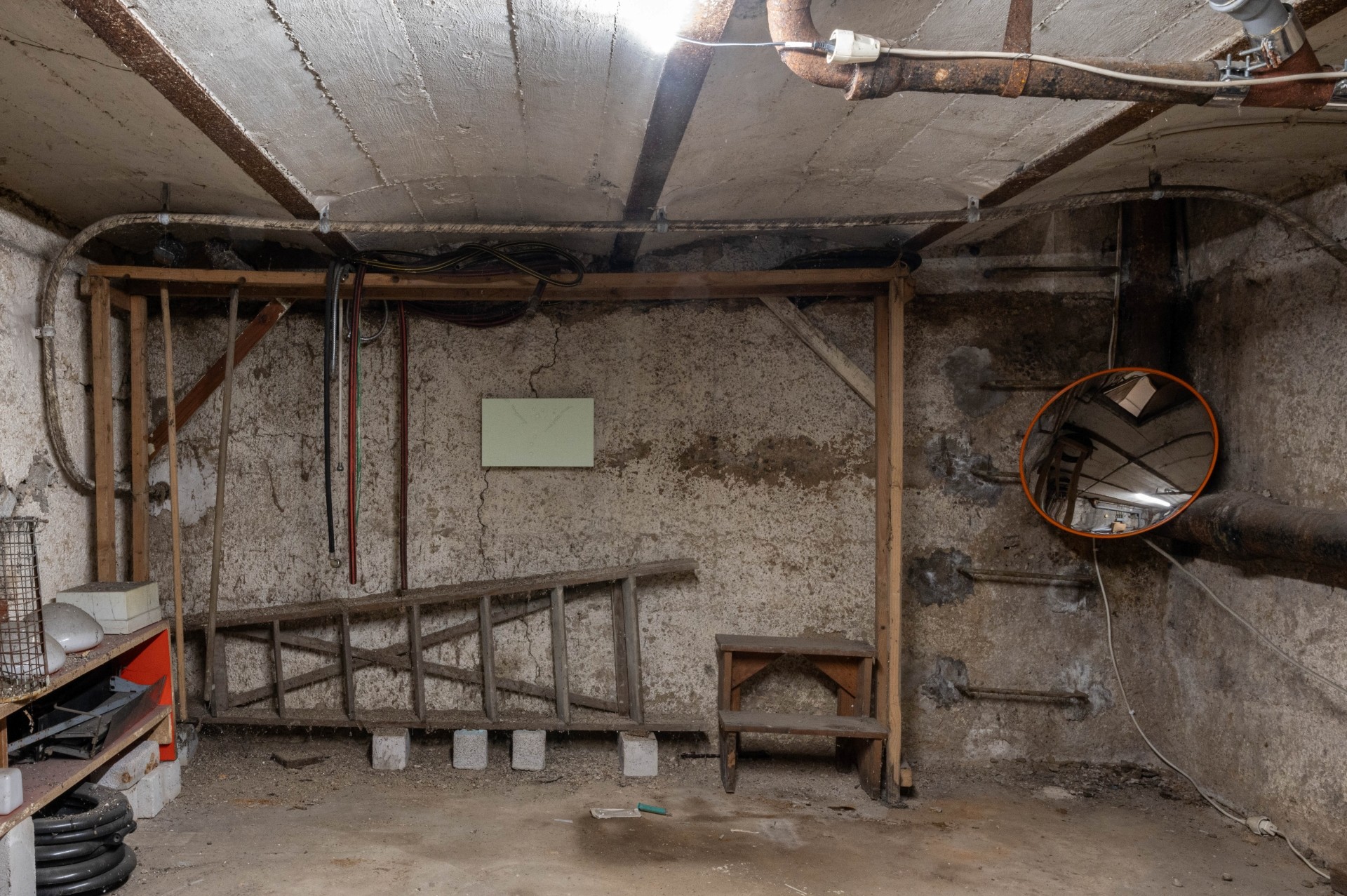
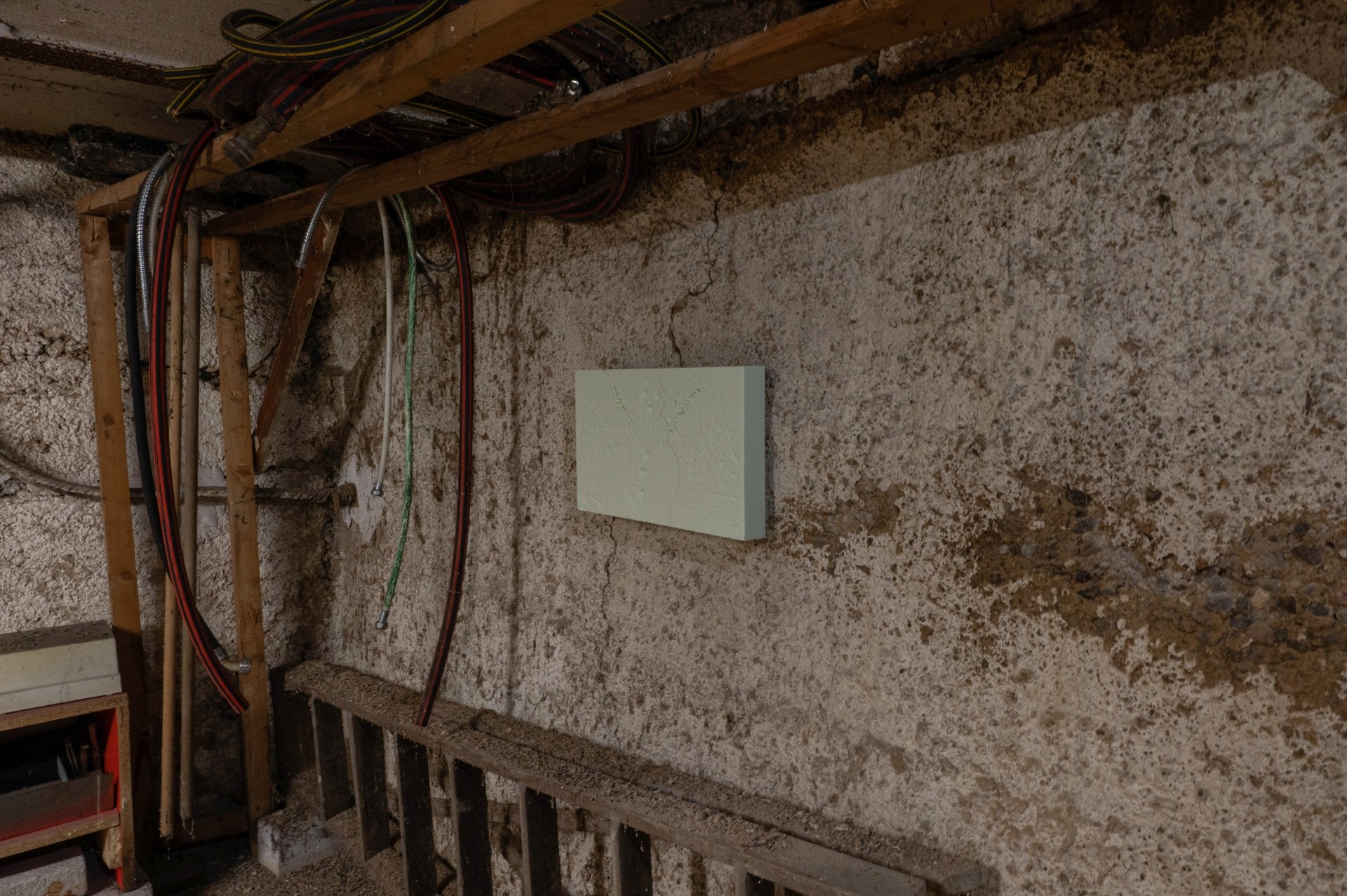
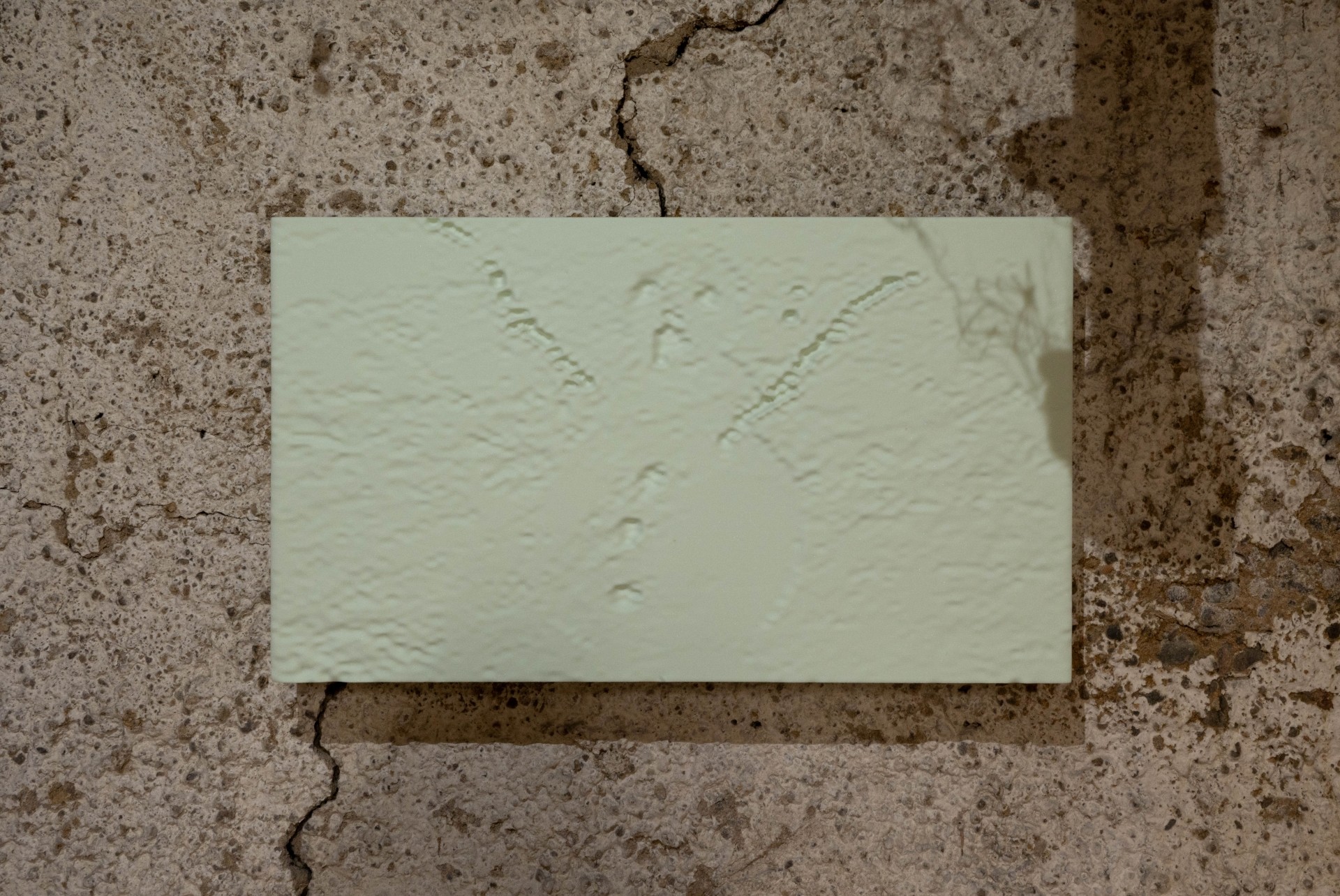
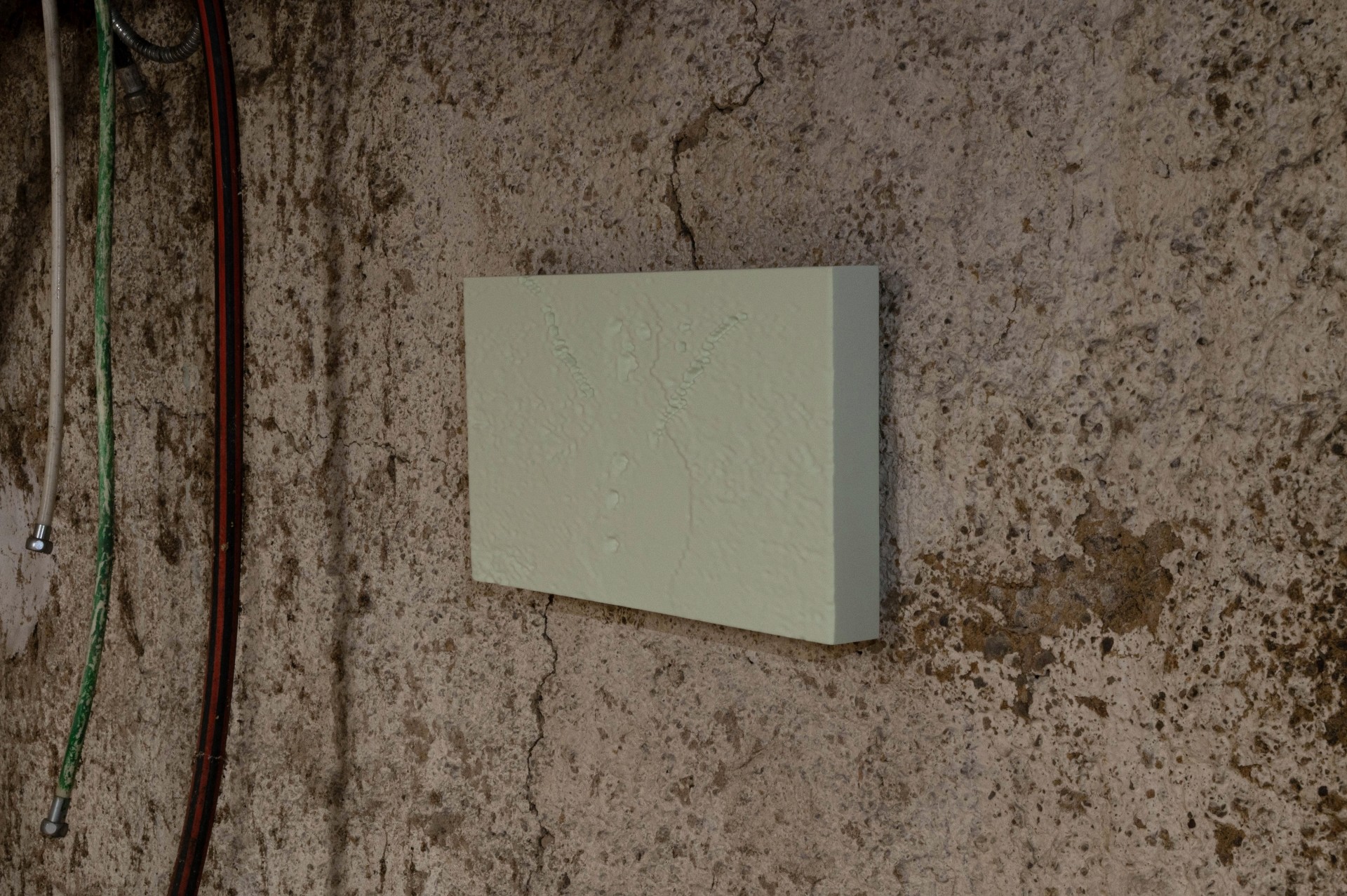
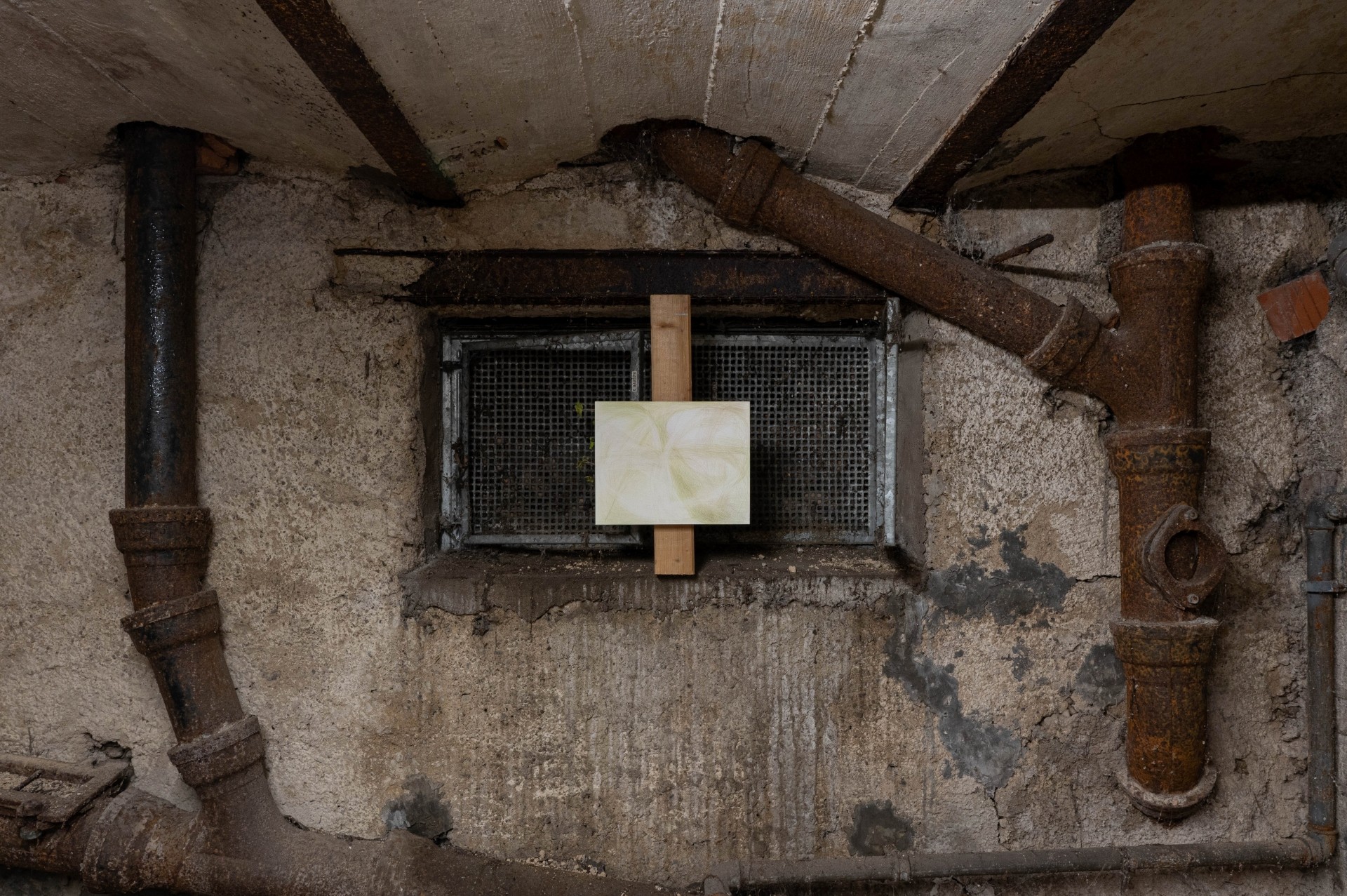
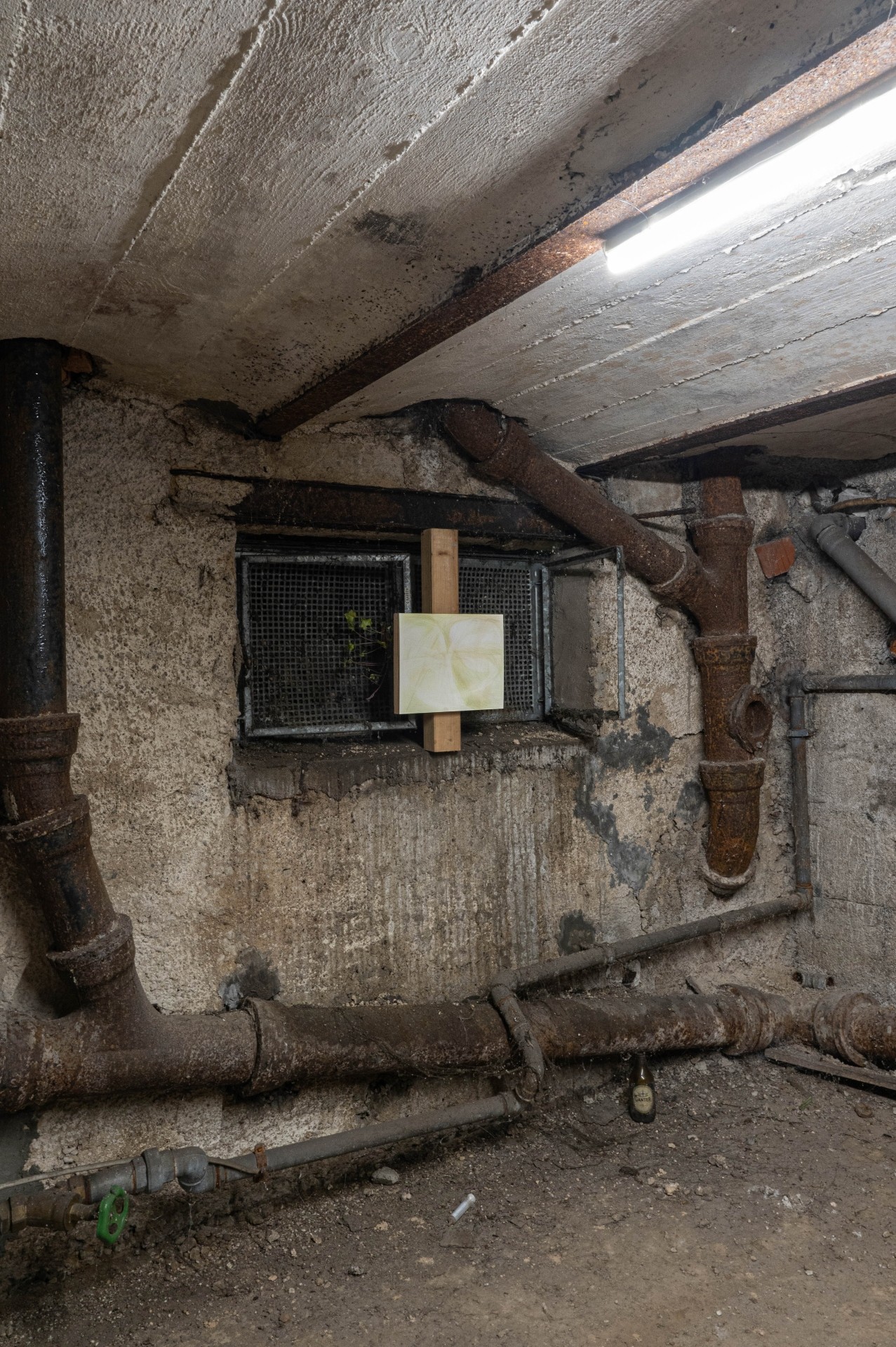
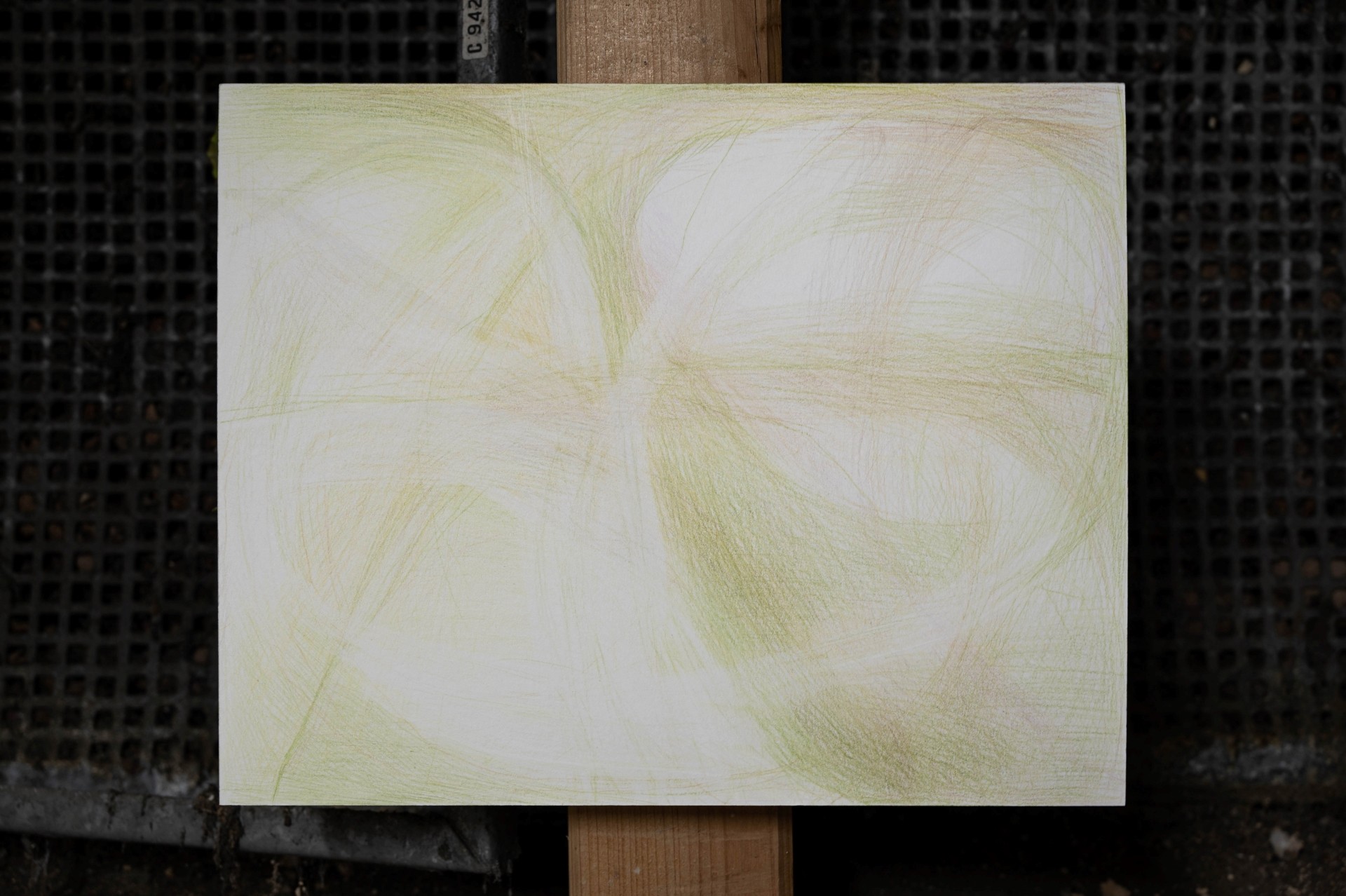
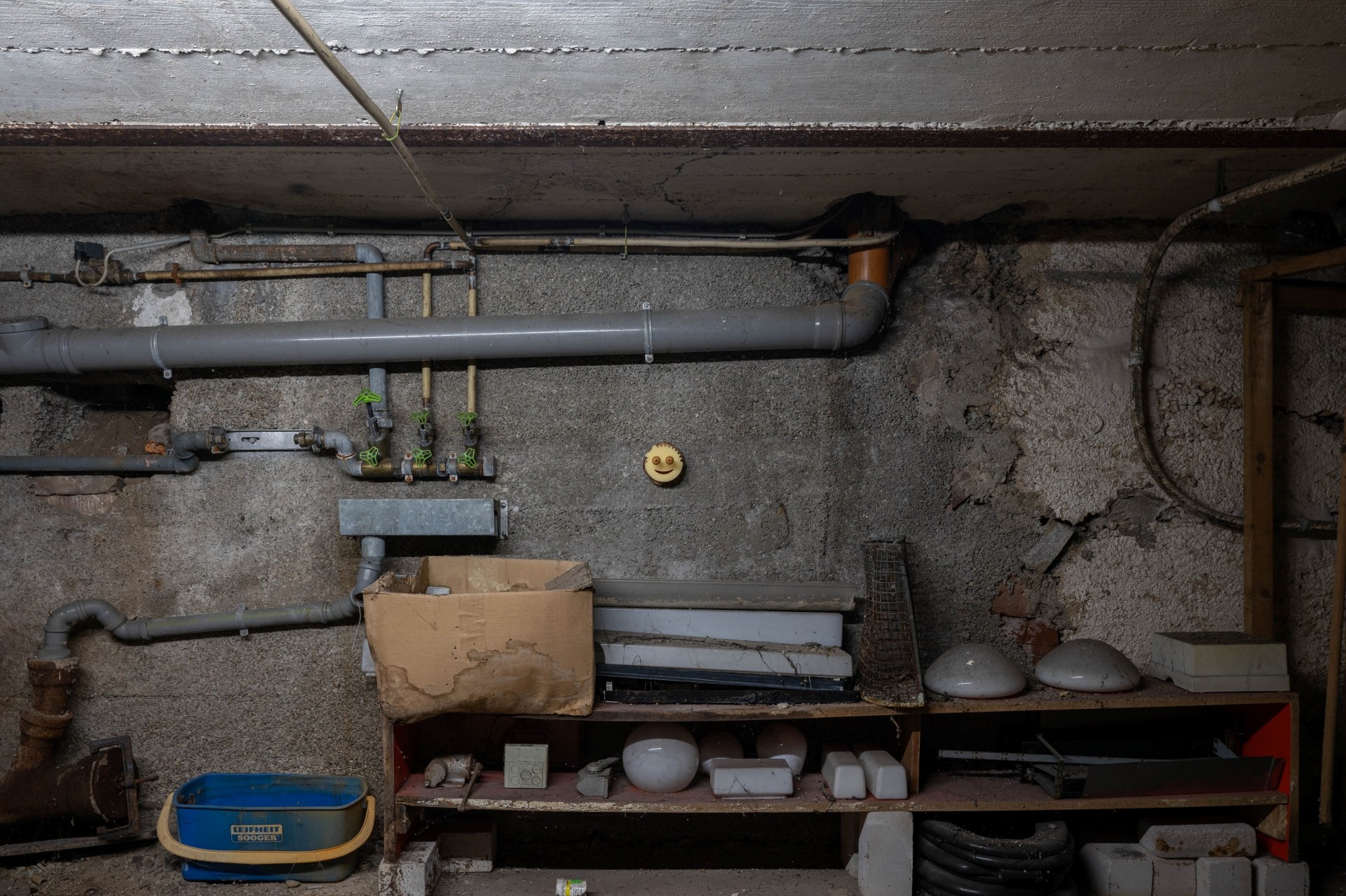
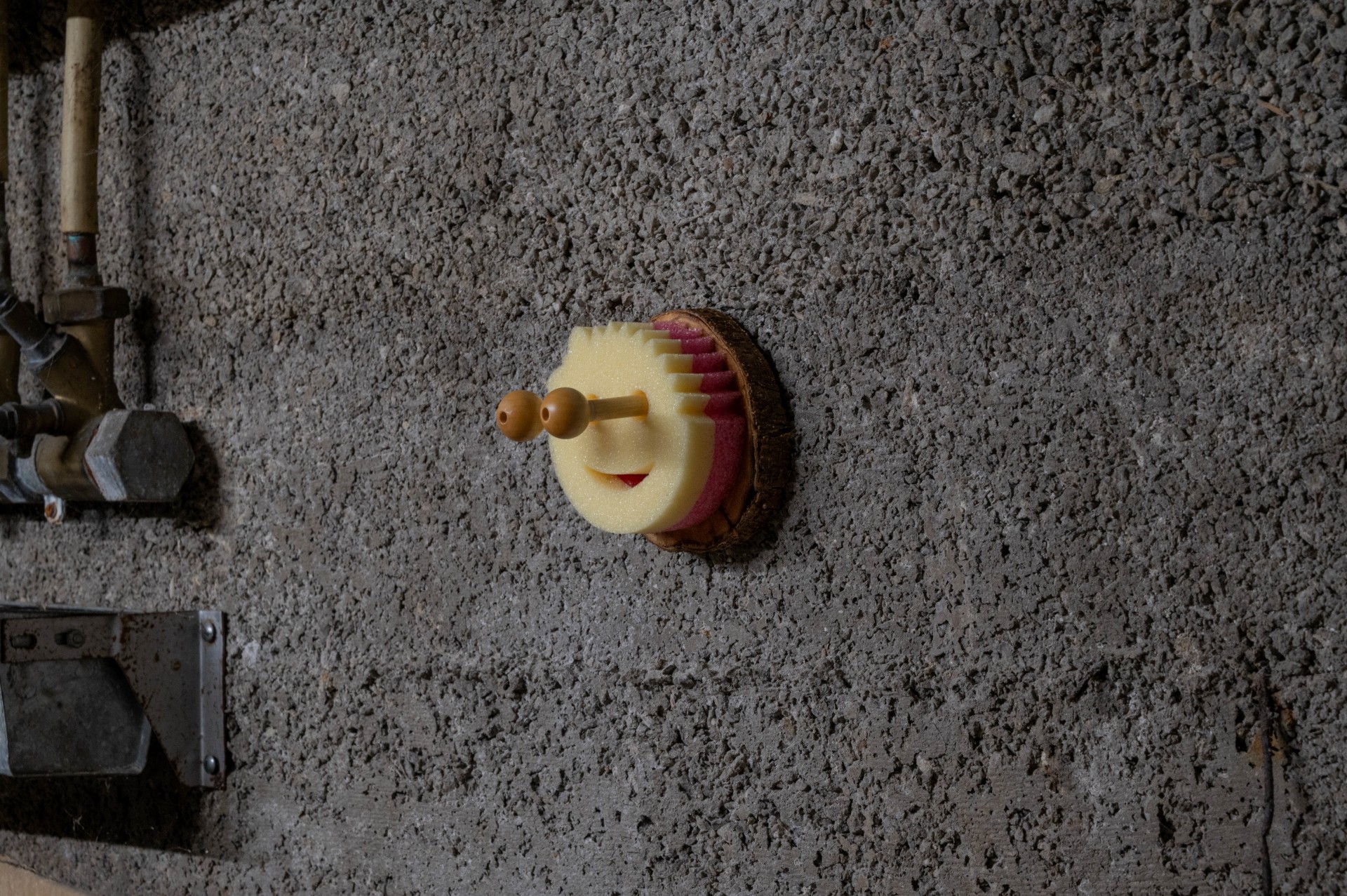
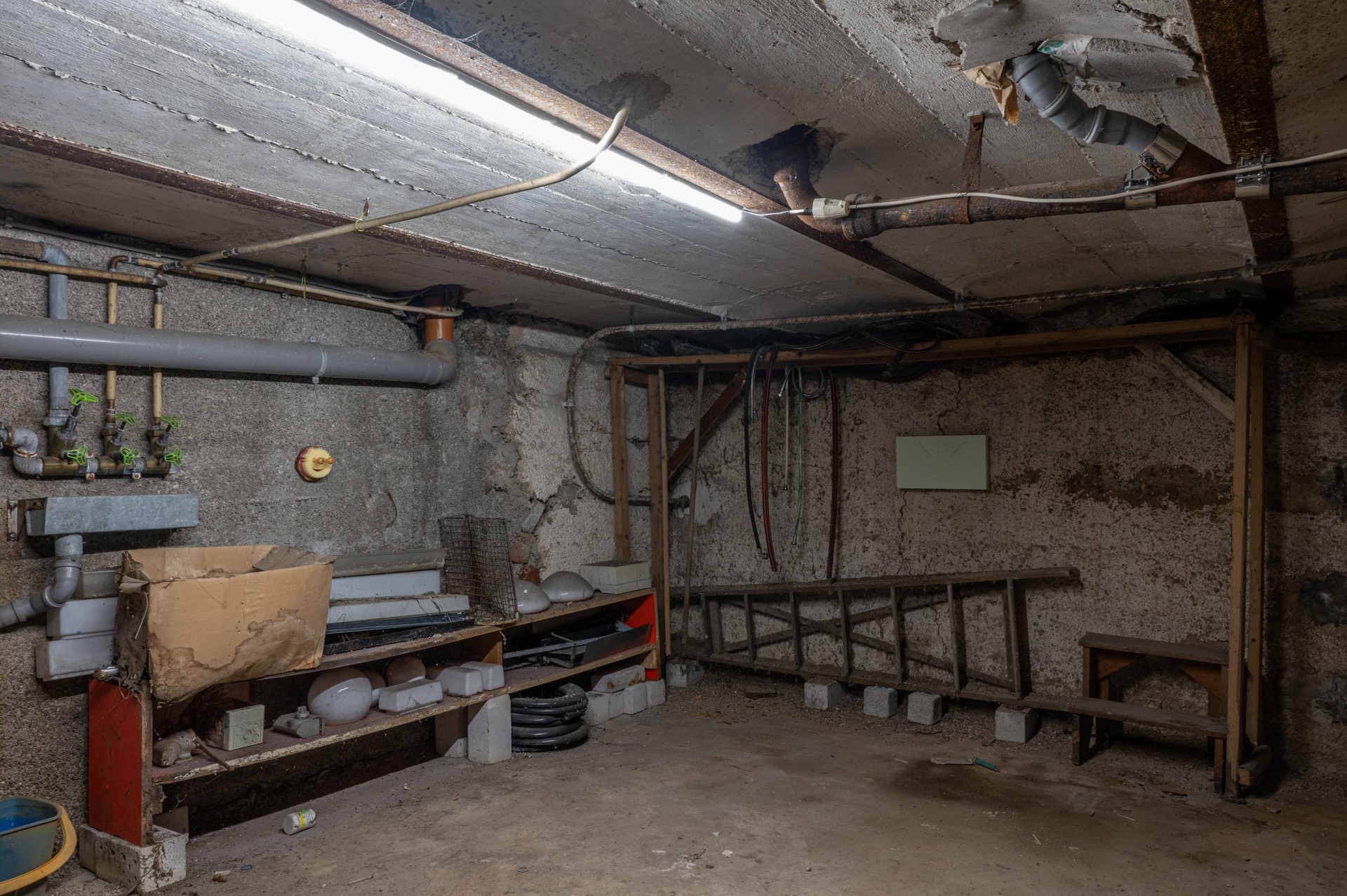
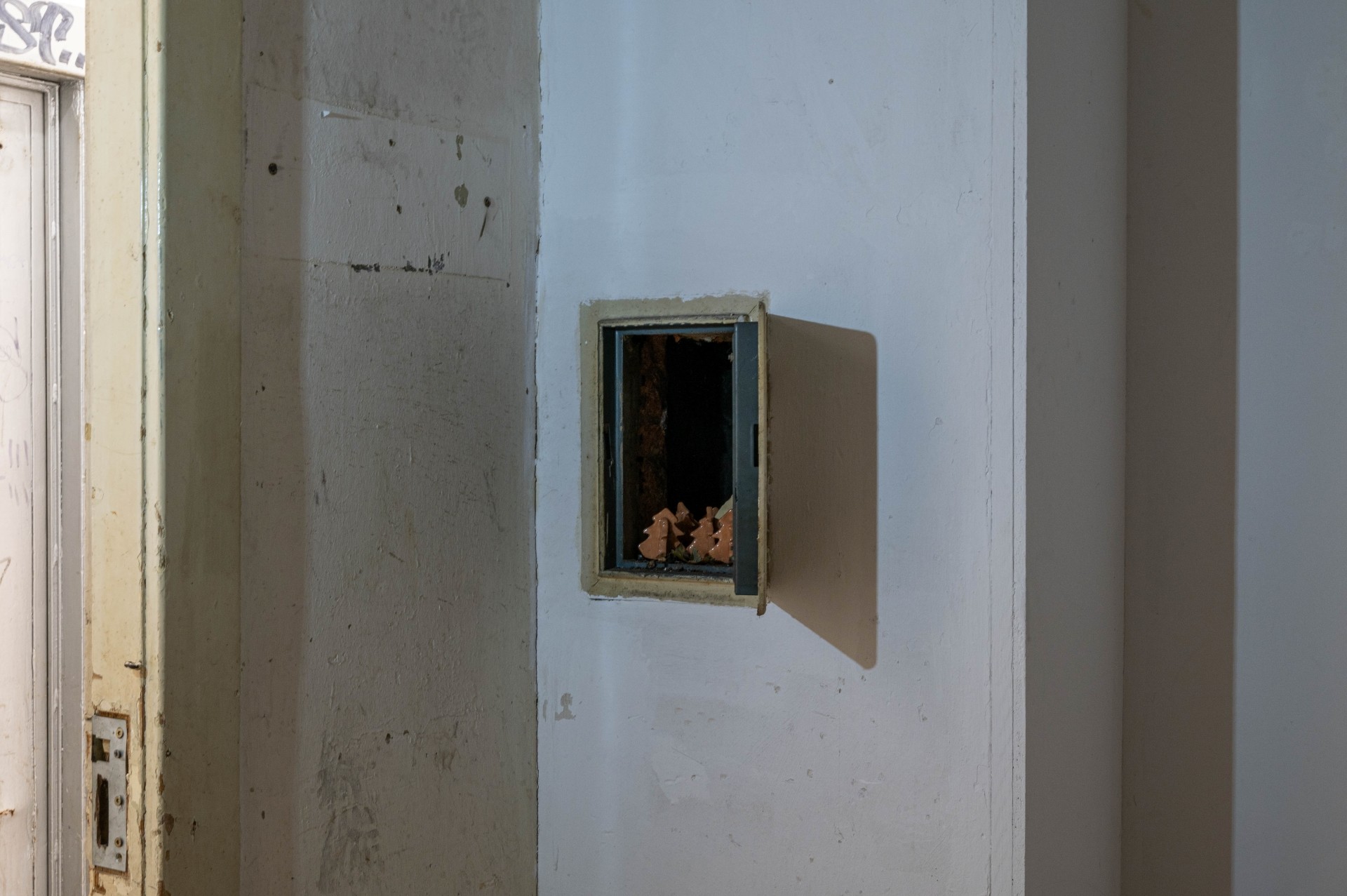
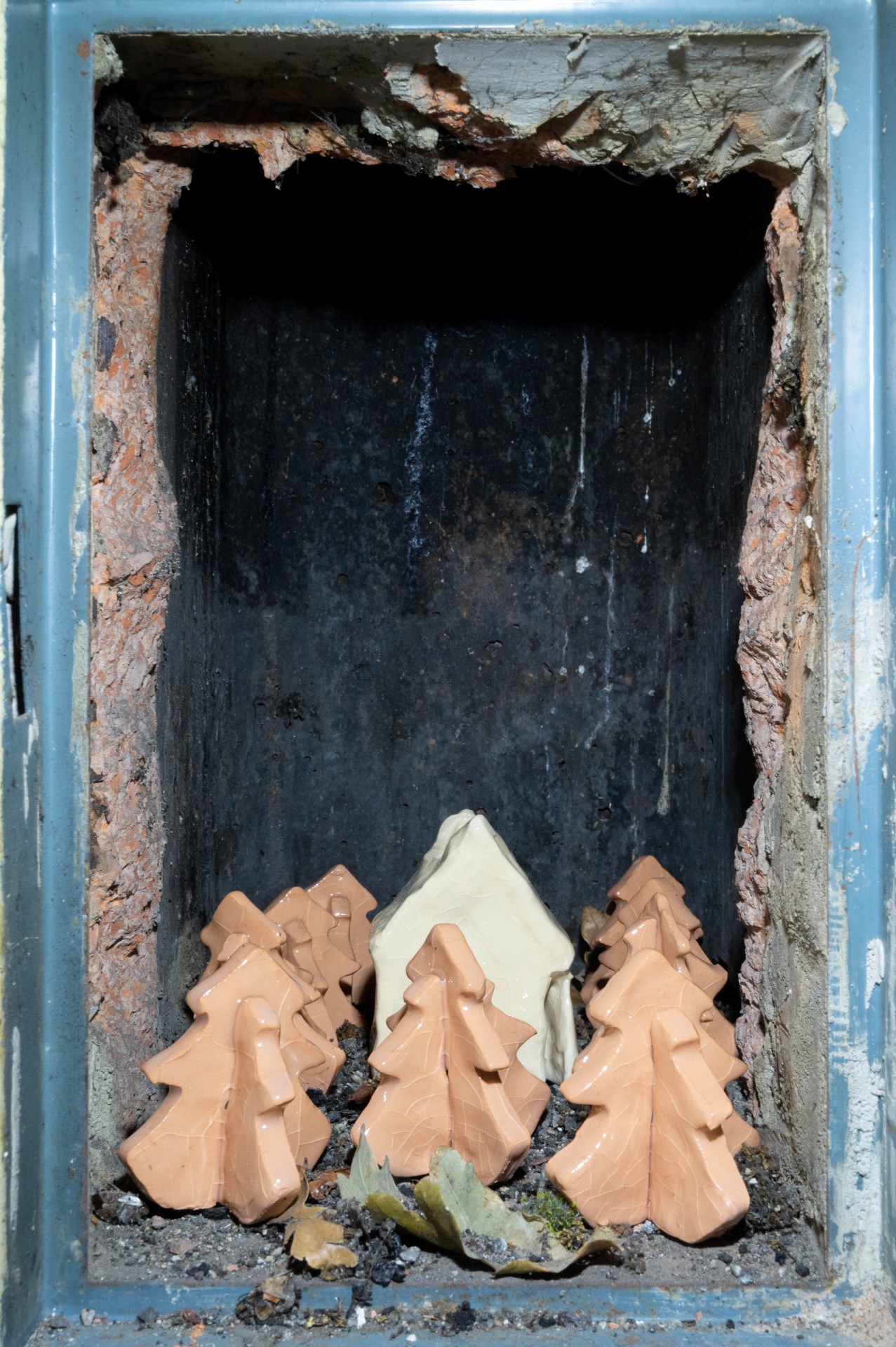
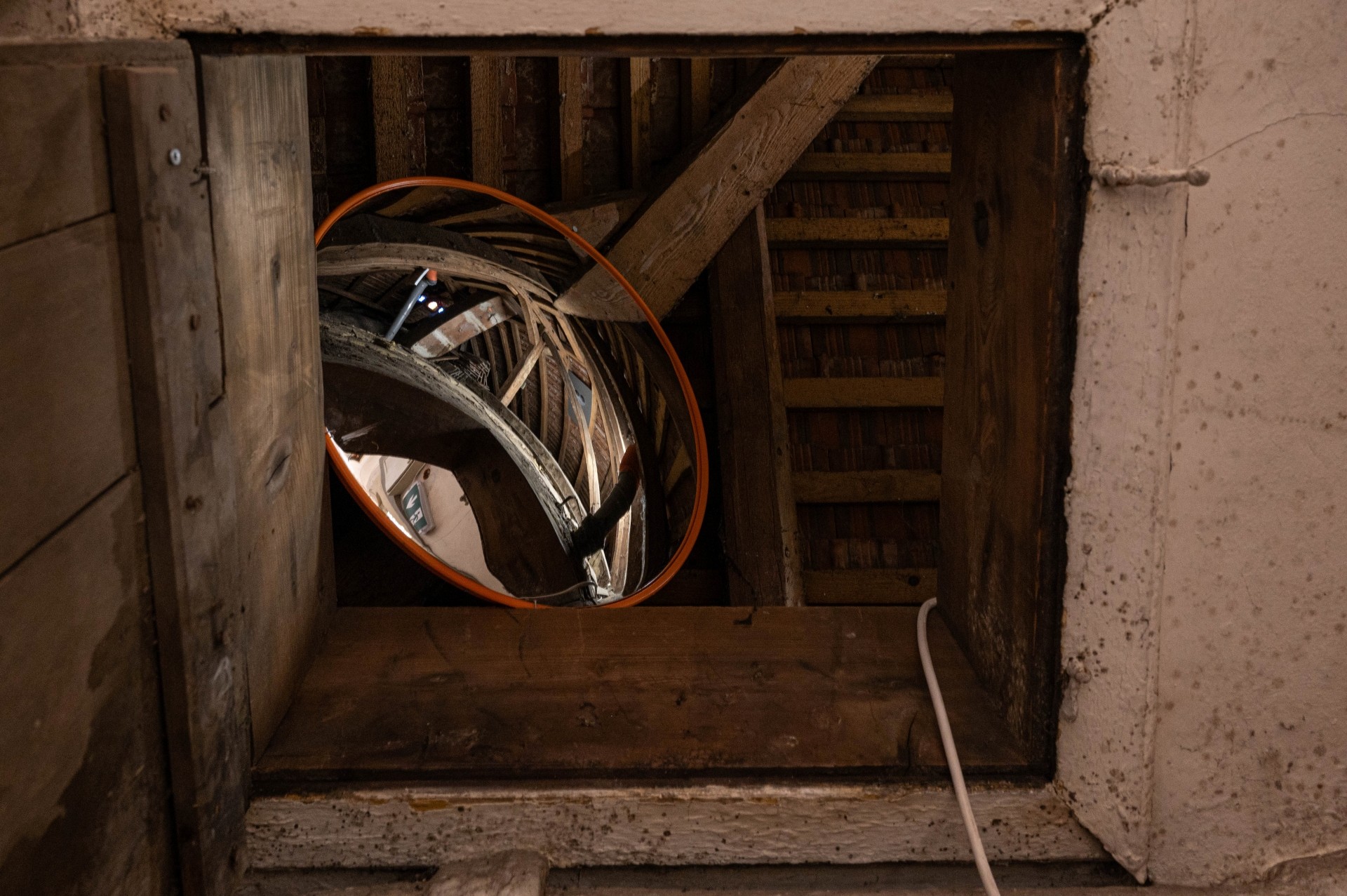
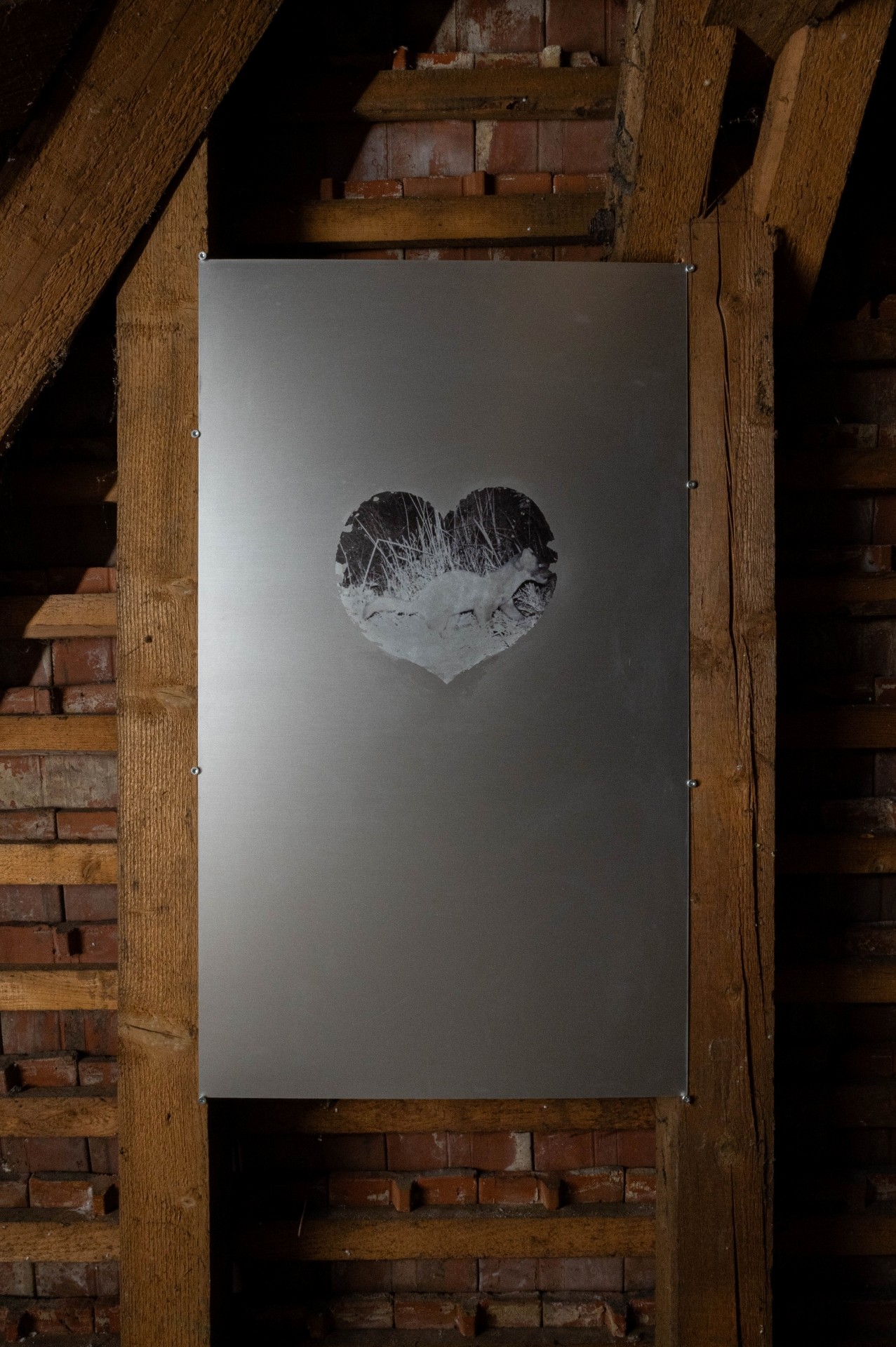
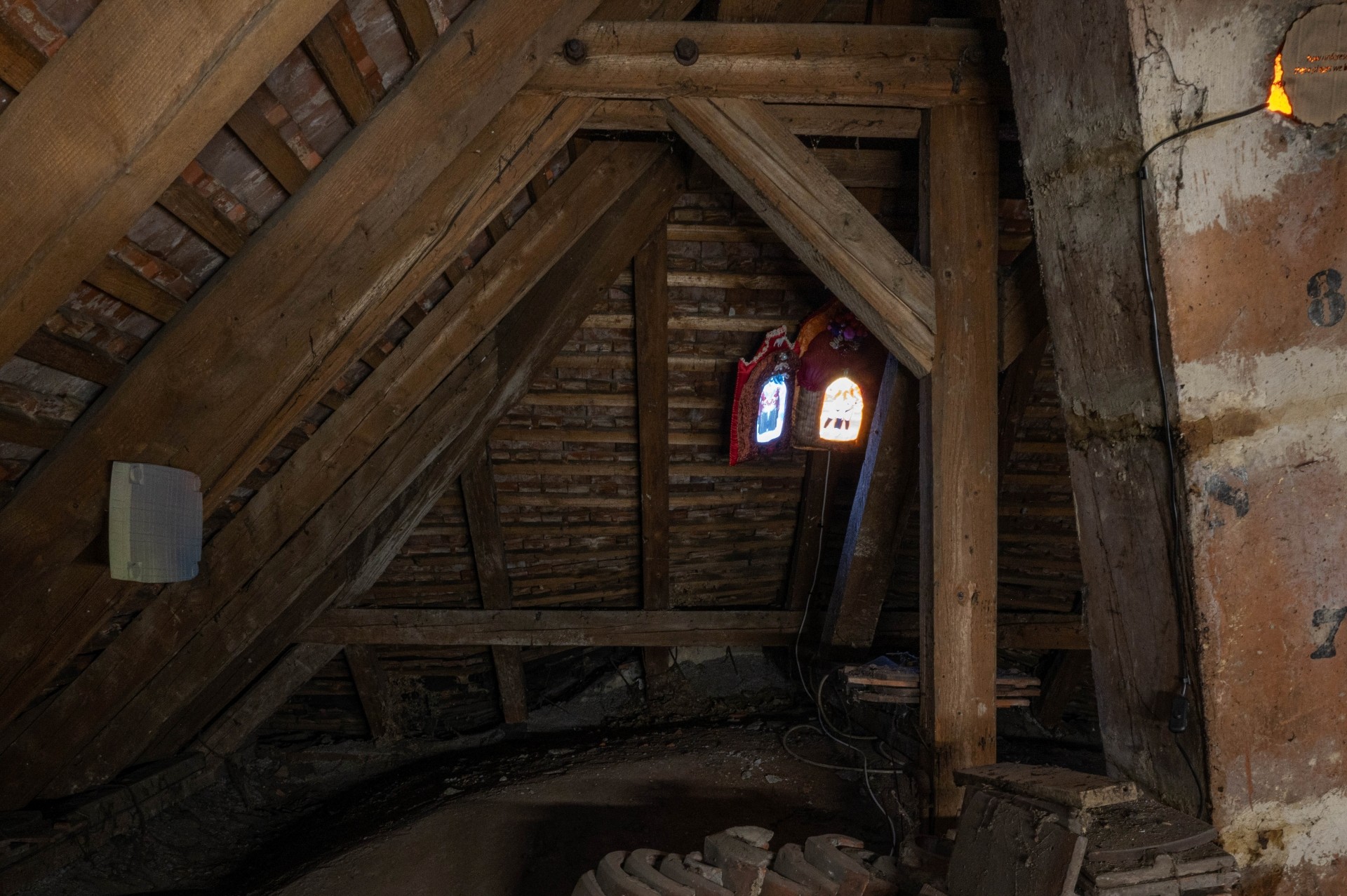
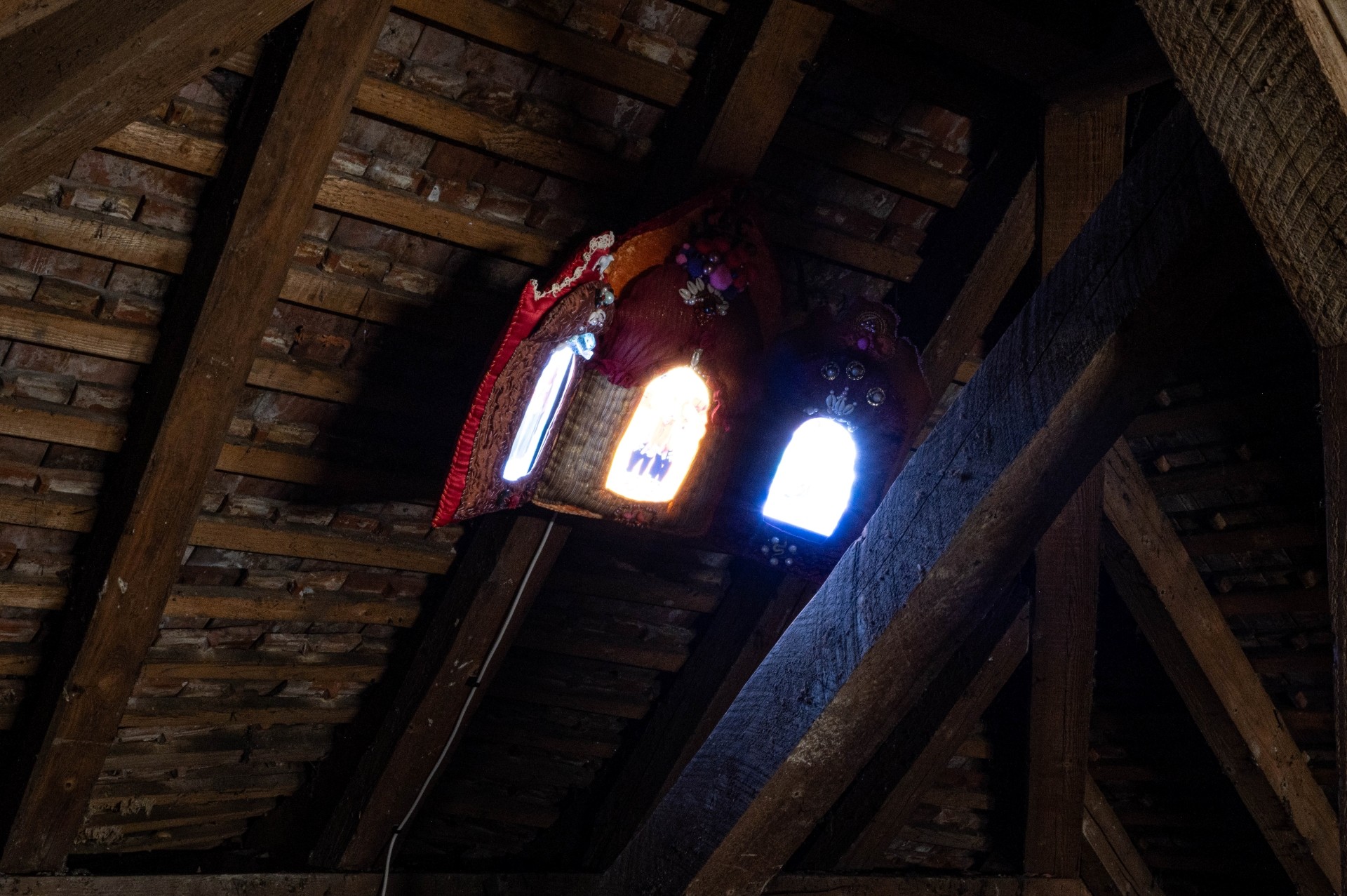
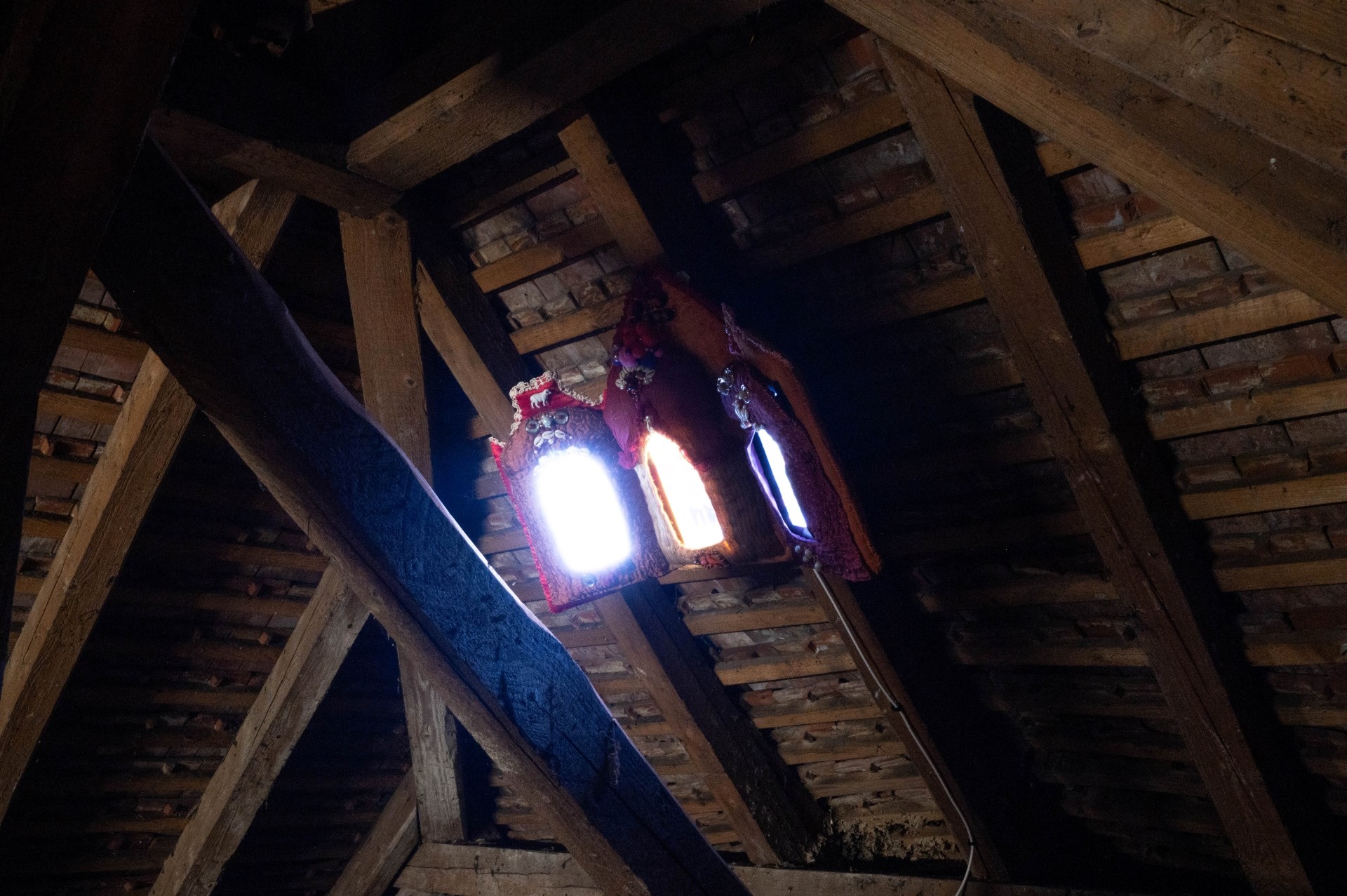
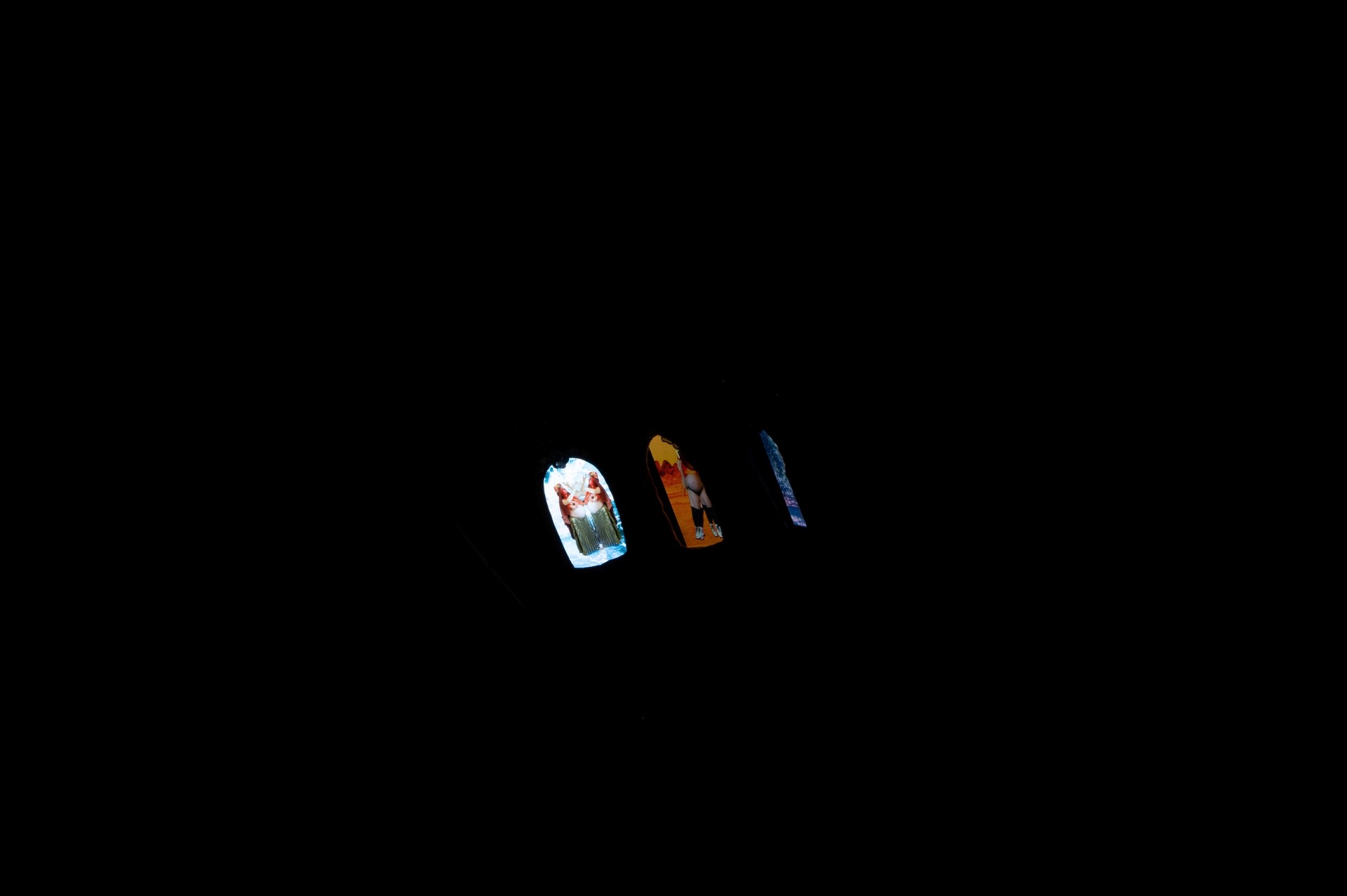
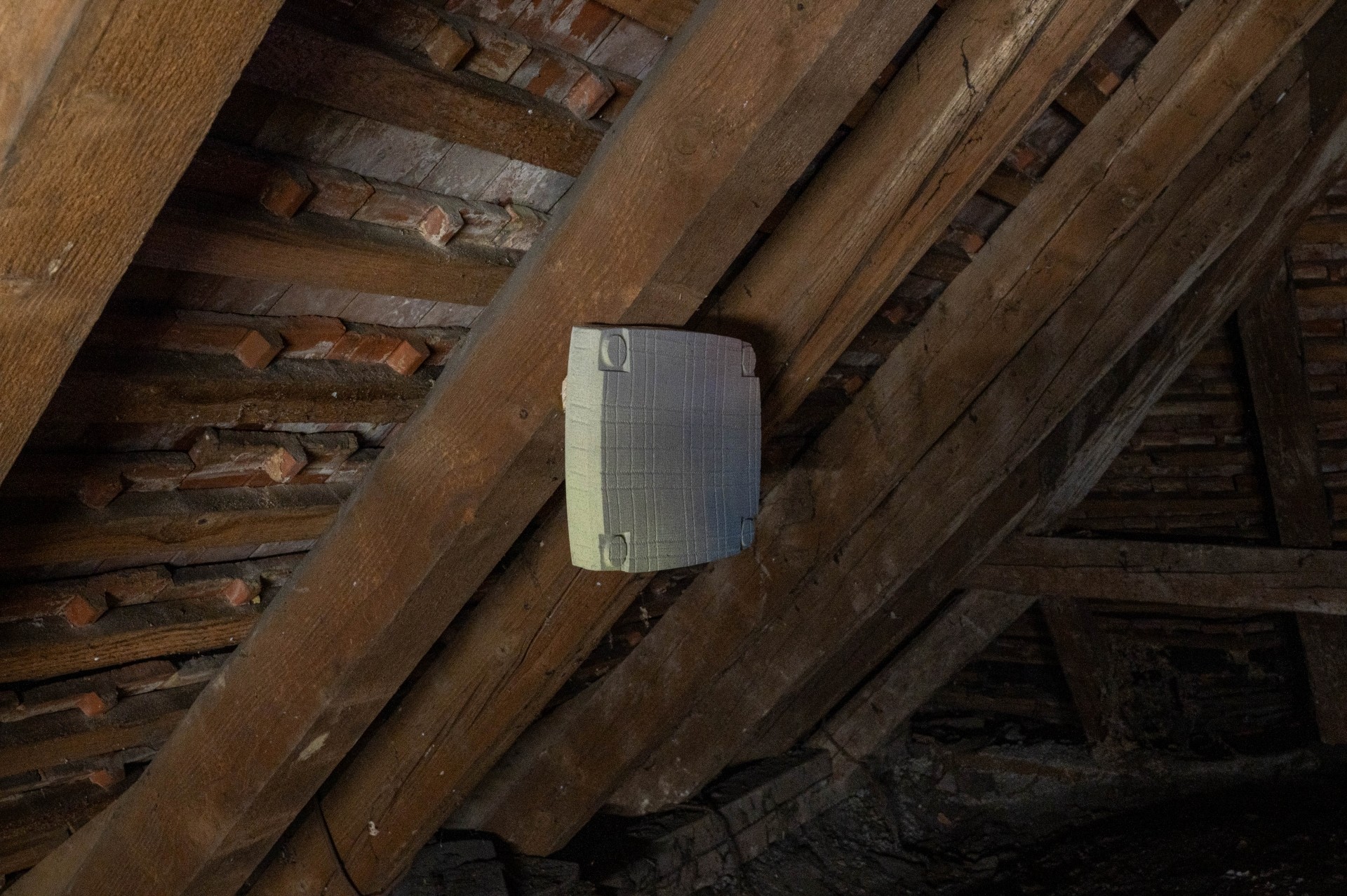
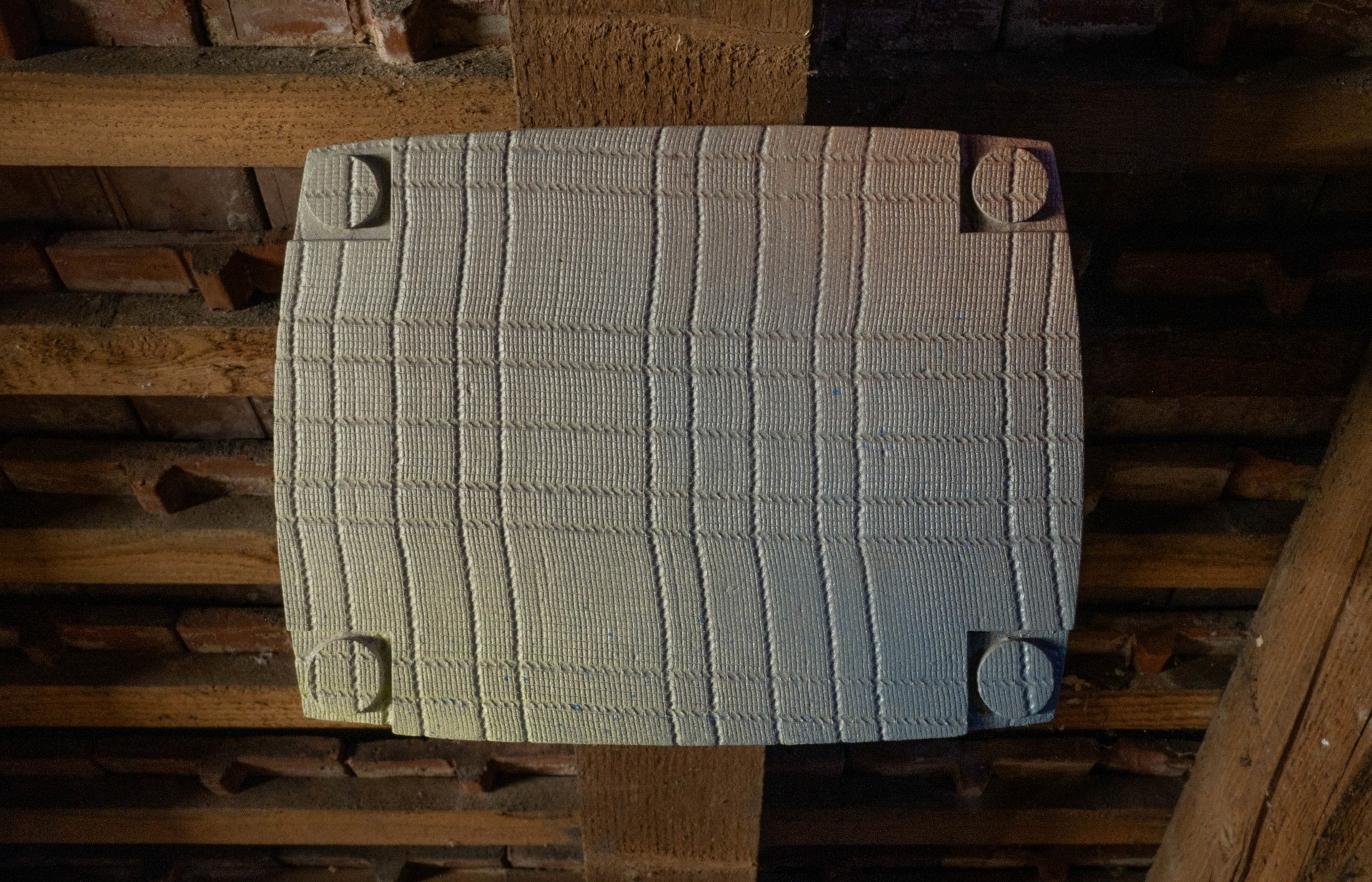
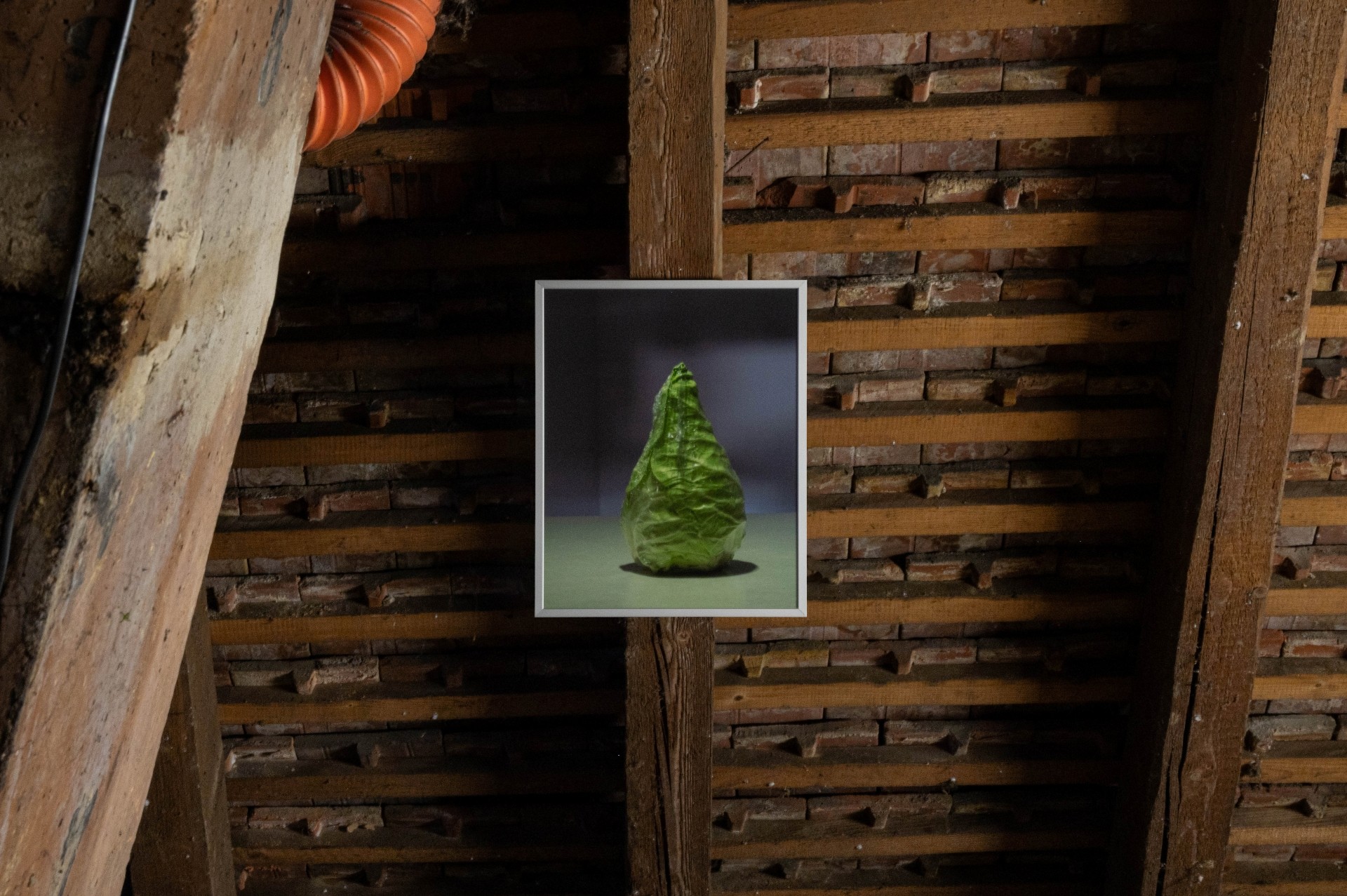
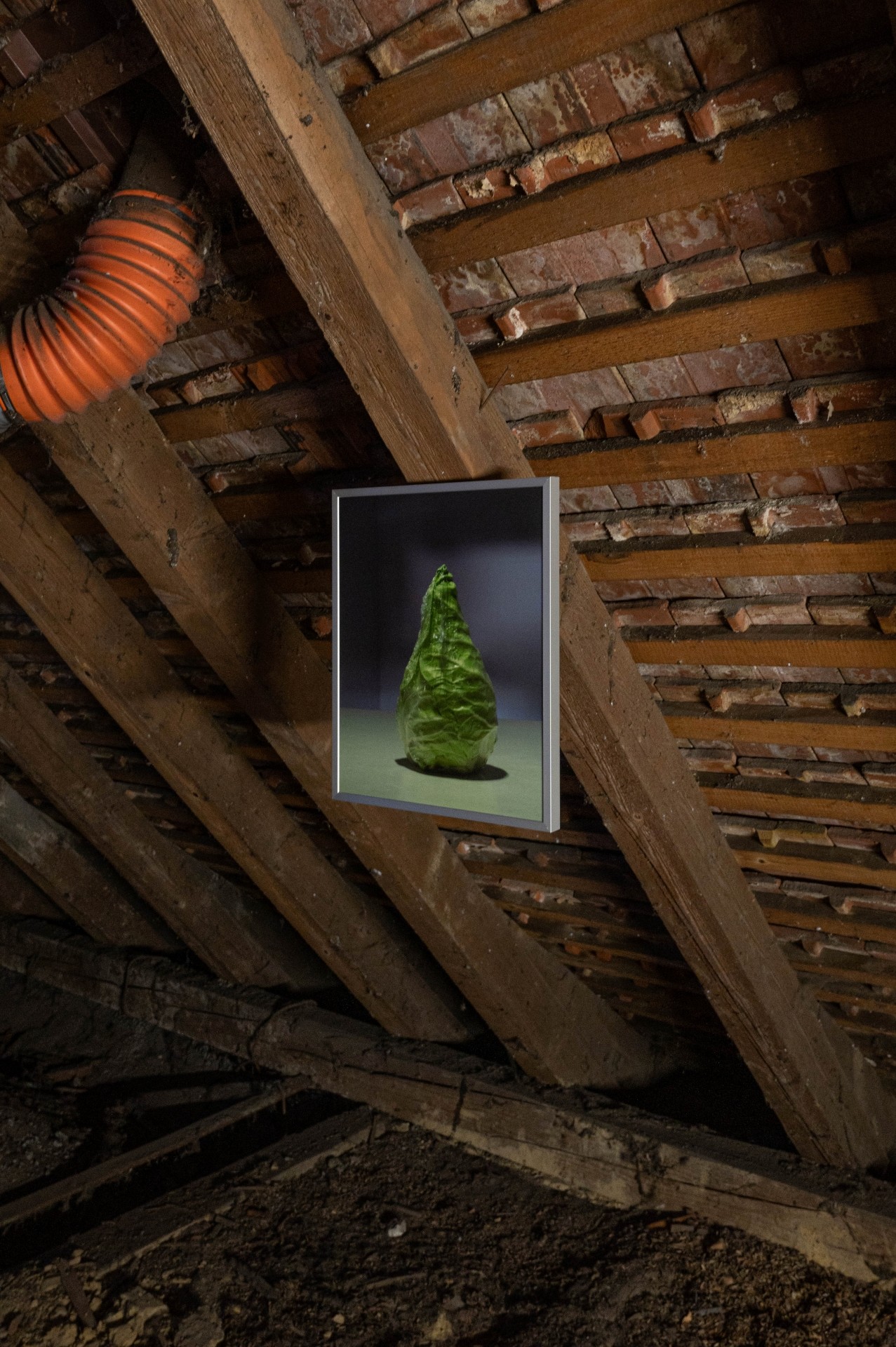
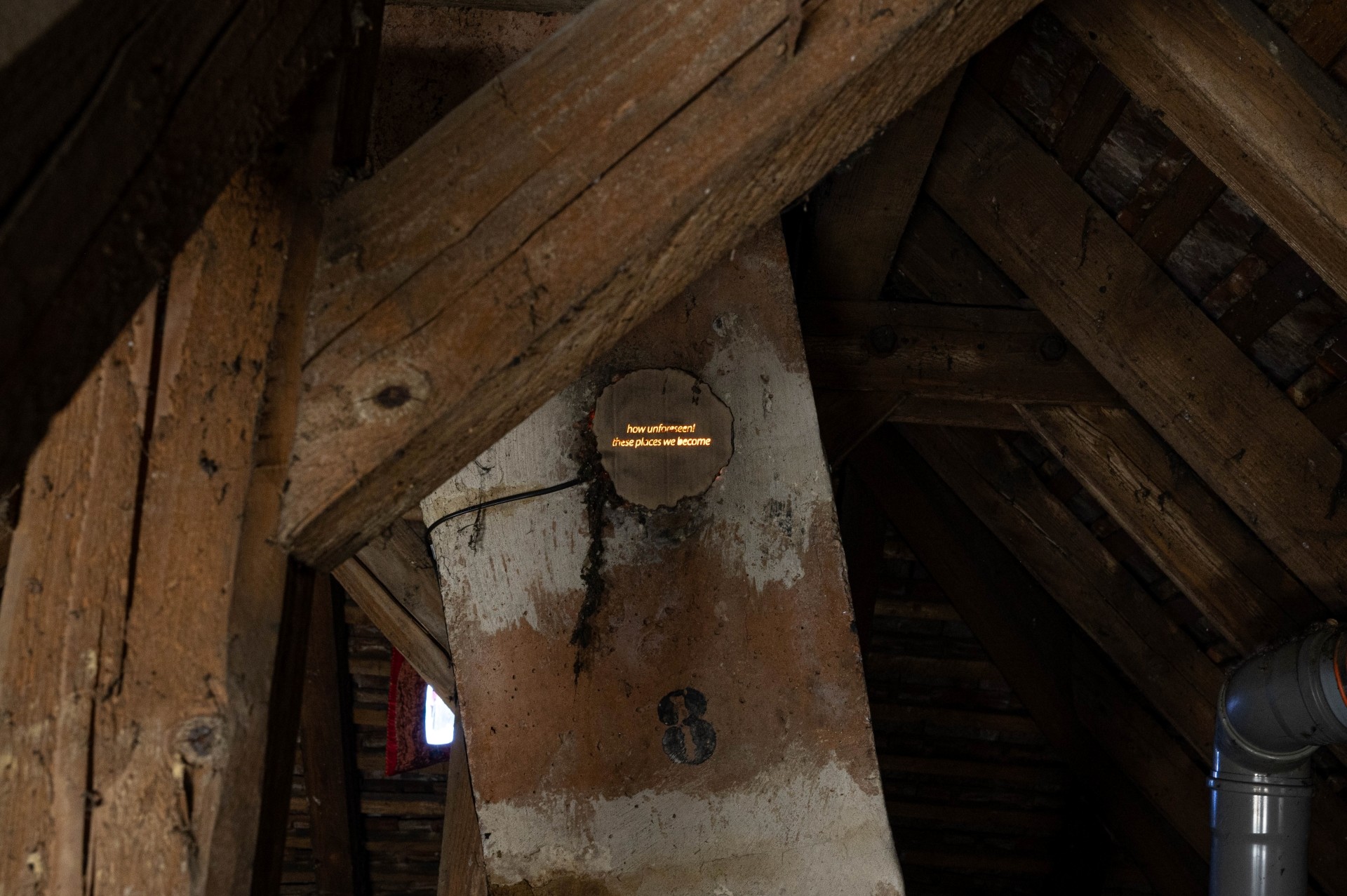
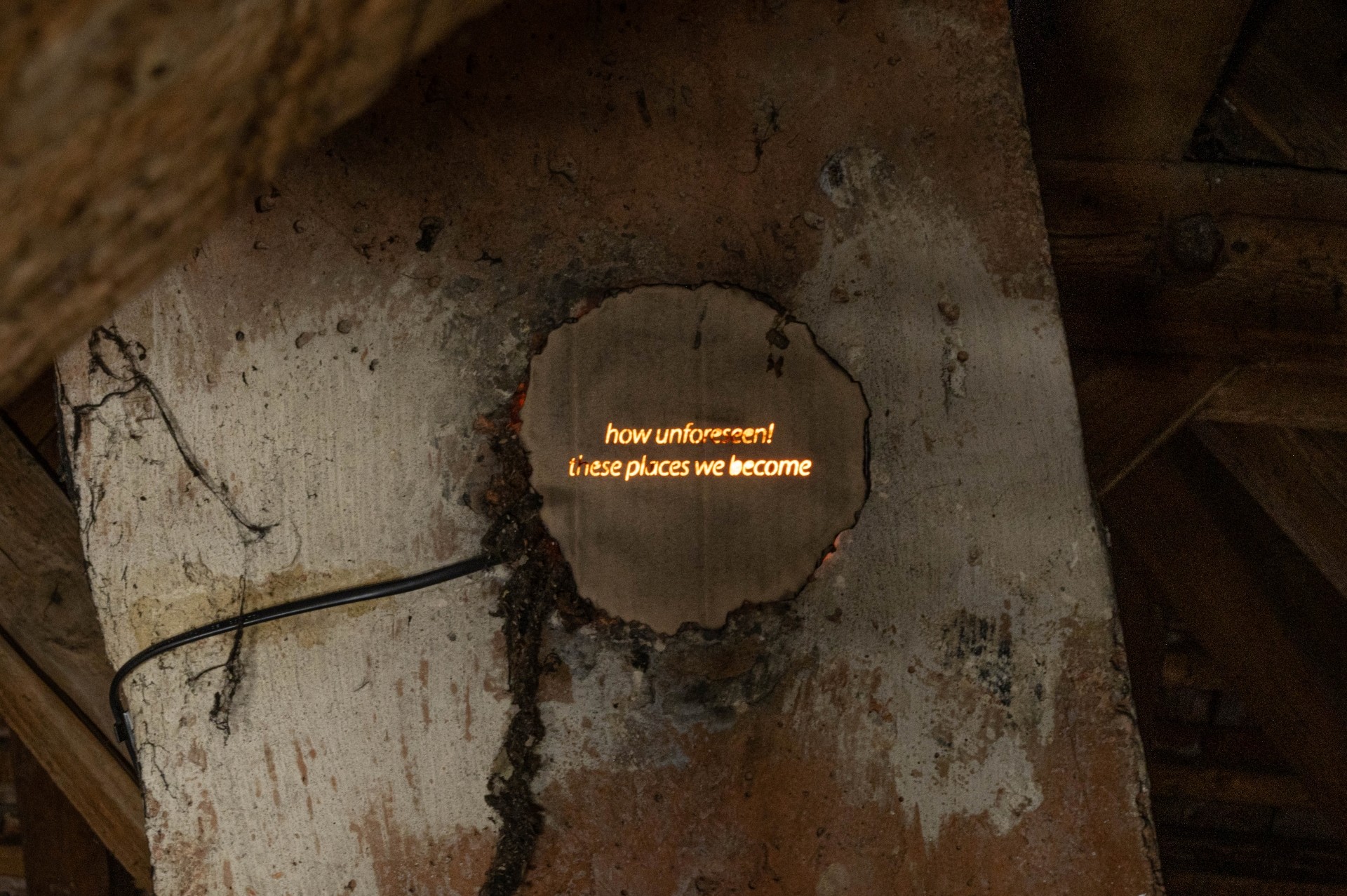
It begins with a trace; more precisely, a sedimentation of gazes, a collection of views that overlap in the photographic documentation of past exhibitions. I sift through the digital remnants of Kaiserwache program from the past three years: images, videos, texts—scattered across various art platforms. Gradually, the most obvious observation settles in my mind. All artifacts—most conspicuously in the photographs—incidentally address or document the architecture, gradually exposing Kaiserwache (or incrementally contributing to its digitally mediated simulacrum). This inevitably leads to the next question: What remains invisible? What eludes capture? Where does the image fall silent? An answer shot forth: The basement and attic of Kaiserwache constitute spaces beyond the curated gaze, remote zones of our exhibition practice that seemingly evade systematic classification and visibility. In documentation, they are perceptible mainly through their absence. Until now, they have only been alluded to, their doors appearing as latent edges marking a beyond of the exhibition. Basements and attics: When we think of these dark, often windowless spaces, our mind's eye tends to linger at the threshold—as if the uncertainty of these environments were transforming into a potential threat. Countless horror film tropes stem from this very notion. But is that all? What truly keeps us from entering these spaces? Perhaps it is the darkness and dust that the camera fears, the disorder that defies the curated gaze, or simply the fact that these spaces were never intended for us. Maybe the answer lies in the architecture itself—in its boundaries, its accessibility, and, not least, its hierarchies. Or in our own perception, which resists acknowledging the invisible as part of what is being shown. It remains to be stated that these spaces are indispensable (even in the literal sense)—foundational elements that unfold their impact in obscurity. Precisely from this marginal existence, they assert their own logic and challenge us to rethink space. Above us and beneath us are not mere spaces but vectors of movement, of displacement, that seek to renegotiate the act of looking. Attic and basement, beyond their materiality, must also be understood as spaces of thought. They are not the Other of the exhibition but its intensified form: spaces that resonate and reason. In this exhibition, the hierarchy of space—its function as a backdrop or carrier of a curatorial narrative—is reversed. The exhibition is no longer a display presenting itself to a gaze but a process, a machinery defined by its fractures. The space loses its status as a background and becomes an agent. The basement and attic in "Über uns, unter uns" elude conventional access for visitors; they are not spaces of direct physical perception as expected but rather spaces of inaccessibility, a deferral or displacement of vision. Their visibility is mediated—through convex mirrors that do not reveal but rather point elsewhere. This reflection generates a scattering of space, followed by a dispersion of its coherence. What remains is the attempt to decipher the distorted image, yet what lingers is not revelation but an inkling: something is there—above us, beneath us—but always withdrawn, ultimately inaccessible in its entirety. The exhibition no longer operates in the mode of direct presentation but in a state of displacement, a topological entanglement of the visible and the invisible. Seeing is reflected in its own condition—not as access but as difference. There is no direct gaze, only detours, reflections, afterimages. This points to the paradoxical mediality of exhibitions themselves: their presence is always also their absence, their documentation always already another form of exhibition. Photography, which ostensibly preserves, in truth transfers its referent into another order. It does not merely create an image of the exhibition but a new exhibition within the image. Every act of documentation is a curatorial decision, a cut through visibility, a frame that conceals as much as it reveals. What does this mediation do to the "actual" exhibition? Or conversely: What would an exhibition be without its mediation? Yet there is no pure presence. Every artwork is always already framed by prior knowledge, expectation, and context. It does not exist as an autonomous object but as part of a mechanism of capture, projection, and archiving. The notion of immediate experience is deceptive. Without a structure of mediation, the artwork becomes a blind spot. The question is not whether mediation takes place, but how. In this exhibition, Kaiserwache transforms into an oversized analog camera—a device that produces visibility but also displaces it. It is not far-fetched to consider that an exhibition, in a certain sense, is always already a camera—a machine of reflection, an assemblage of visibility and invisibility, proximity and distance, names and bodies, economy and aesthetics. Visitors find themselves in the illuminated, empty exhibition space—the print—while the actual event takes place in the negative space of the architecture: the basement, the attic. Without the negative, there is no image, no visibility, no exhibition. The negative of an image must never be understood as a mere inversion of the developed image—they do not relate symmetrically. While it is inevitable that the content of the negative forms the basis of the future image, it would be a mistake to see it as a straightforward reversal of tonal values. After all, the development of the negative is a creative process, yielding different images depending on the mode of perception. The results can be extraordinarily distinct—so long as the chemistry is right, quite literally. The photographic negative is a trace, an inversion, a shadow of the light conditions that left an image behind. It is a visibility not intended for itself but a transitional form, a possibility. In this show, the negative becomes the principle. — An attic is a boundary: too low to truly be a floor, too high to remain part of the ground. An animal inside is not a visitor, not a pet, not prey, but a constant that was not anticipated. The marten eats, shits, sleeps, disappears. Its territory is not ownership, but a habit. Its presence is a decision or a coincidence, its feces a mark of duration. Now it is not visible, but its body has used the warmth of the wood and pressed its fur into the dust. I must wipe away its traces, clean its toilet (how ironic this statement echoes here), separate its place from mine, but the door remains a boundary that separates not only us but also time and matter. Perhaps the marten is long gone, has given up on its territory, and found some other hidden corner of the city. Or maybe it's right above, tucked between the beams in that twilight, just waiting for me to clear out. After all, spatial production isn't just a human game. — I am fascinated by a certain type of commercial group show that gets by with two-line exhibition texts or even just a list of names (why do I write "get by"? After all, they thrive precisely because of this!) They behave unobtrusively, yet at the same time, they cannot avoid bumping into the institutions of good taste. The "coherence" of the work selection, a shielding exhibition theme, an overarching narrative, etc., in this case, mostly function as an excuse for business—an intellectual ornament that, in light of the Potemkin motivations for framing, on the one hand, spoils the appetite of those interested in commerce and, on the other hand, makes "serious" engagement with the show uncomfortable or even impossible for those interested in art. In contrast, there are those "unpretentious" exhibitions or strategically assembled arrangements. For these galleries are tired of the masquerade, of having to dress exhibitions in accordance with a tradition of coherence and legibility—a pompous appearance that many shows, among other things, do not want to relinquish for the sake of legitimization effects—especially when the focus on the quality of the exhibition and the curatorial value conflicts with the sacred business. Many galleries don’t even need to conform to any notions or customs of curating, because good business usually brings more good business in sight, unlike "good" exhibition art, which promises nothing in terms of self-preservation. Thus, this type of exhibition seems to have a different mode of presentation, one that counteracts the tendencies of idealizing motivations and, by the way, lends the exhibition a more down-to-earth, albeit less reflective, appearance. The exhibitions I speak of can sometimes be understood as a strategic response to certain economic conditions. Galleries have deals with artists but also deals and percentages with each other. The small fish must figure out what artistic leftovers they can grab for themselves, because clearly, there exists a food chain among galleries as well. This may sound more brutal than it really is. But if we stay with the brutal metaphor, the blood trail can be traced back to René Picard’s proclamation: "We no longer collect art, but acquire individuals." It is no longer possible to separate art from the artist, if it ever was. Their names flash up, and names, as we know, are fleeting, negotiable, connectable, and transferable. It’s not about a hierarchy of quality but about a pragmatics of connection. Clearly, artists have grown or degenerated into brand names that must be understood as symbolic units with individual traits and, hopefully, prospects for value appreciation. Although we, at Kaiserwache, do not directly engage in value creation through monetary flow, we are nonetheless inevitably embedded in a network of brand and symbolic values. Whether we like it or not, we act like a brand. This model of trading in immaterial values, of dancing with associations and desires, long established in the collaboration between artists and art spaces, is increasingly found in other markets and on ever more spectacular levels. We are talking about collaborations between international trade brands. Have you ever tasted Coca-Cola® with Oreo™ flavor? Taste here is irrelevant, because the mere idea of their union already generates enough symbolic value to push the actual product into the background. The brands enter into a promiscuous romance, just so their child can carry a double-barreled name. And it is the aura of this romance—not the child—that sparks desire. This need not necessarily be interpreted negatively. Exactly this logic also shapes the commercial group show, which no longer has to rely on curatorial concepts but only on the economic grammar of names, whose (re-)combinations already generate a narrative. The exhibition as a cocktail of signifiers, as a fleeting arrangement of values that charge each other—not to create thematic depth, but to stage the mechanism of visibility itself. It would be a lie to claim that the exhibition is completely free from the logic of brand fusion—after all, there is a certain allure in combining names, imagining how their interactions will create new constellations, how their symbolic values oscillate and charge each other. There is a nearly naïve joy in alphabetically ordering these names: David Attwood, Claire Megumi (Claire and Megumi are both first names of the artist; she omits a surname in her address); Andrea Fortmann; Nao Kikuchi; Hannah Kindler; Hojeong Lee; Alice Tioli; Michaela Tröscher, the Icelandic pianist; Lorenz Walter Wernli; Lidong Zhao, imagining a “product” emerging from their connection—more or less uninterested in the conceptual linkage of their works. Perhaps there is a gesture of marketing here, perhaps a deeply rooted need for connection, for association, and of course for exchange with these artists. But if I think this impulse through further, it inevitably begins to dissolve itself. What exactly happens when an exhibition does not rely on the conventional narrative of coherence and consistency? When it does not obey the mechanisms of thematic order or curatorial mediation? Does something get revealed or is just another veil pulled? "Über uns, unter uns" does not use this mode of presentation as a form of rejection, but as a strategy of play—a play that is unsure of its own motivations and doesn’t want to be. For an exhibition that is staged from the start as "authentic" or "down-to-earth" only reproduces another form of masquerade, a new pose of immediacy. Instead, here, the unfinished takes center stage so that the string of names can remain provisional. The reading becomes secondary. Perhaps that is the real point: Every exhibition is an image with an invisible negative, a reflection that never shows the whole. Because ultimately, every person—every artistic gesture, every exhibition—carries something within them that not only remains incomprehensible but also unreachable. A shadow and a transcending that lies beyond any curatorial construction.