- Third Space
- 23 May ― 12 Jul 2025
- Anna EhrensteinJannis Julien GrimmTimo HerbstTheemetra HarizaniRuna IkedaMatteo LorussoAnzhelika PalyvodaMinh Duc PhamRebecca Pokua KorangJakub ŠimčikSelassieBahaa TalisSofiia Yesakova
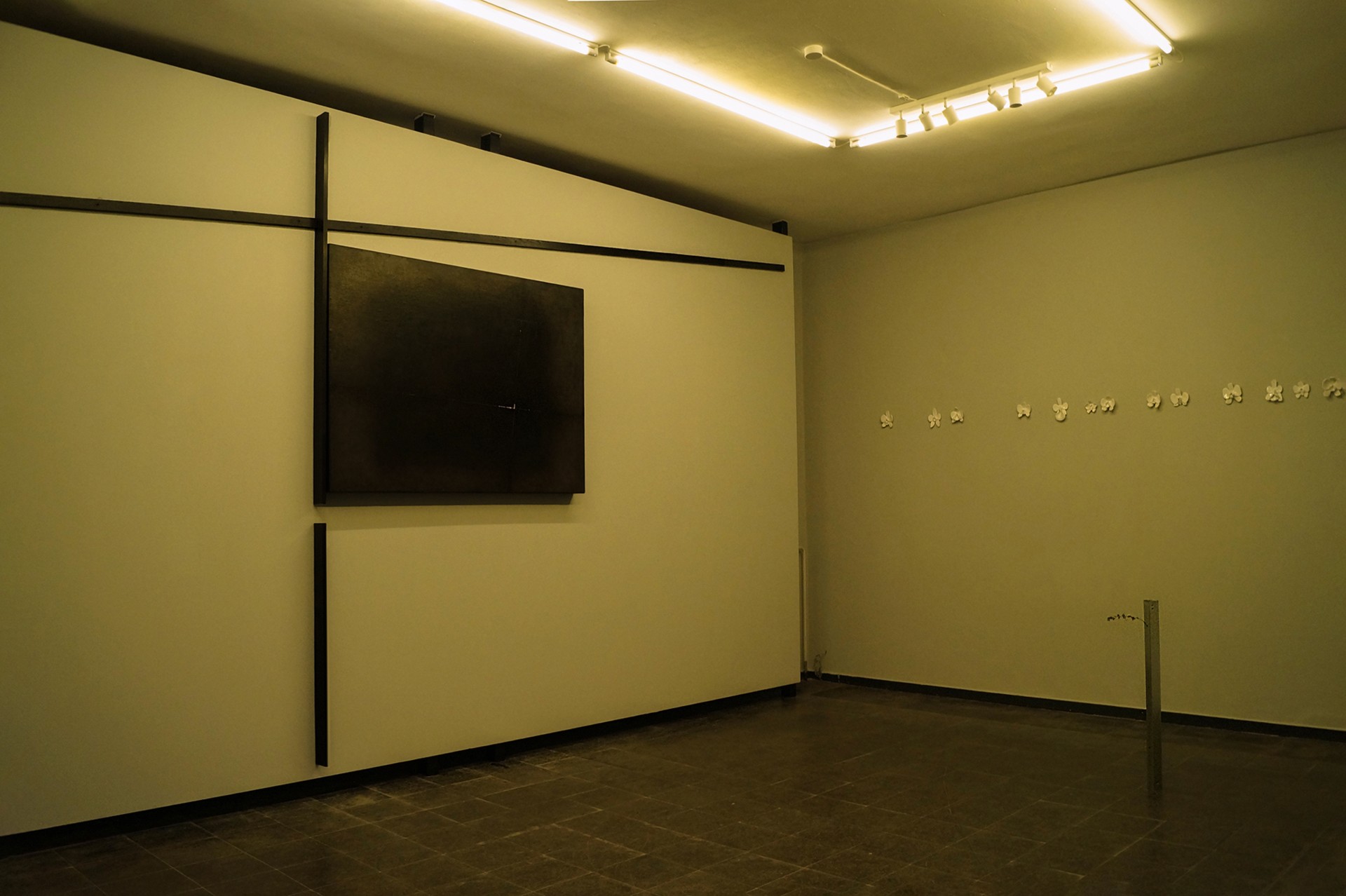
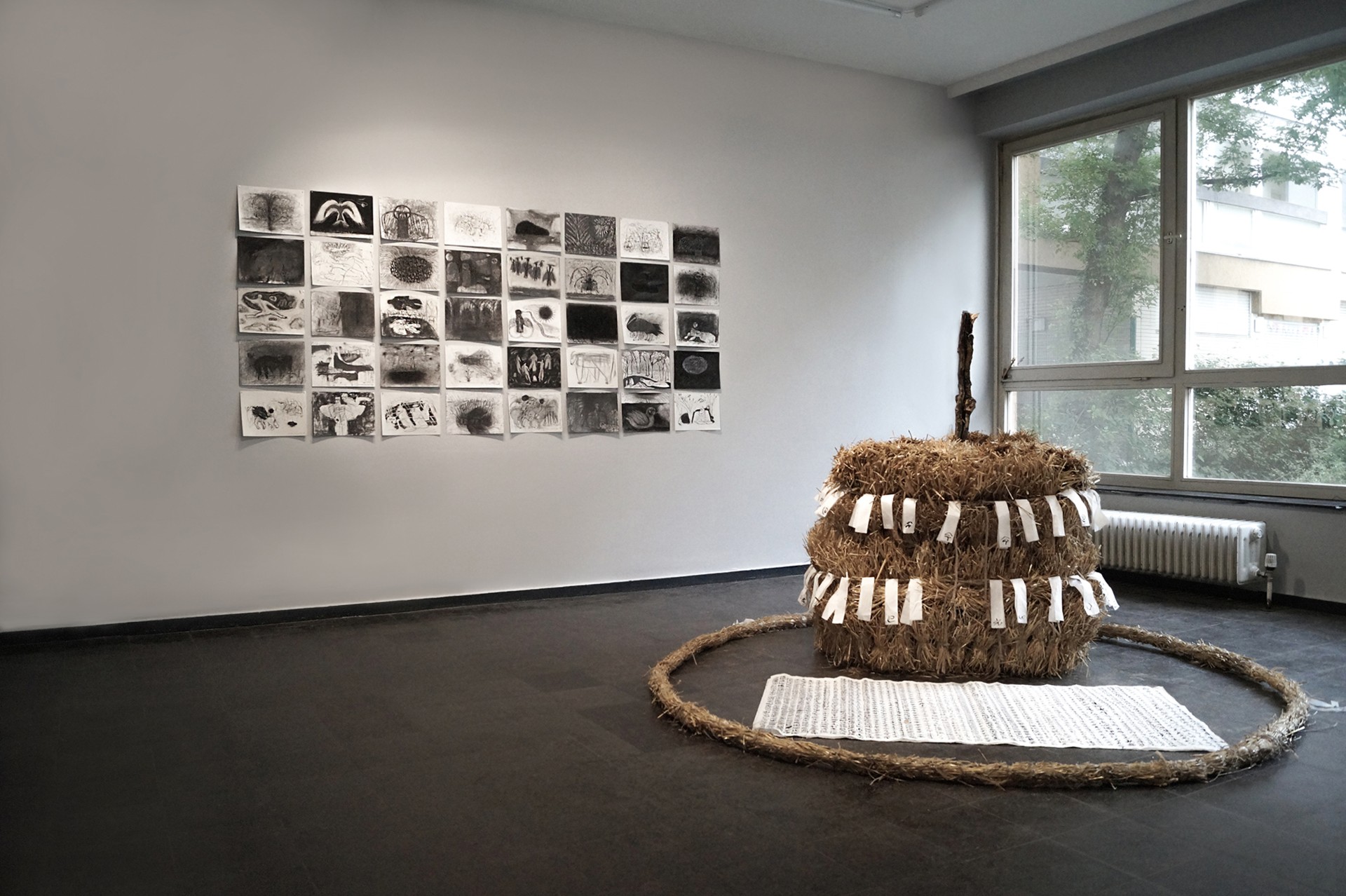
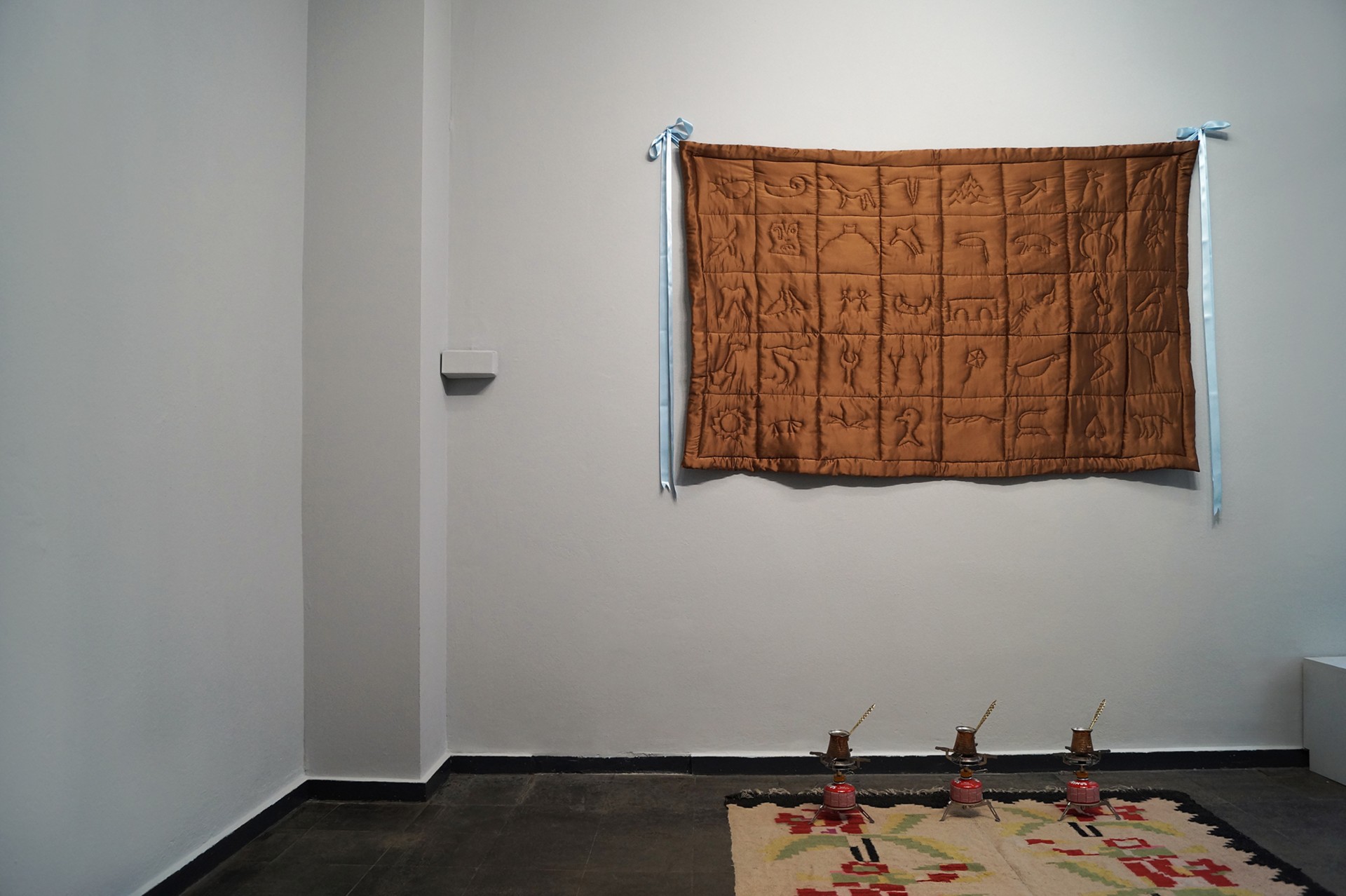
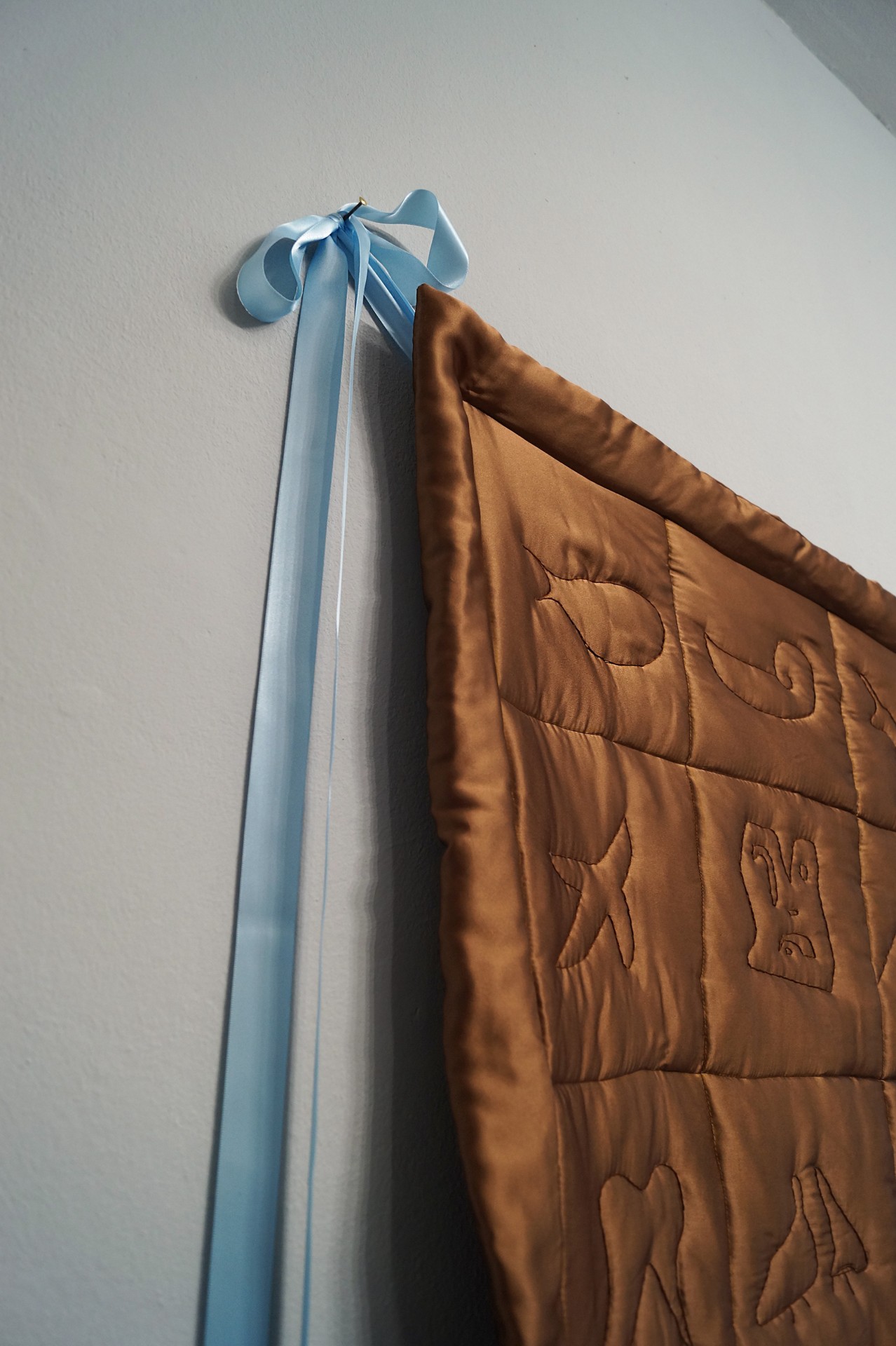
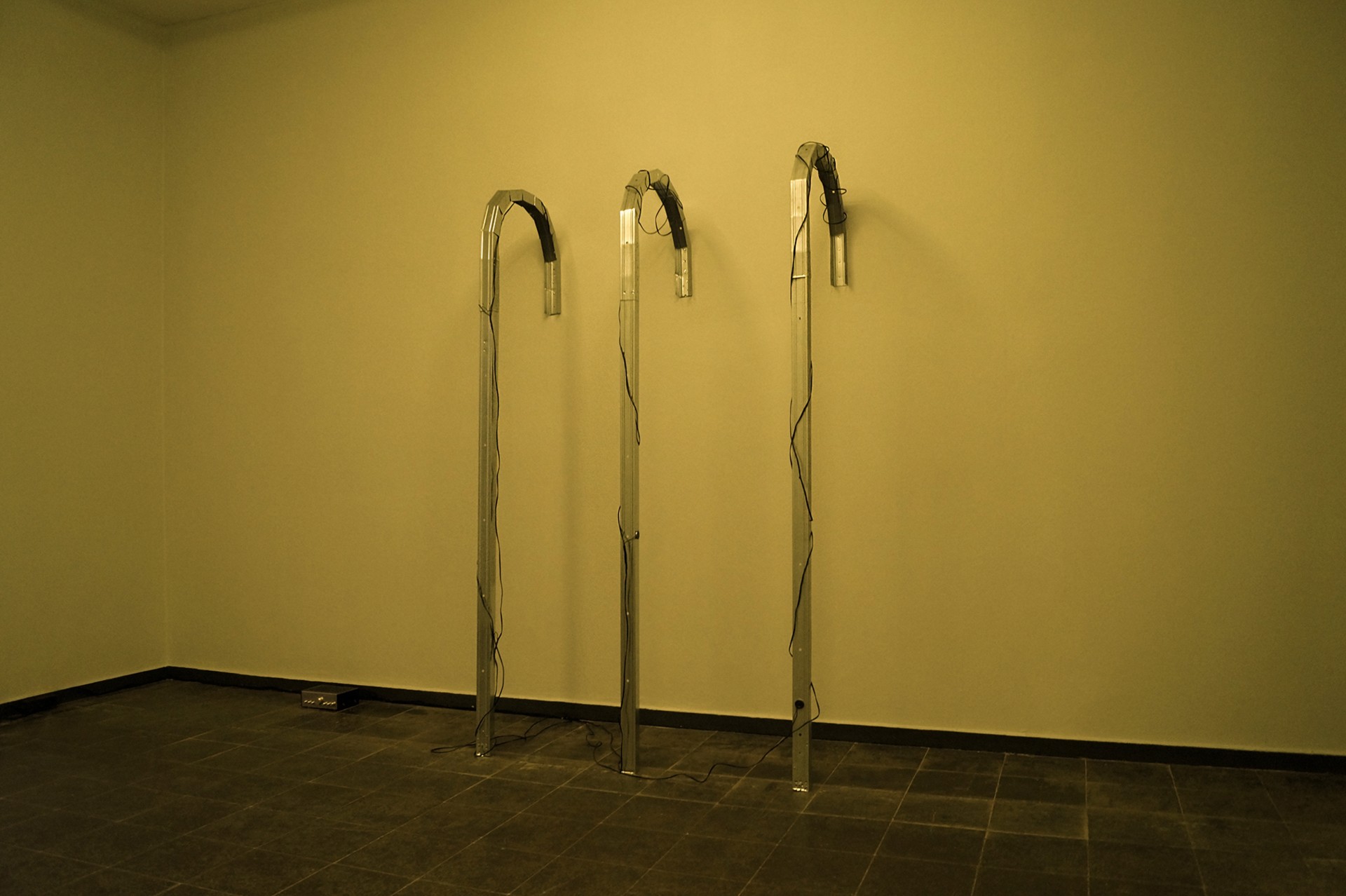
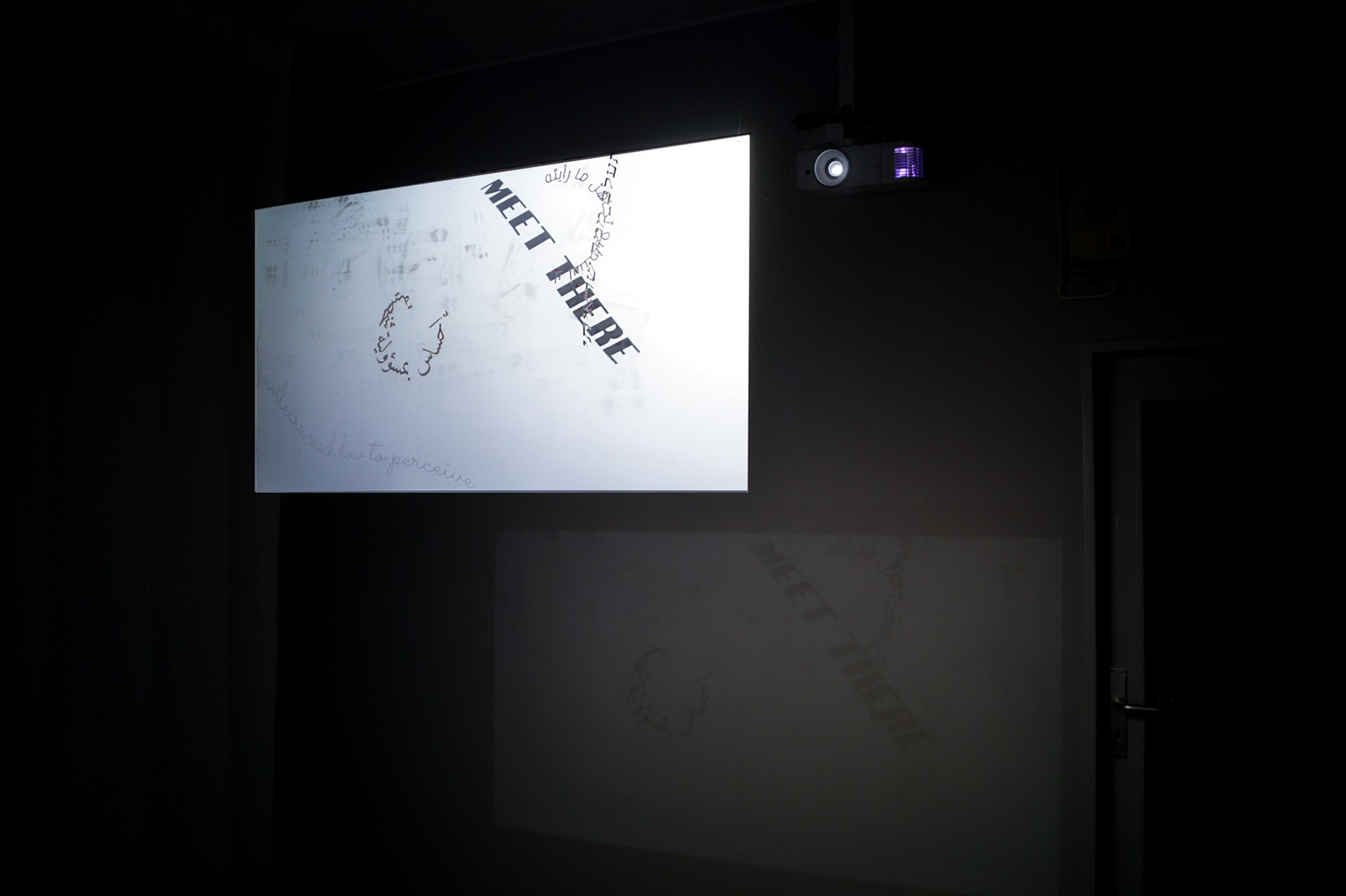
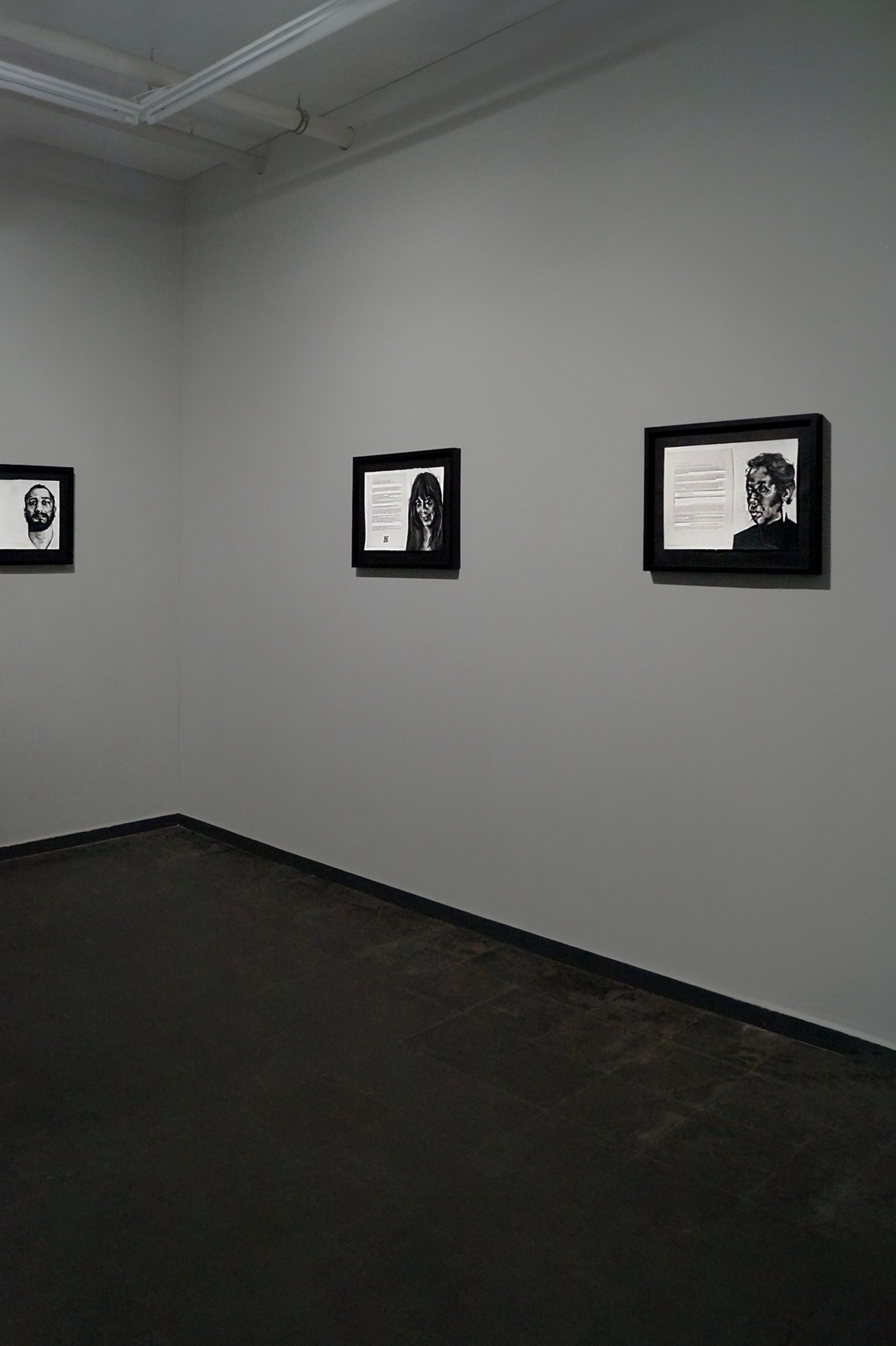
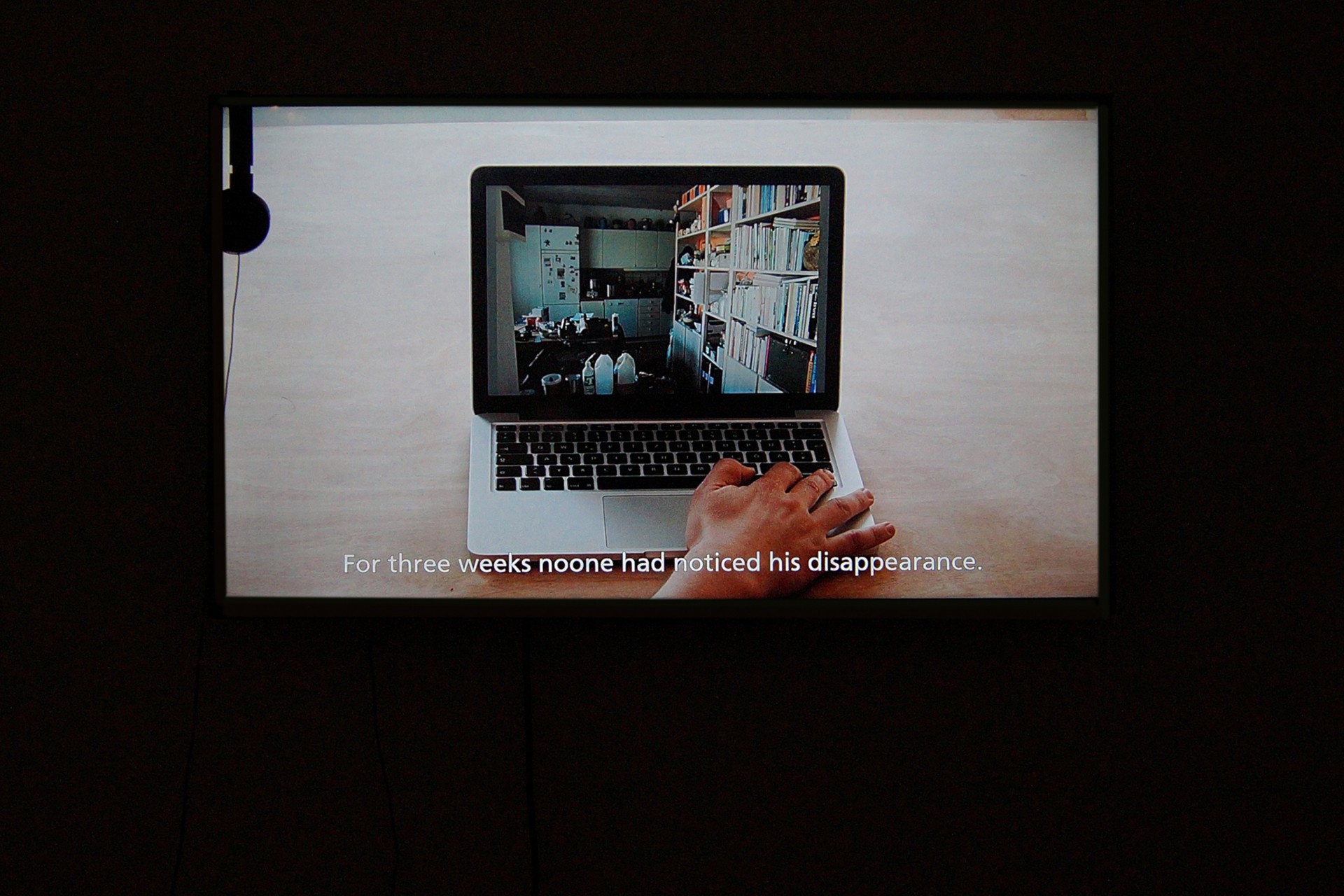
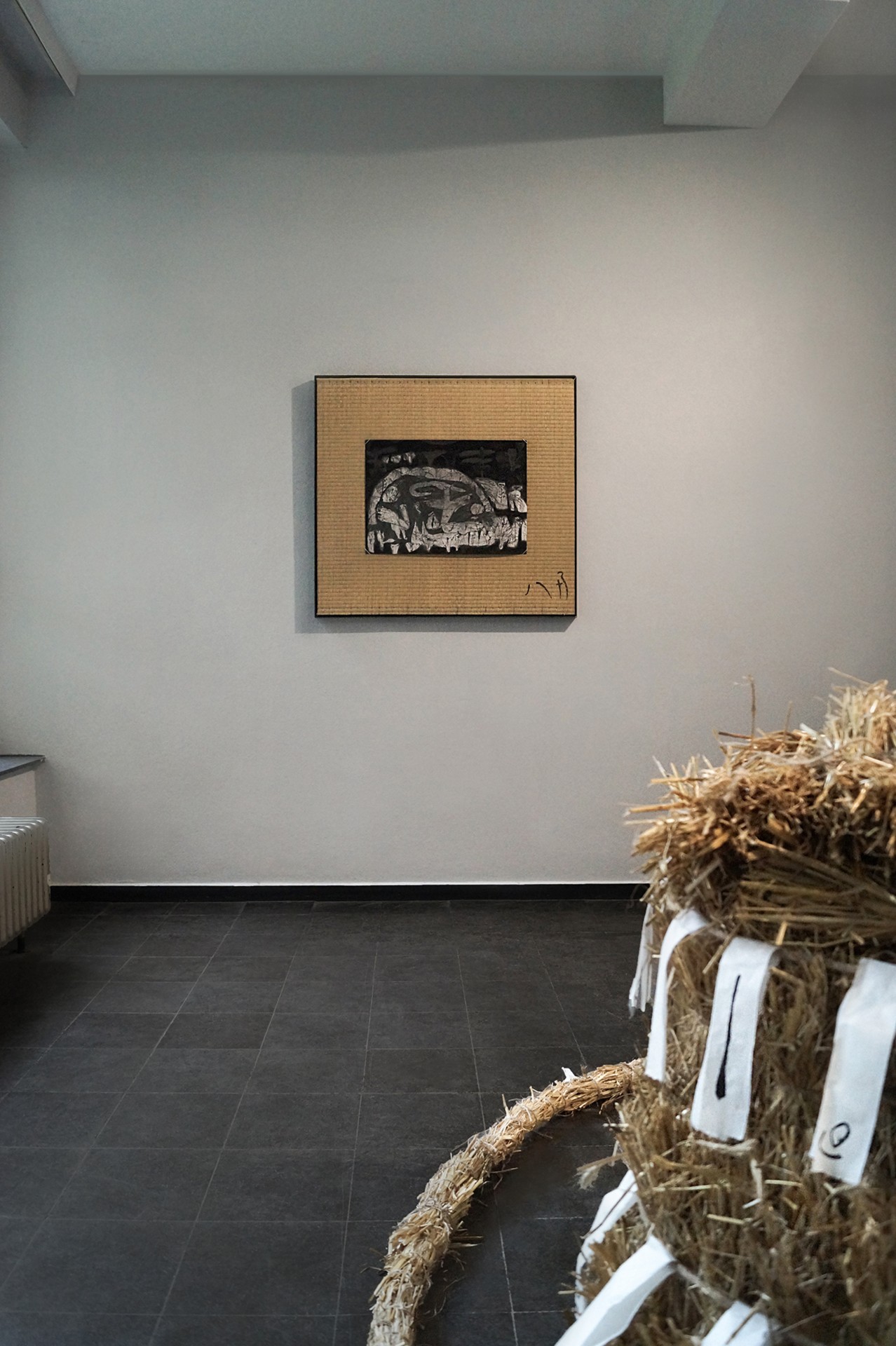
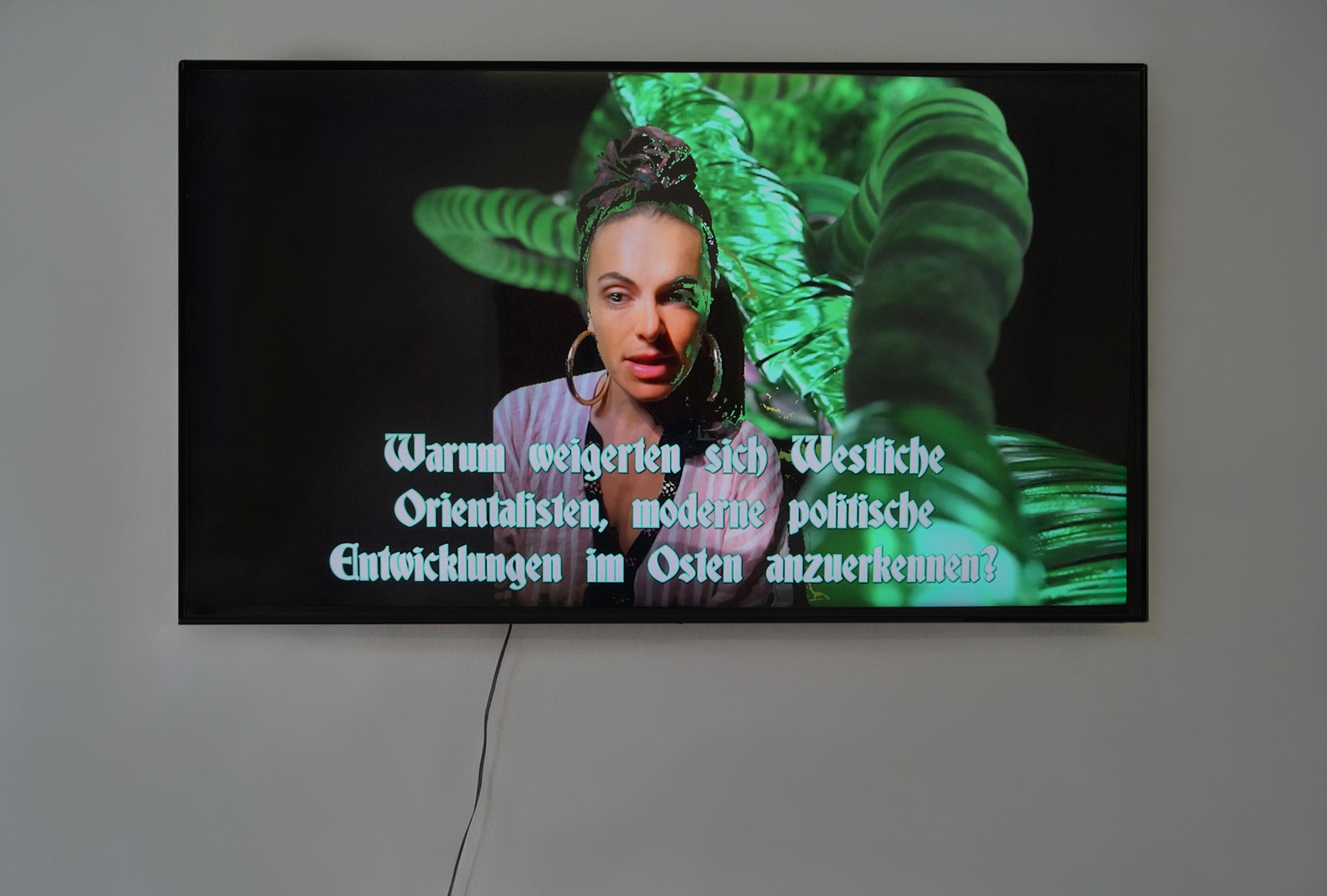
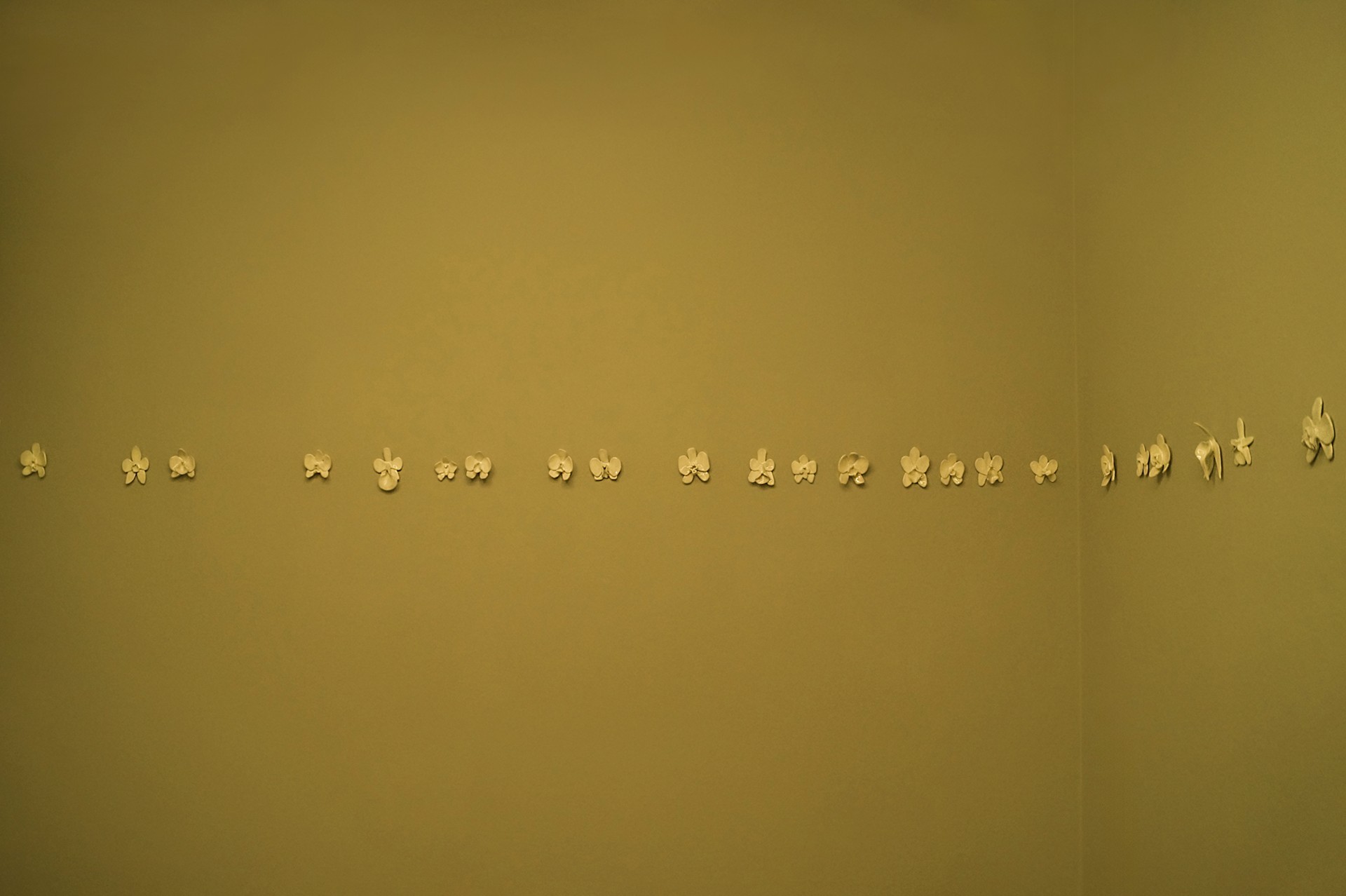
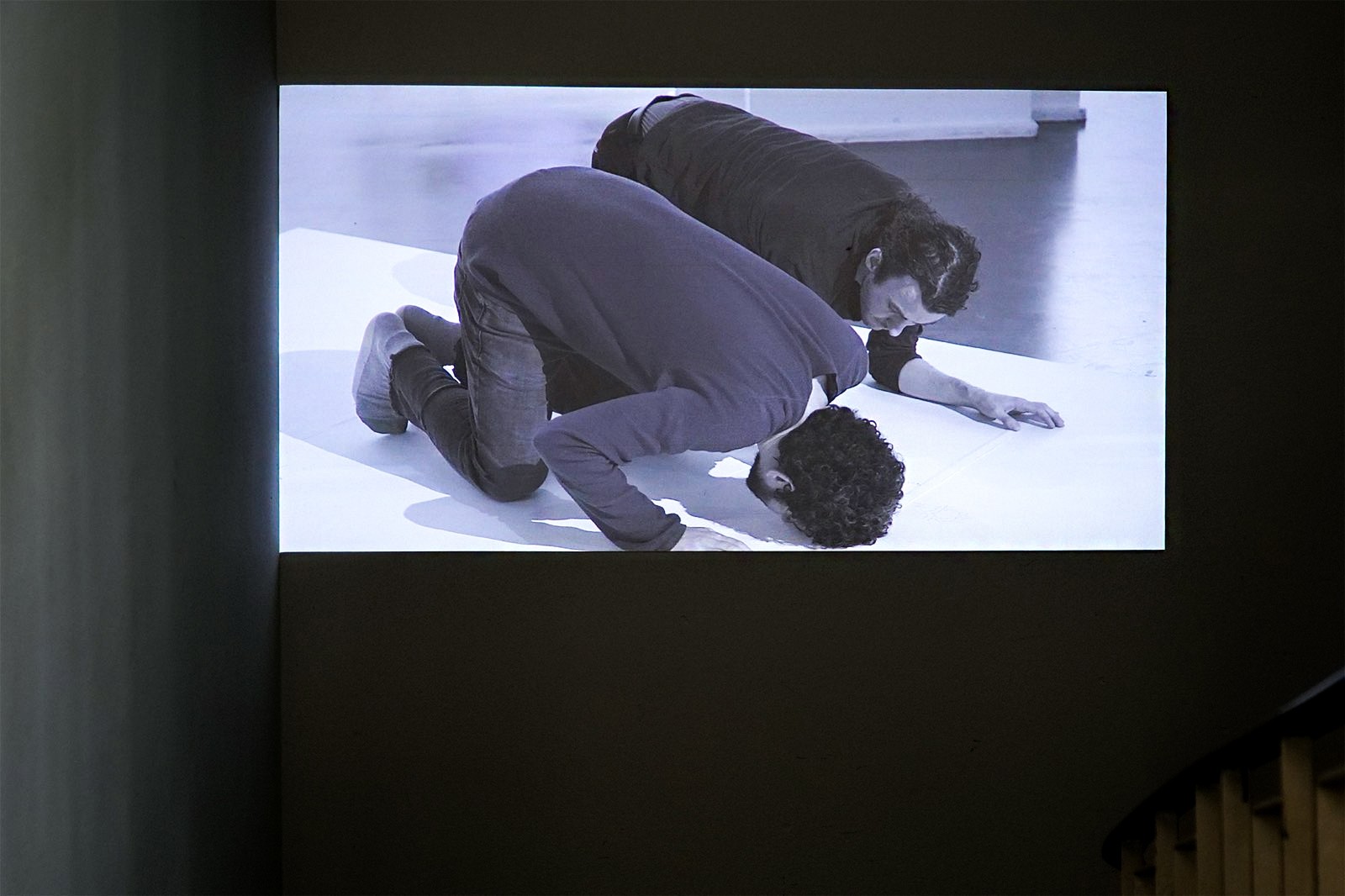
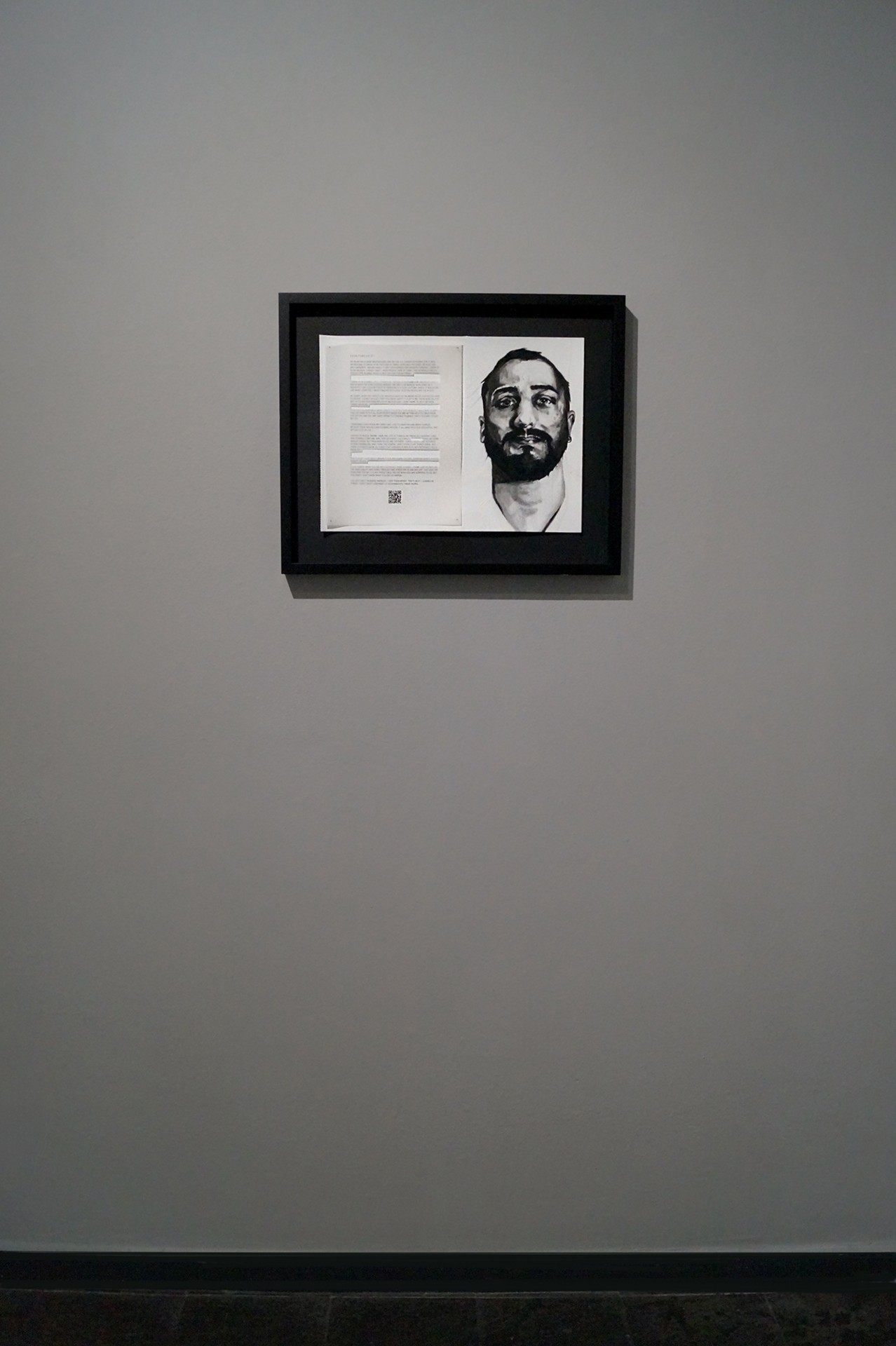
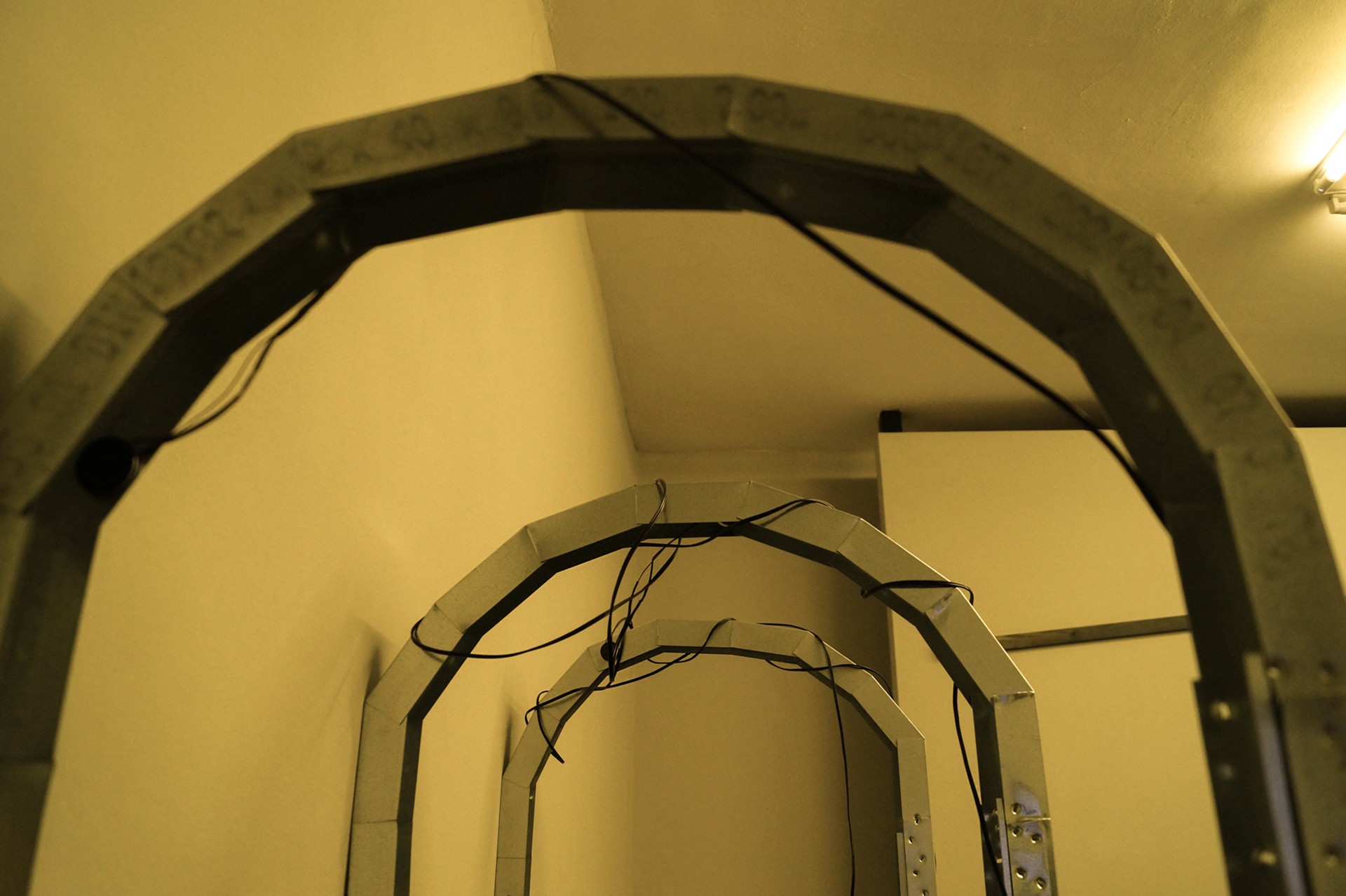
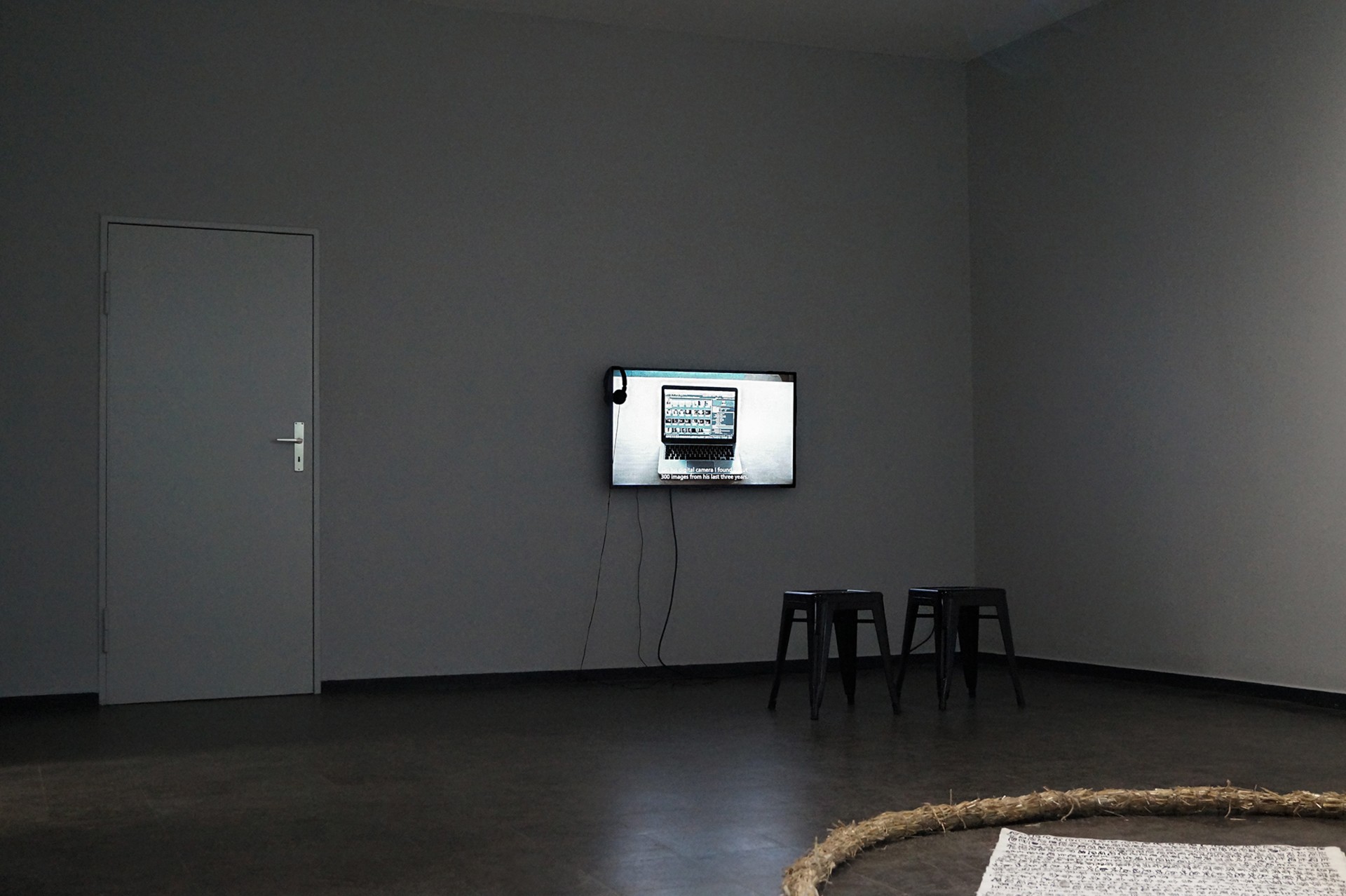
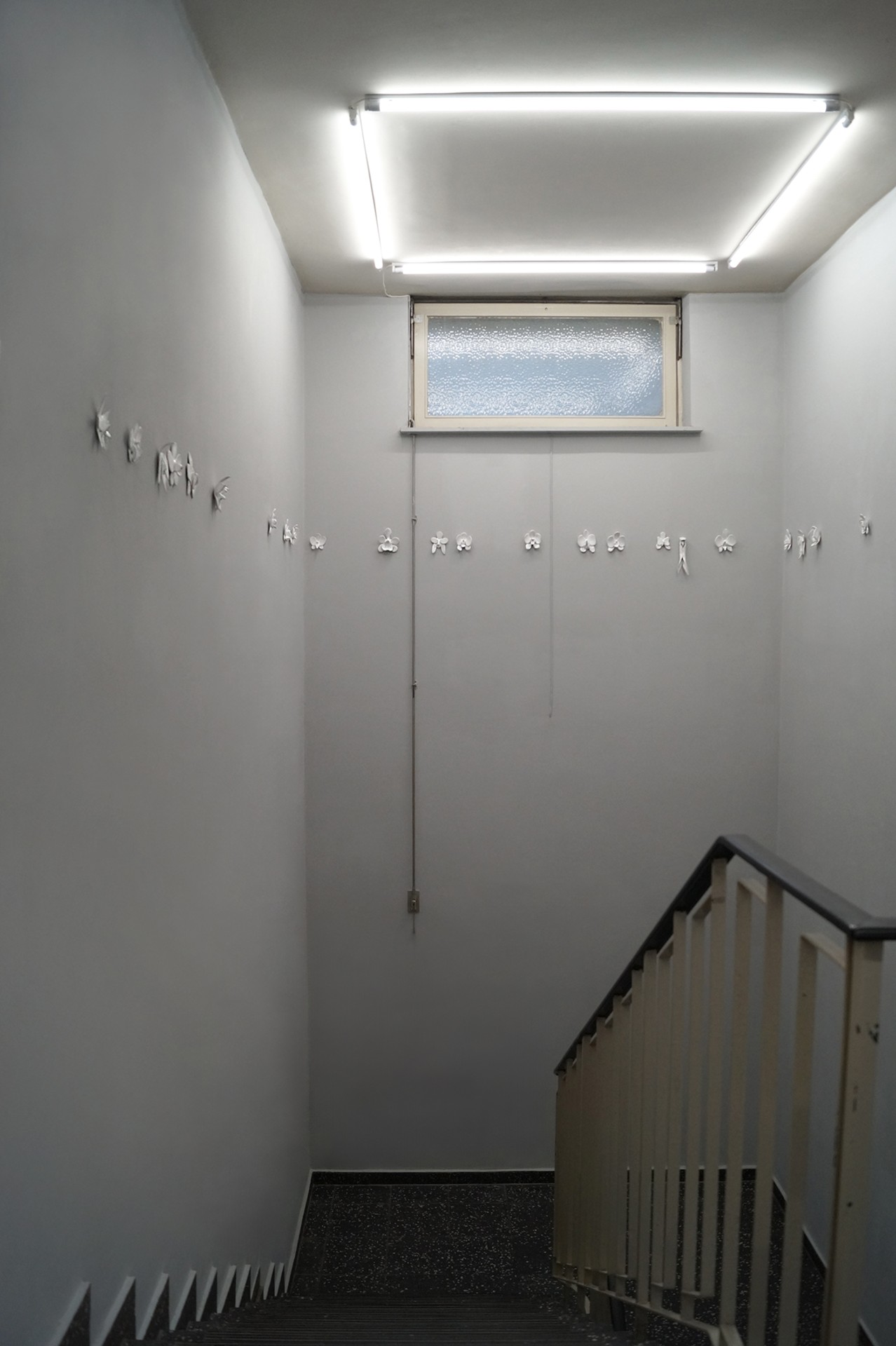
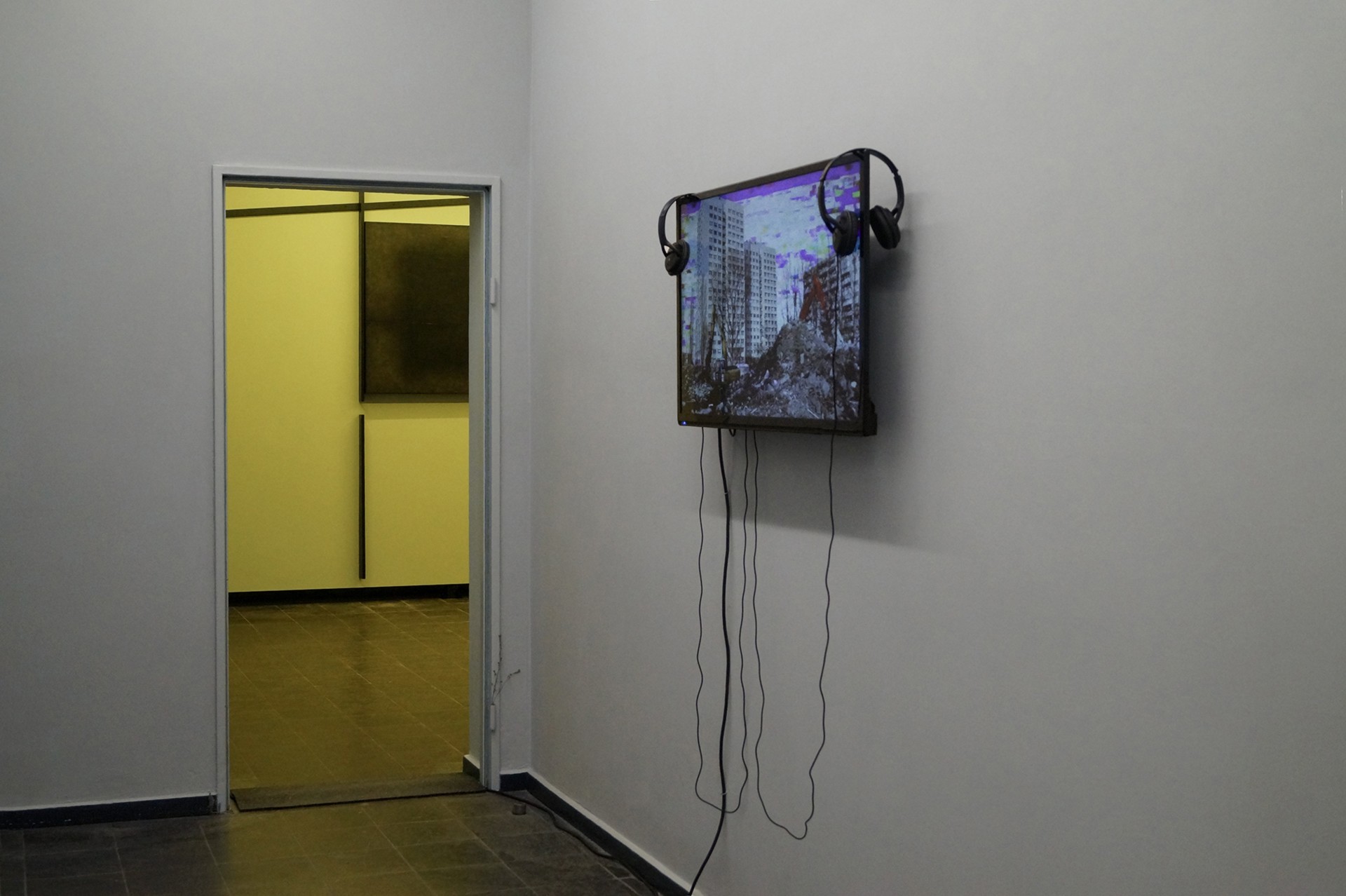
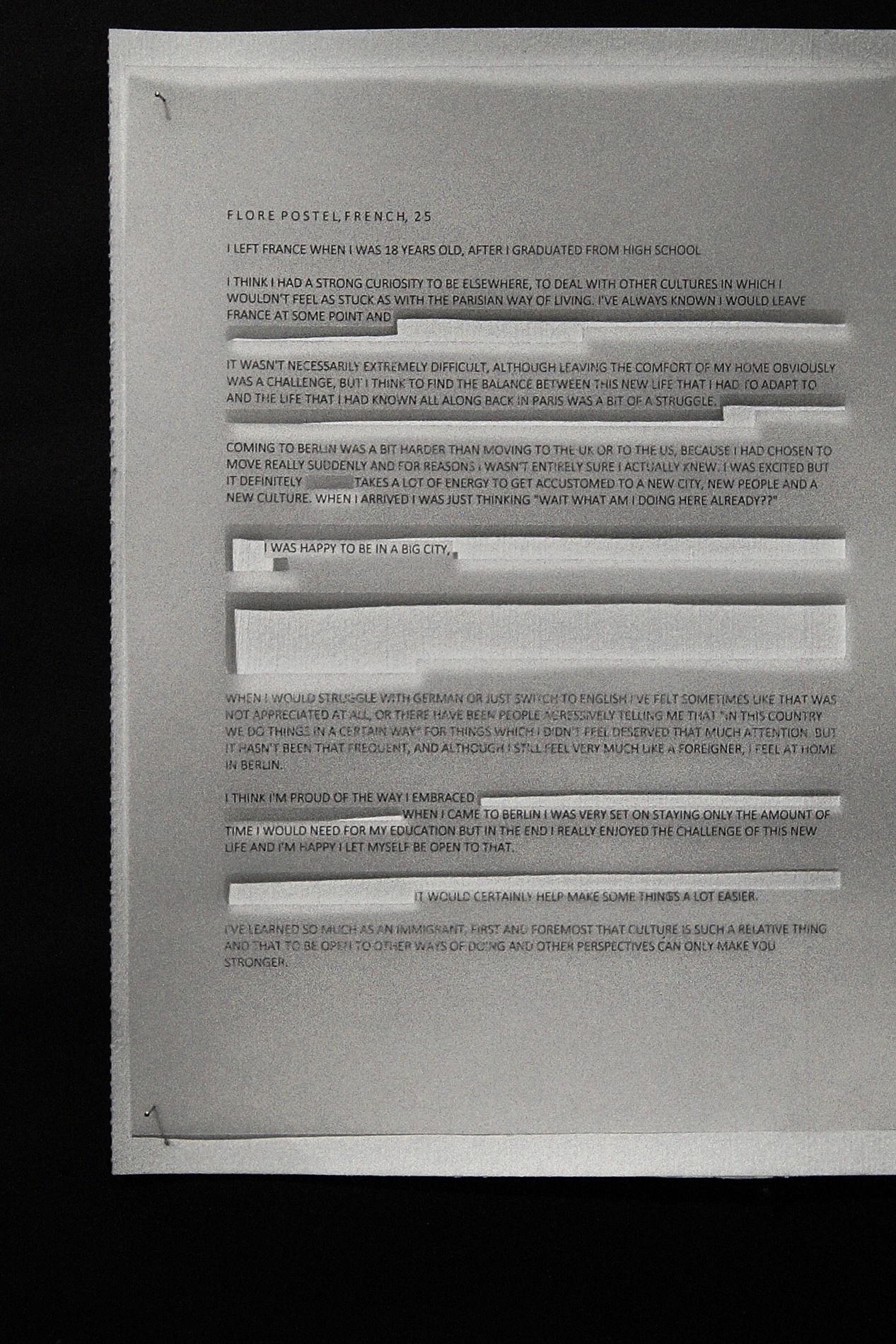
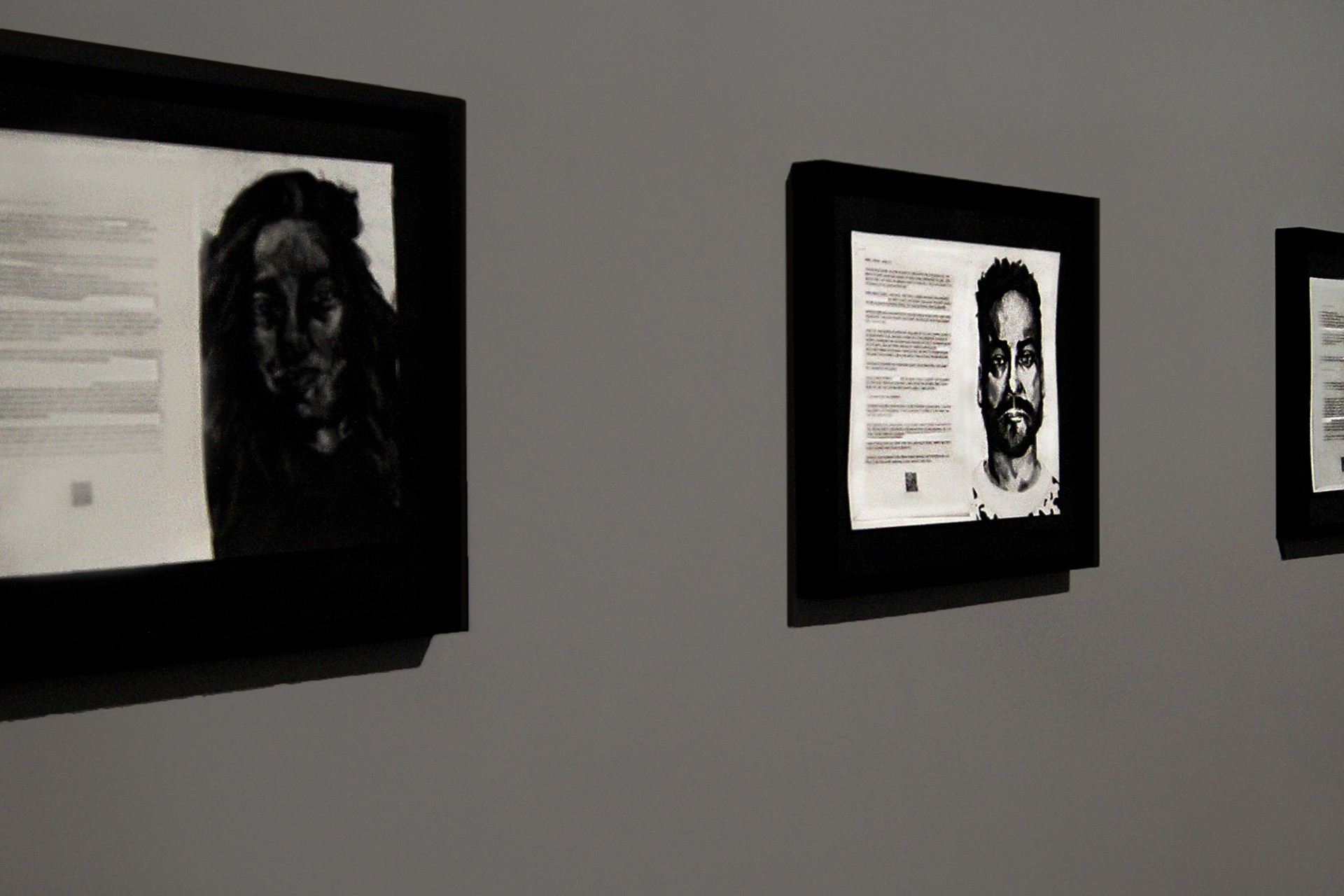
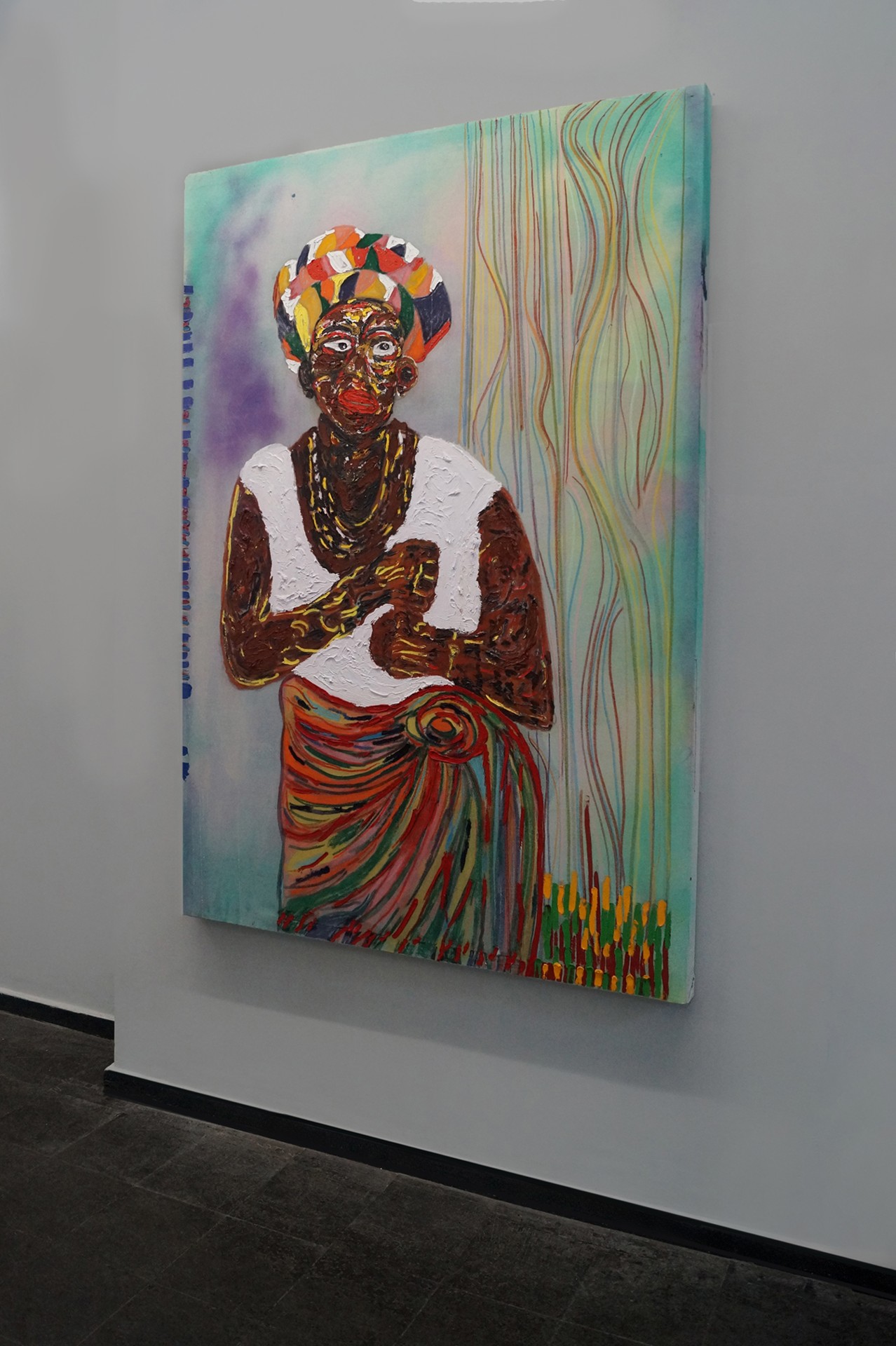
The exhibition Third Space invites viewers to delve into the fluid and evolving nature of identity through the lens of migration. It brings together Berlin-based artists whose works examine the complexities of existing between cultures, navigating shifting landscapes of belonging, and grappling with the ever-changing nature of identity in transit. At its core, the exhibition is shaped by Homi K. Bhabha’s concept of the Third Space—a transformative realm where cultures intersect, identities blur, and hybridity emerges. Here, migration is not just about crossing borders, but also about the internal landscapes that shift along the way. The self, exposed to multiple cultural currents, becomes fluid, continuously reshaped by encounters, losses, and reinventions. Through a dialogue between personal experience and research, the exhibition weaves together individual and collective narratives—stories of displacement and belonging, rupture and adaptation, alienation and joy. It explores how migration disrupts traditional notions of home, how identities are negotiated in unfamiliar contexts, and how art becomes a vessel for resilience, reinvention, and self-preservation. Beyond the artworks on display, Third Space extends into areas of shared reflection and dialogue in the exhibitions and through accompanying performances, talks and panels. The gallery transforms into a space of exchange, where questions about personal and collective sanctuary and expression are examined: How do we create space to simply exist? What does it mean to belong? What is lost—and gained—through migration? The journey unfolds as one of paradox—between longing and discovery, between integration and the fear of erasure. In dismantling fixed hierarchies, the exhibition reimagines the gallery as a dynamic environment of solidarity and conversation. By centering these artists’ voices, the exhibition reclaims agency over personal narratives, a kind of Anzaldúan Autohistoria, a form of storytelling where blending personal histories becomes a form of resistance. It immerses viewers in the complex, deeply personal experience of displacement, adaptation, and resilience. Through collective storytelling and artistic expression, it invites viewers to challenge dominant narratives while fostering a shared space for reflection and solidarity