- The Paradoxes of Time
- 09 Oct ― 08 Nov 2026
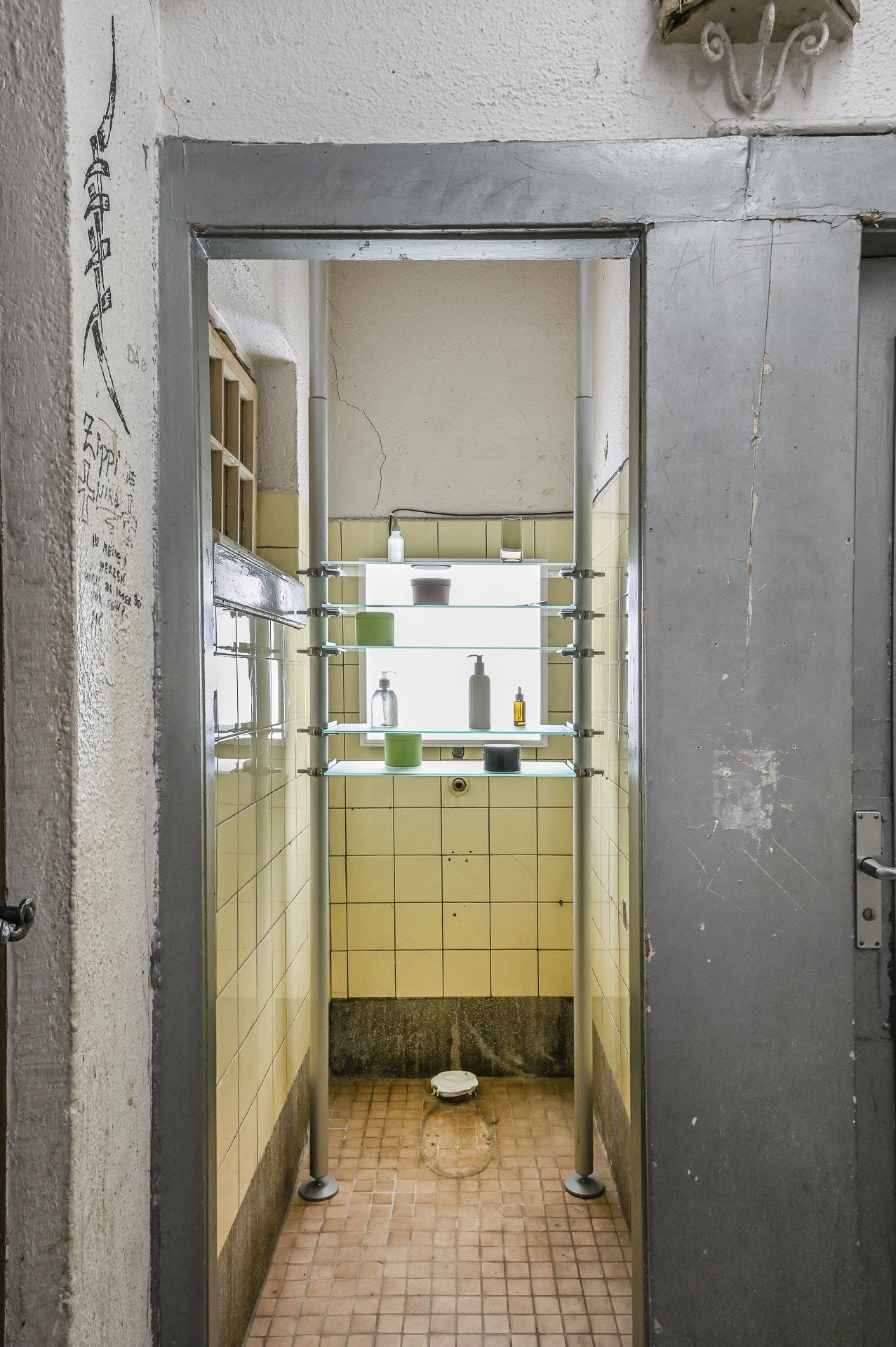
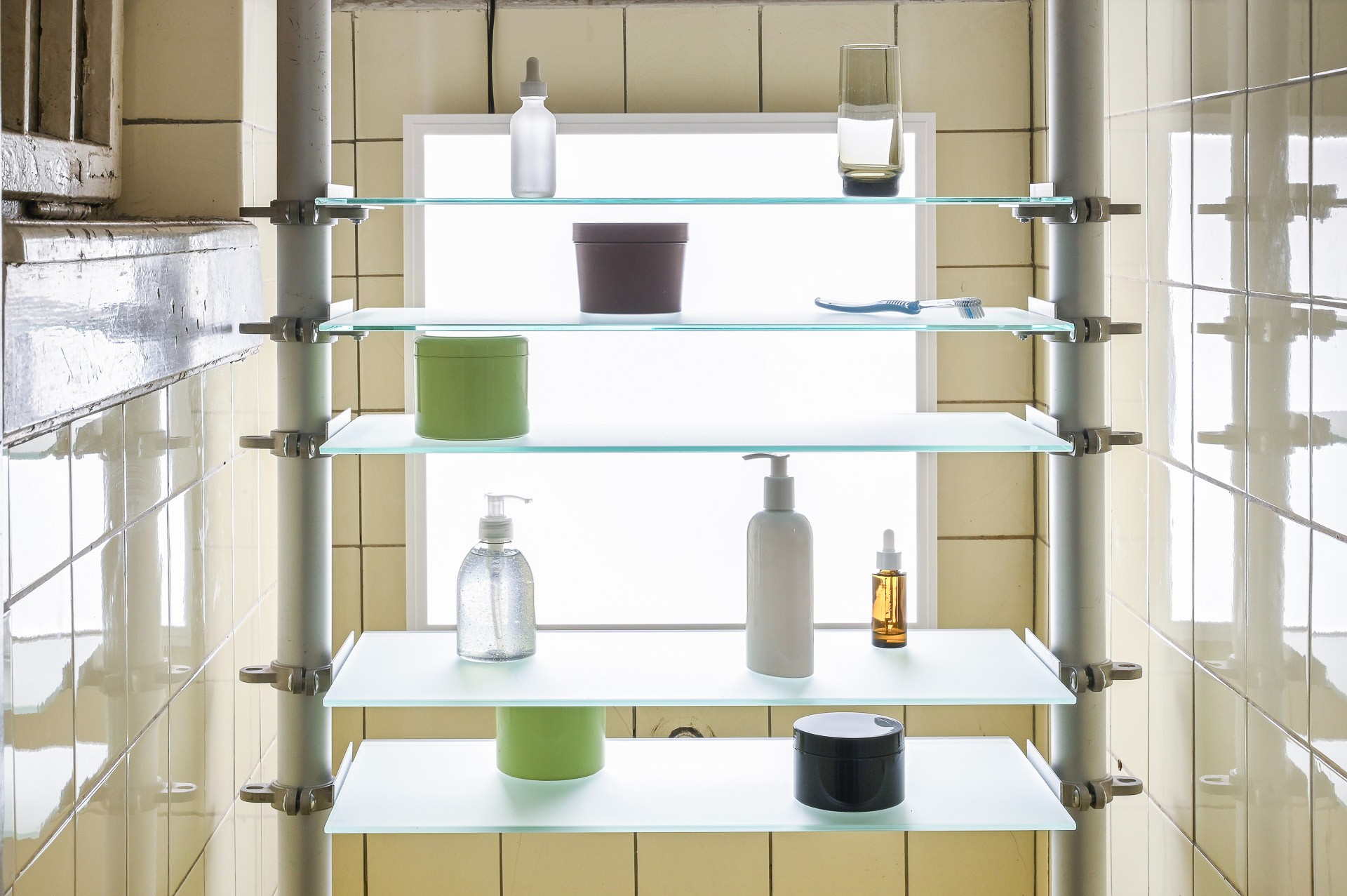
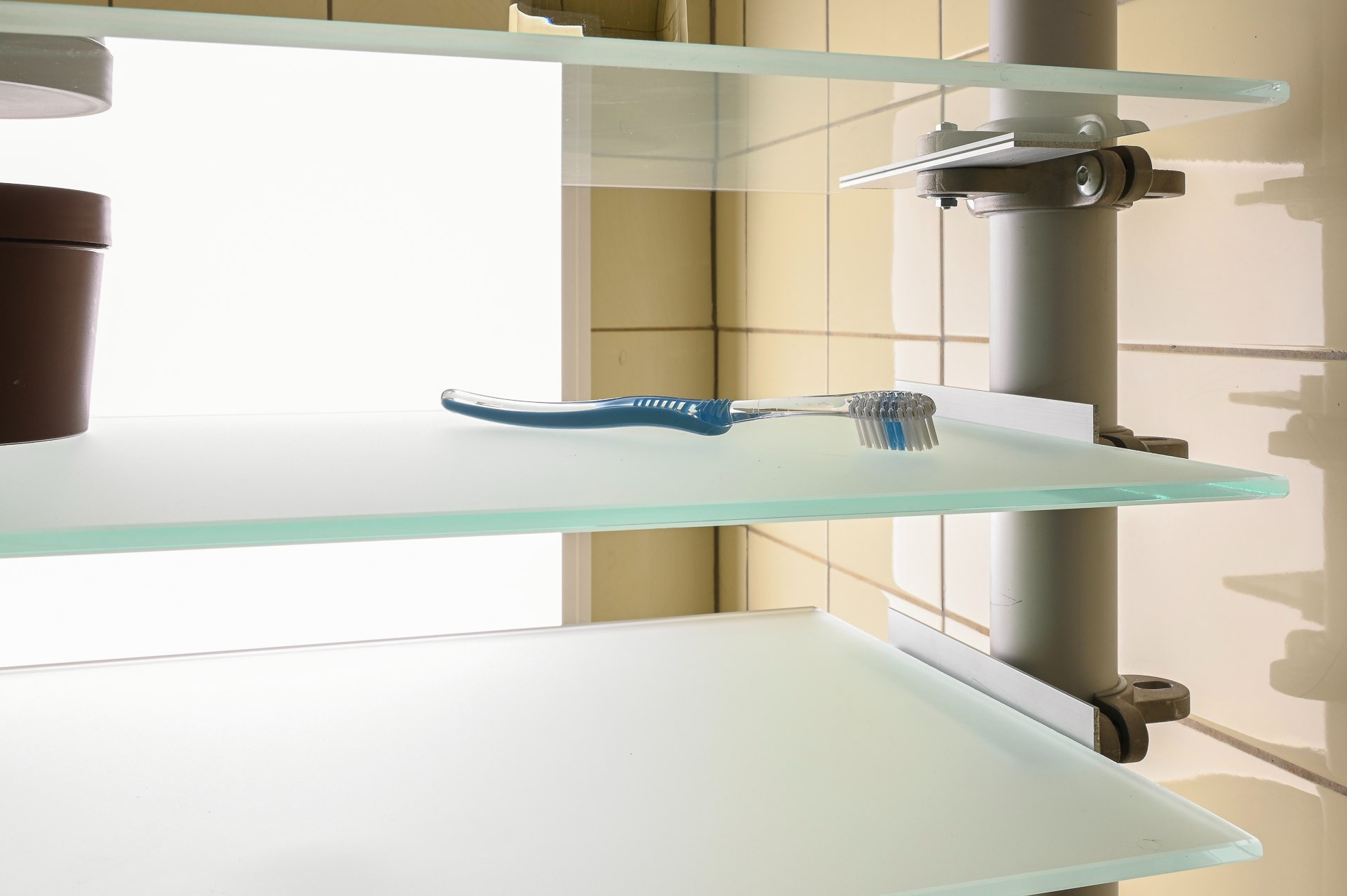


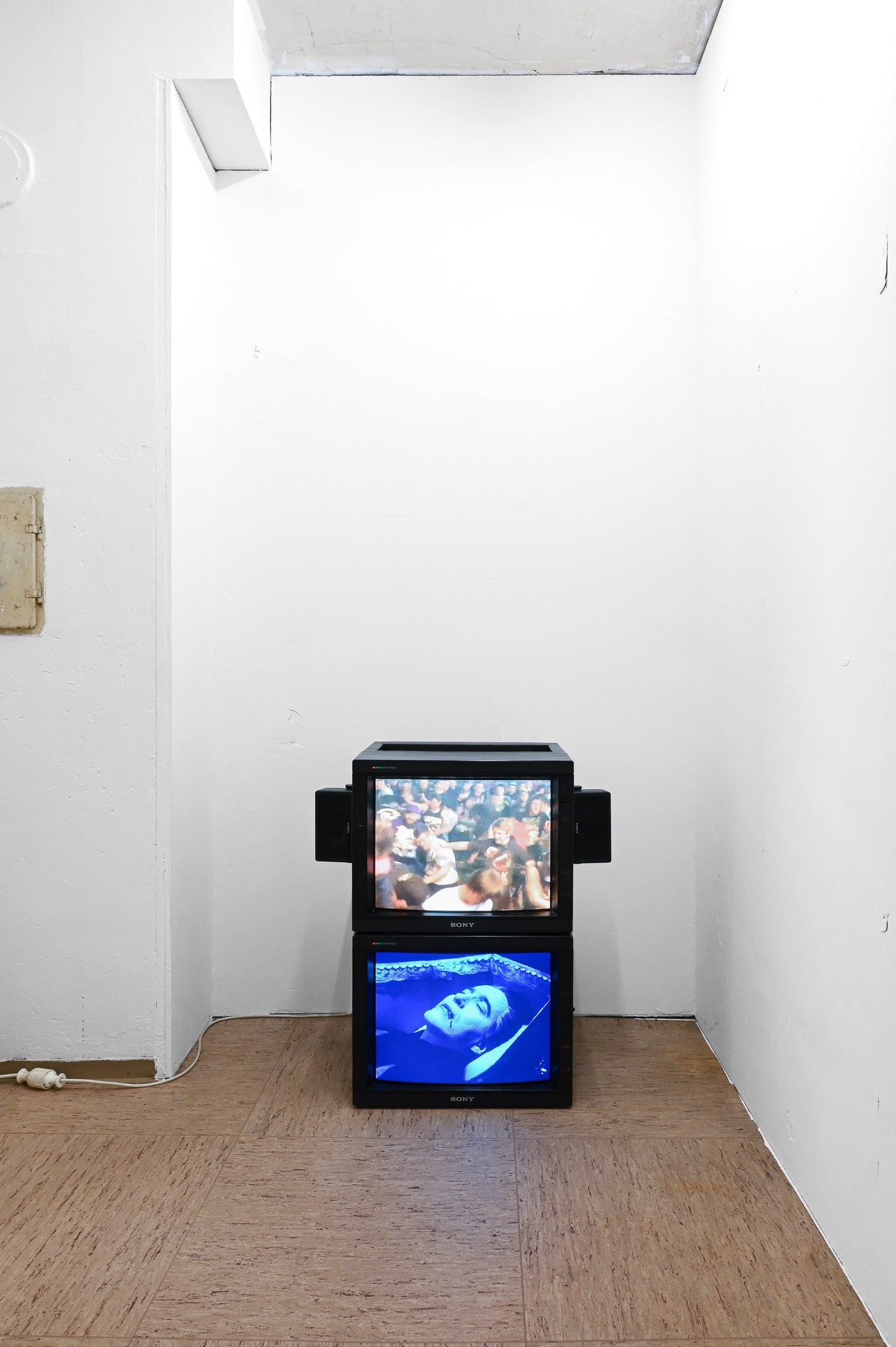
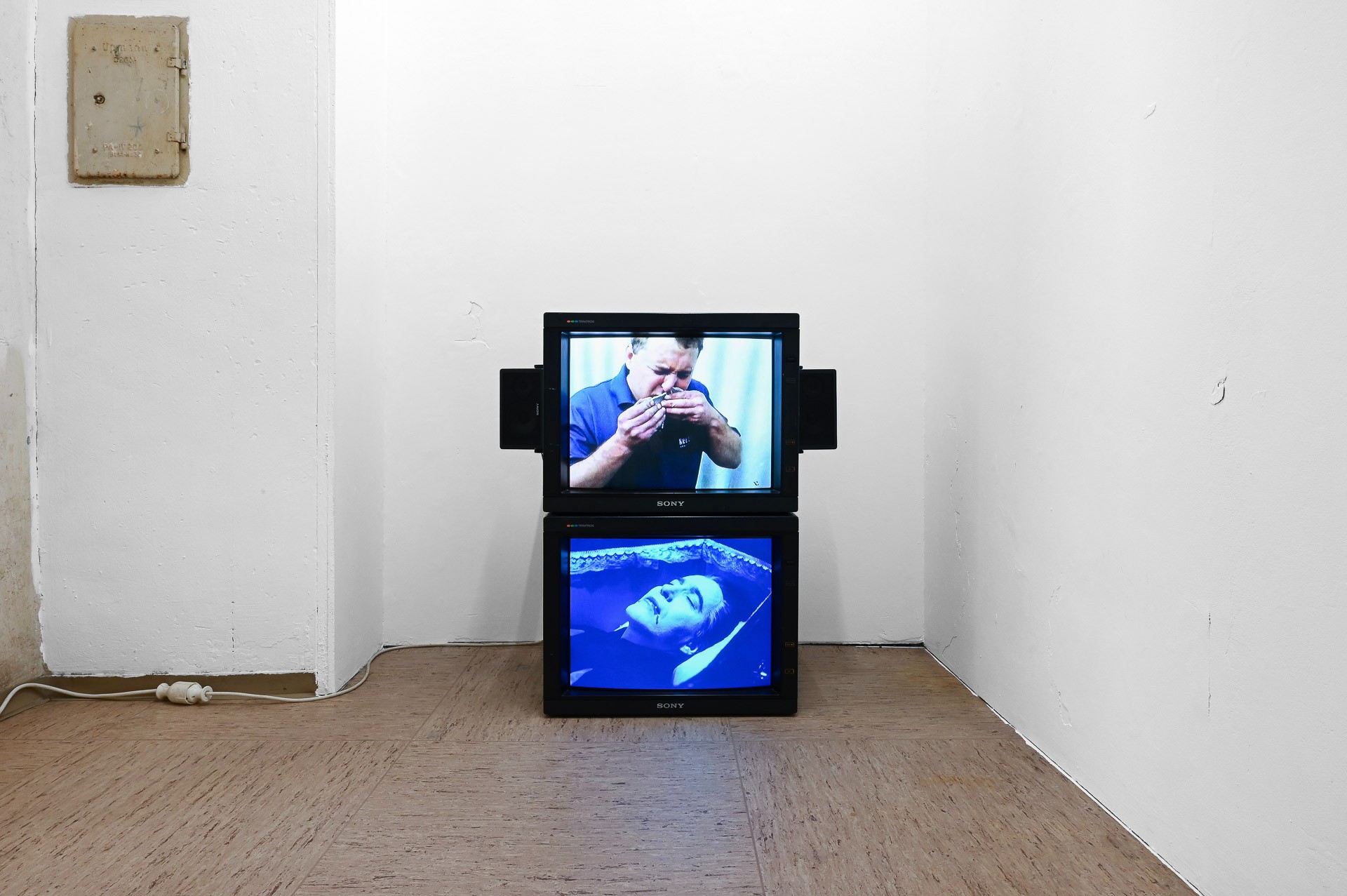
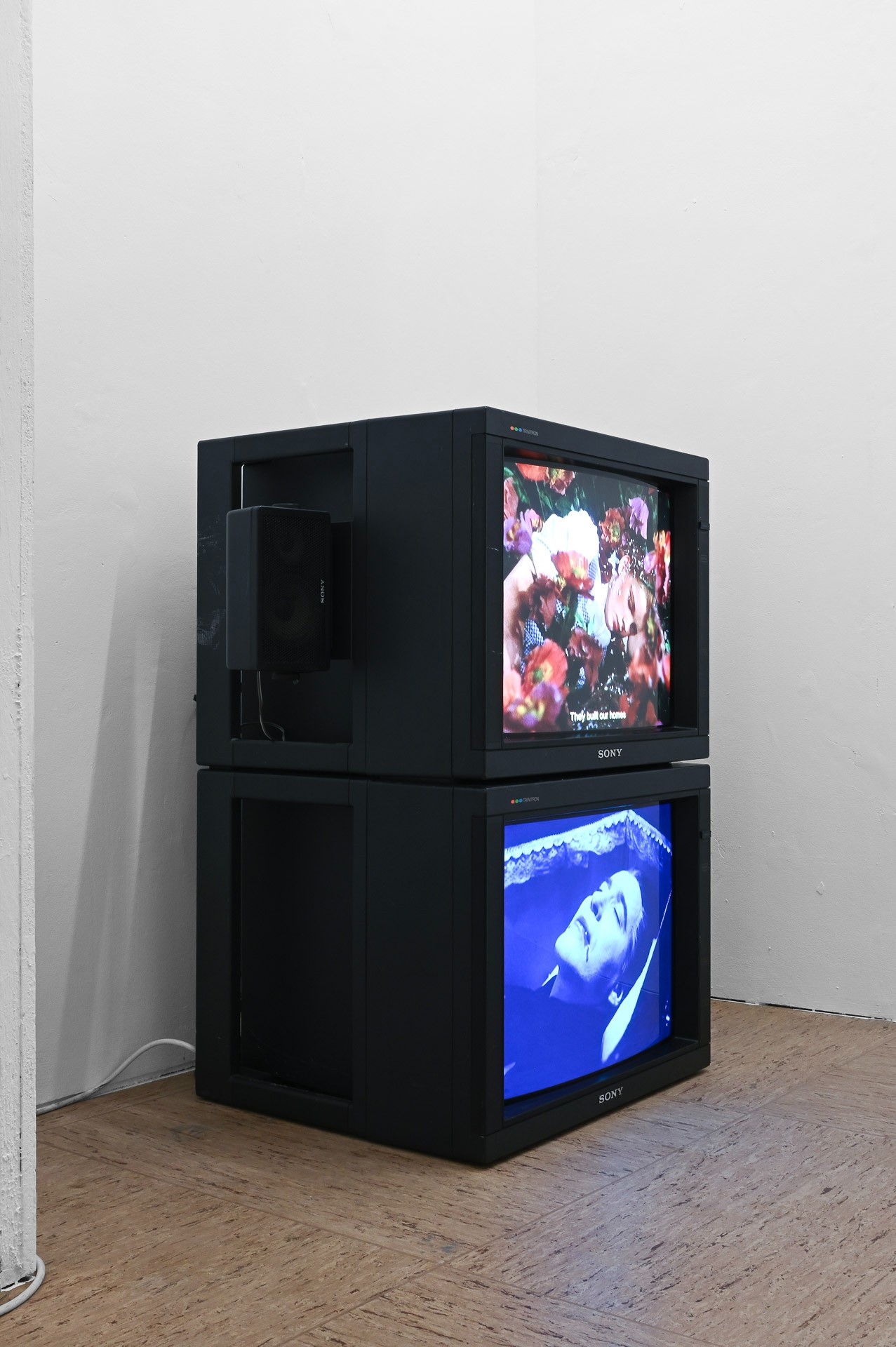
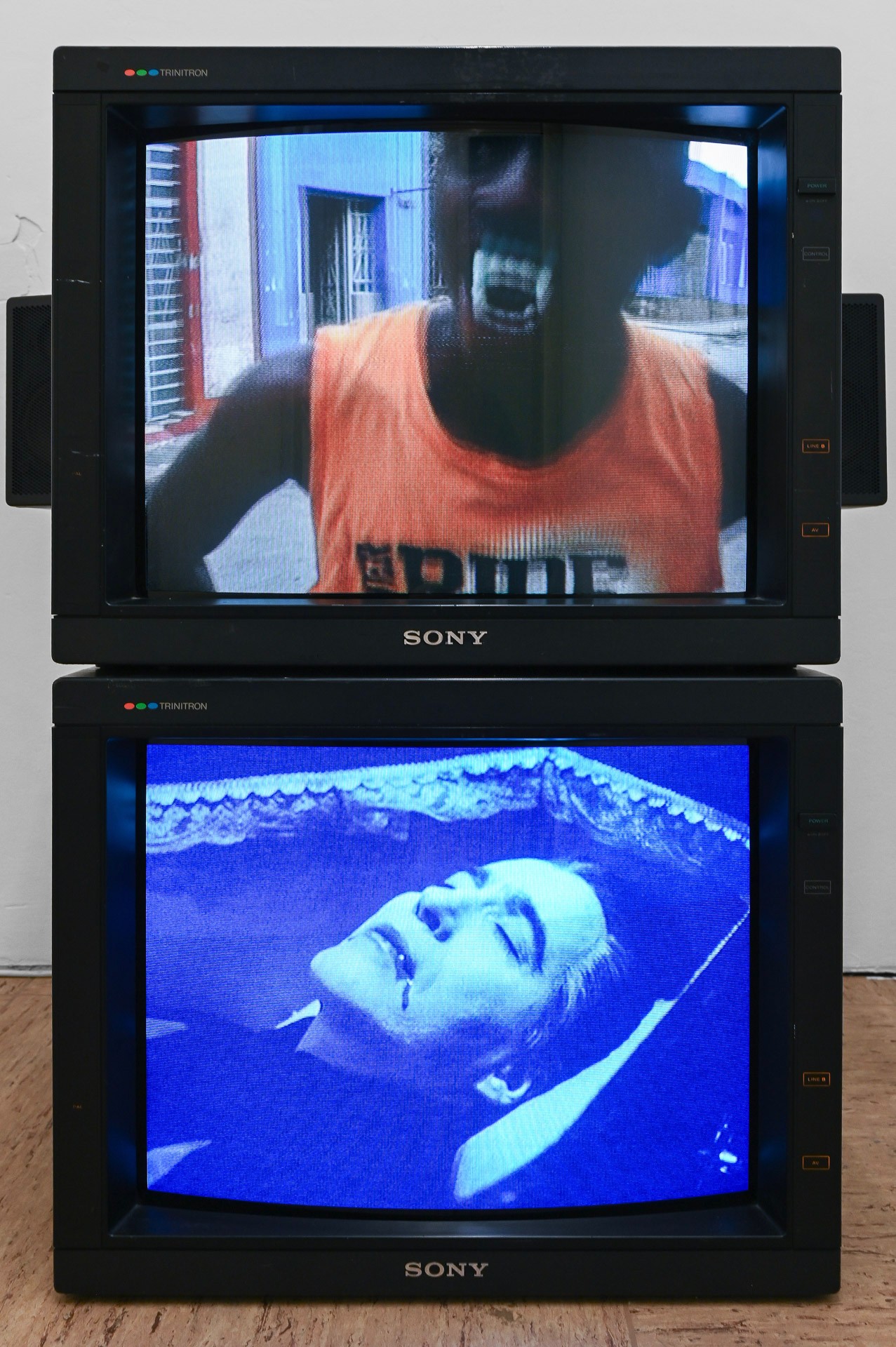
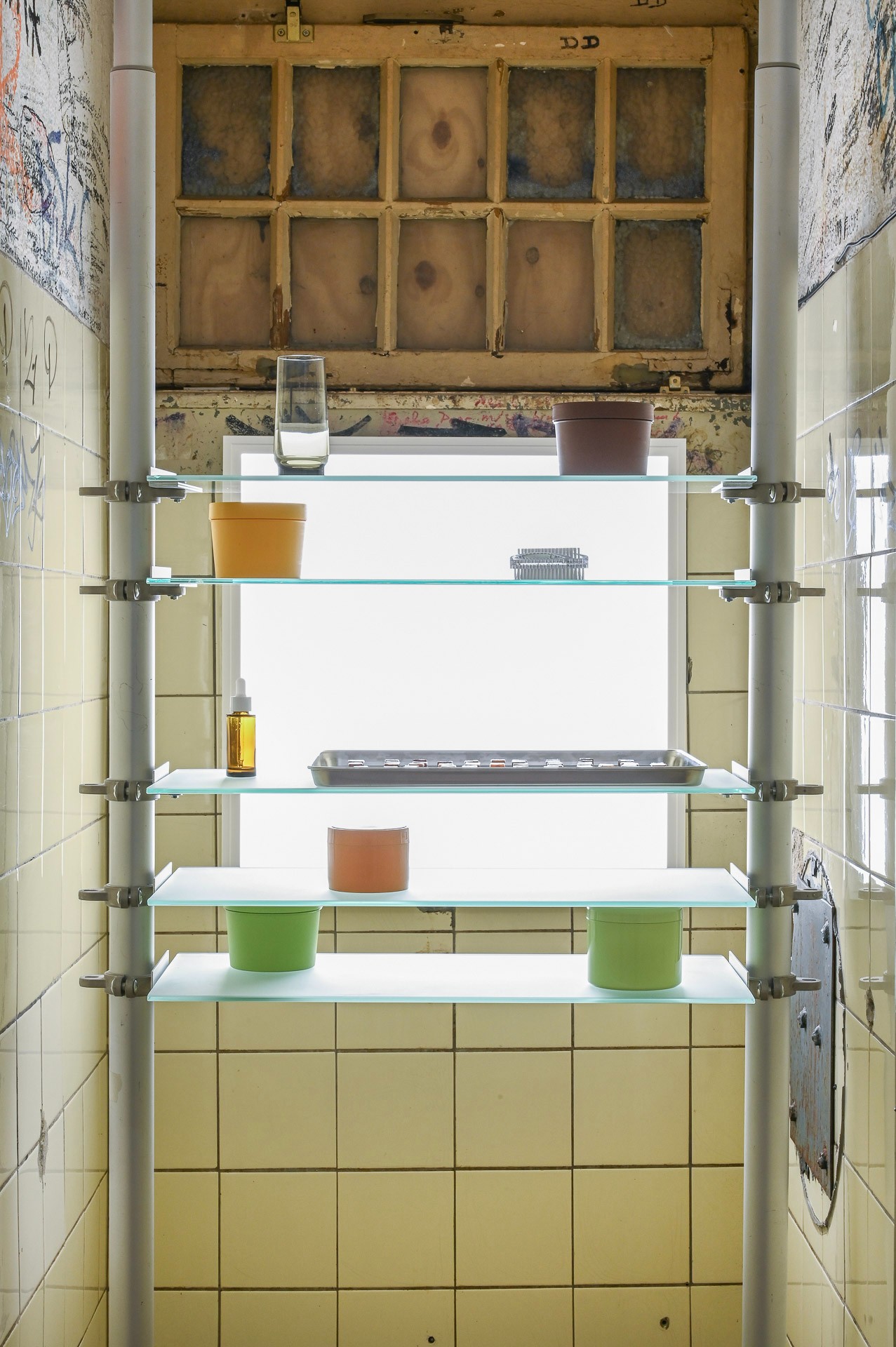
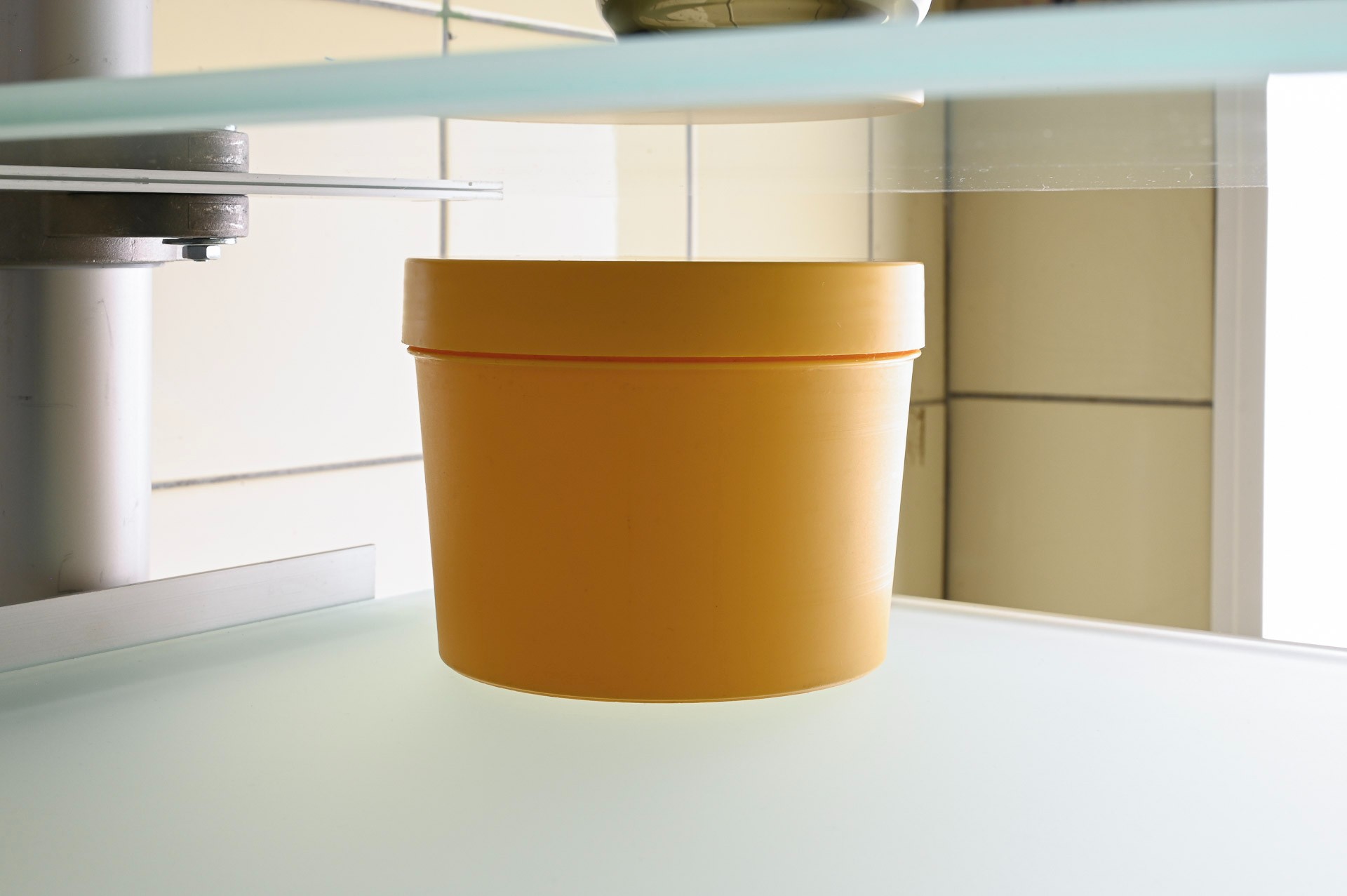
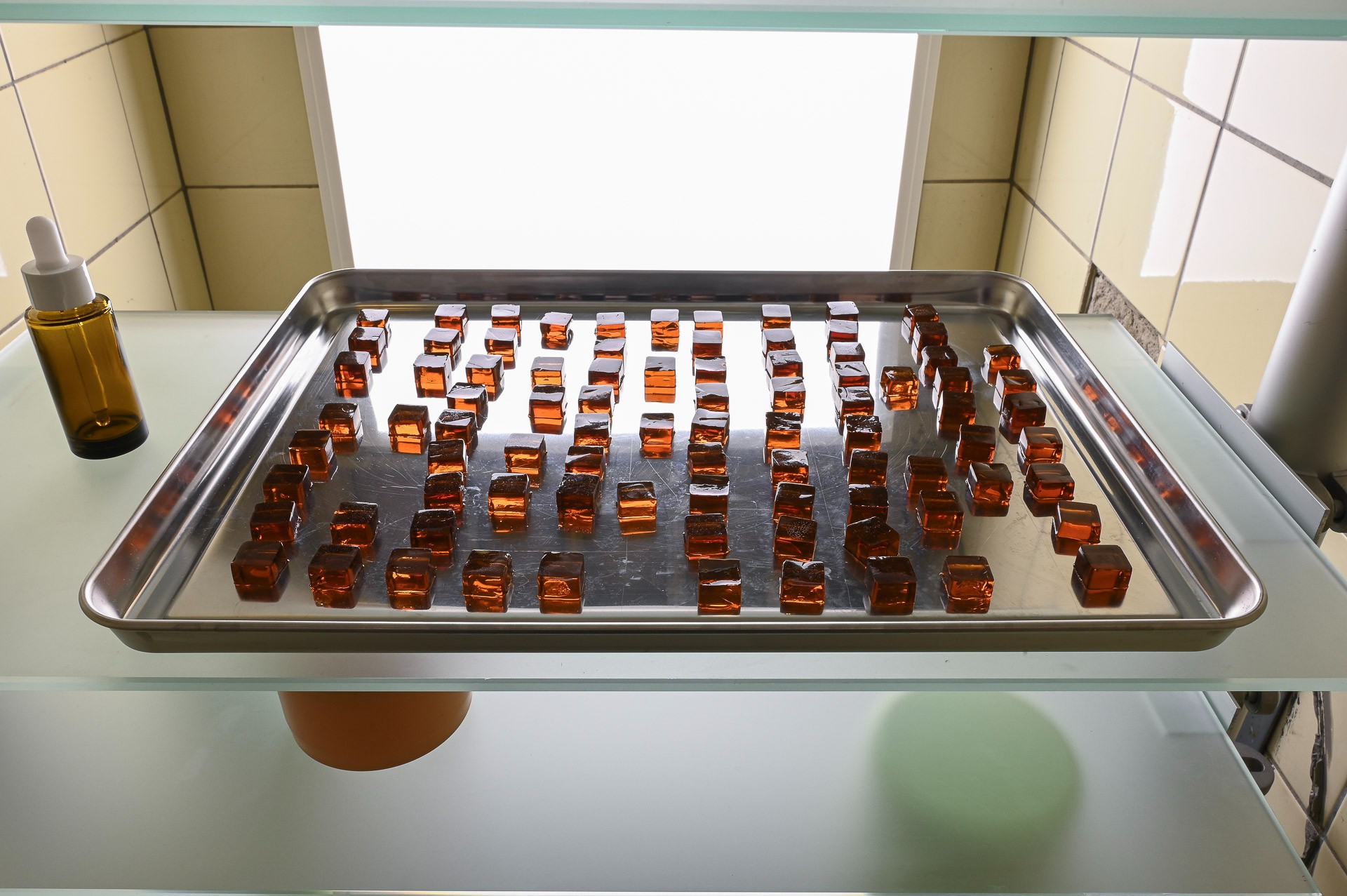
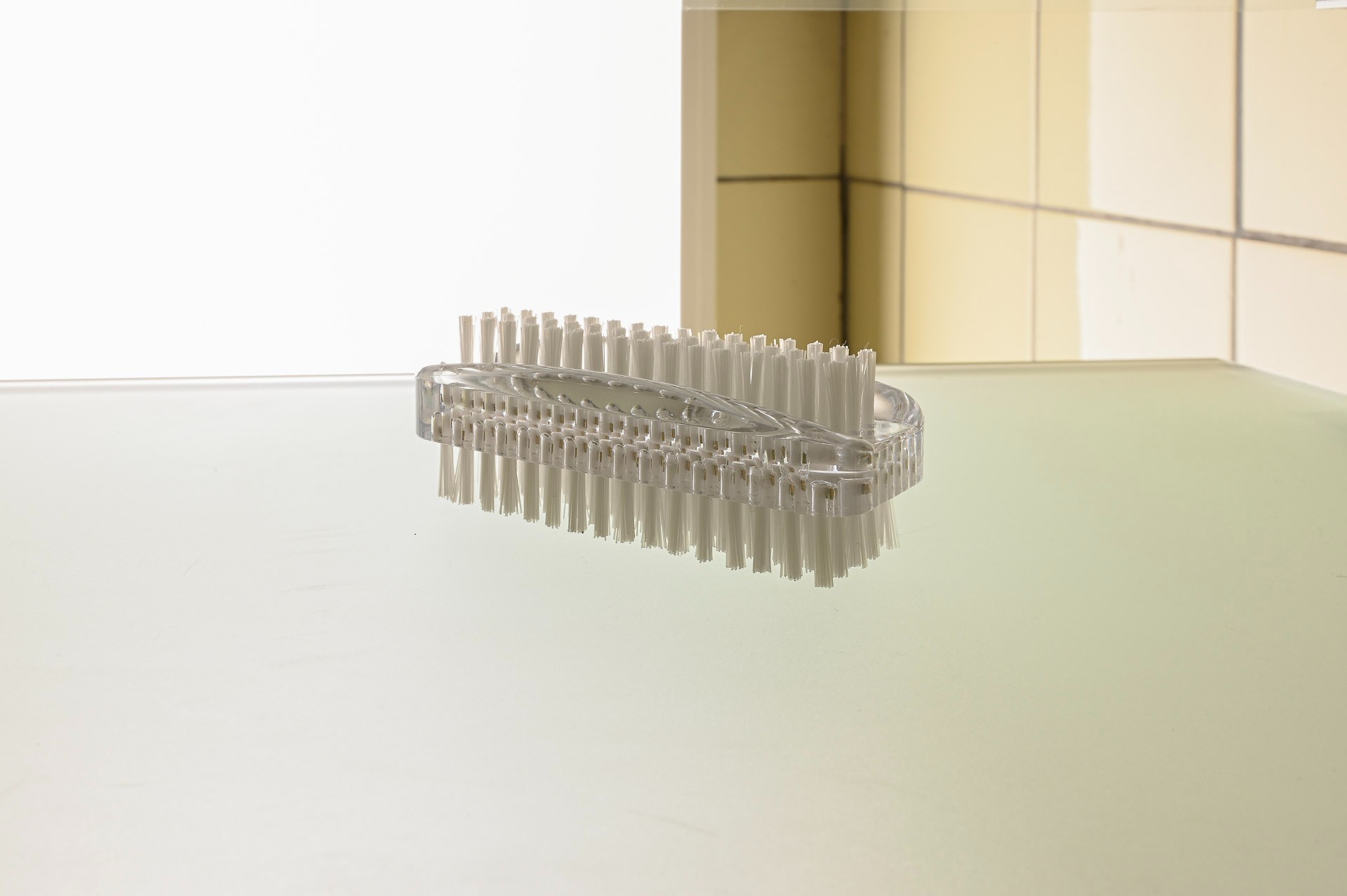
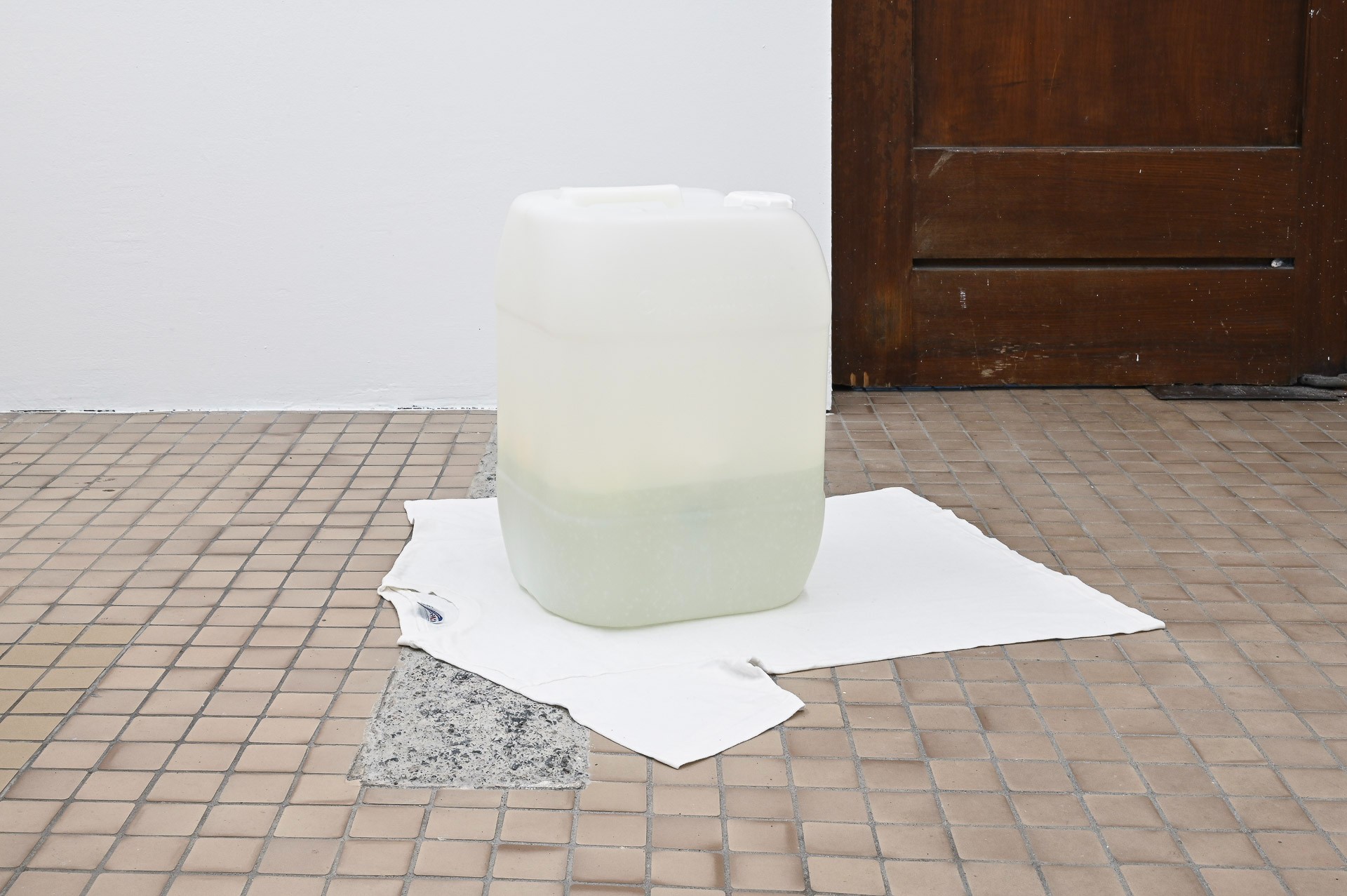
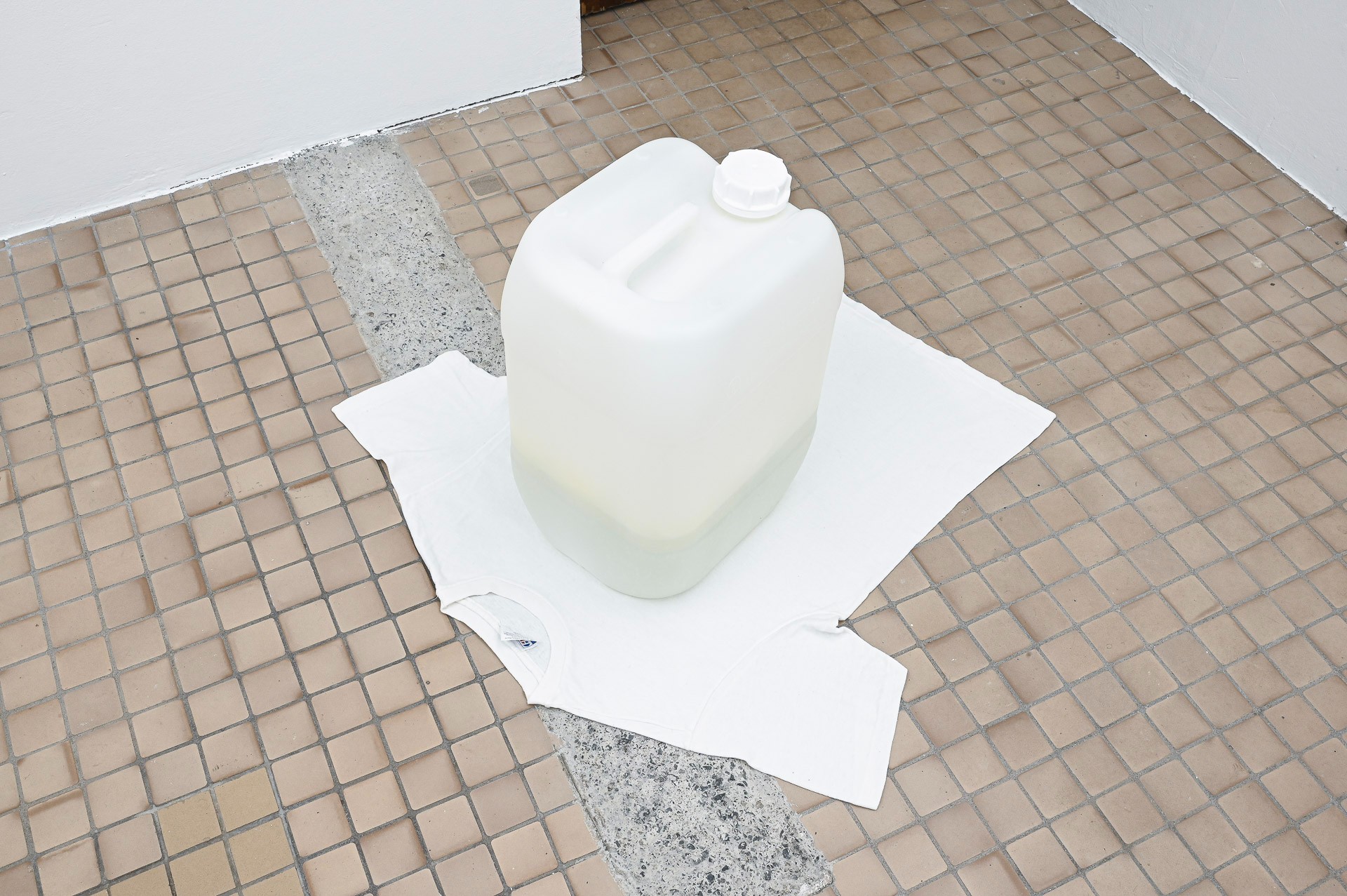
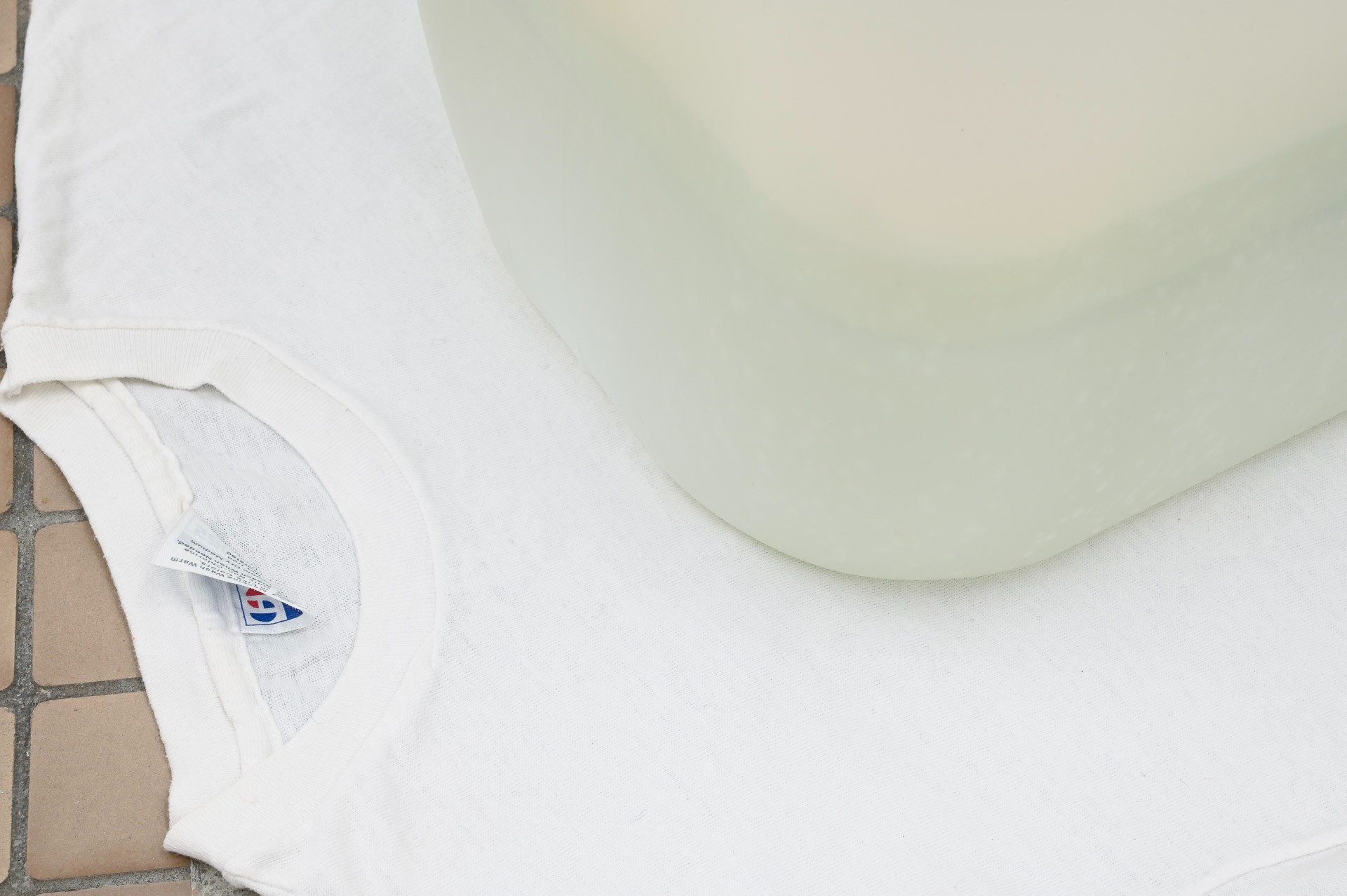
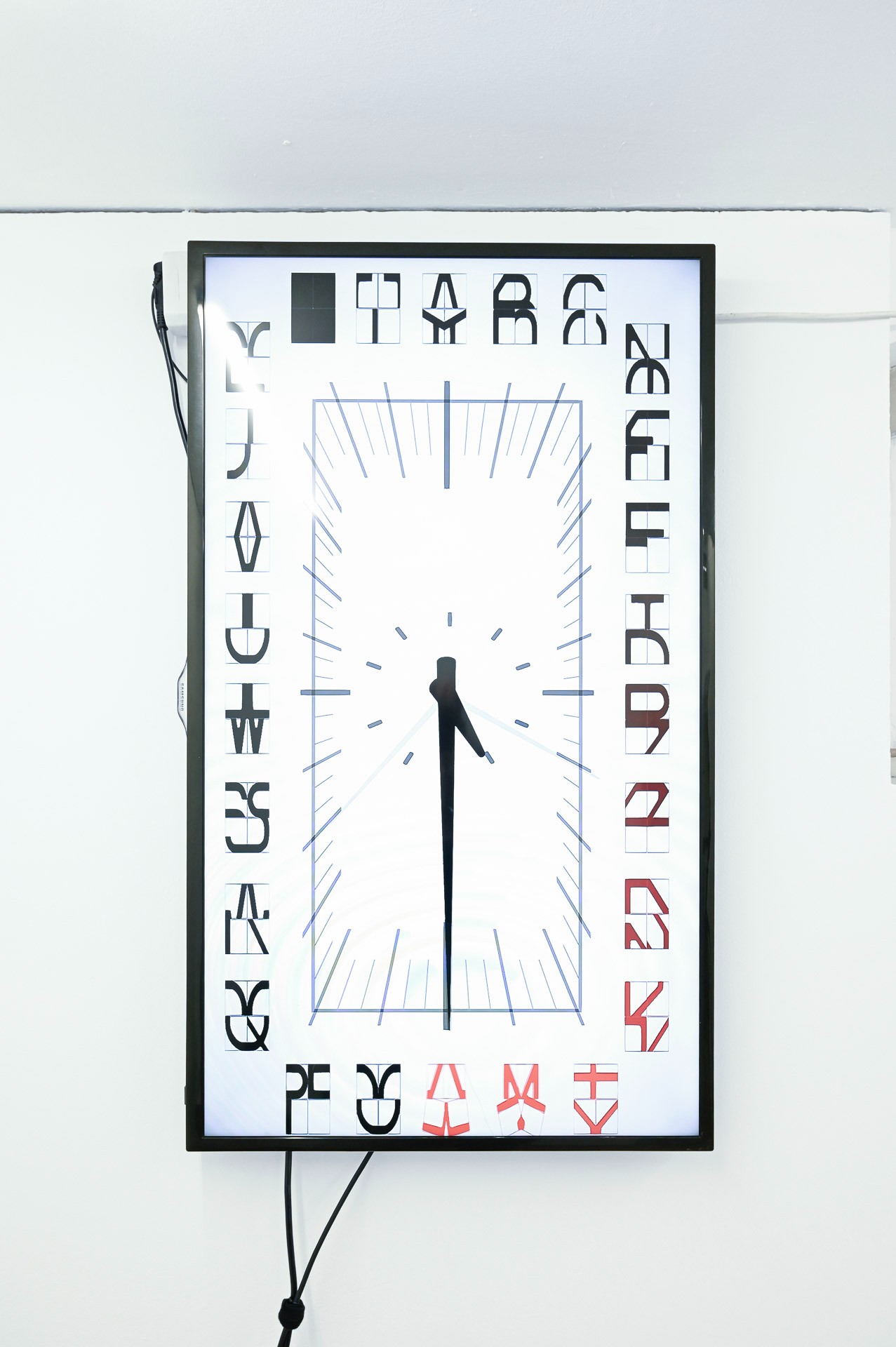
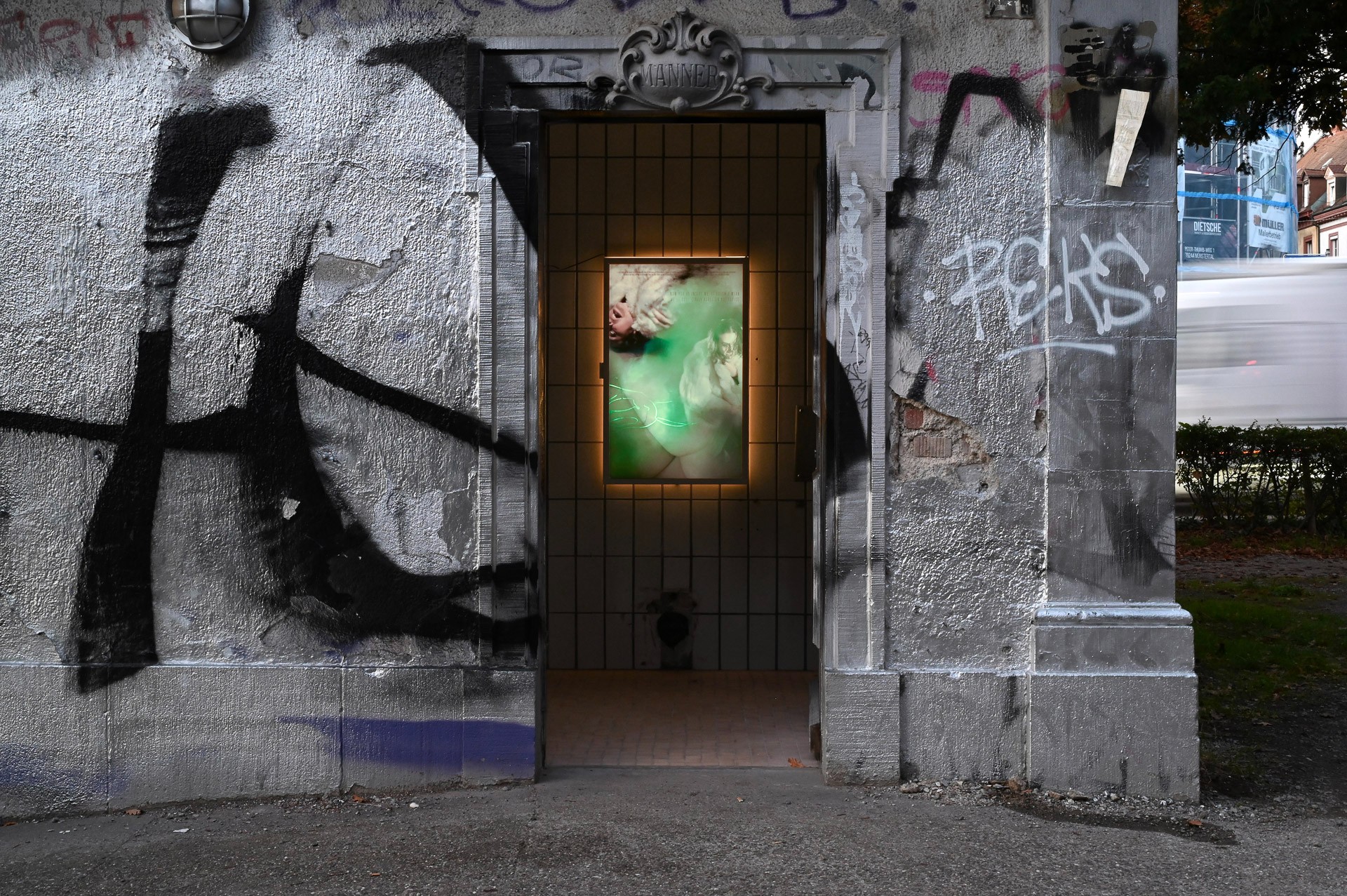
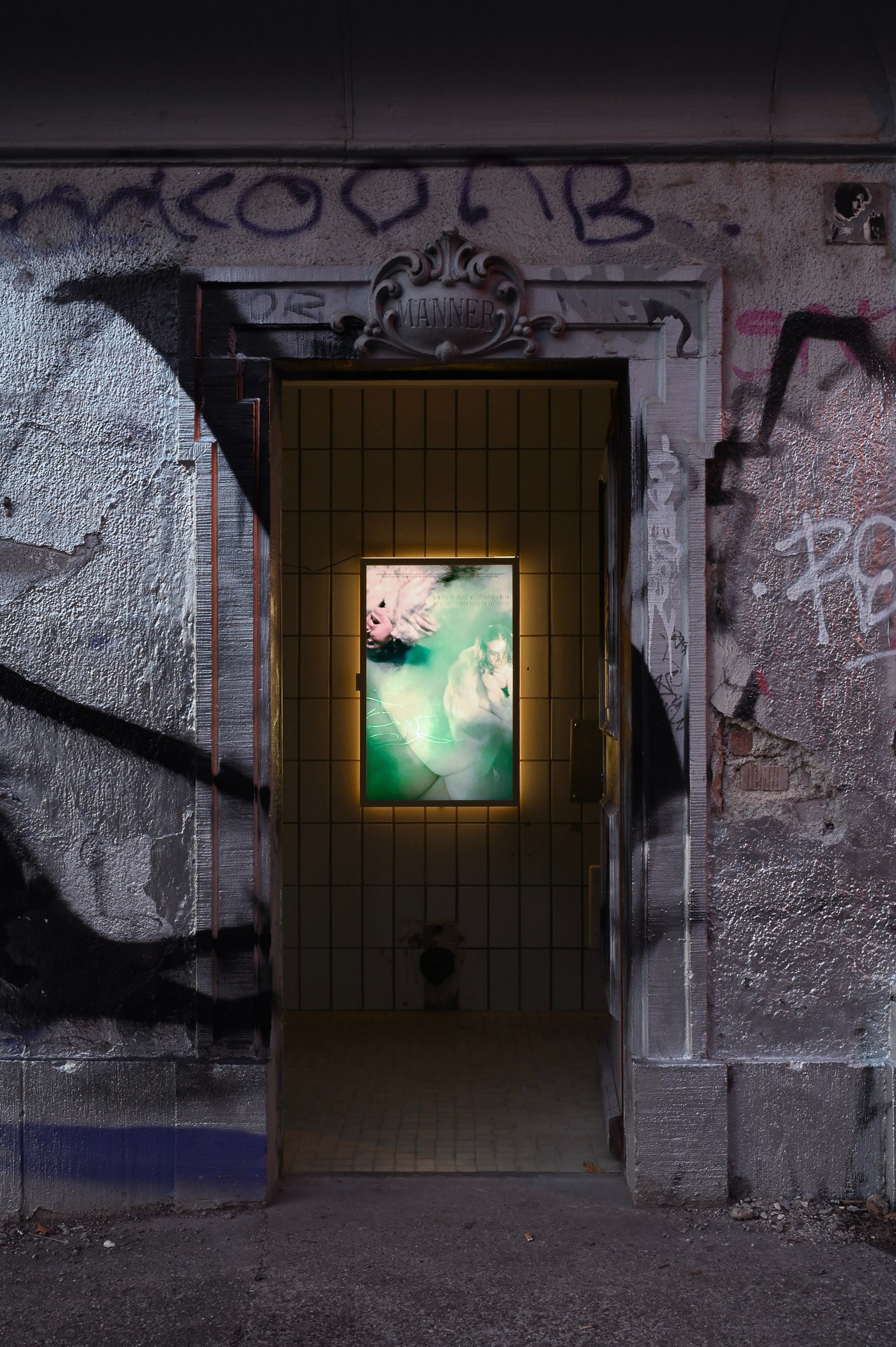
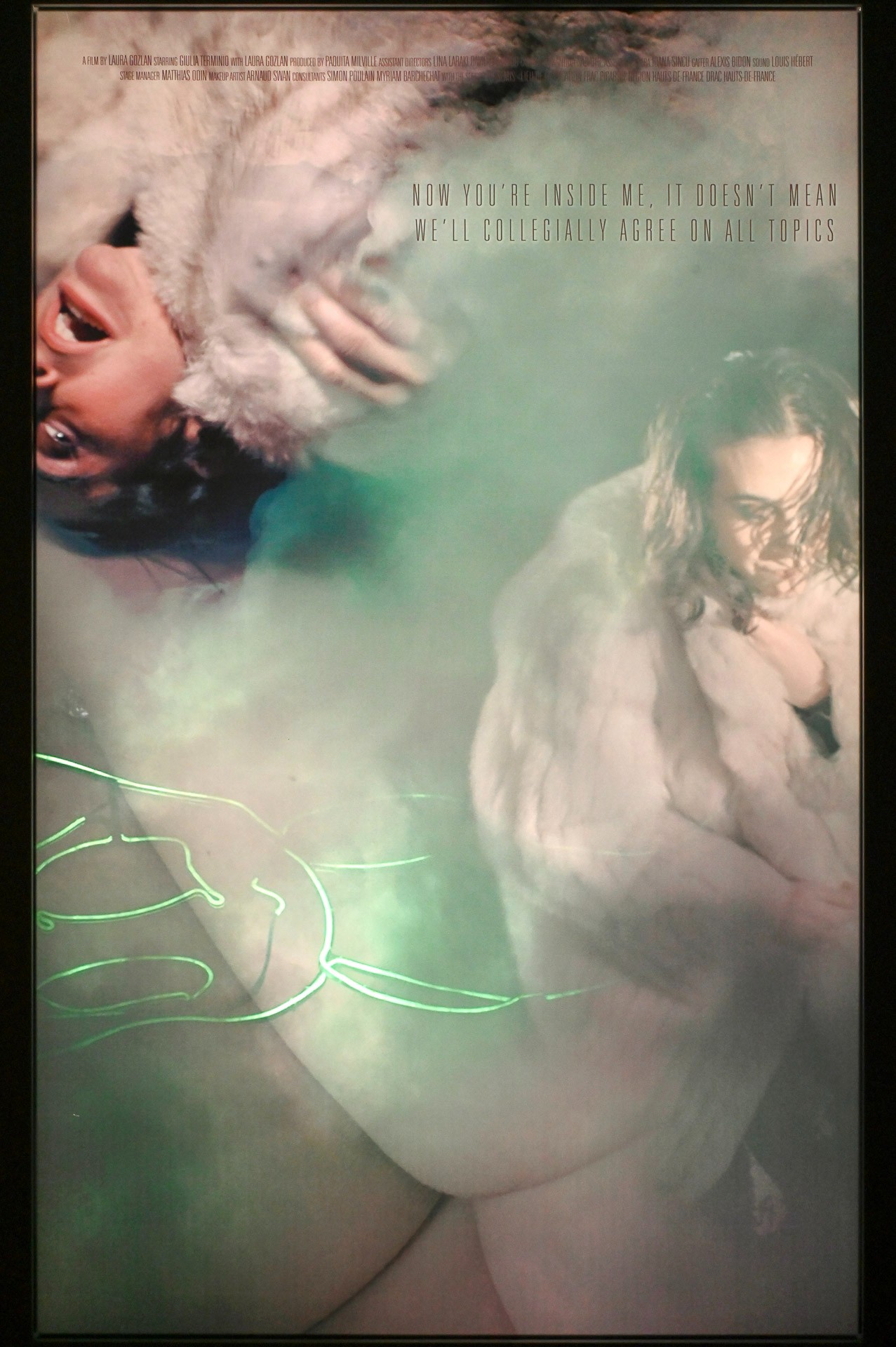
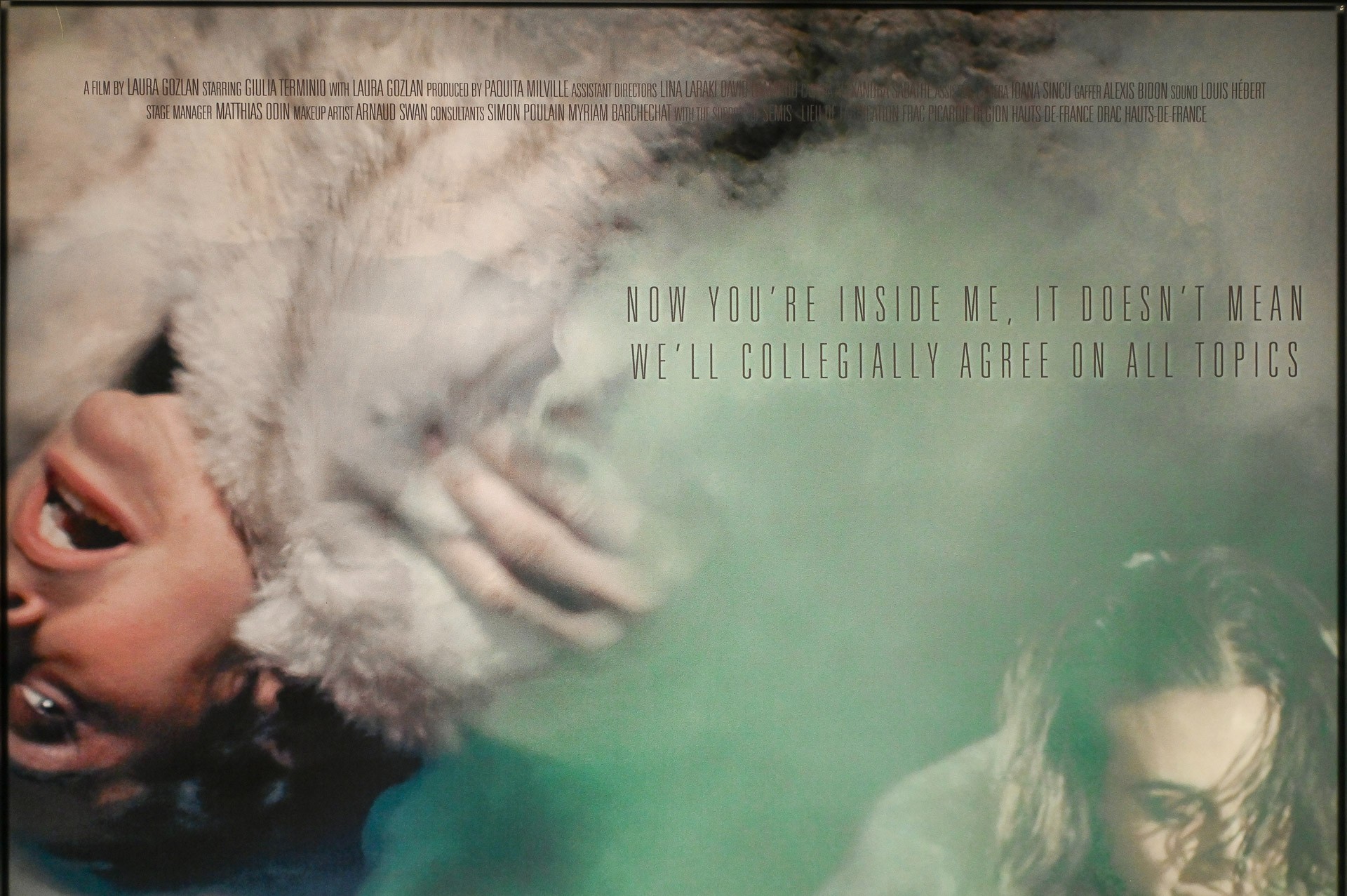
{the stops broke loose from the skeleton of the timetable, and the train floated past the cemeteries towards Gare Saint-Lazare}
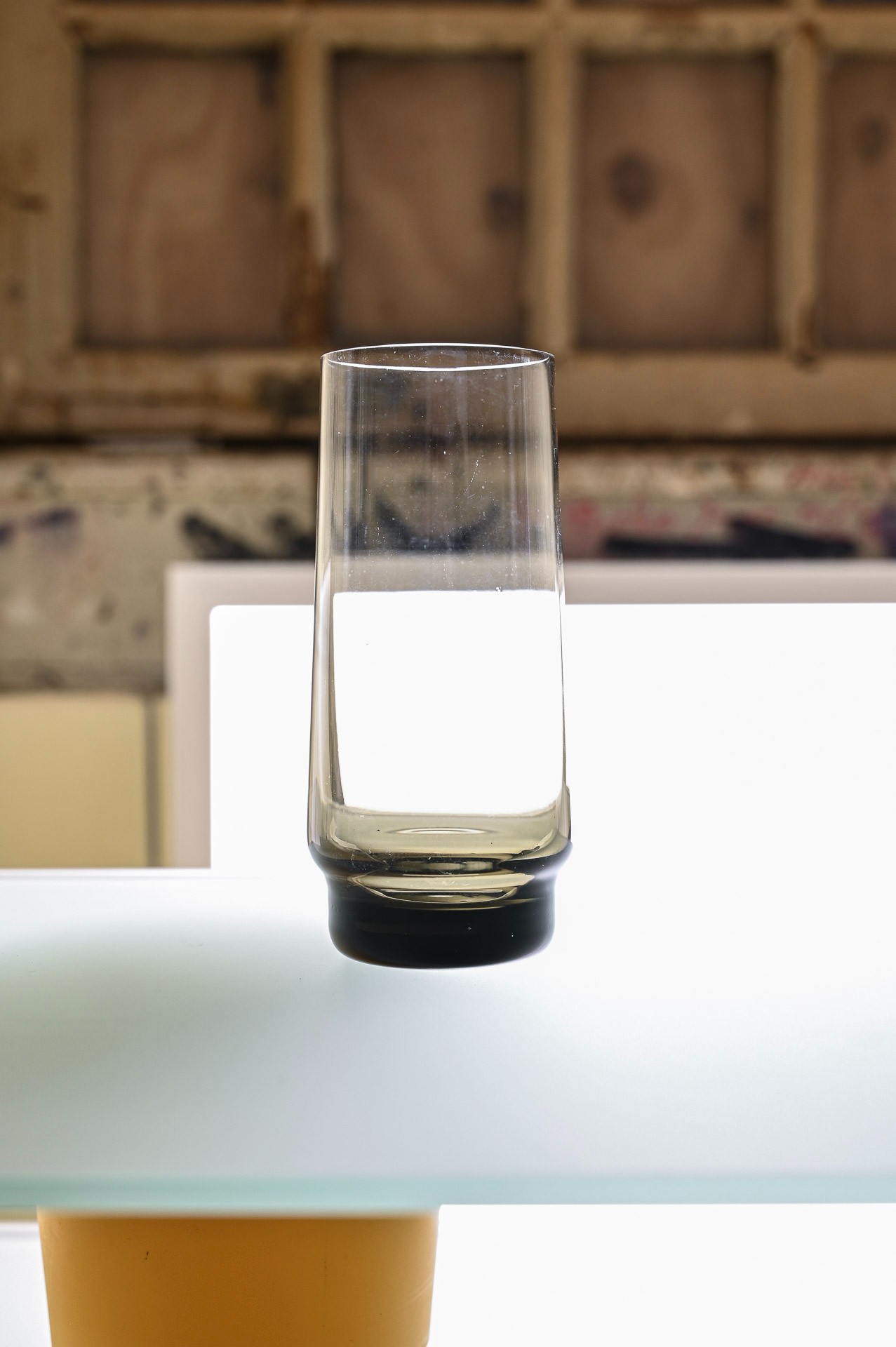
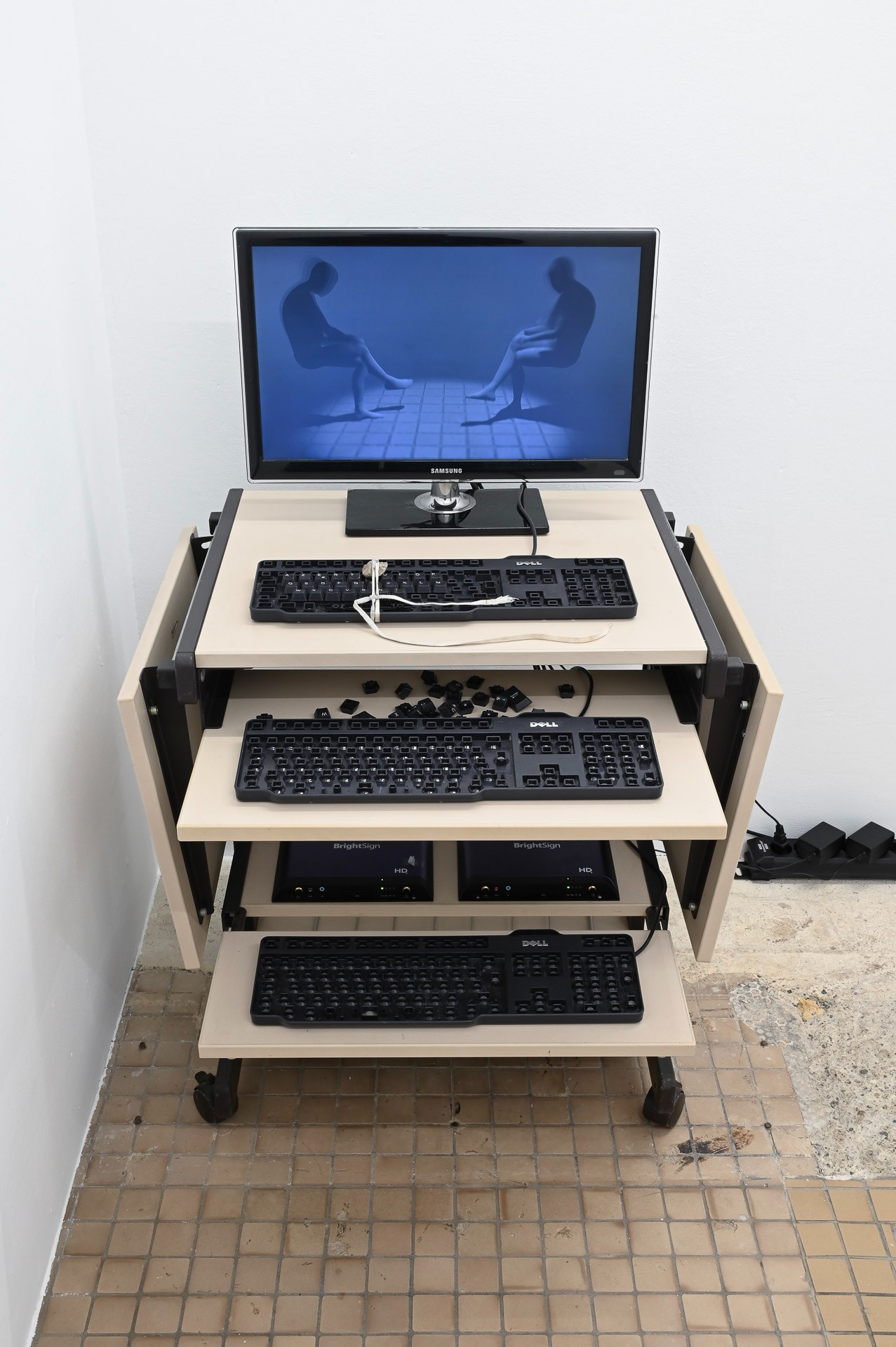
Ring-ring, it’s a delivery guy. There’s a box for you, but look what’s in it. Two chambers, a small gate connecting them, substance whirling from hot to cold. Beside it, a being attends the passage. Maxwell’s demon watches the particles approach and sorts them by speed. Through minute acts of admission and refusal, it appears to sustain a difference that would otherwise dissipate. Energy accumulates into questions: what is to be preserved, under which conditions, and at whose expense.¹
In Thomas Pynchon’s "Entropy," two apartments on different floors accommodate divergent attempts to inhabit time. A carefully maintained enclosure upstairs shelters a private climate with a dying bird, while below a party is blossoming. The proximity brings circulation and isolation, expenditure and preservation into a scratchy relation.²
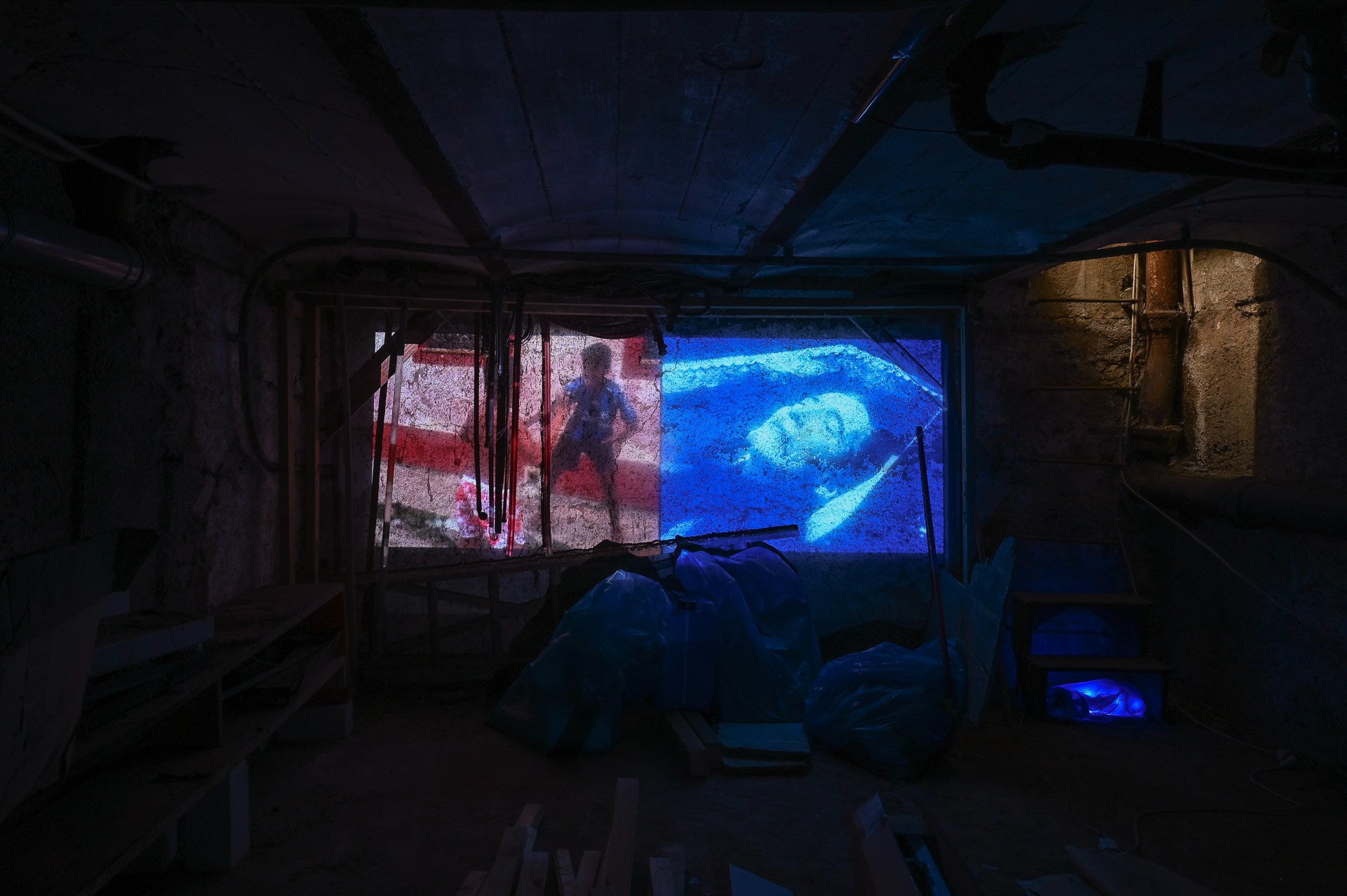
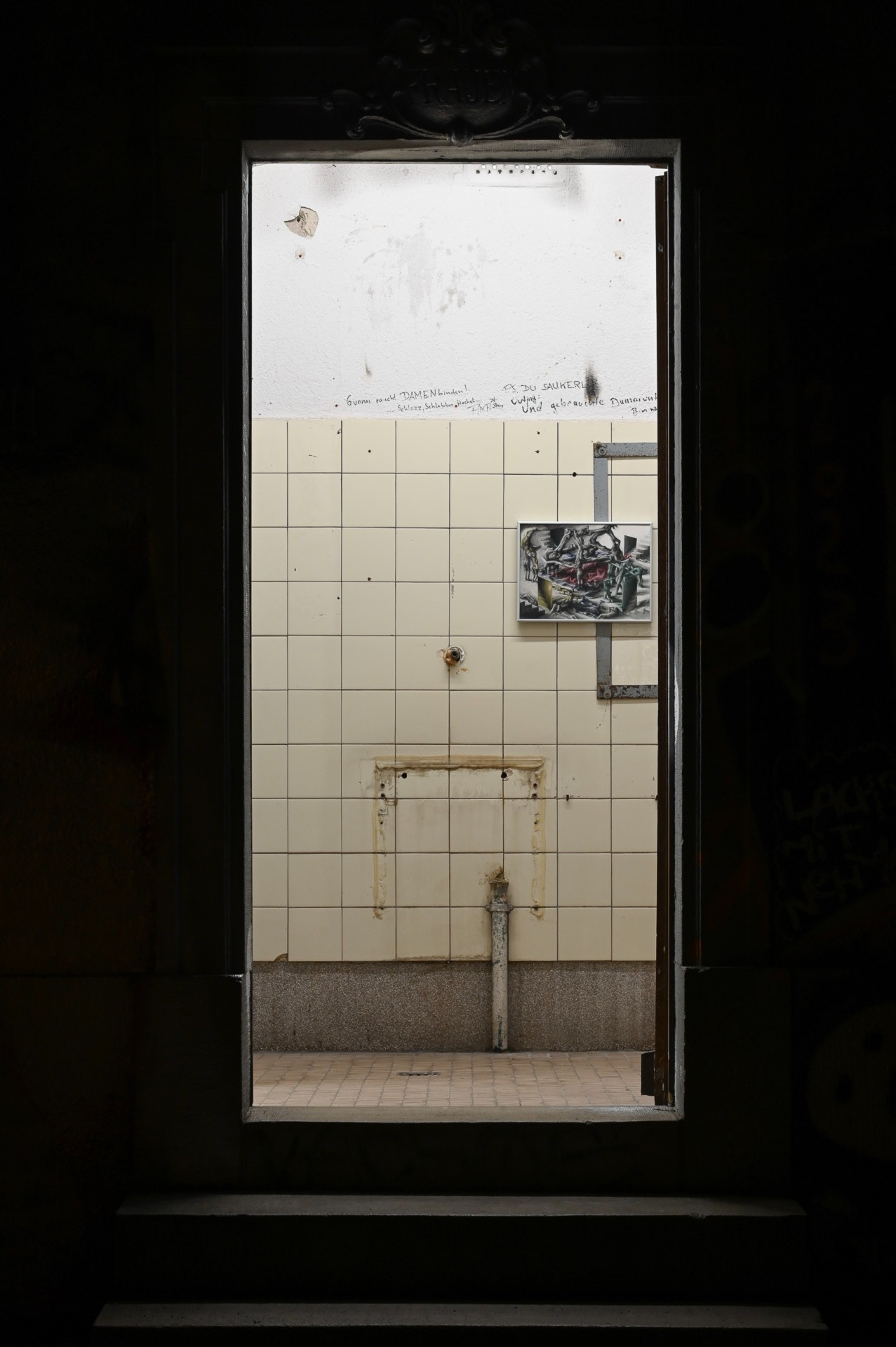
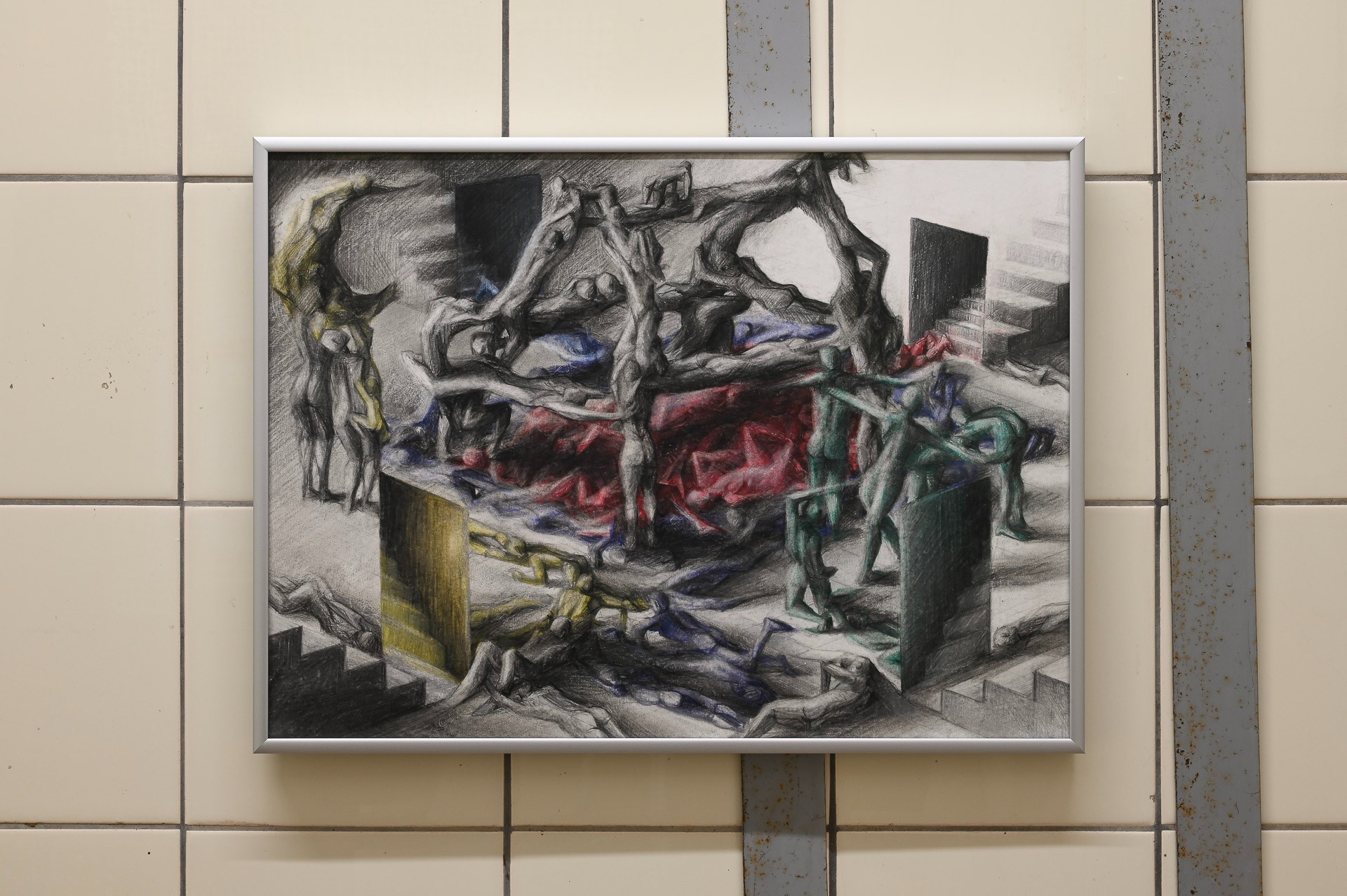
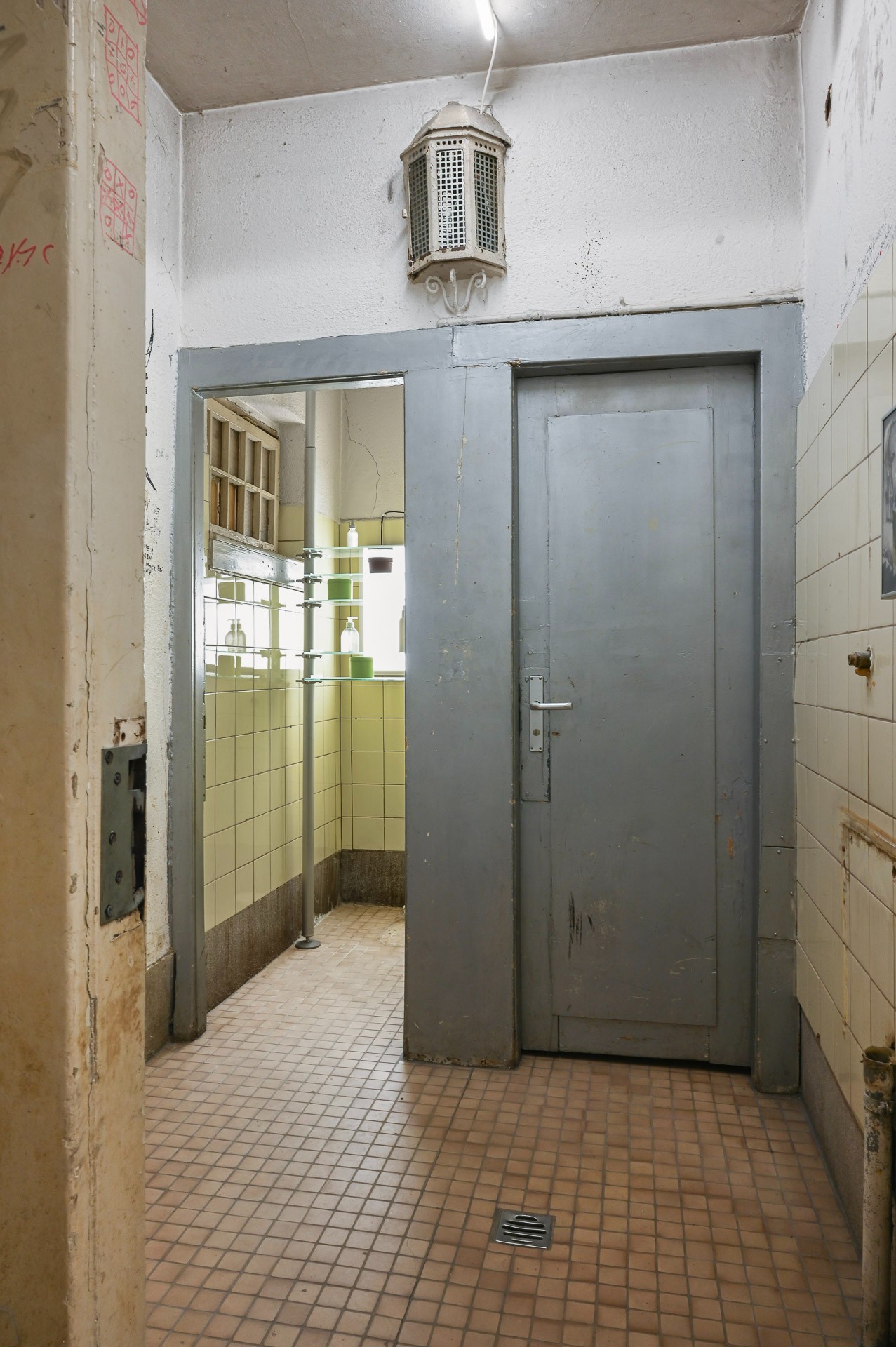
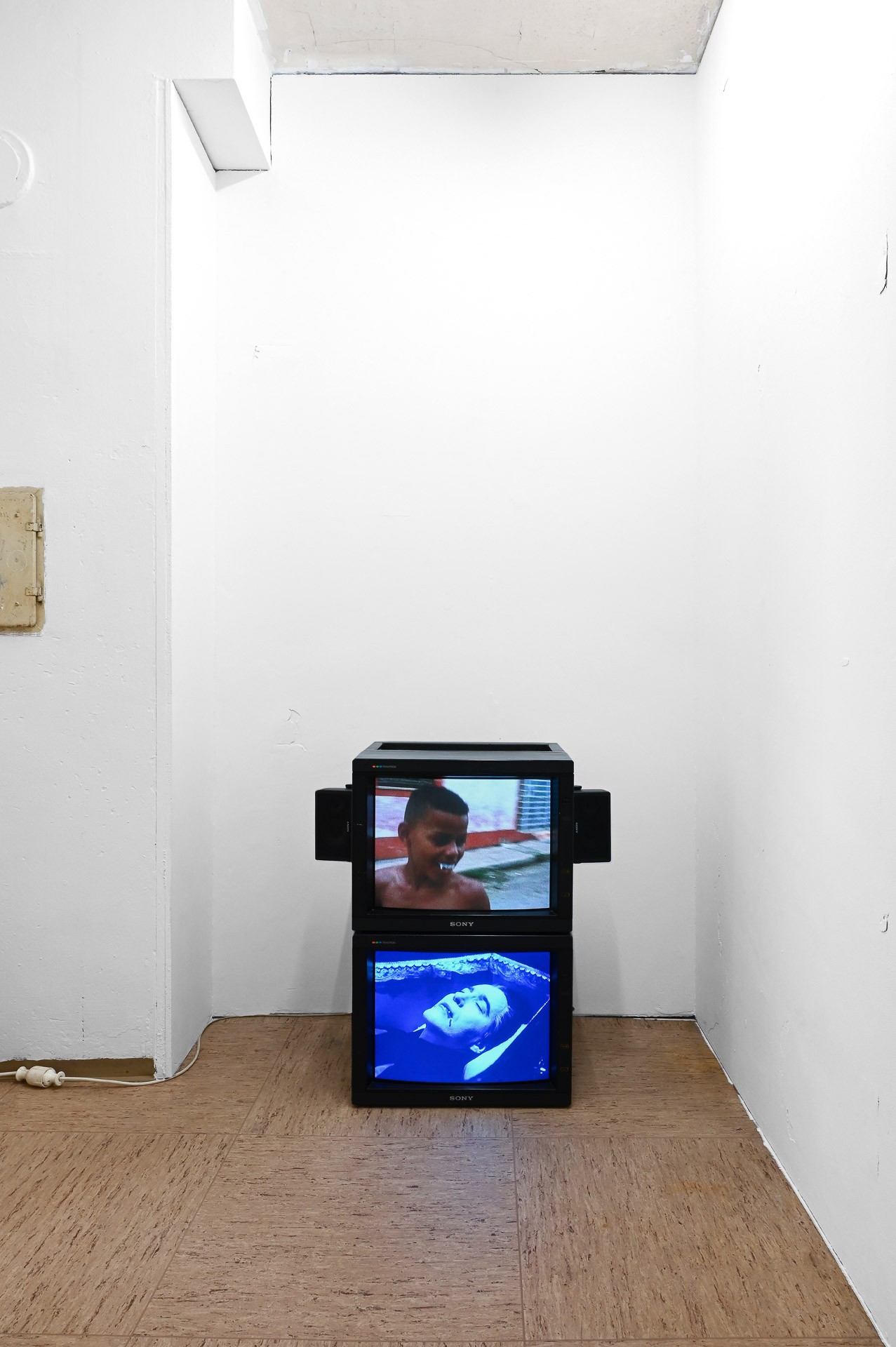
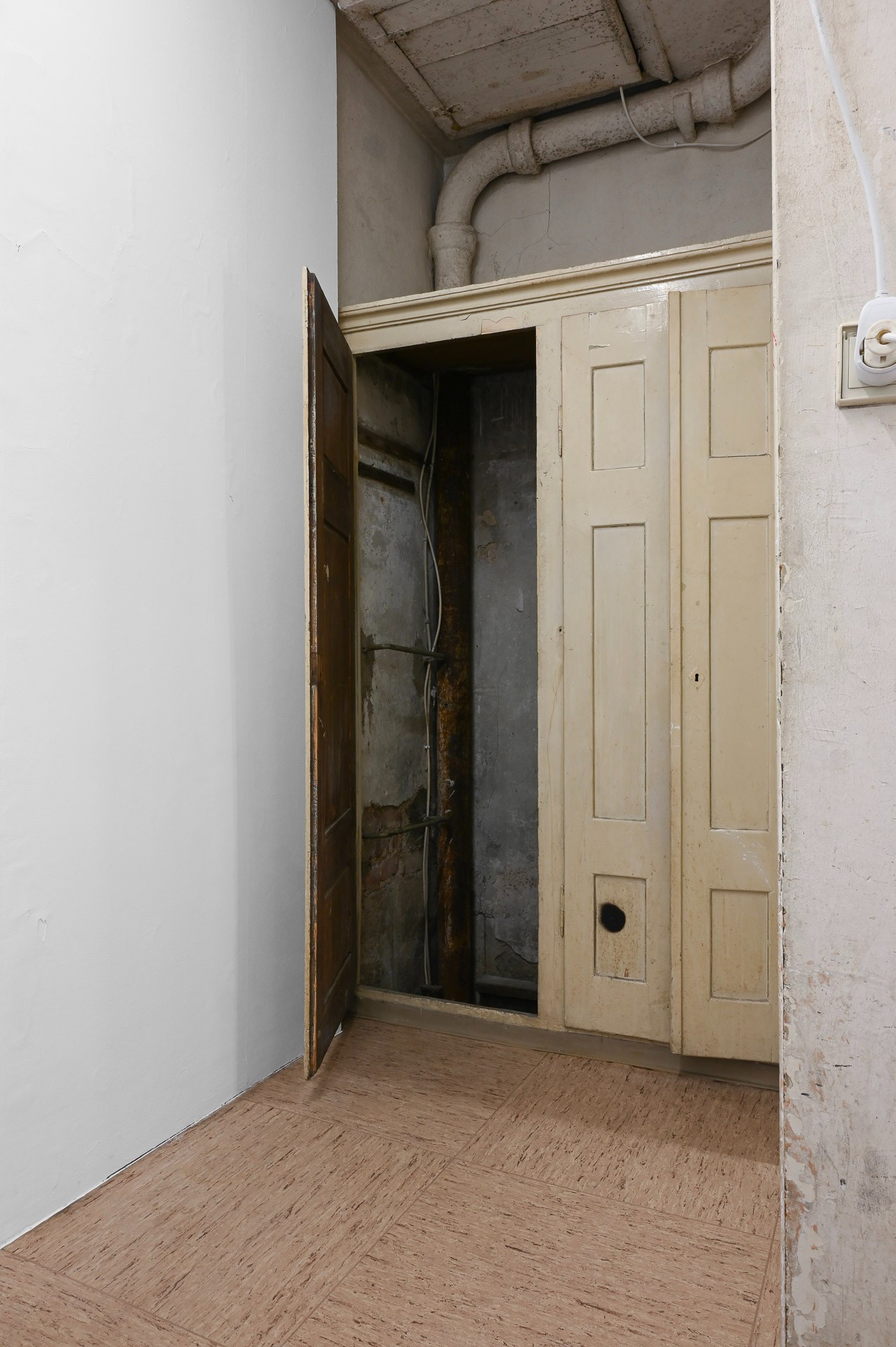
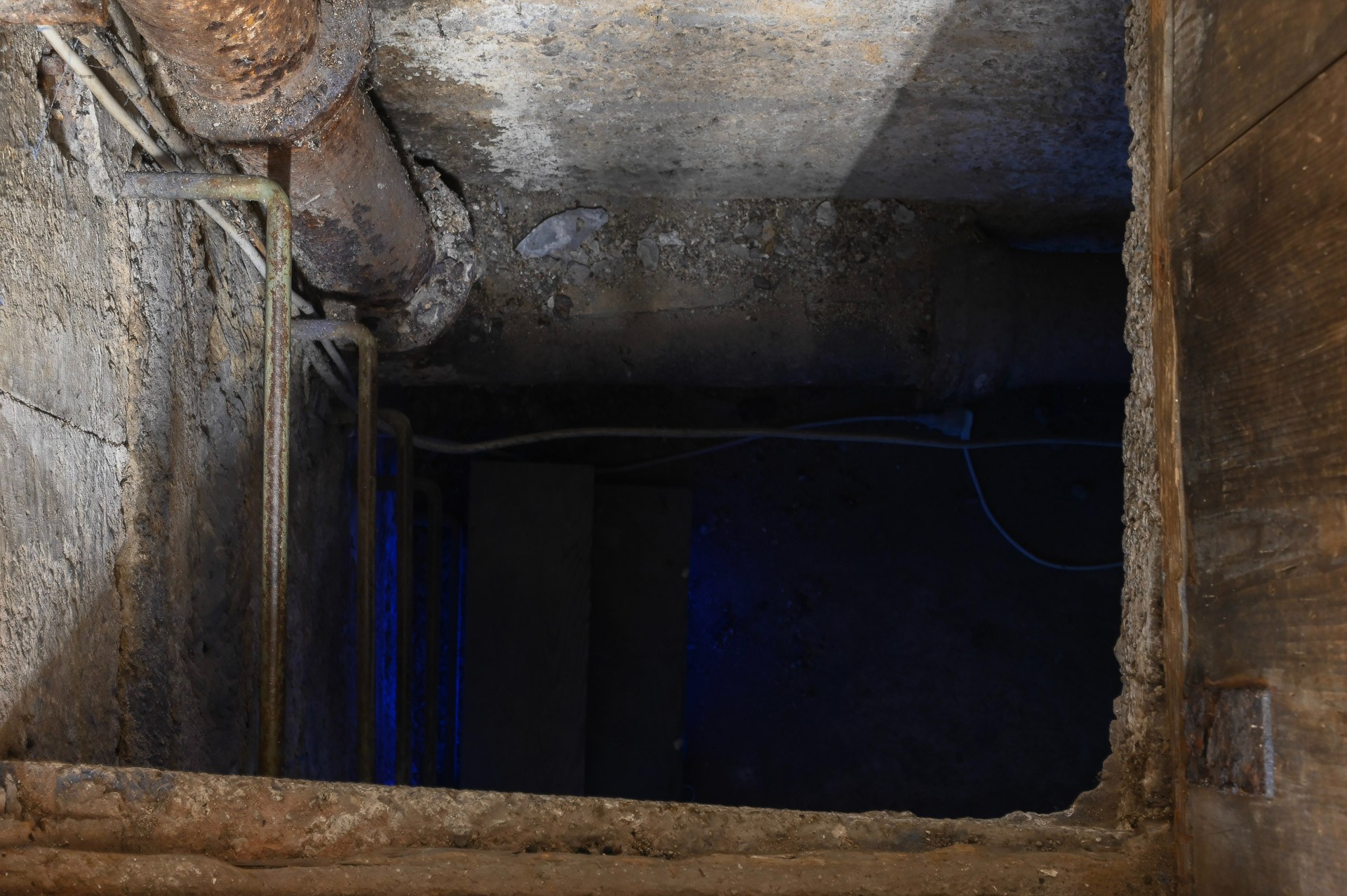
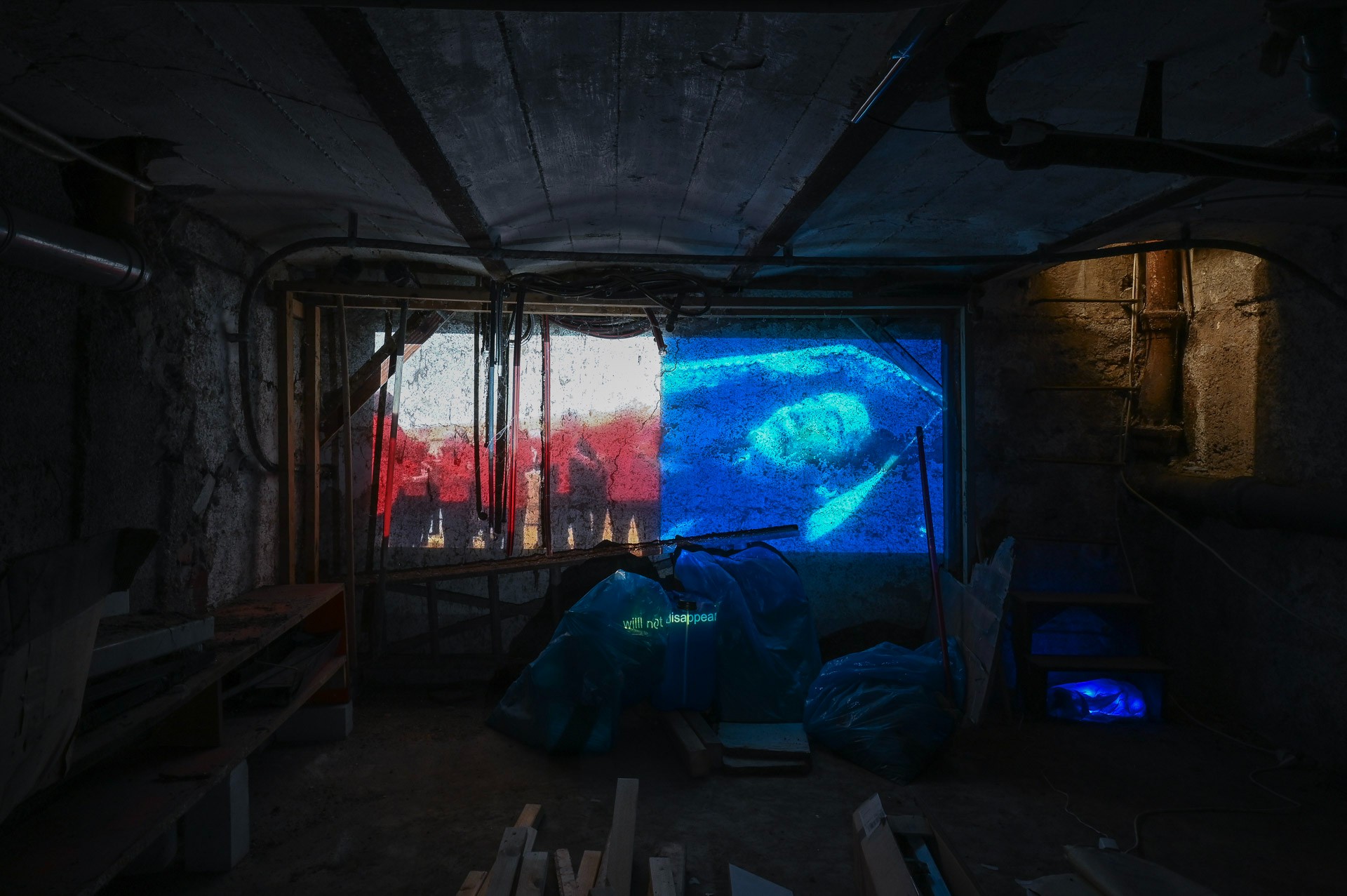
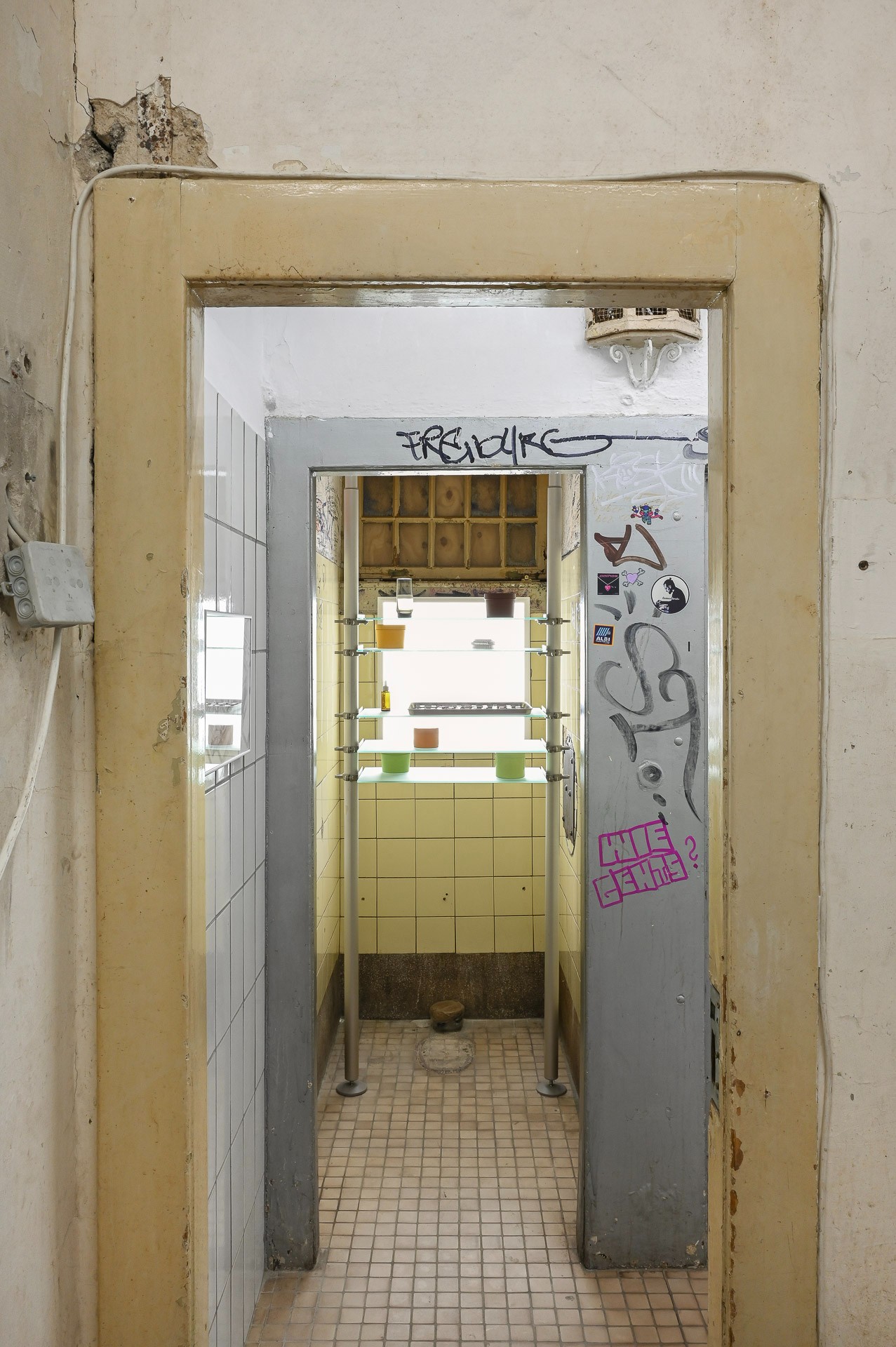
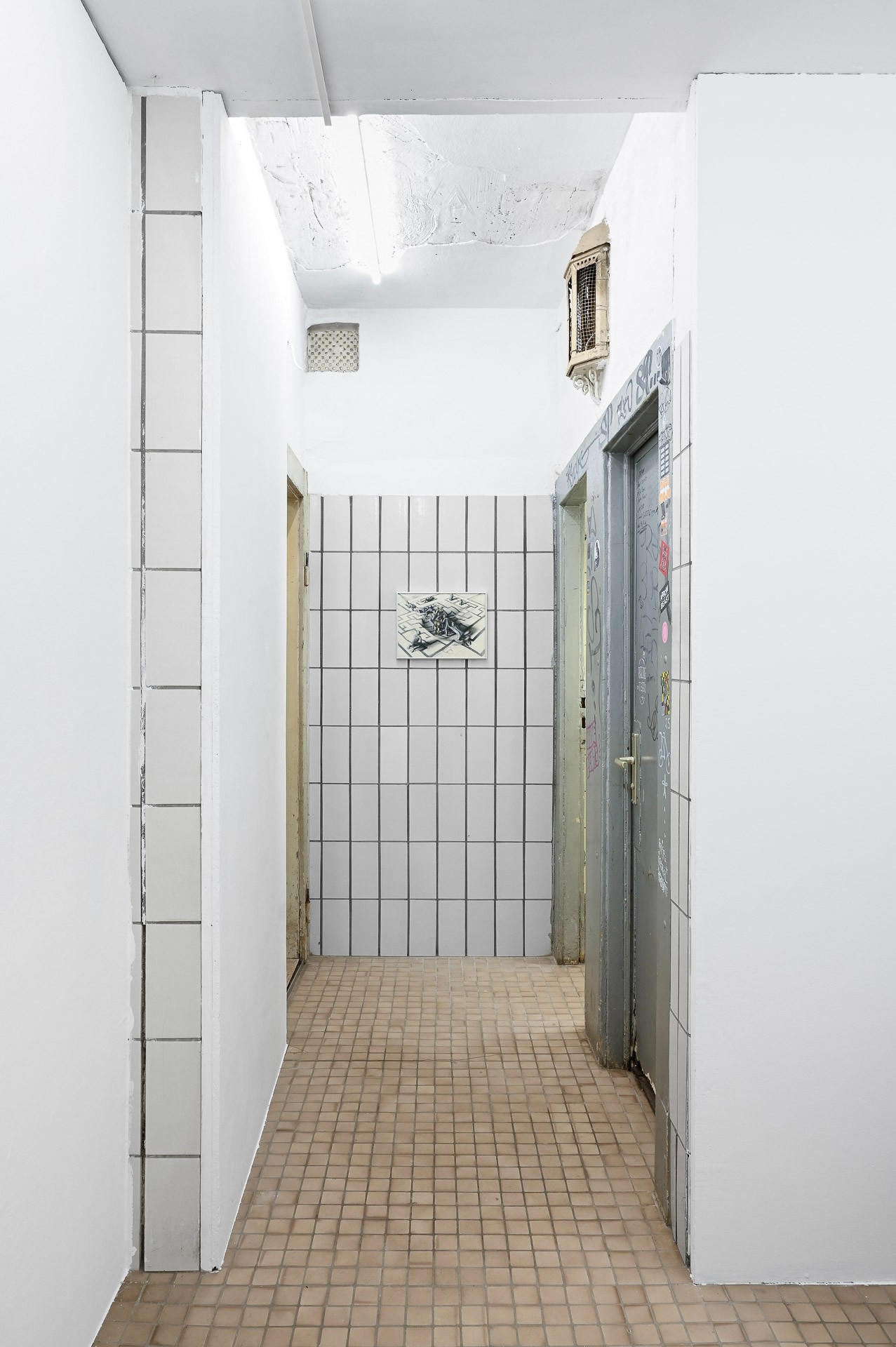
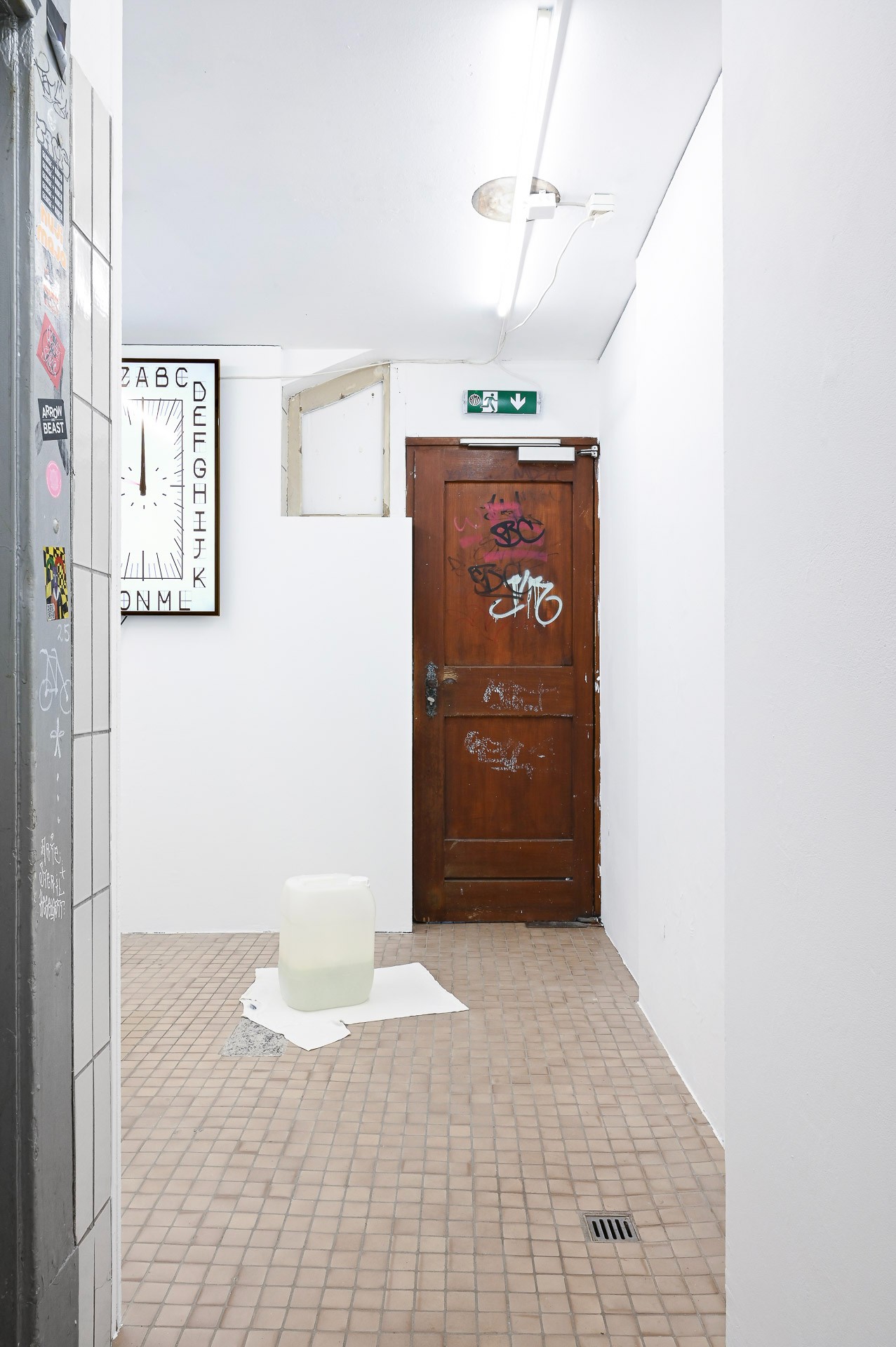
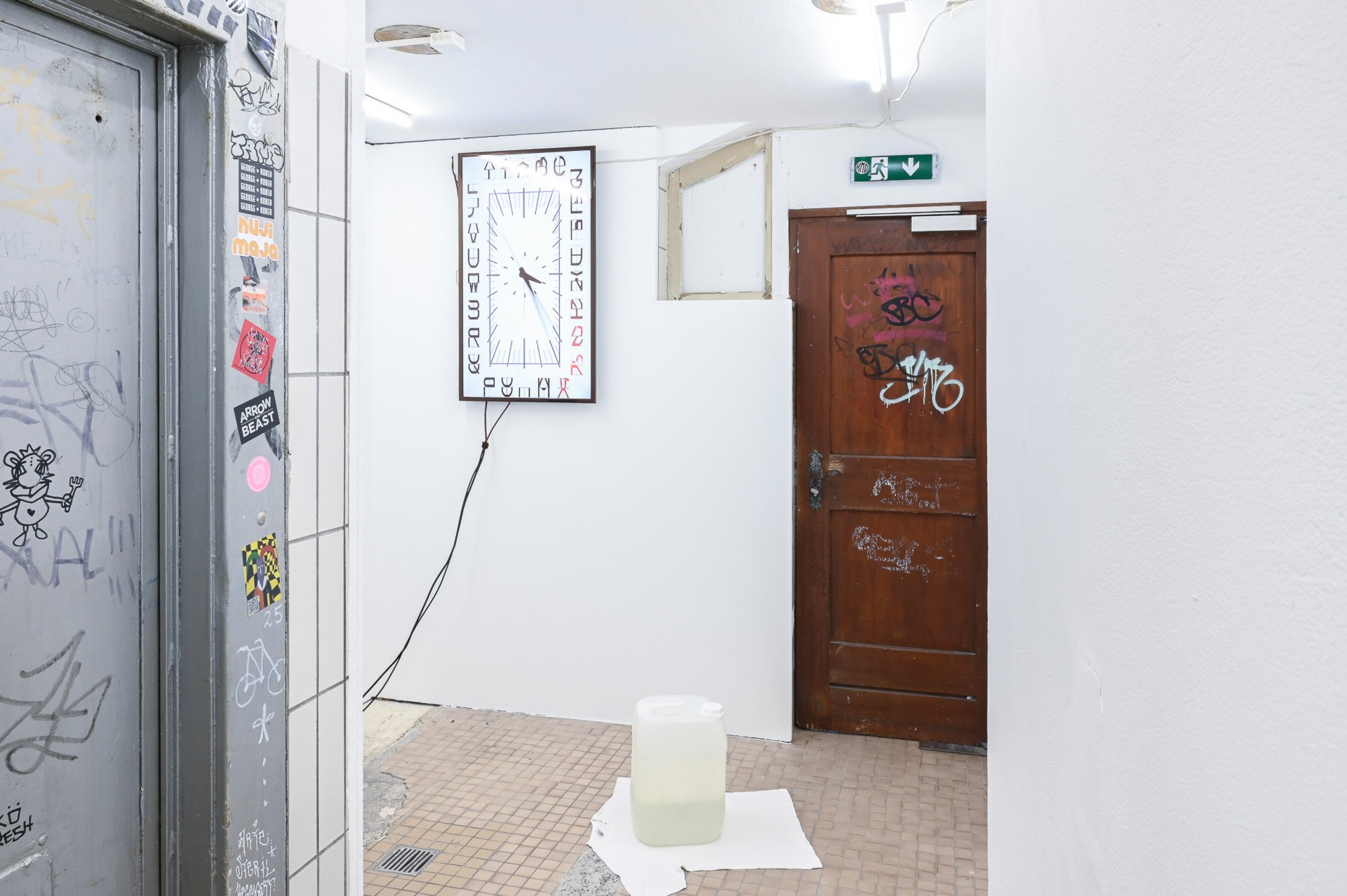
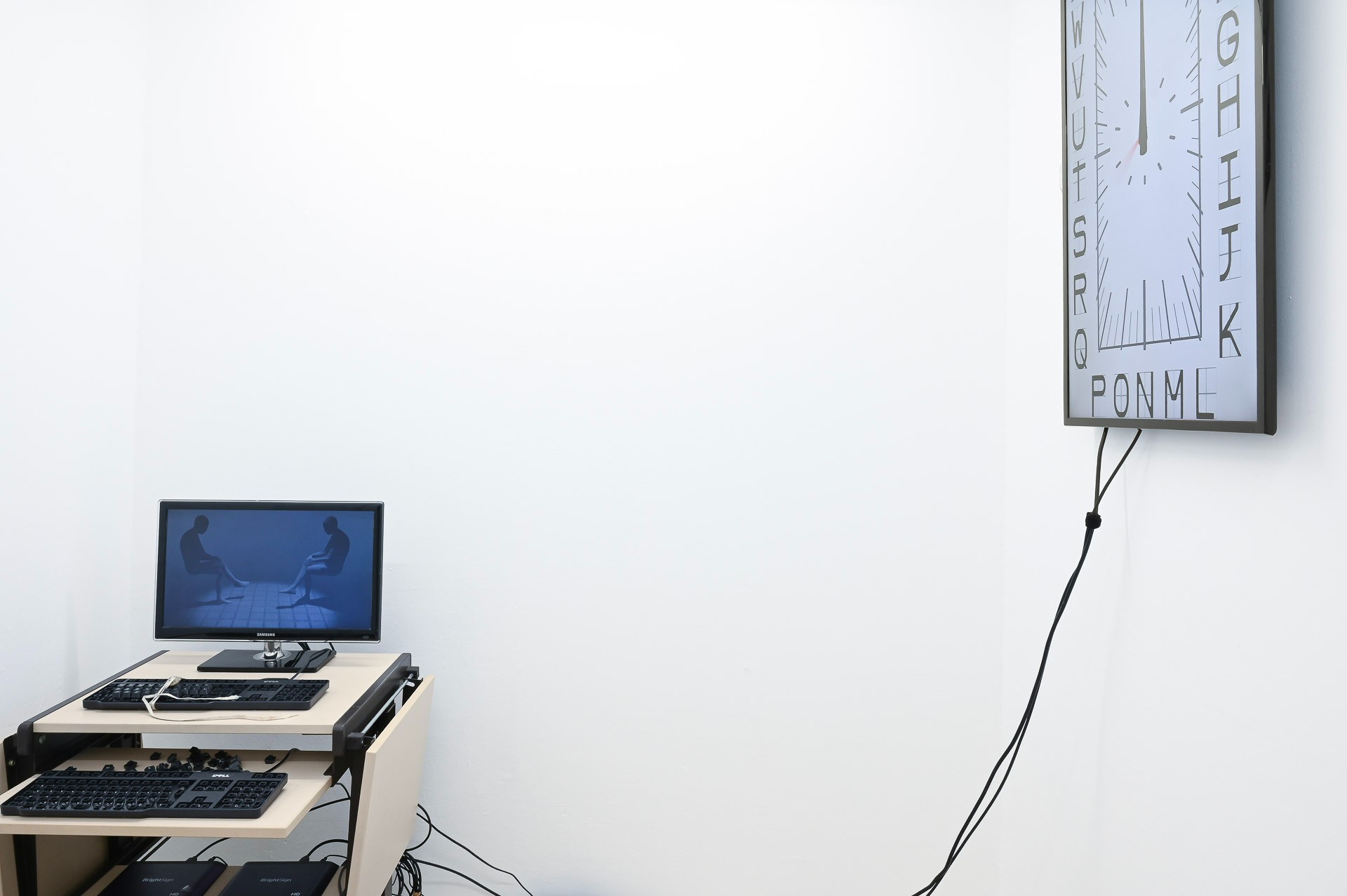
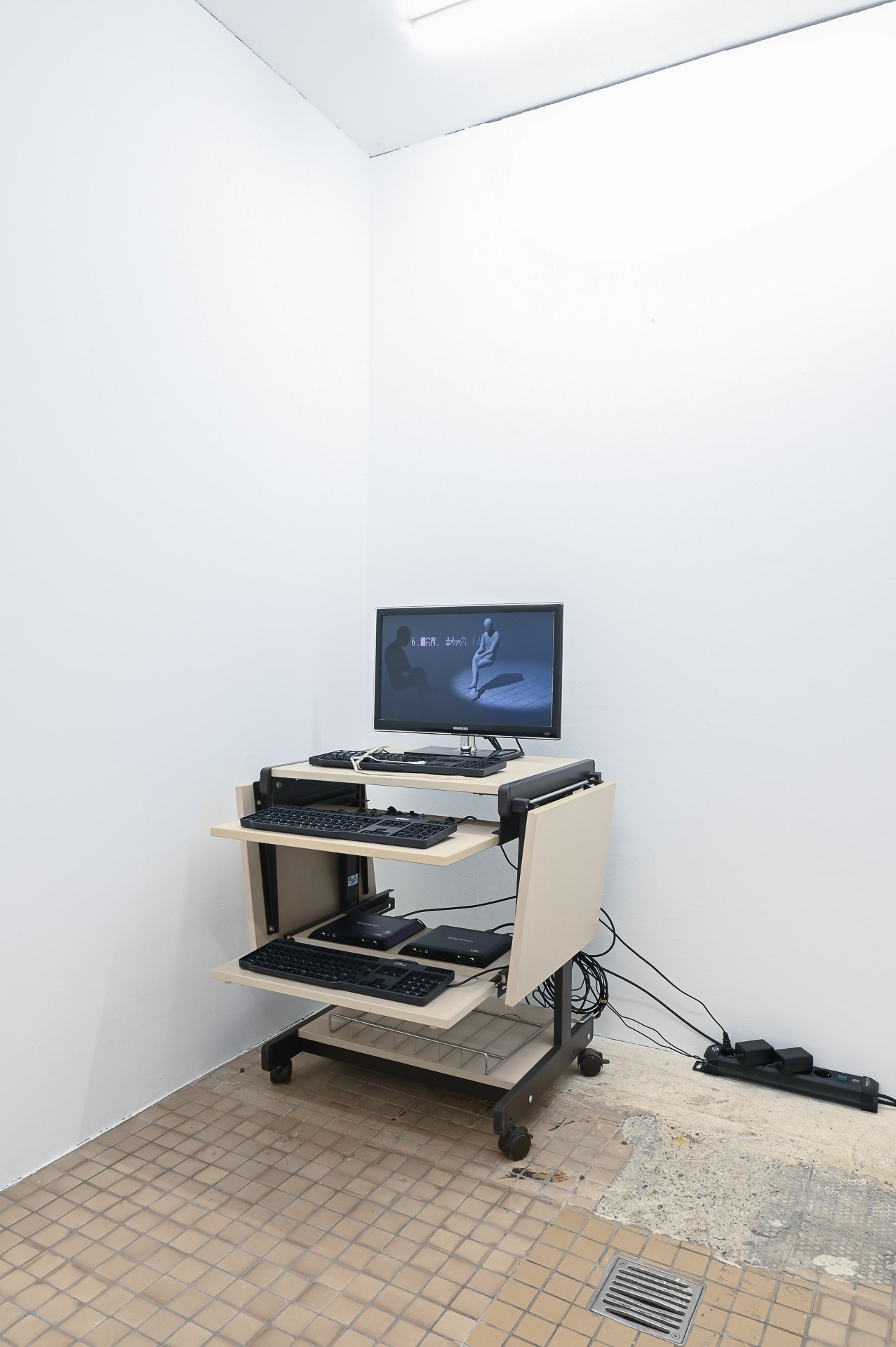
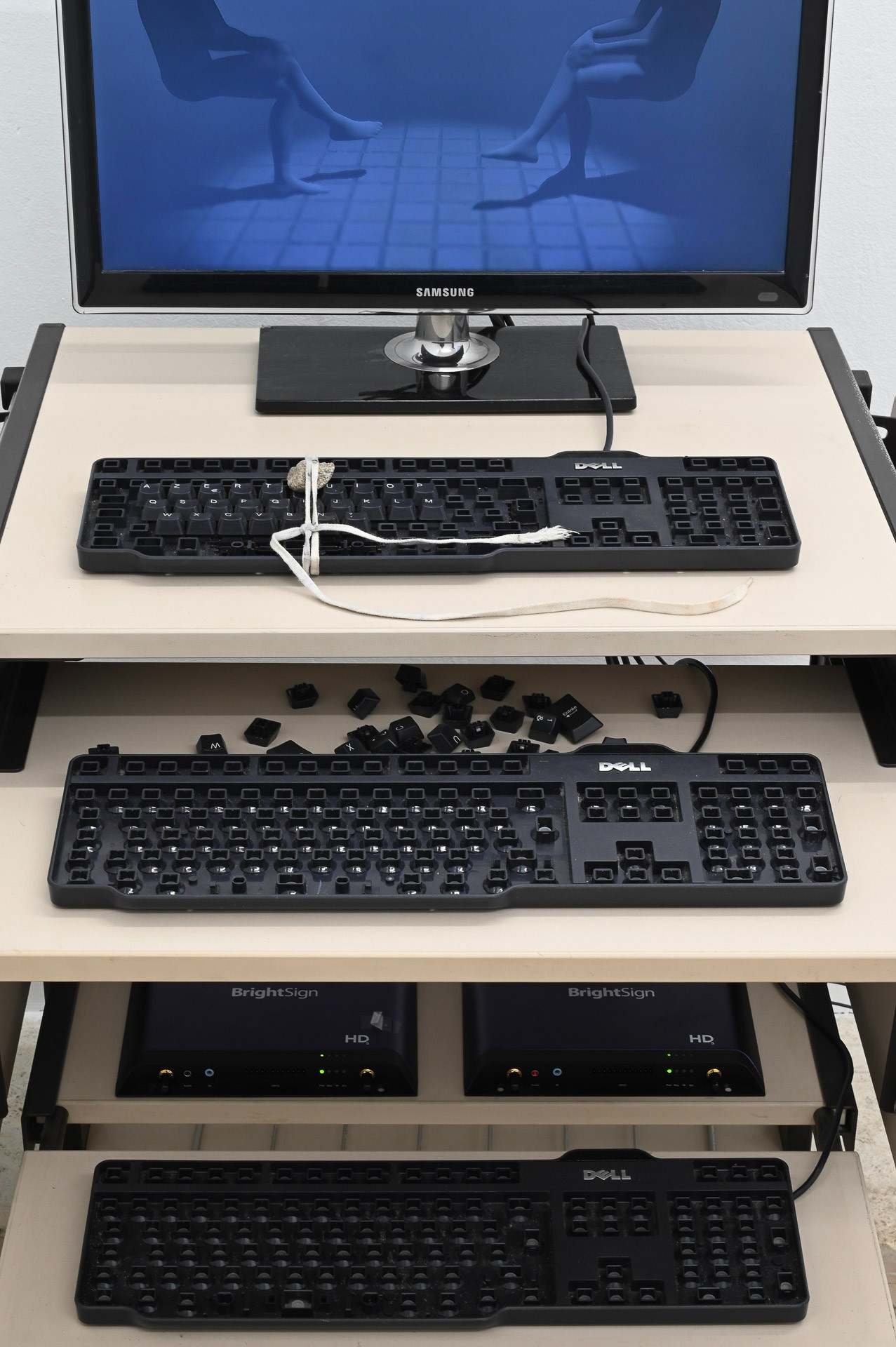
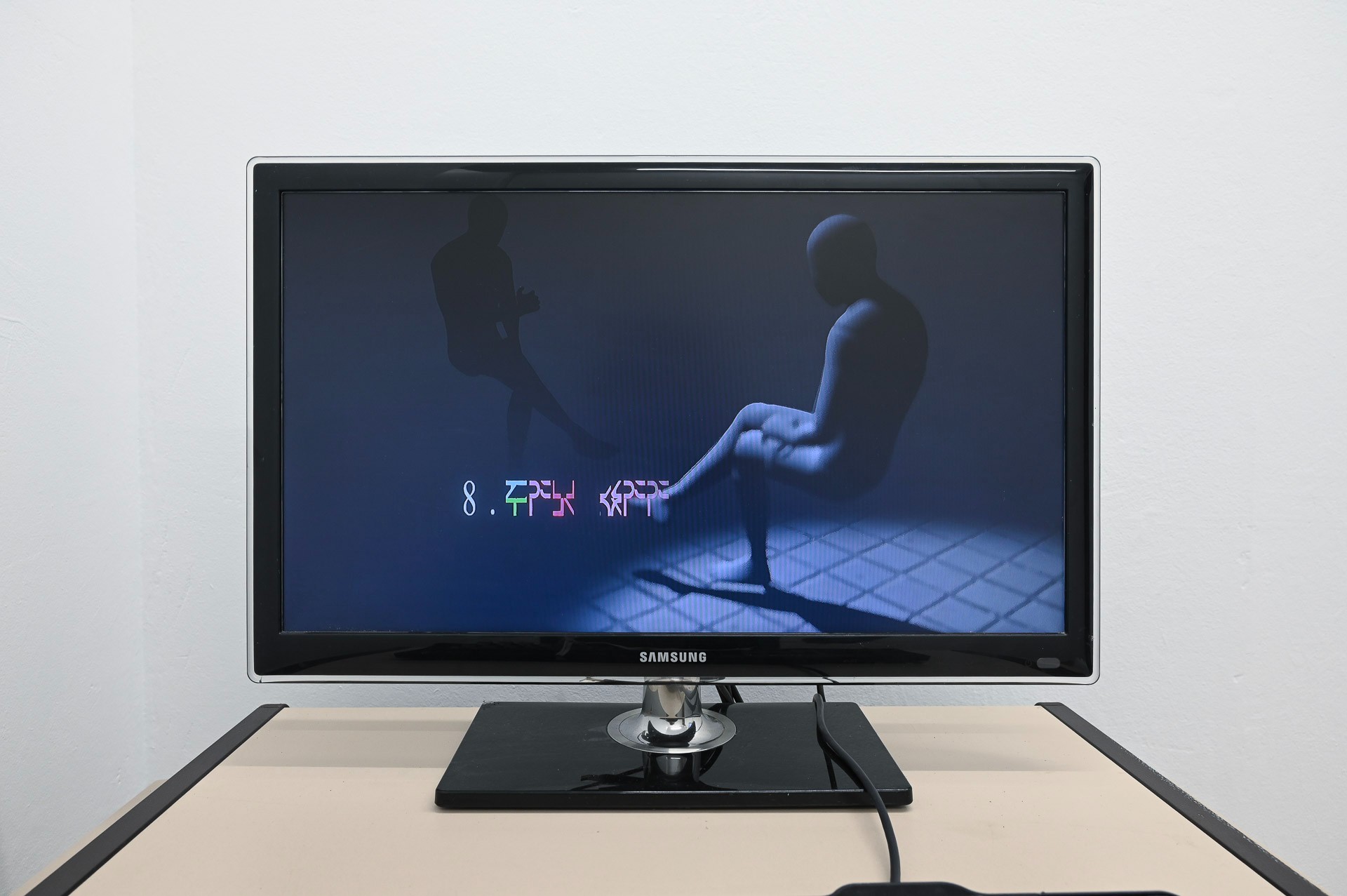
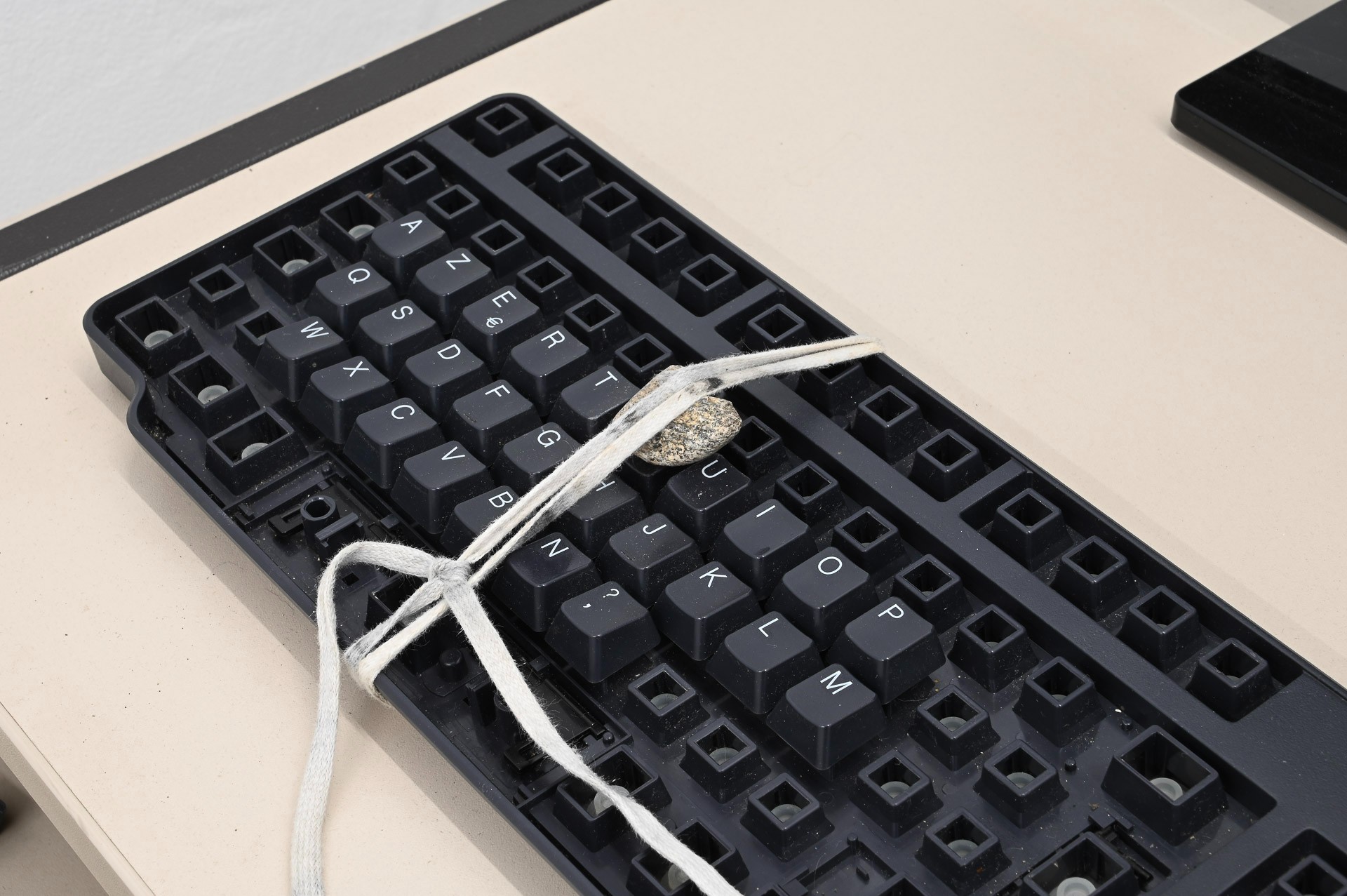
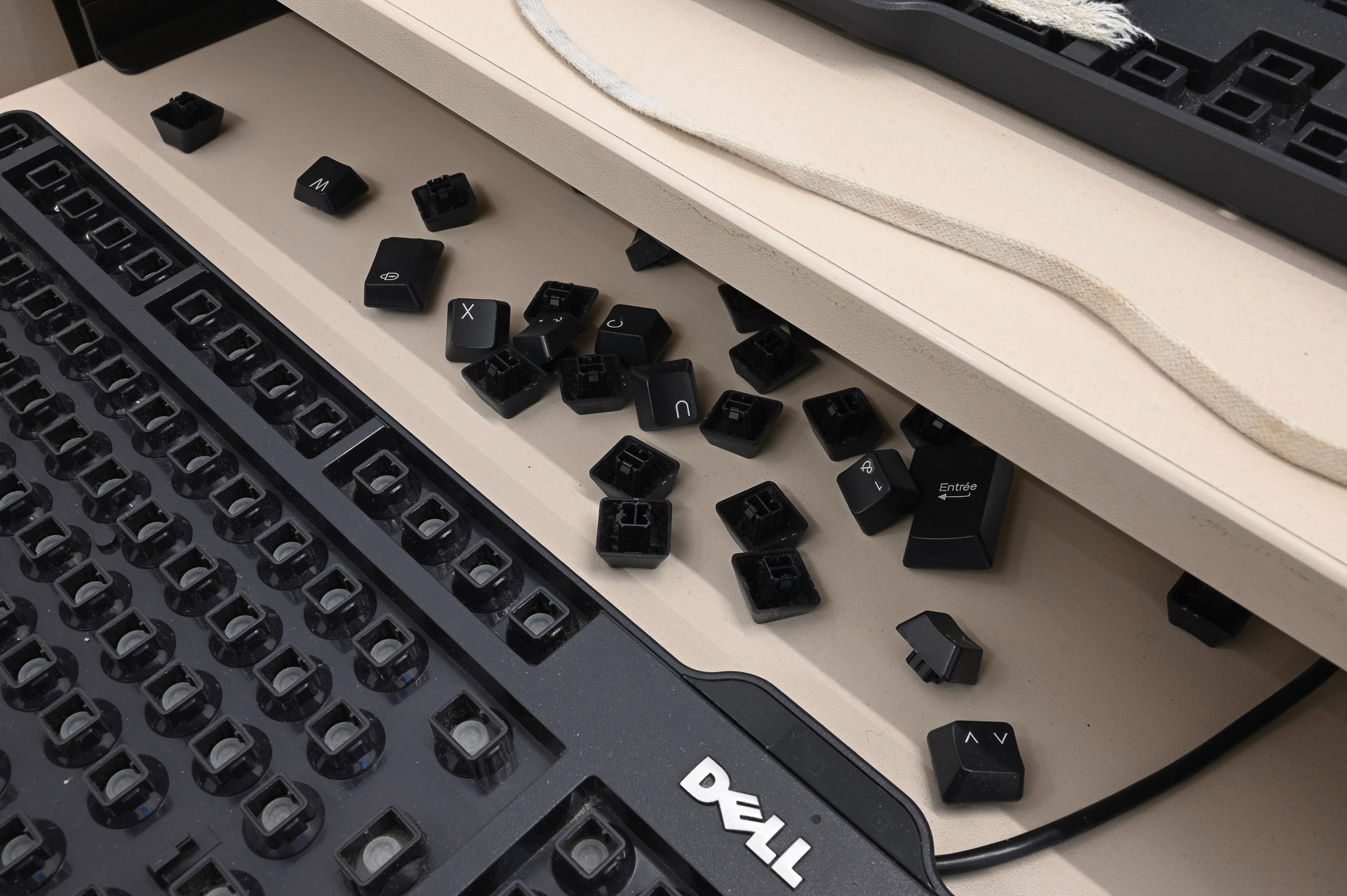
At Kaiserwache, partitions, neighbouring rooms and a not-fully-accessible(s) compose its own arrangement of passages. Images and sounds travel in disjunction: something doubles, something returns, matter changes and its arrangement remains apparently — still.
"The Paradoxes of Time" introduces a speculation around the spaces between acceleration and standstill through intensities and directions of different frequency. A pause may gather distant times into a charged moment; acceleration may transform the conditions under which a relation becomes perceptible. Repetition can sustain an arrangement while trembling a difference within it.
There is no shared chronology for the works entering into dialogue with temporal regimes and paradoxes. Their encounters weave a provisional field of potentialities, where what has been, what is happening and what might happen become available to one another.
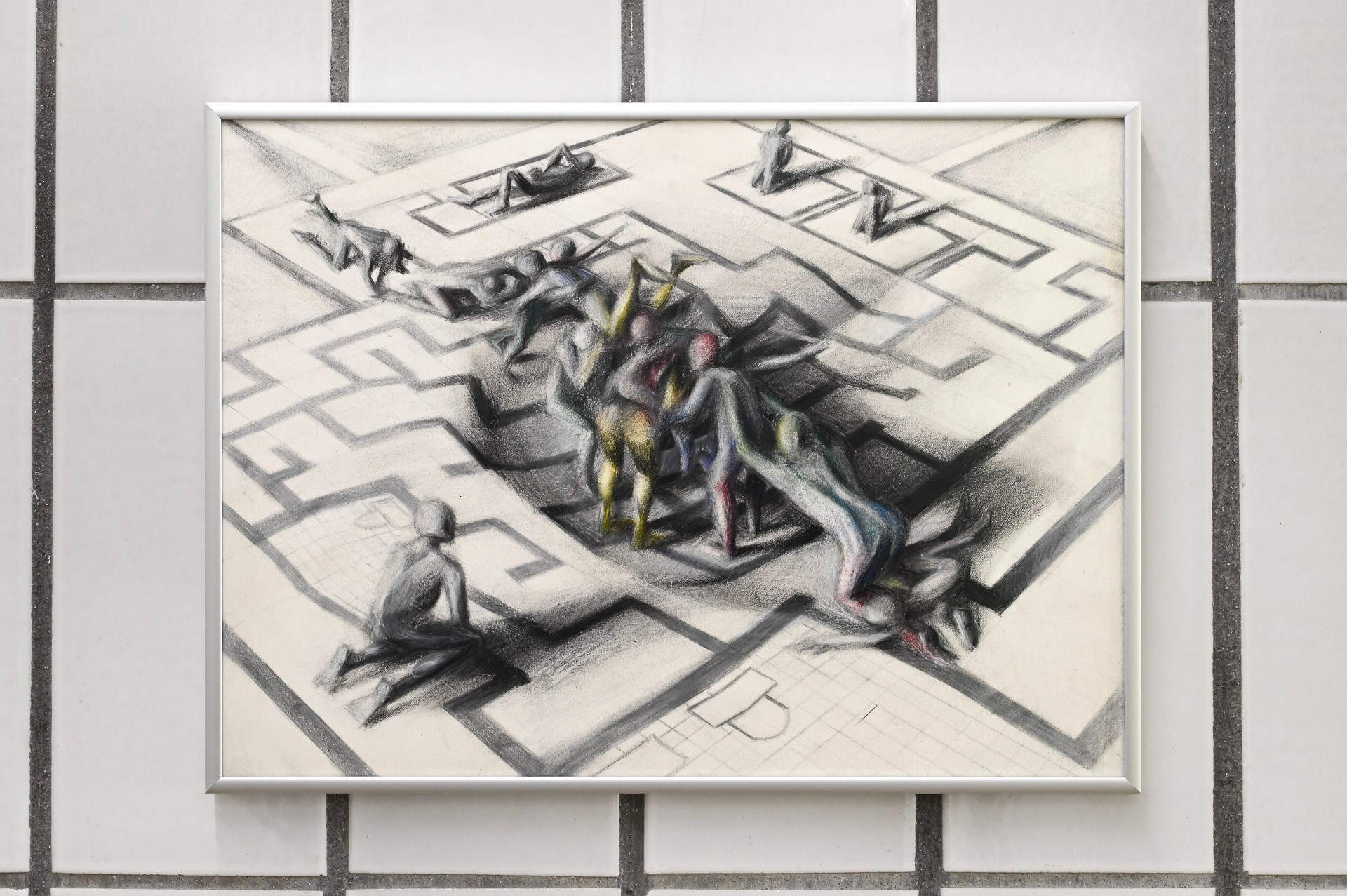
The small attendant remains at the gate. Beyond the box, other diagrams multiply its passages into circuits, folds and uncertain connections. The timetable has gaps. The destination(s) is (are) unknown (?).
¹ Maxwell’s demon is a thought experiment in which a being selectively admits fast and slow molecules through a partition, apparently creating a temperature difference without work. Accounting for the complete information-processing cycle, including memory erasure and the environment, removes the apparent violation of the second law. See Bennett, “Notes on Landauer’s Principle”.
² Pynchon, “Entropy”, originally published in 1960; collected in Slow Learner (1984).
Sarai Rose Duke is an artist based in Karlsruhe whose practice brings together food, installation, and immersive experiences. Using culinary materials, she creates spatial and sensory environments. She studied at the State Academy of Fine Arts Karlsruhe and is a member of Nordbecken Kollektiv. Her work includes KAPSEL / ECHO CHAMBER, an interactive sound installation developed with Sarah Degenhardt and Jia Liu for ZKM and the city of Karlsruhe’s Seasons of Media Arts program (2021). Pedro Gossler is an interdisciplinary artist based in Rotterdam, working across photography, video, and animation. His practice examines memory and the archive, exploring how digital cultures shape the recording, circulation, and reconstruction of histories. His work has been presented at the International Film Festival Rotterdam and the Museum of Modern Art of Rio de Janeiro. His projects also circulate through publishing and institutional commissions: his work has appeared on DIS and Do Not Research, and he has developed commissioned projects for Rupert, Lithuania. Laura Gozlan is a visual artist based in Paris whose films, installations, and performances explore desire, bodily transformation, and the aesthetics of prosthetics and ageing. She studied scenography in Helsinki and at EnsAD, Paris, and graduated from Le Fresnoy in 2007, where she studied with Chantal Akerman. Selected solo exhibitions include Galerie Valeria Cetraro, Paris (2024); Les Bains-Douches, Alençon (2022); and 40mcube, Rennes (2021). Her work has also been shown at FRAC Corsica (2025), Kunstraum Niederösterreich, Vienna (2024), MO.CO., Montpellier (2021), and the Rencontres de la photographie, Arles (2016). In 2026, she received the AWARE Nouveau Regard Prize from the Centre Pompidou. Viktor Timofeev is an artist based in New York whose practice builds worlds governed by invented systems. Working across painting, drawing, installation, and computer games, he develops environments structured by invented rules. Selected solo exhibitions include the Latvian National Museum of Art, Riga (2025); Editorial Projects, Vilnius (2025); Interstate Projects, New York (2021); and Karlin Studios, Prague (2020). His work has also been presented at Malmö Konstmuseum (2025), the Hessel Museum of Art, Annandale-on-Hudson (2025), and the 14th Baltic Triennial, Vilnius (2021). Quay Quinn Wolf is an artist based in New York. His practice uses everyday objects and materials to explore intimacy, memory, and absence. Recent group exhibitions include Air Service Basel, presented by Lo Brutto Stahl during Art Basel week (2026); Correspondences at François Ghebaly, Los Angeles (2025); and Inauguration at Lo Brutto Stahl, Paris (2023). Selected solo exhibitions include Rest at Prairie, Chicago (2022), and Repair at Jack Barrett, New York (2022). His work has also been shown at SculptureCenter, New York (2021), and the Leslie-Lohman Museum, New York (2018). Anna Soz is an artist, curator, and educator based in Paris. With a background in media research, journalism, art, and curatorial studies, she works across installation, curating, and experimental formats grounded in dialogue. Her practice examines tensions between ethics and aesthetics in contemporary techno-social conditions, focusing on temporality, hauntology, and the production of meaning. A recipient of the Collège de France’s PAUSE programme (2023–2025), she was hosted by HEAR in Mulhouse and taught at HEAR in Strasbourg from 2025 to 2026. She is currently an artist in residence at the Cité internationale des arts through Atelier Mondial.