- Open System
- 13 Mar ― 11 Apr 2026
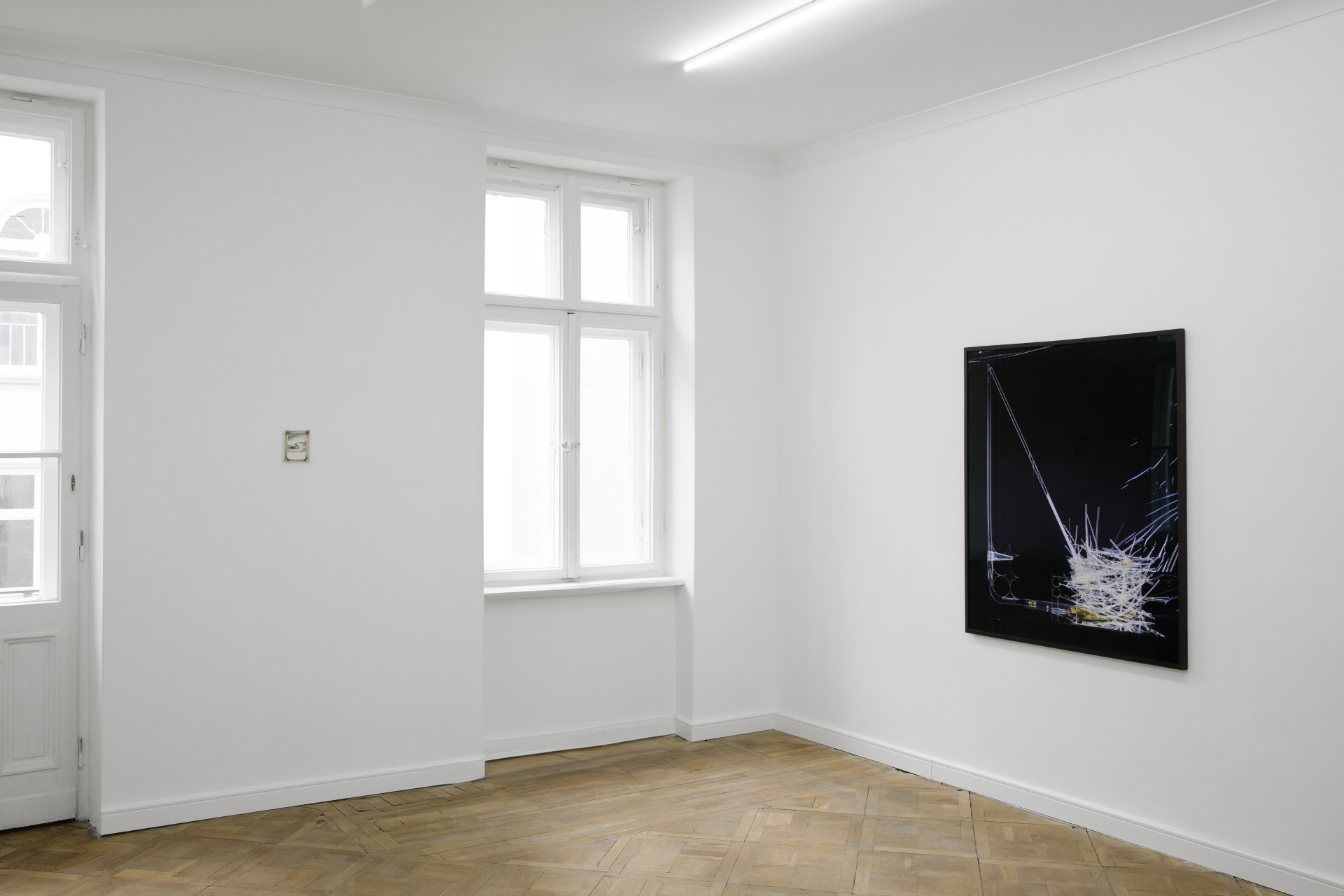
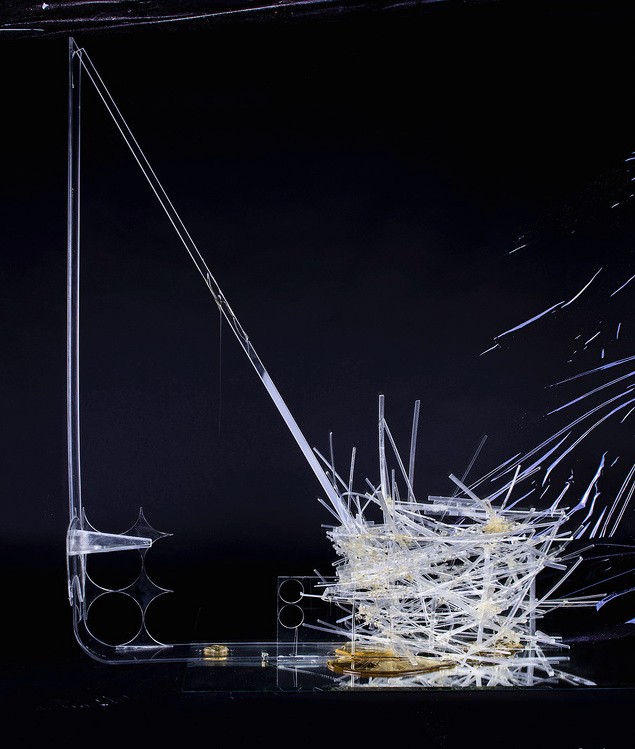
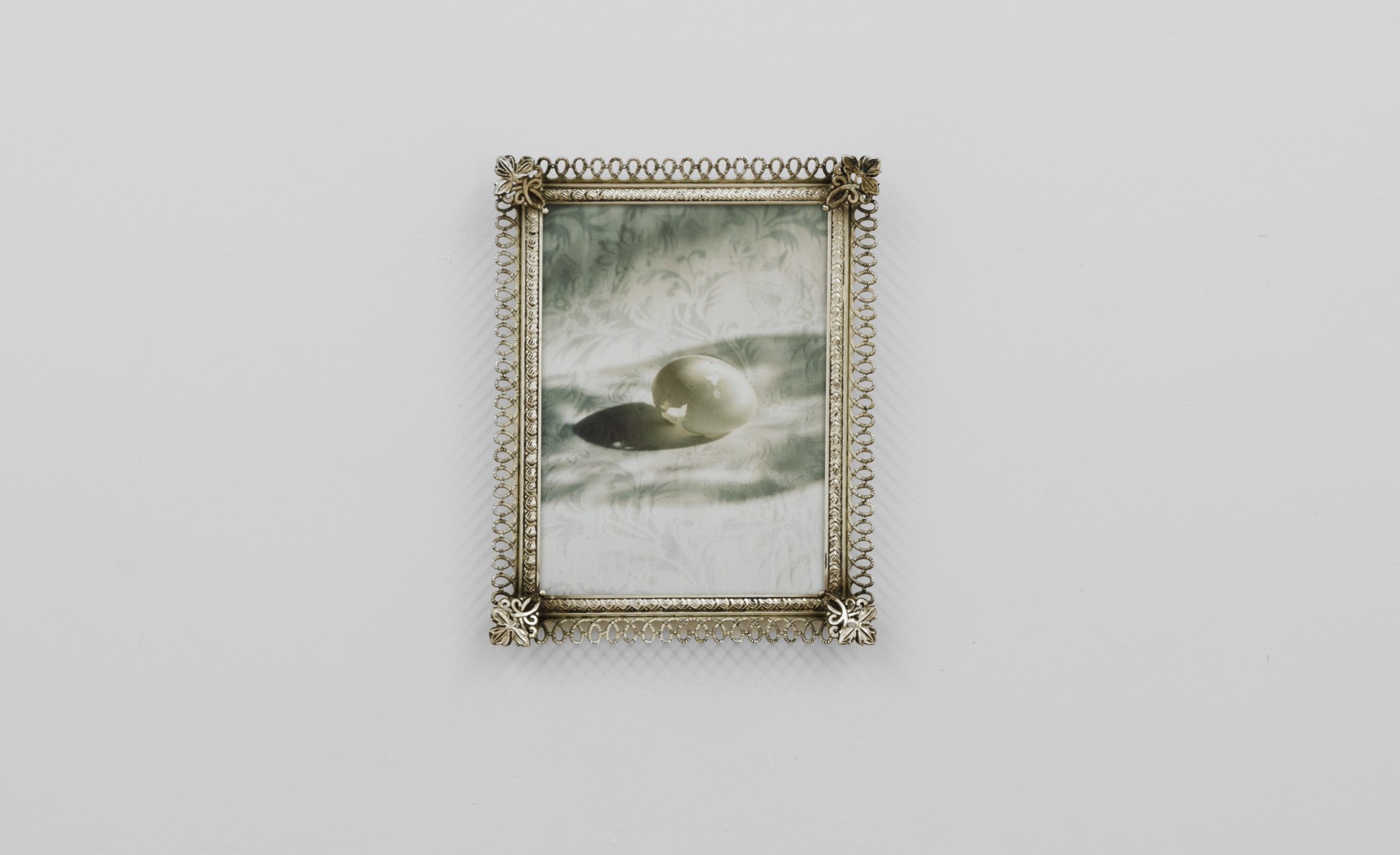
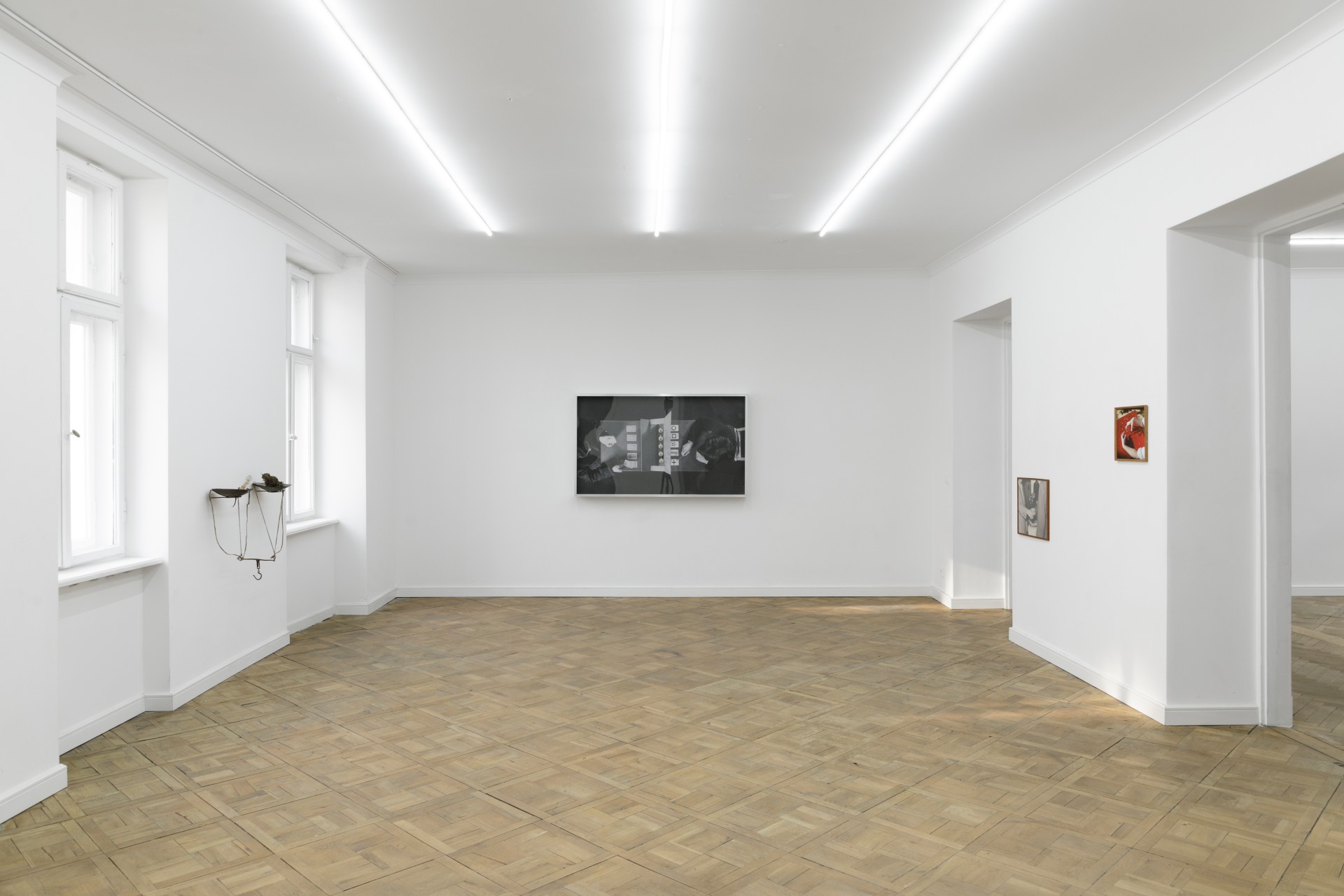
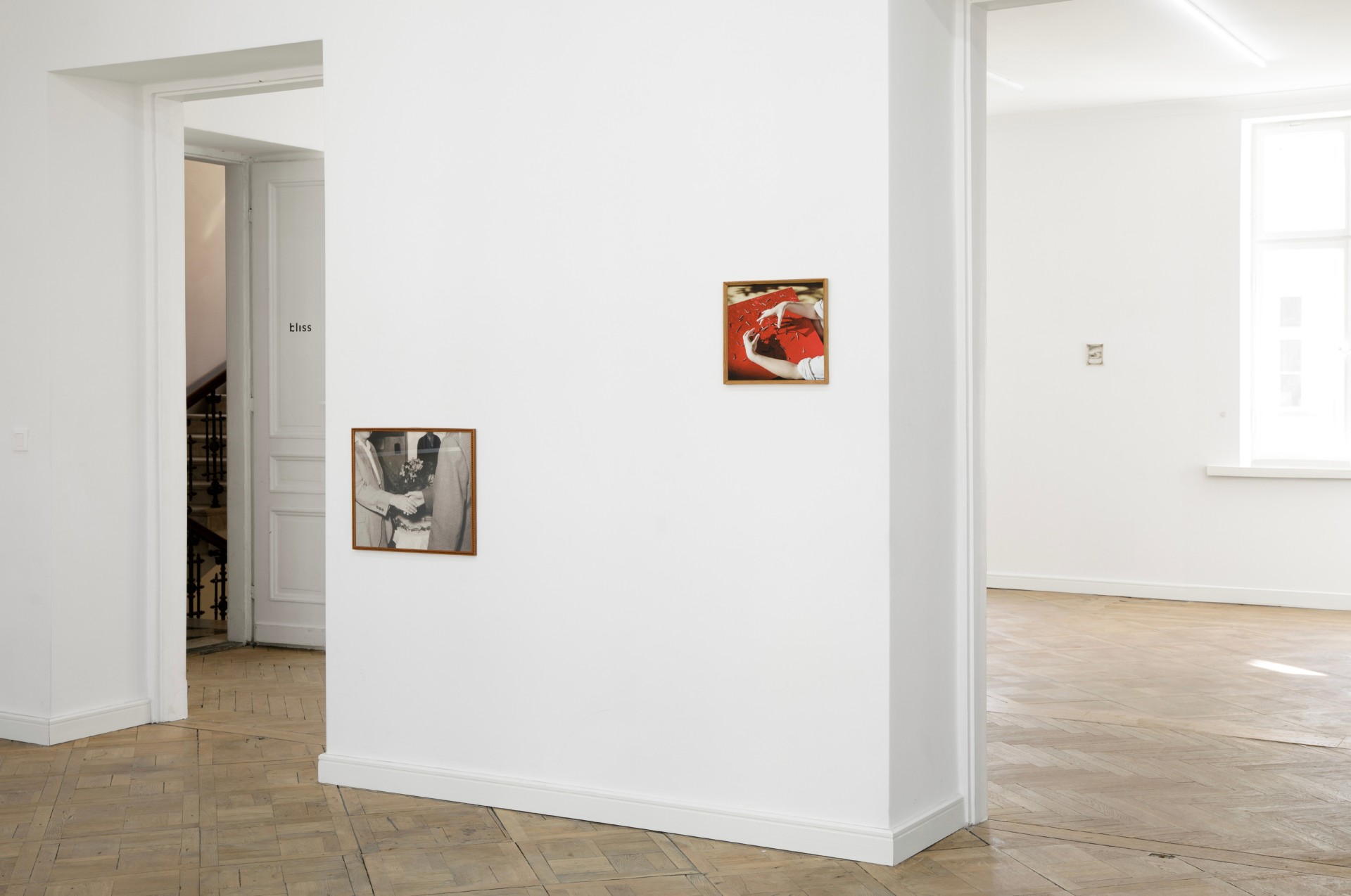
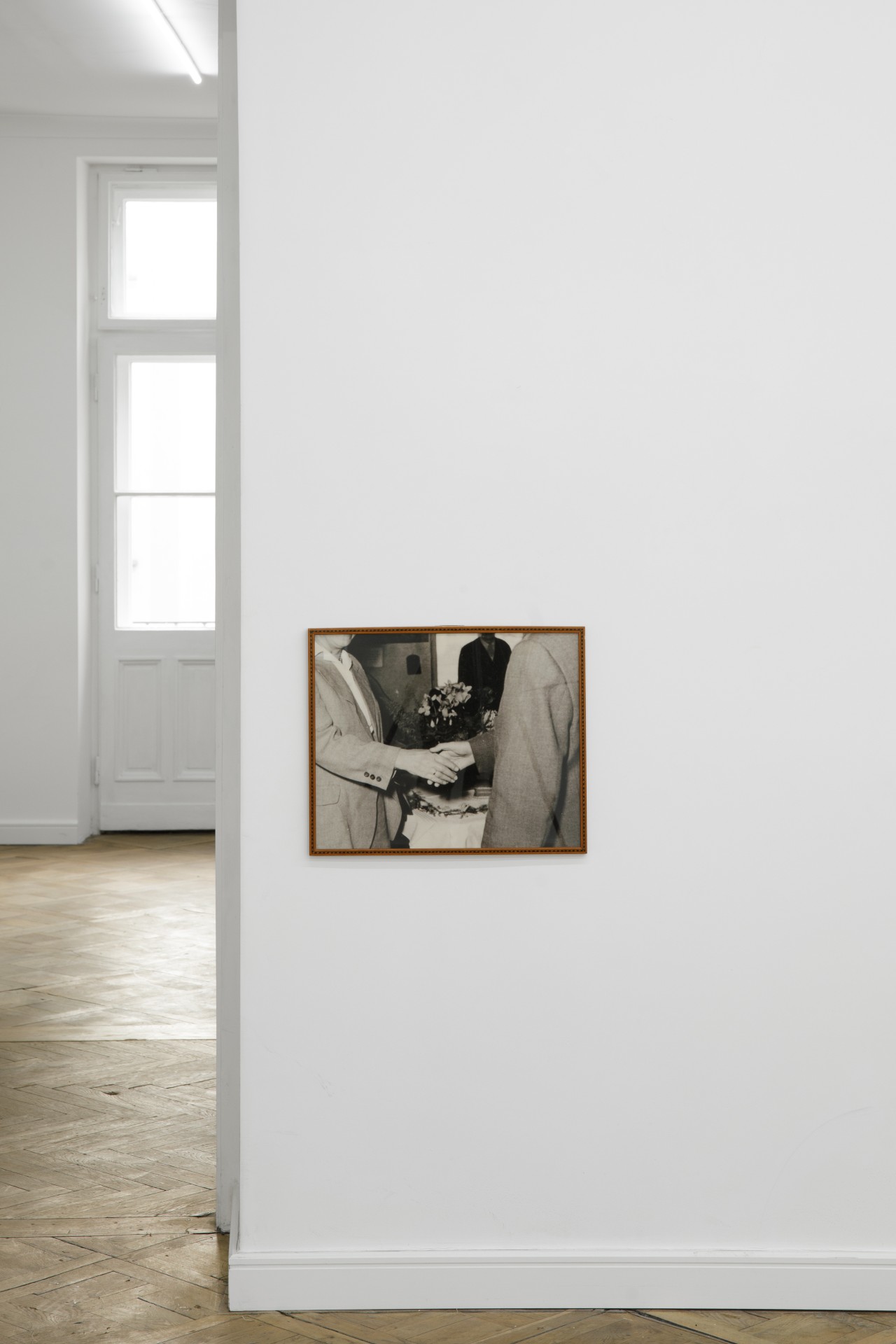
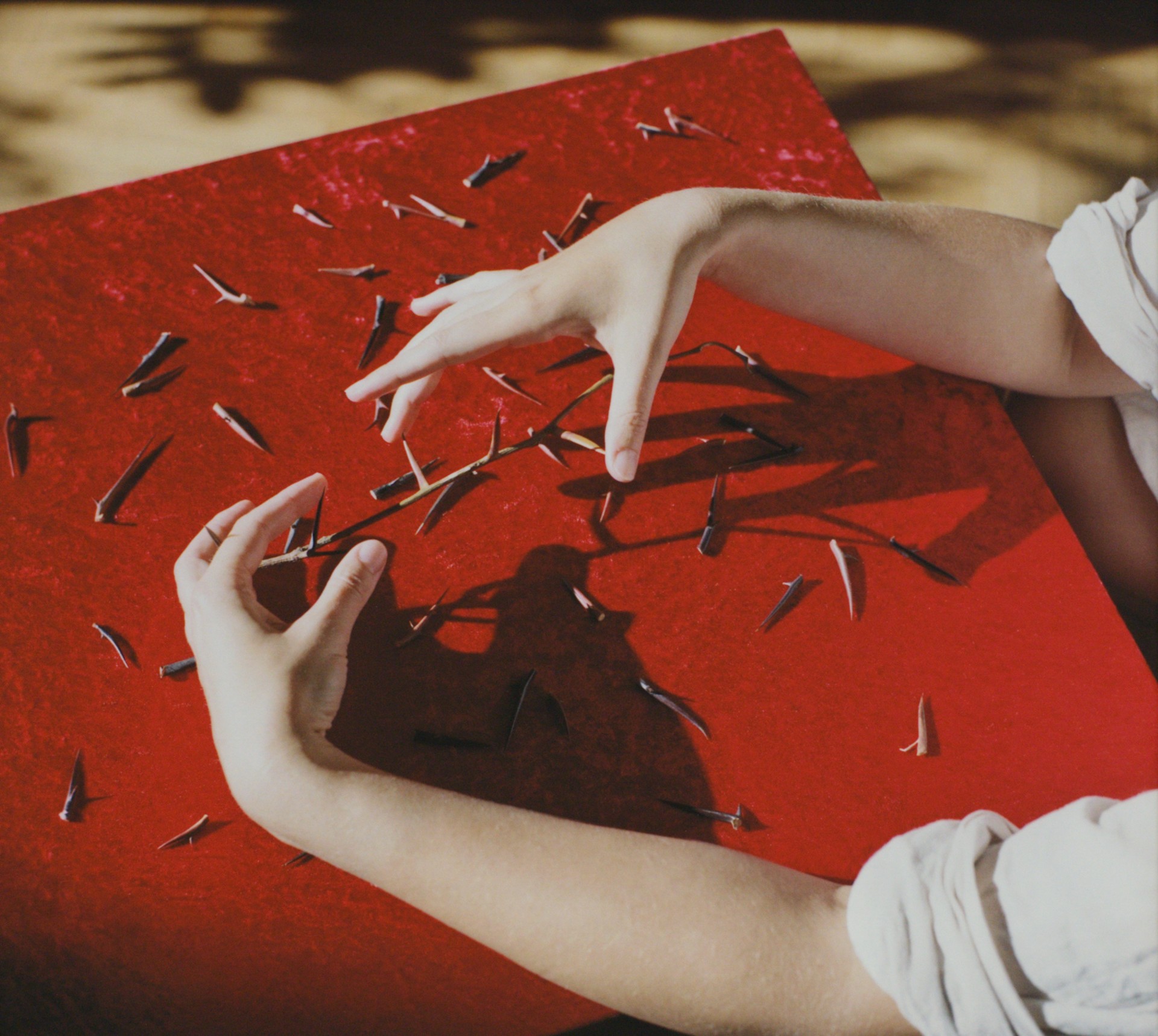
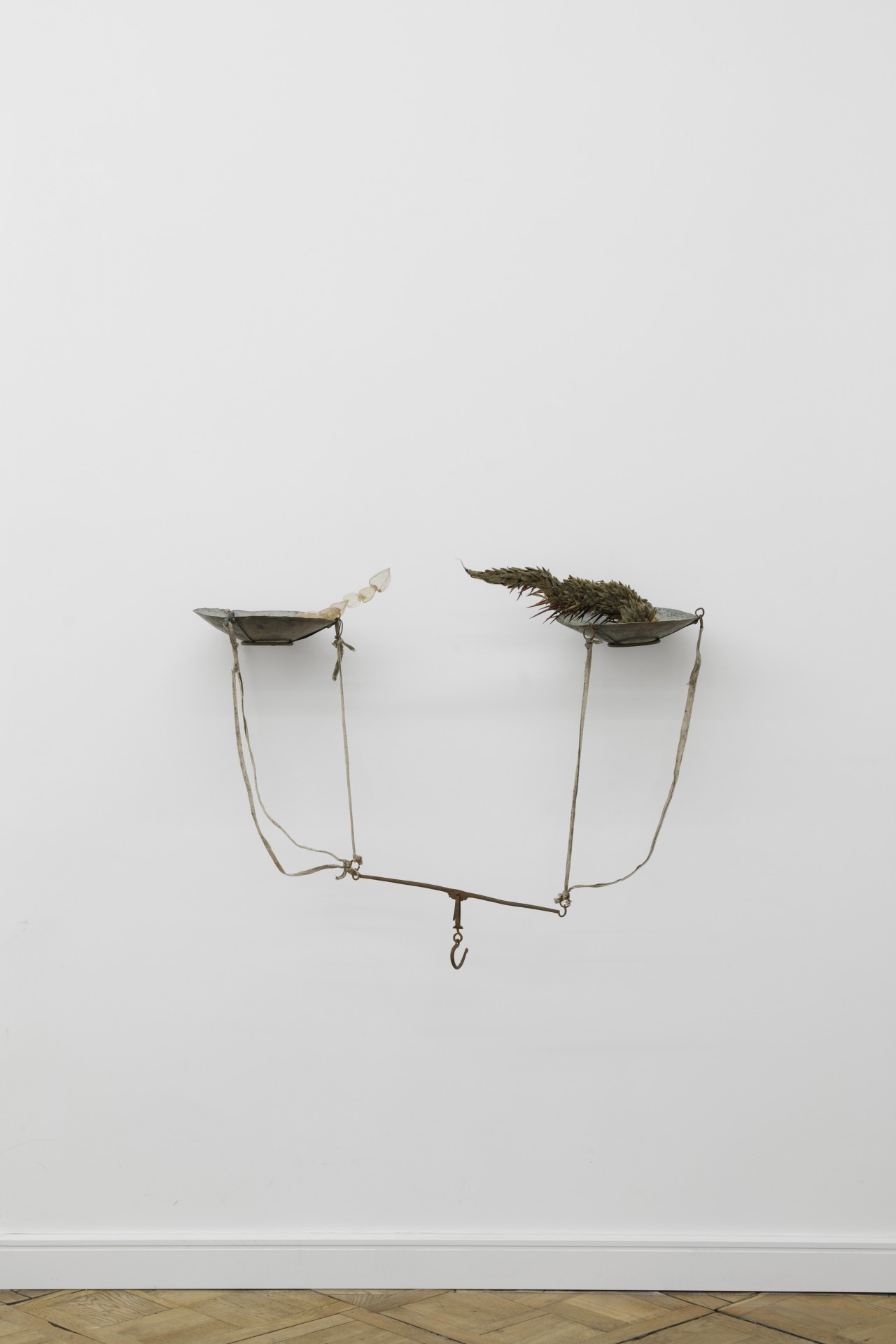
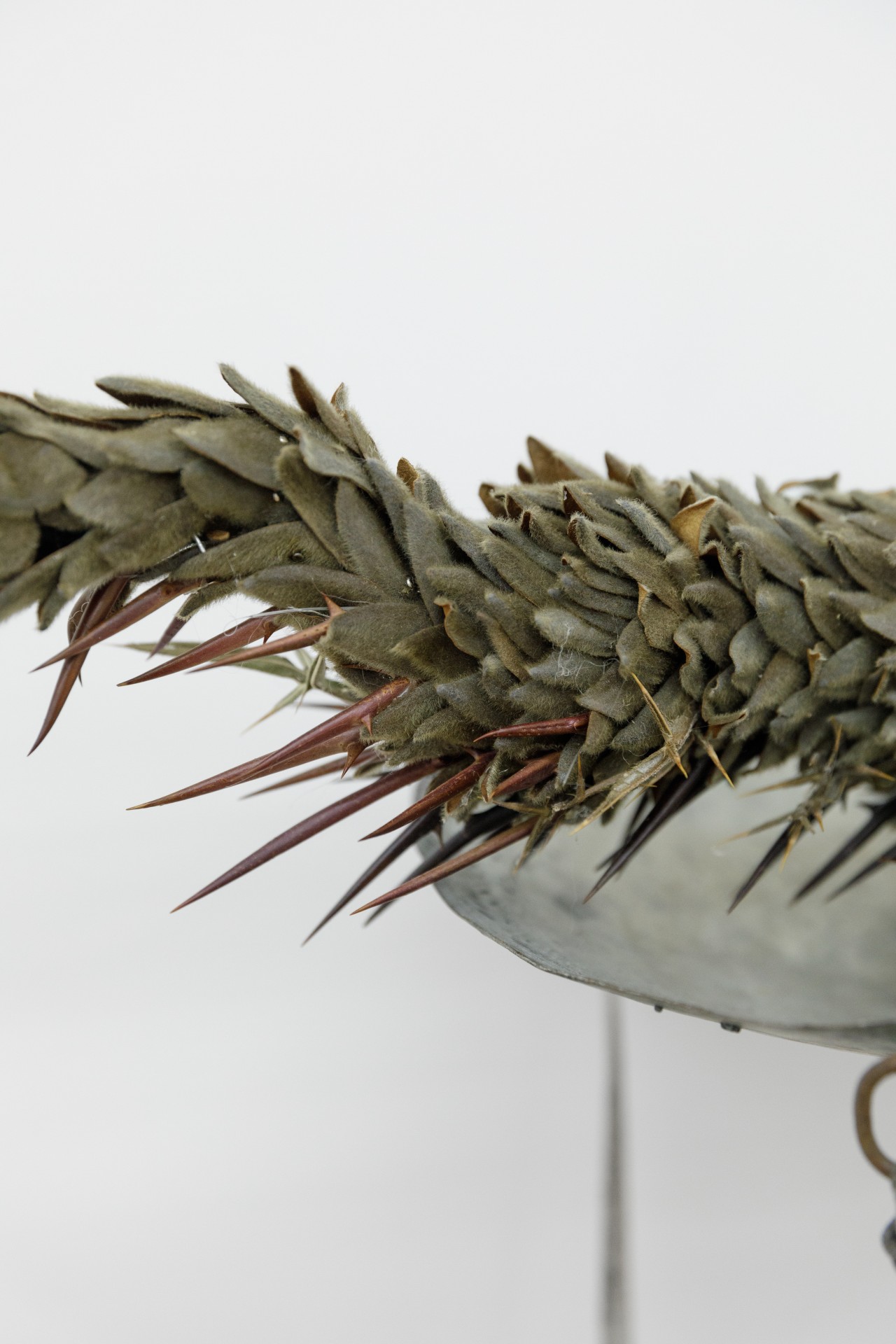
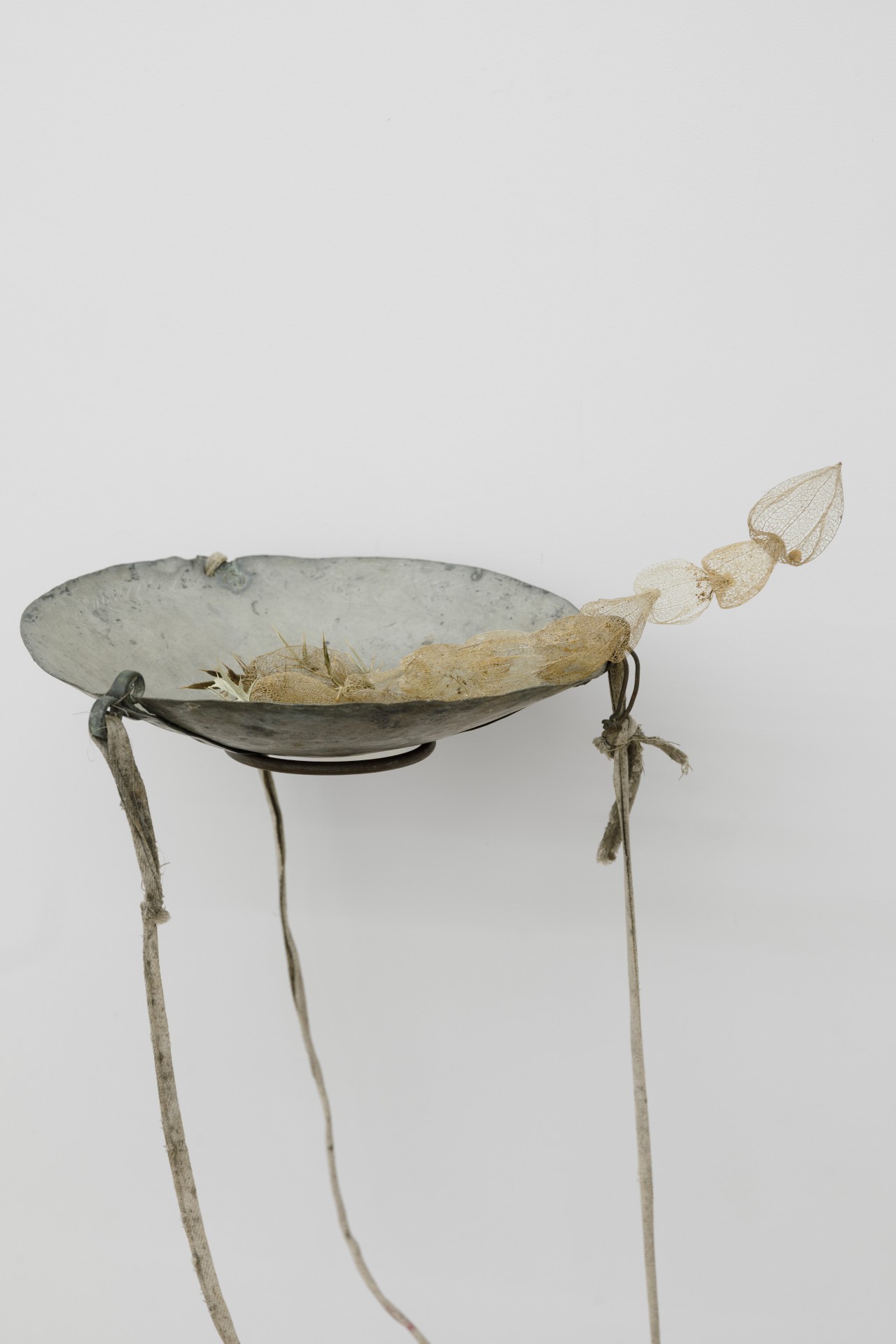
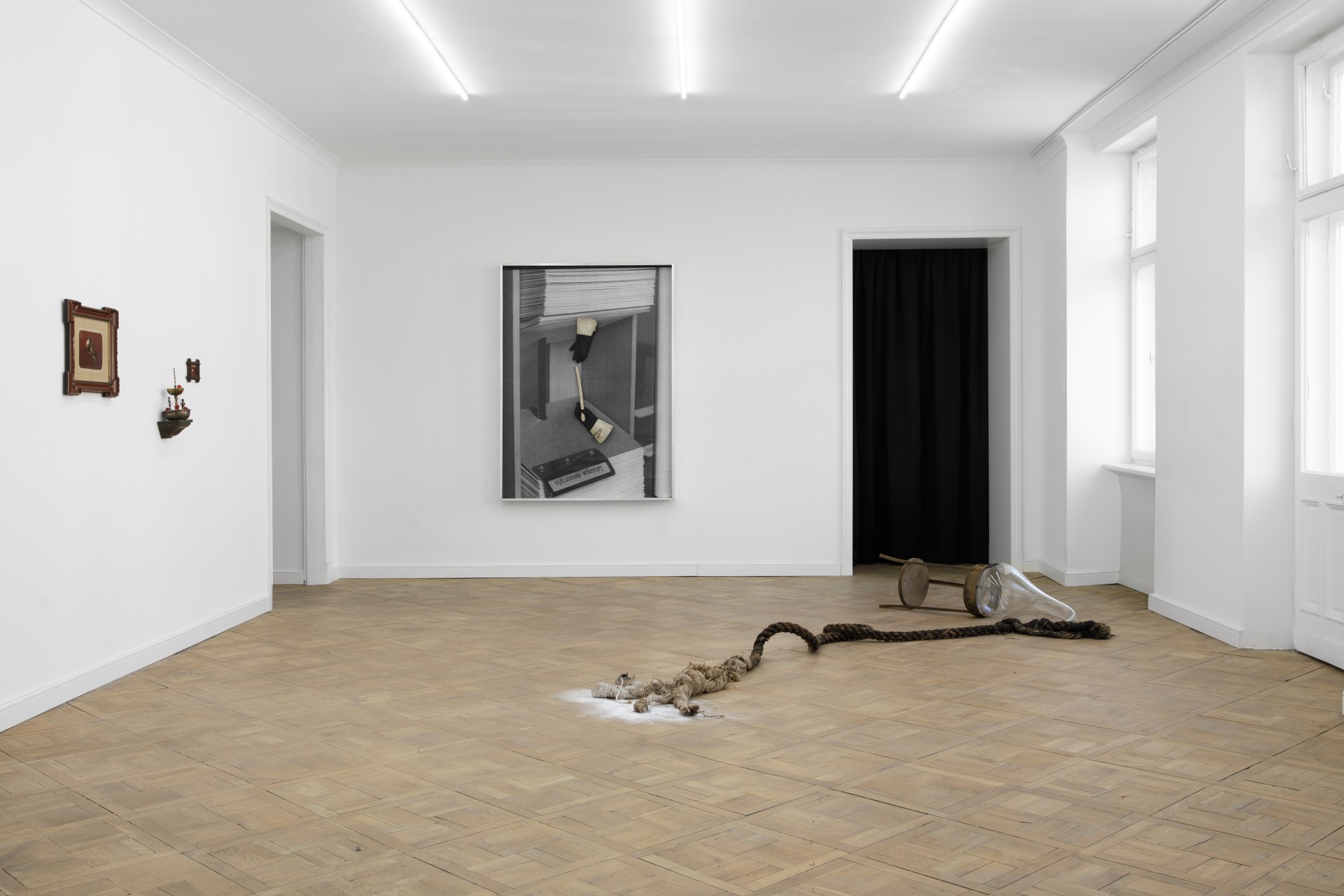
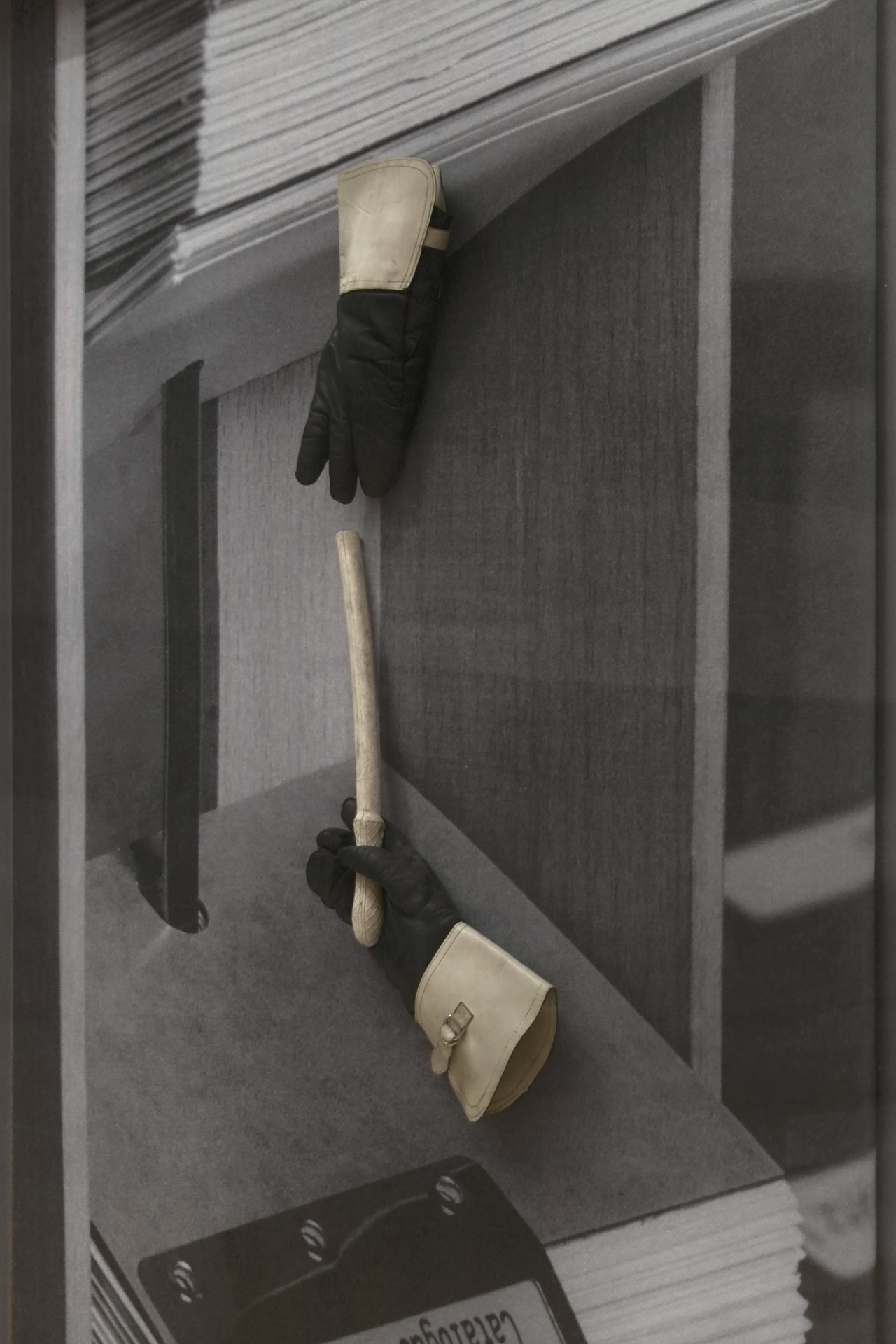
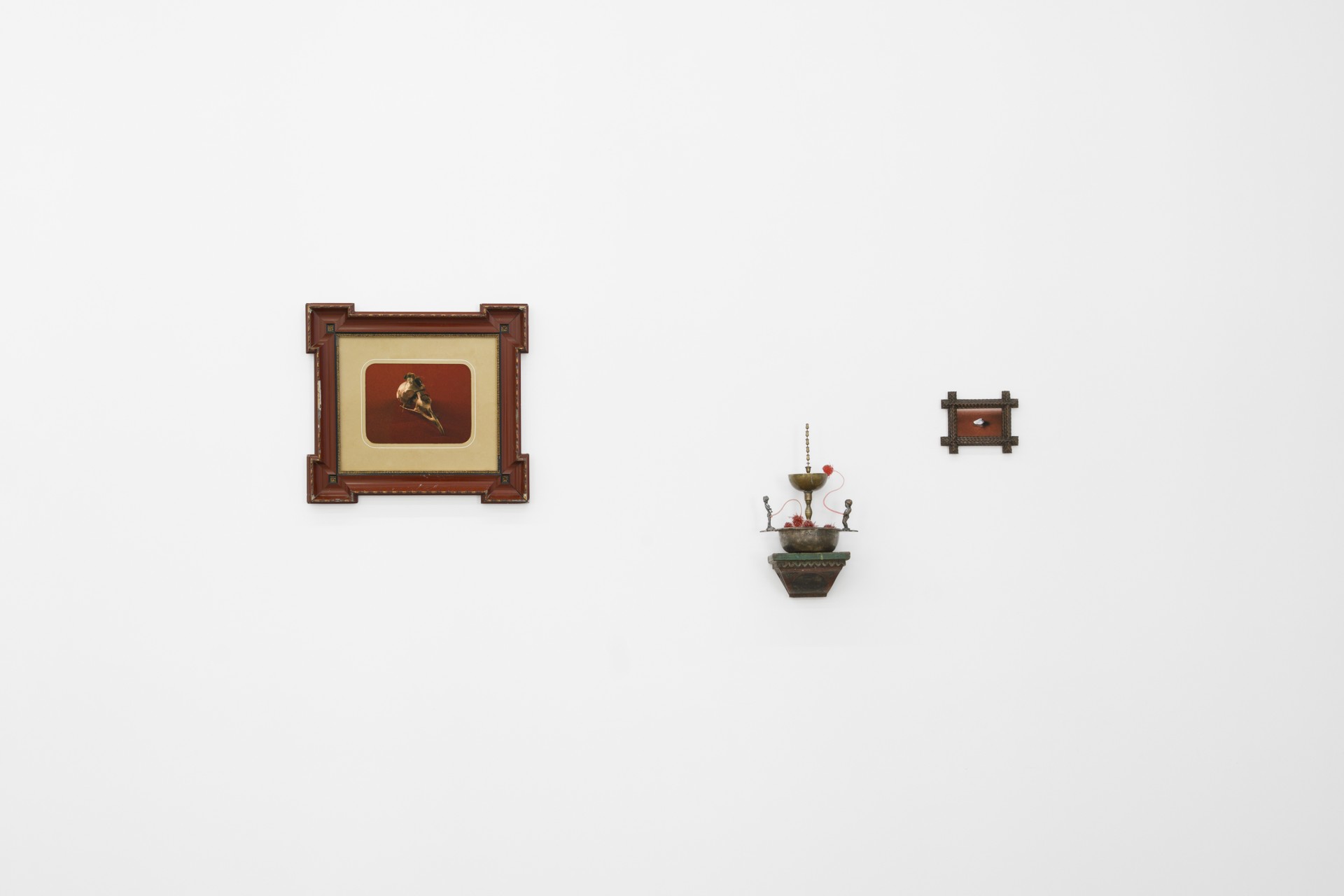
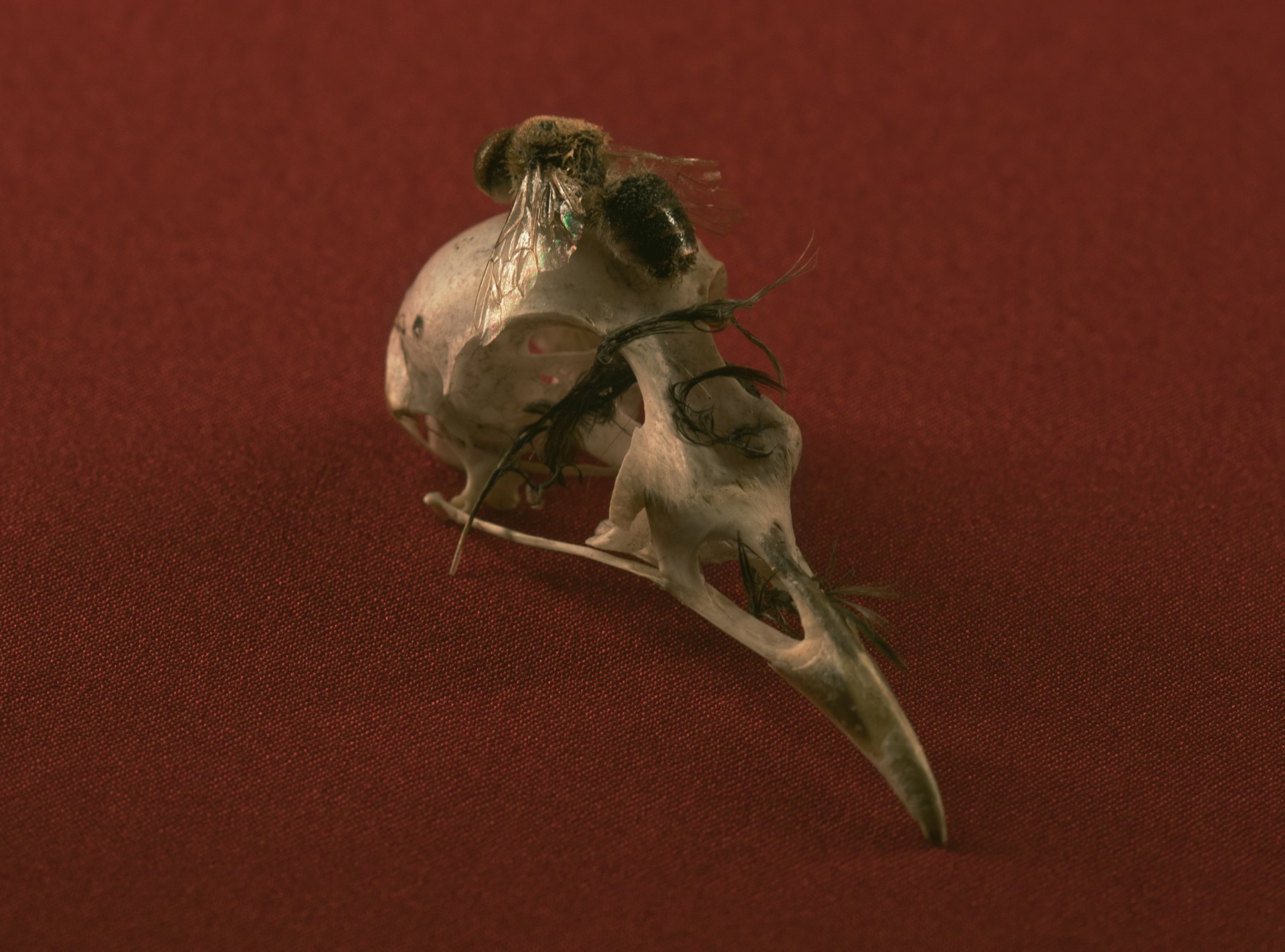
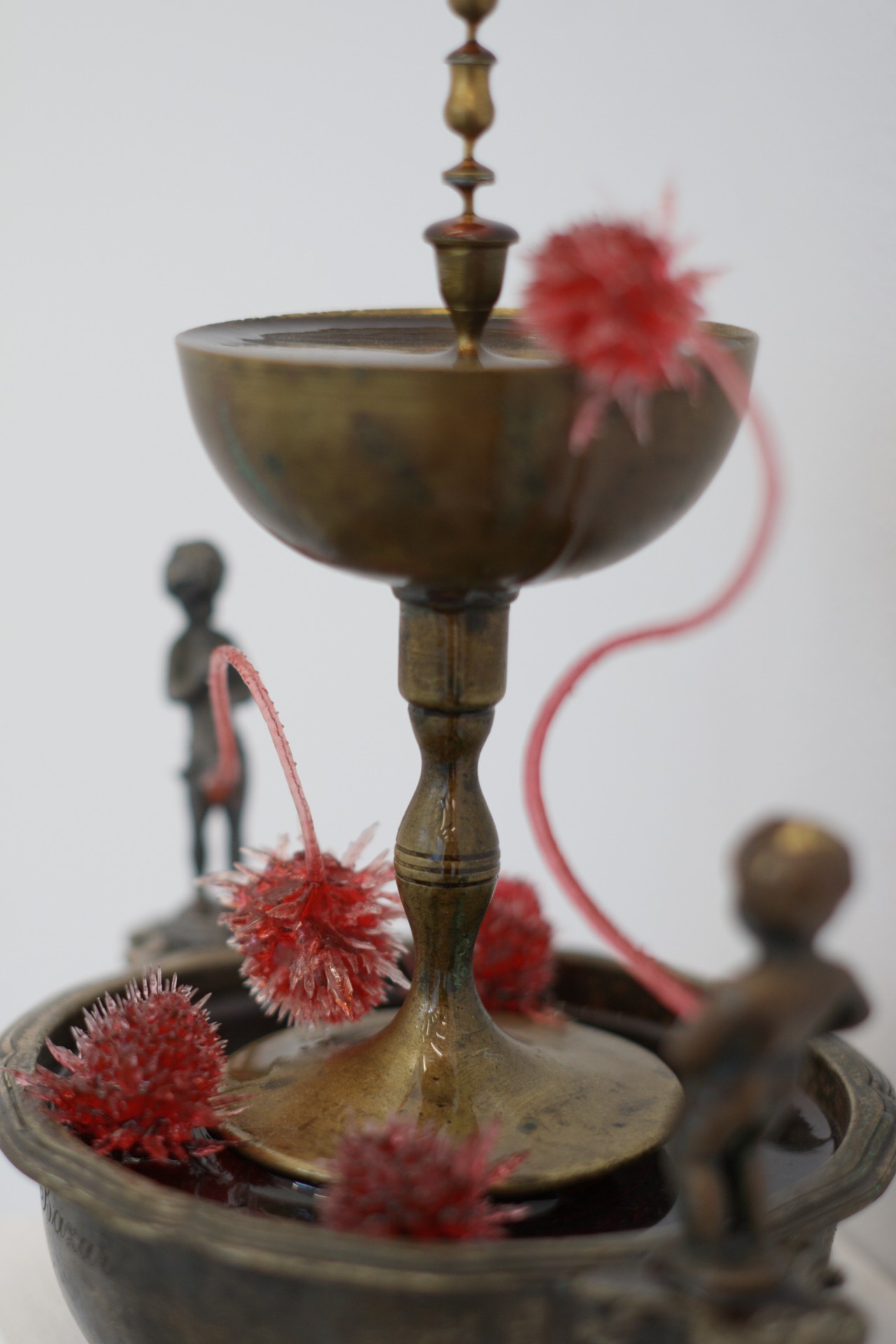
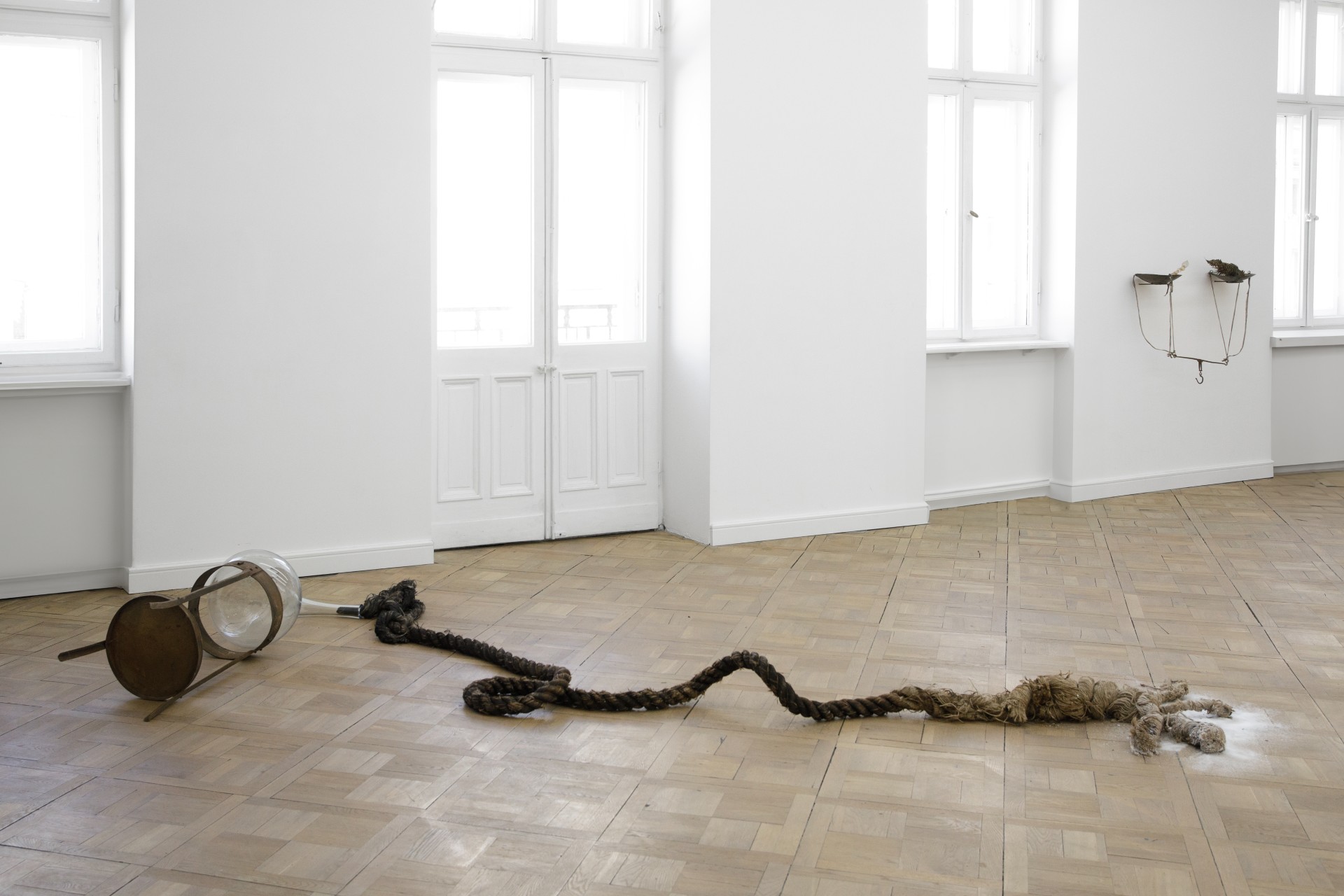
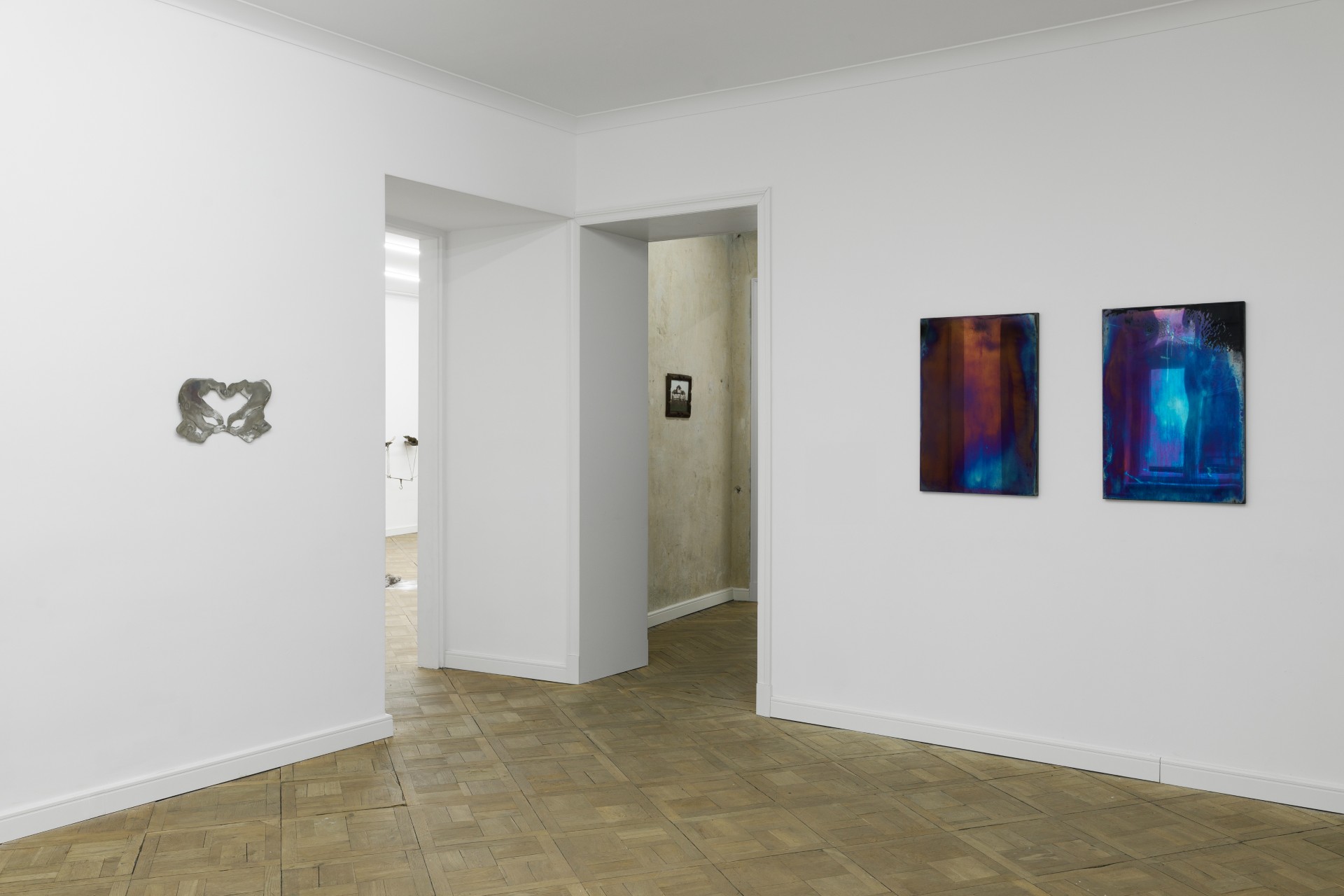
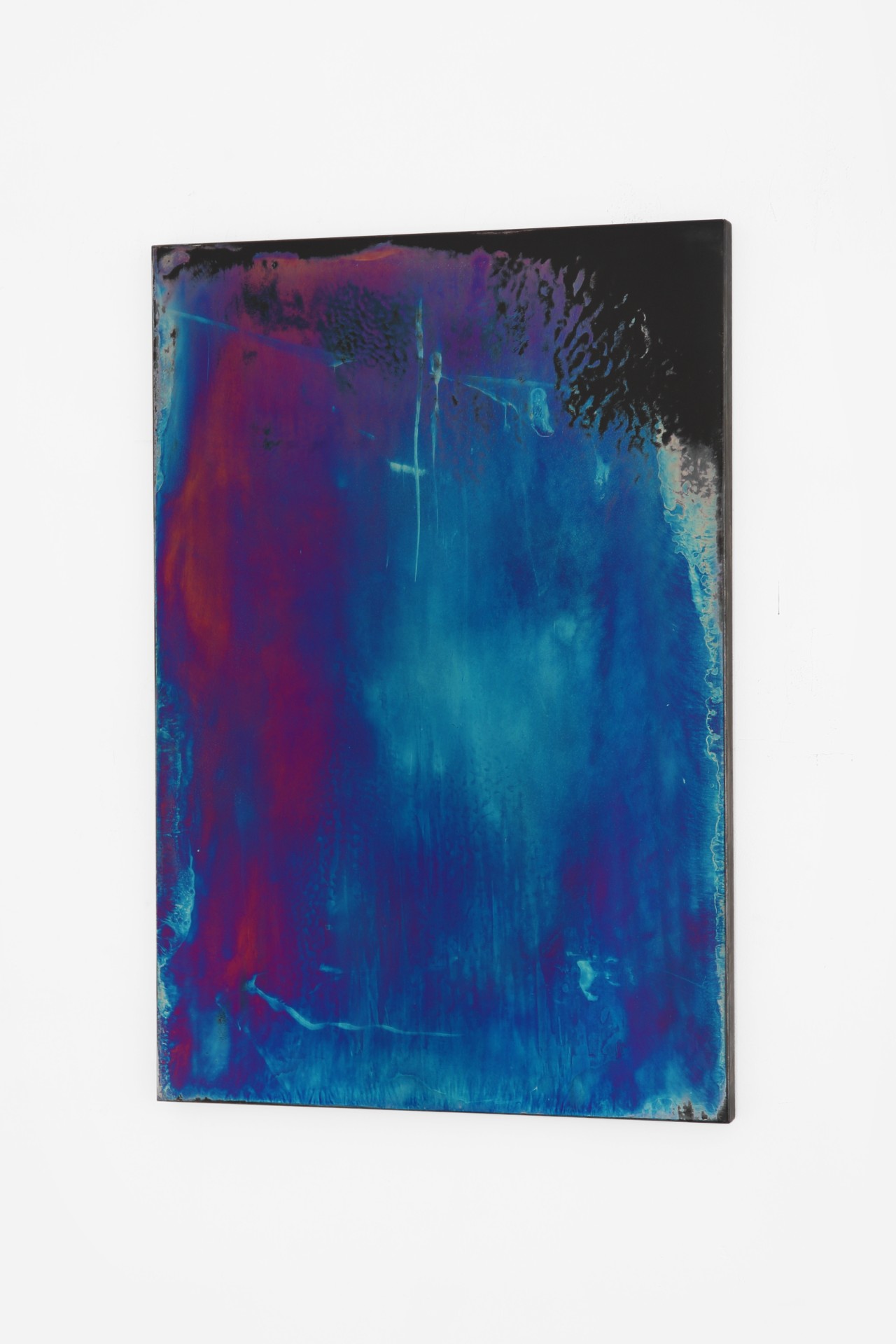
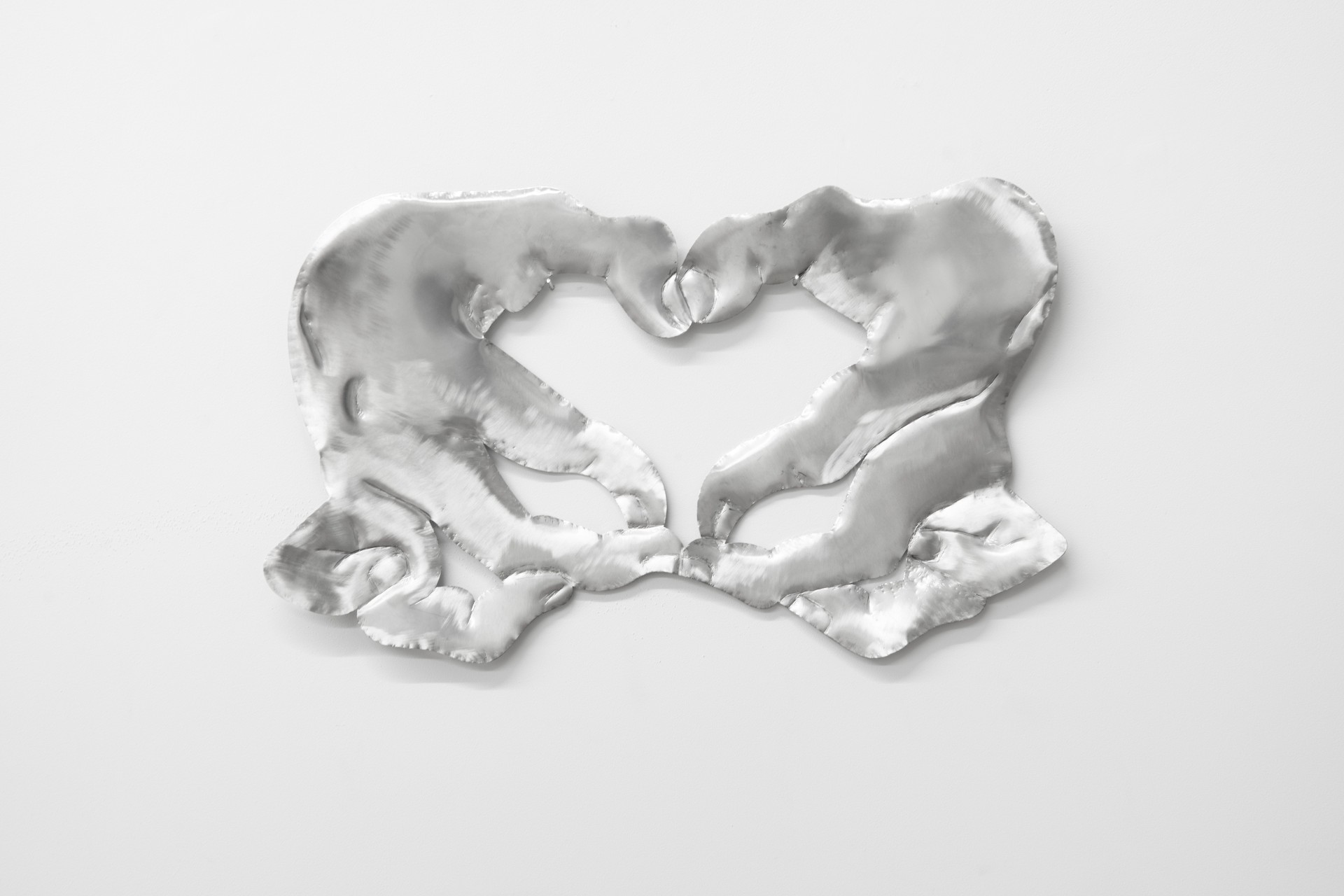
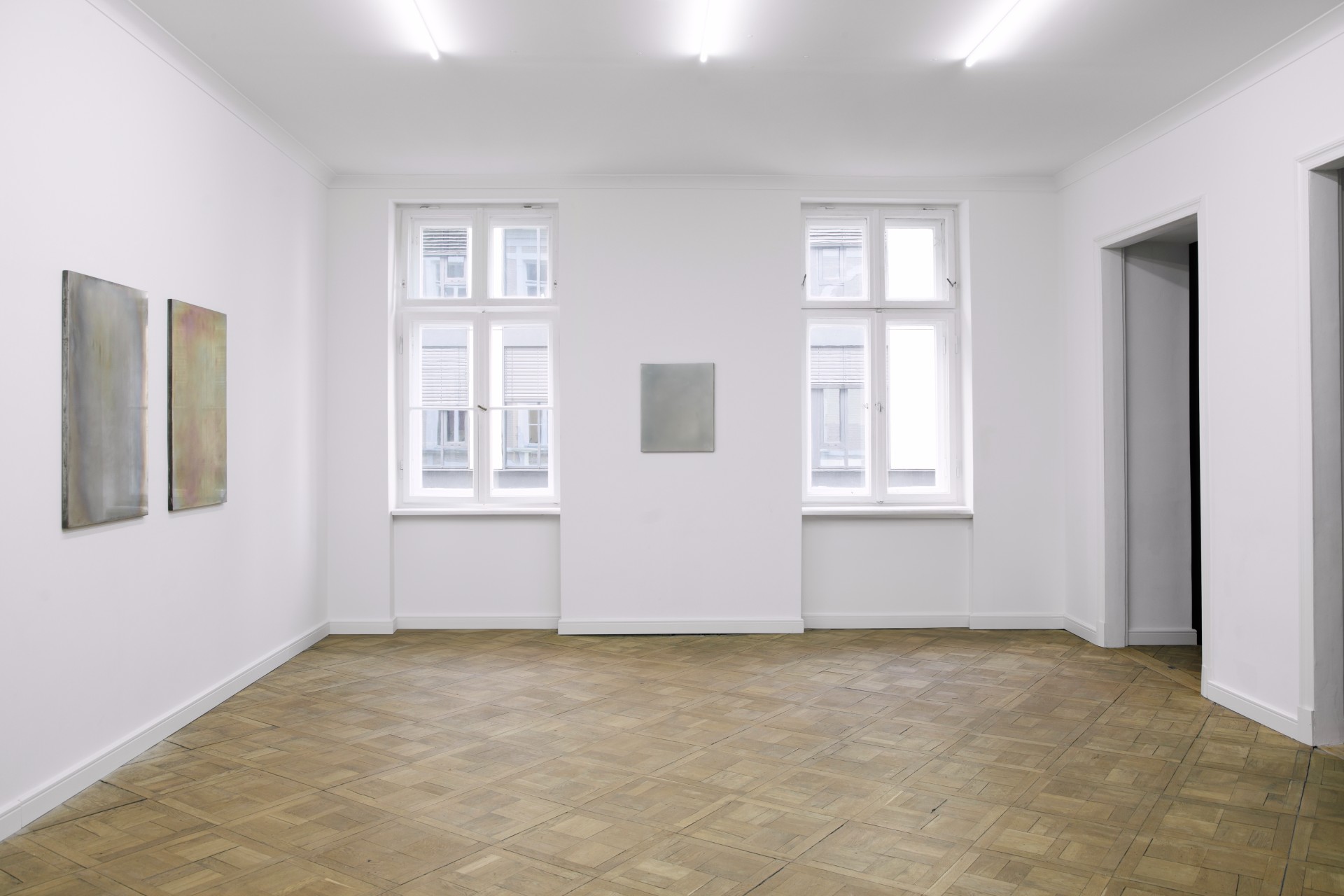
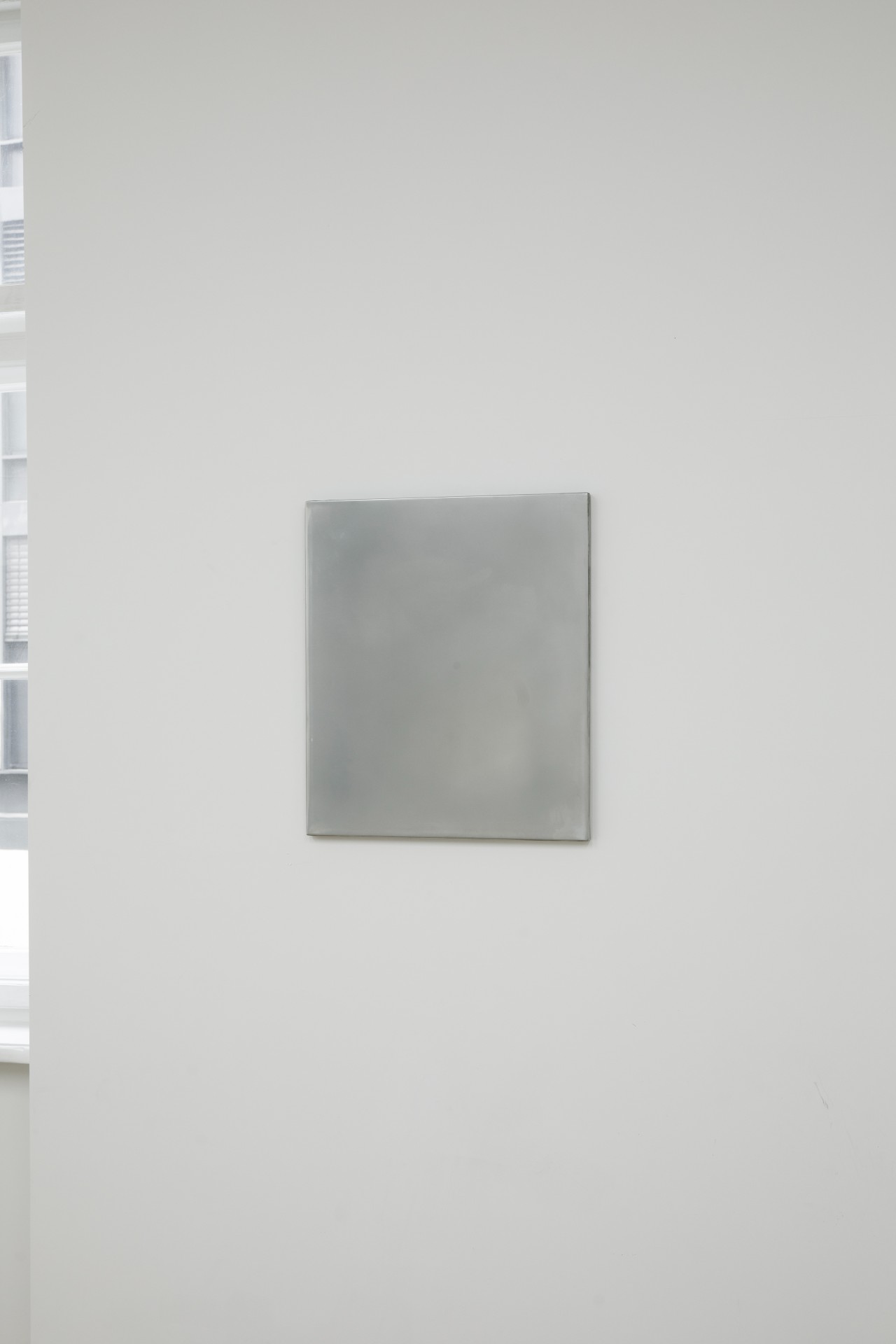
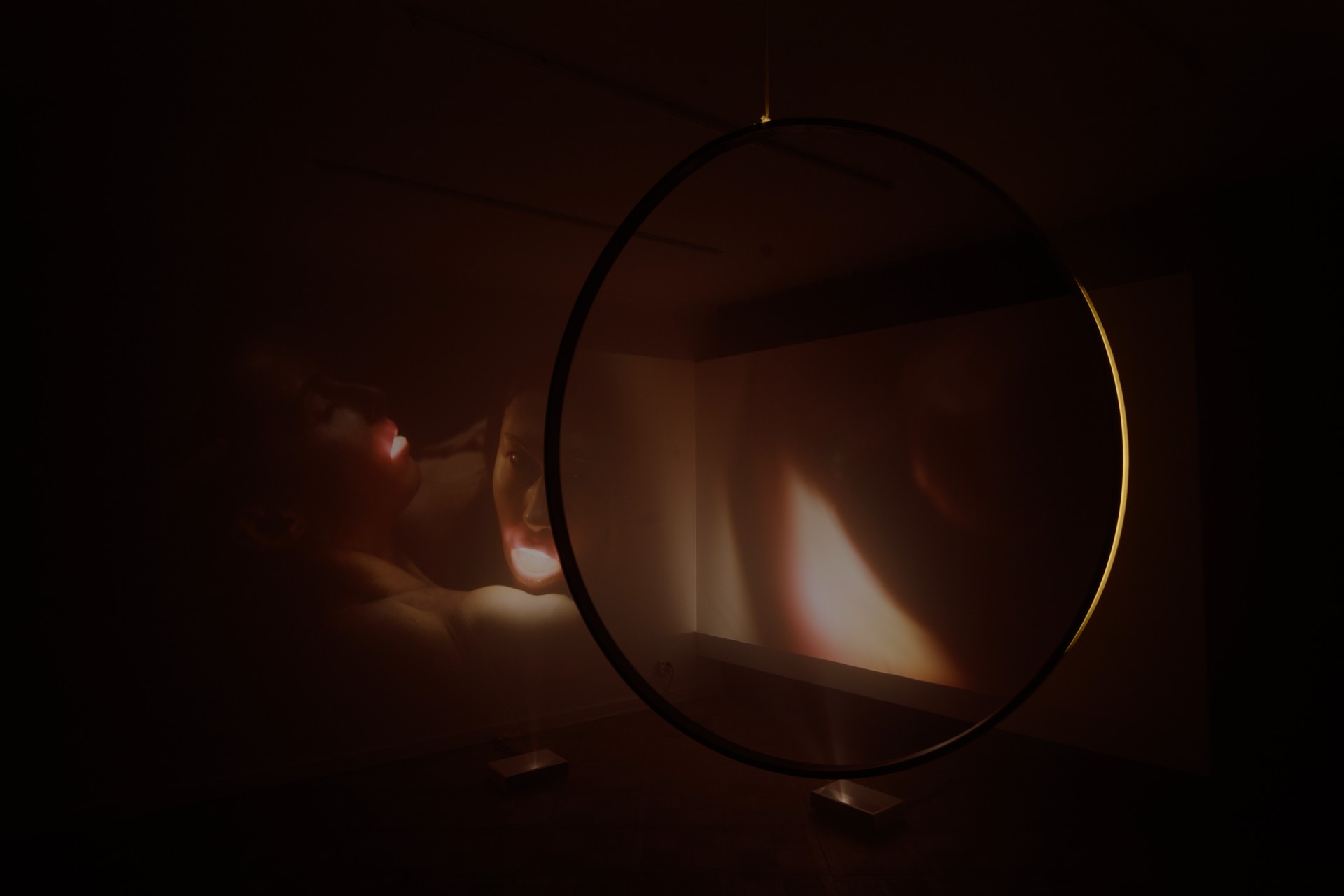
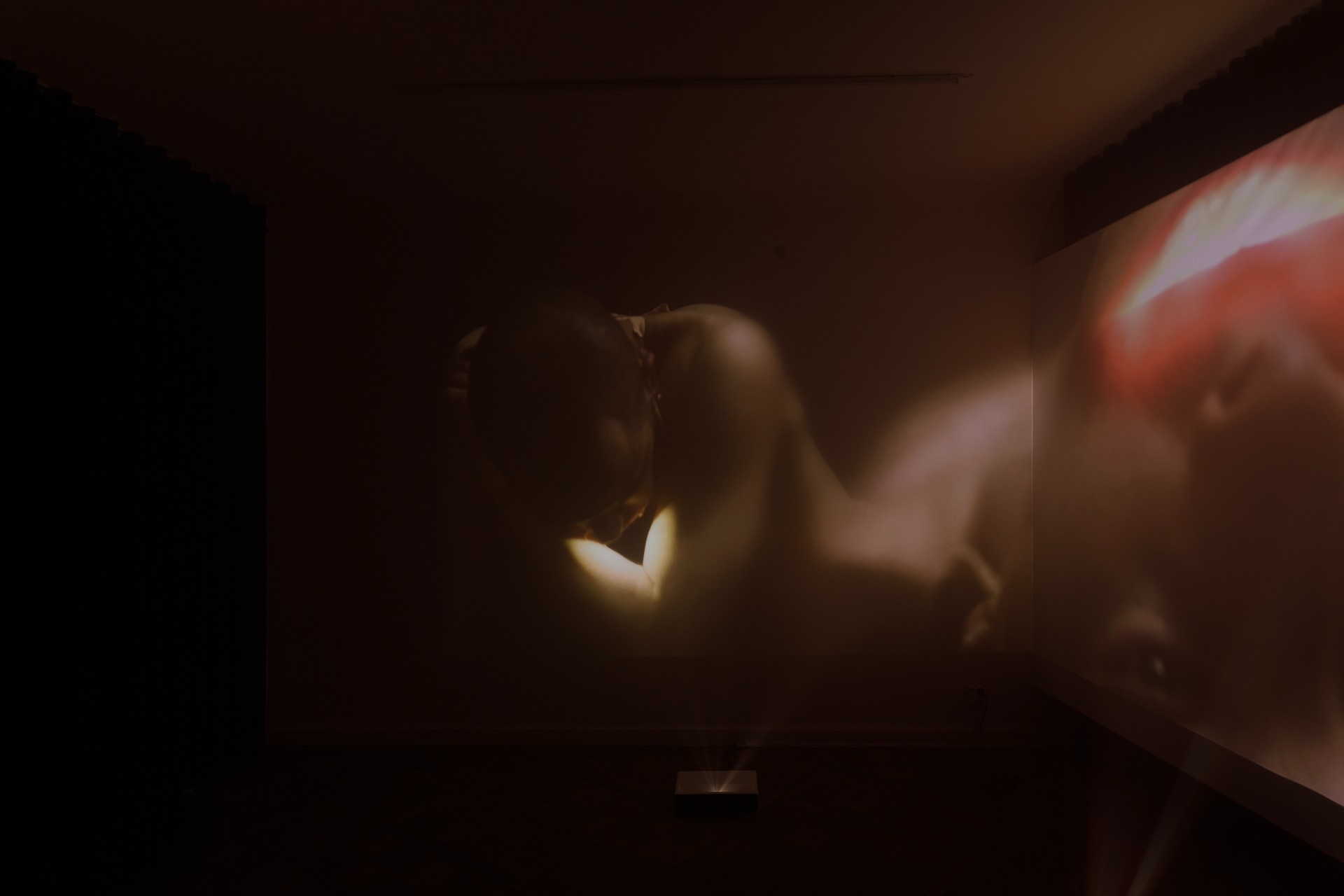
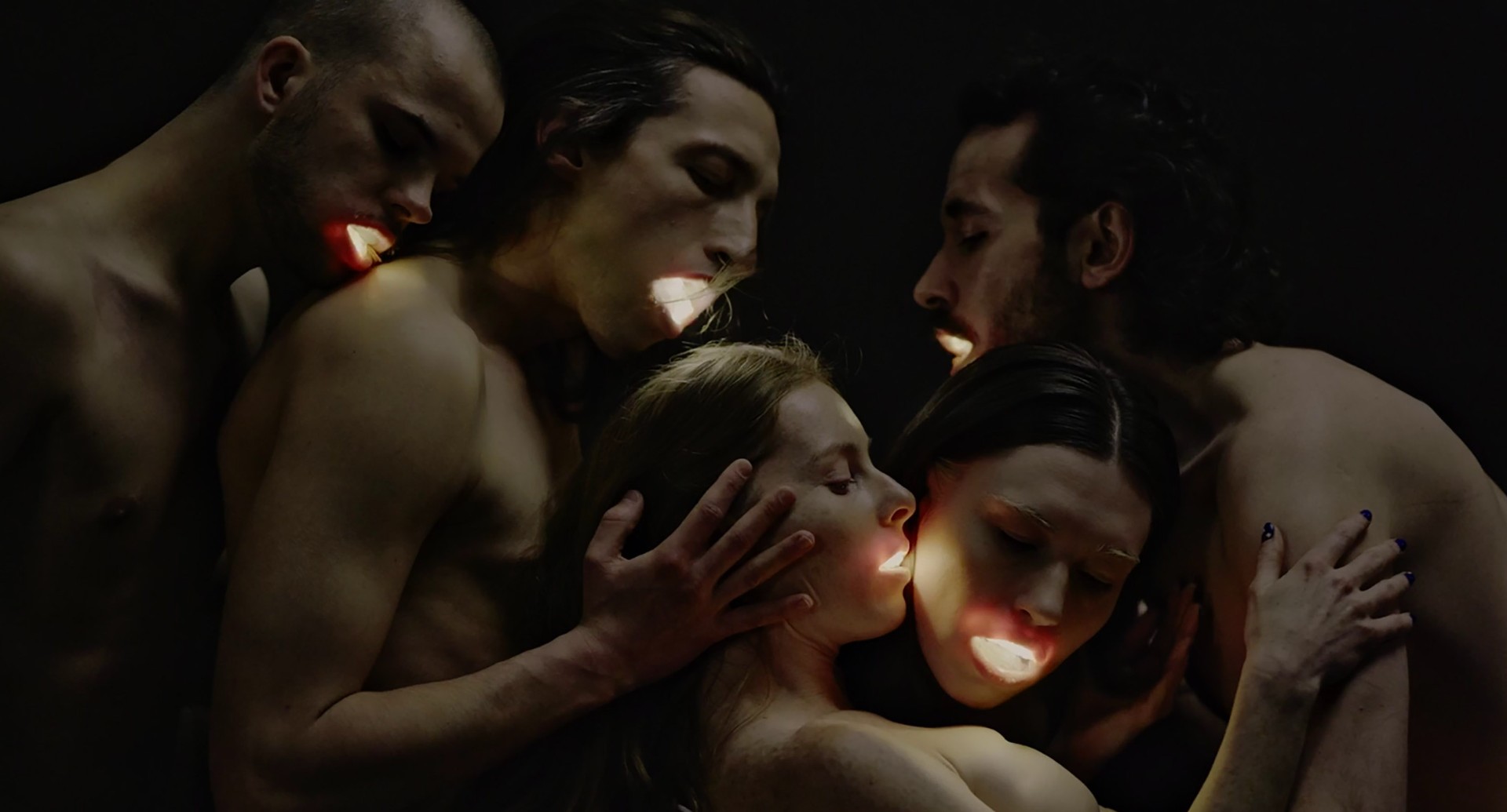
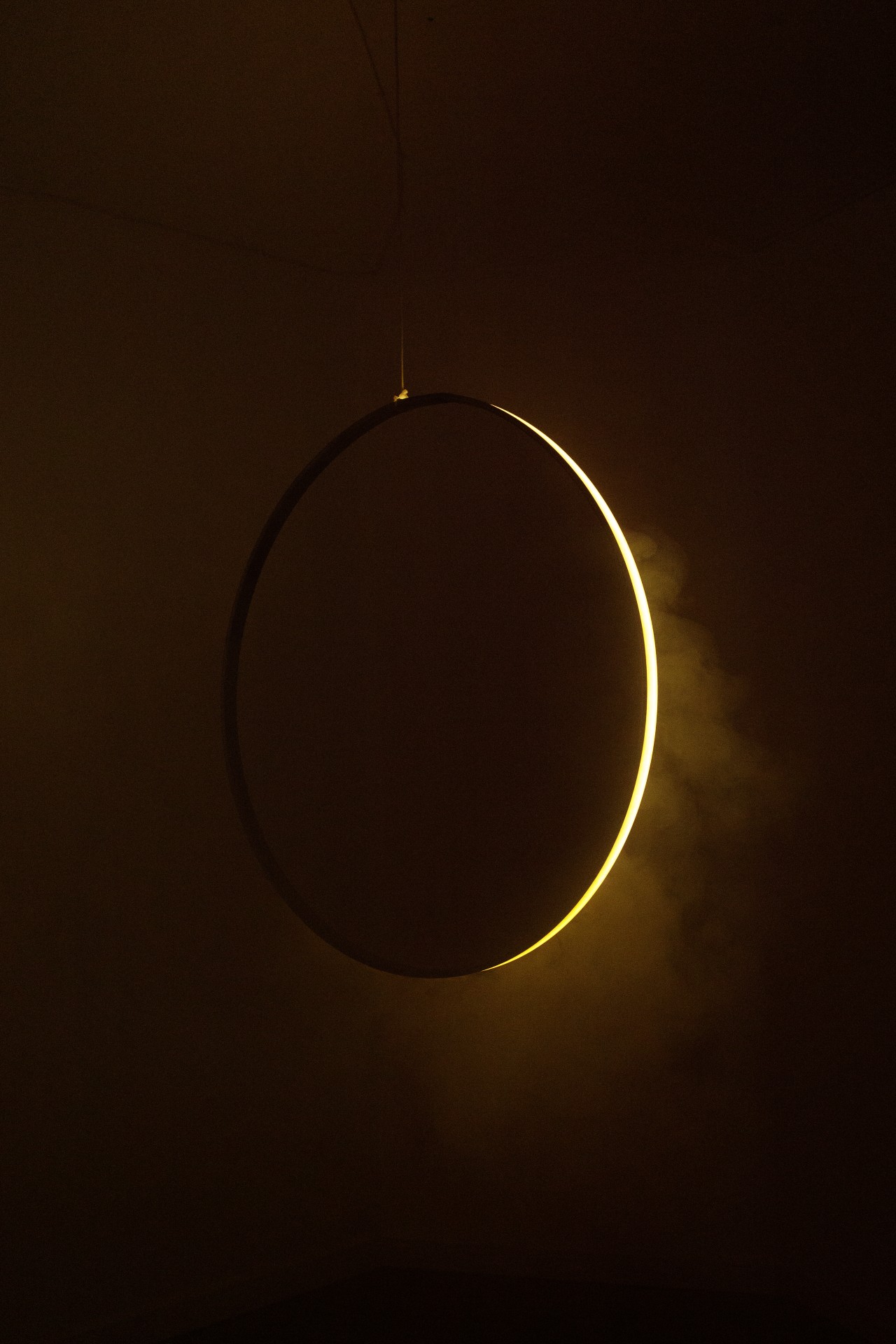
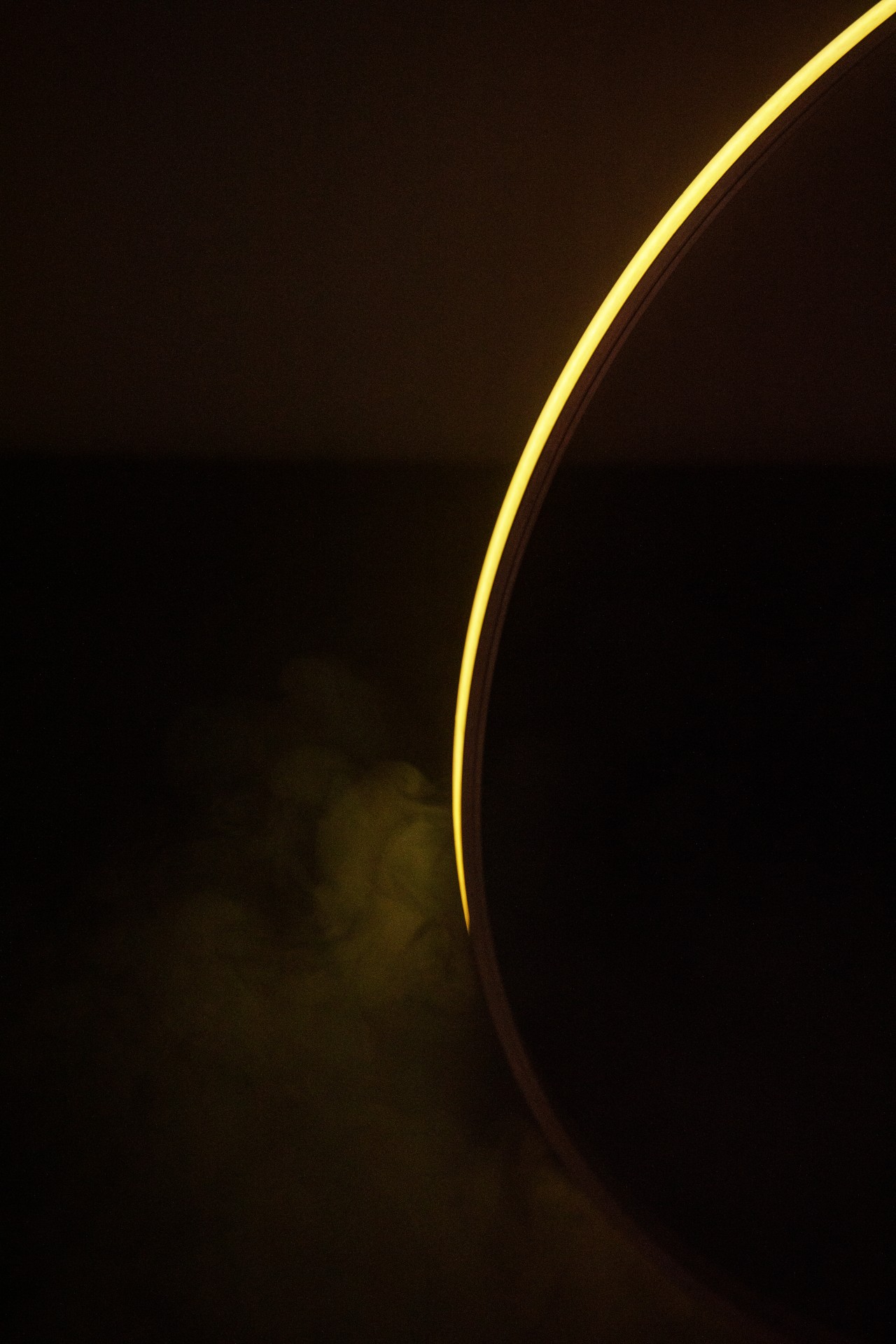
A year ago, we opened the doors of bliss at 5 Szpitalna Street. Thinking about the gallery, its location, and Warsaw itself brought to mind the idea of an open system. Borrowed from the language of technology and biology, the term describes something living and changing, remaining in constant exchange with its surroundings. With a slight wink, it can also refer to human relationships – something that is not sealed off and invites the presence of others. From the very beginning, the building has functioned like such a system. Over the decades, it has been passed through by residents, craftsmen, hairdressers, clerks and, today, by artists and visitors. The details of the façade have changed, as have its functions. The gallery and every exhibition operate similarly. Nothing is autonomous. Works enter into relation with the architecture of the place, the history of the street and the body of the person standing in front of them. The exhibition "Open System" develops this logic by intertwining different orders: images and objects taken out of everyday circulation, stories embedded in the city's architecture, and situations of encounter between people. This aspect of urban visual culture appears in the works of Andreea Anghel, who draws on forms associated with the urban fabric – advertising displays, bus-stop billboards, shopfronts and display windows. Removed from their usual context, objects and images appear here in a new arrangement. The gesture recalls cabinets of curiosities and Dada assemblages – a kind of fetishisation of elements that would otherwise remain unnoticed. Magdalena Lazar’s photograph draws on the visual language of advertising and 3D renderings. It presents a form resembling a nest built from fragments of plexiglass – remnants of production the artist chose to preserve. Max Radawski works with organic forms collected during his travels, combining them with objects taken from other contexts. His works can be read as a record of transformation – a distant echo of alchemical processes. Paweł Zaręba works with Alucobond, a material familiar from commercial architecture, subjecting it to chemical reactions that recall the history of photography. The surface responds to light and to the viewer’s movement, shifting with the angle of vision and revealing new nuances of the image. In the final room, the intimate performance “Lightworkers” by Piotr Lewandowski is presented for the camera. The camera focuses on the performers' bodies, which become sources of light. A gentle touch activates small points of light hidden beneath the fingertips. Next to the projection stands the installation “400 lux”, reacting to the intensity of sound in the space. In this sense, the exhibition forms another layer of this place. The history of the city, the architecture and the experiences of the artists meet here alongside those of the people visiting the exhibition. What we see is only one of many possible configurations – an arrangement that has come together here for a moment, and that may take shape differently with future exhibitions.