- Nem só o corpo veste a alma/ Not only the body wears the soul
- 13 Apr ― 04 May 2024
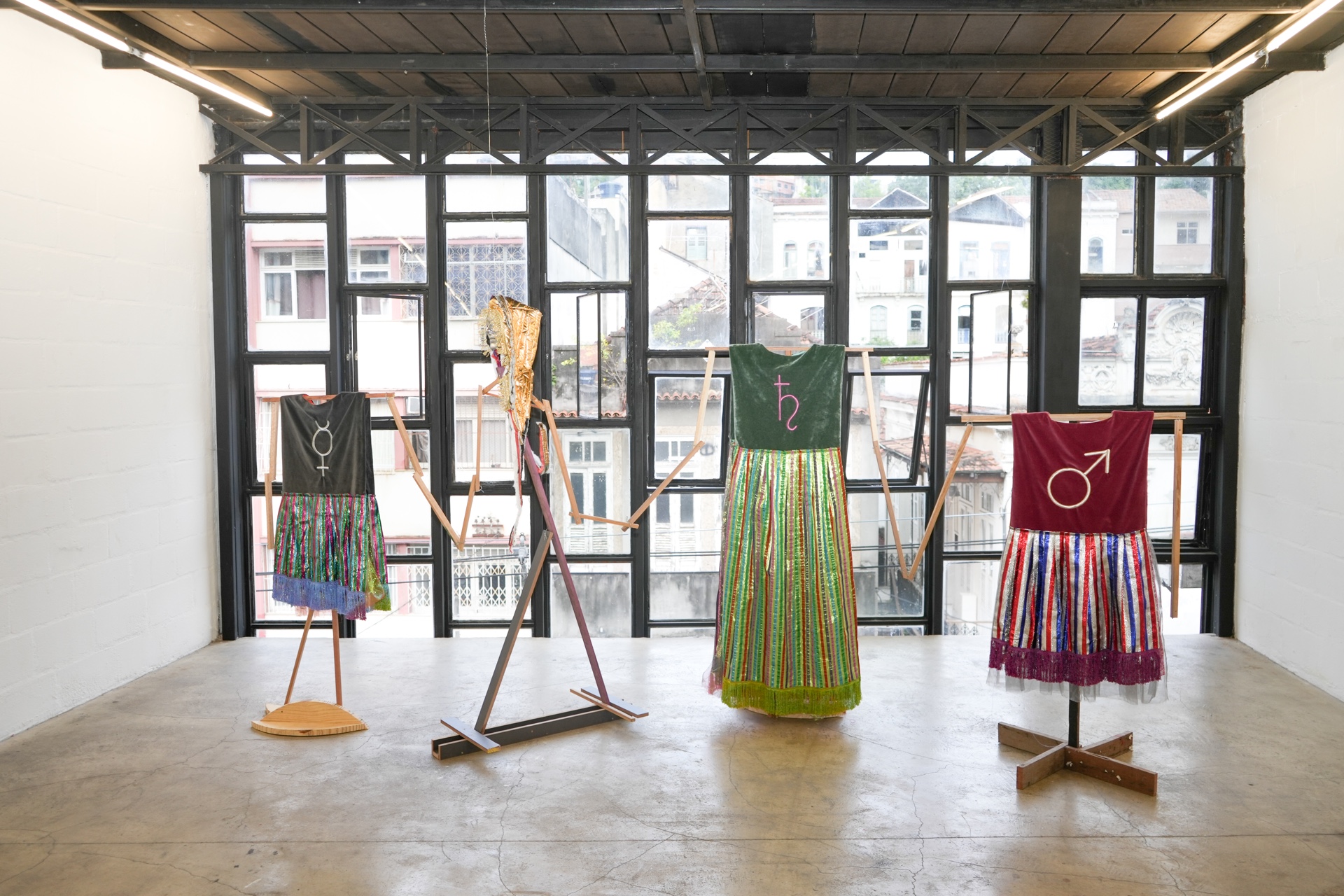
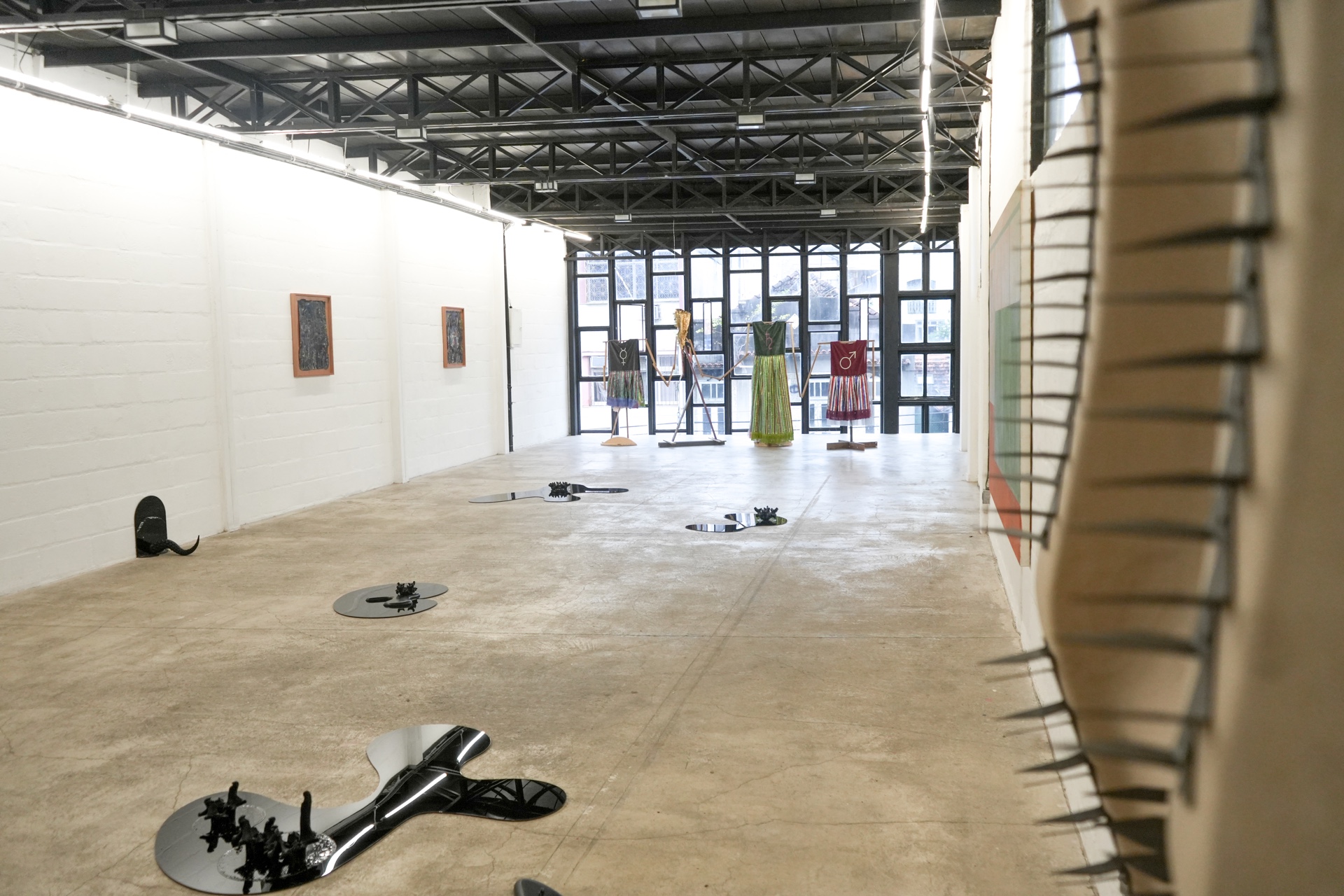
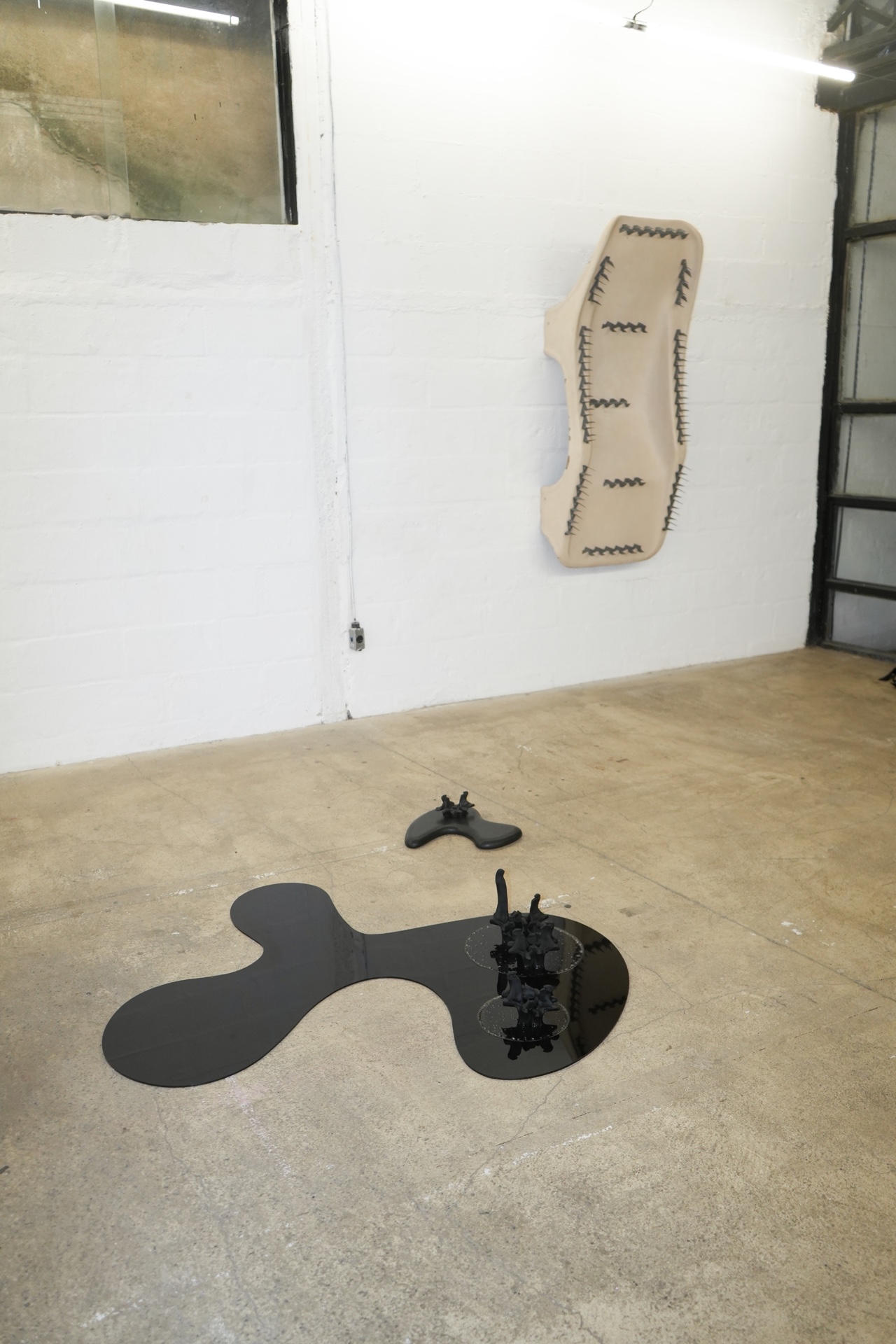
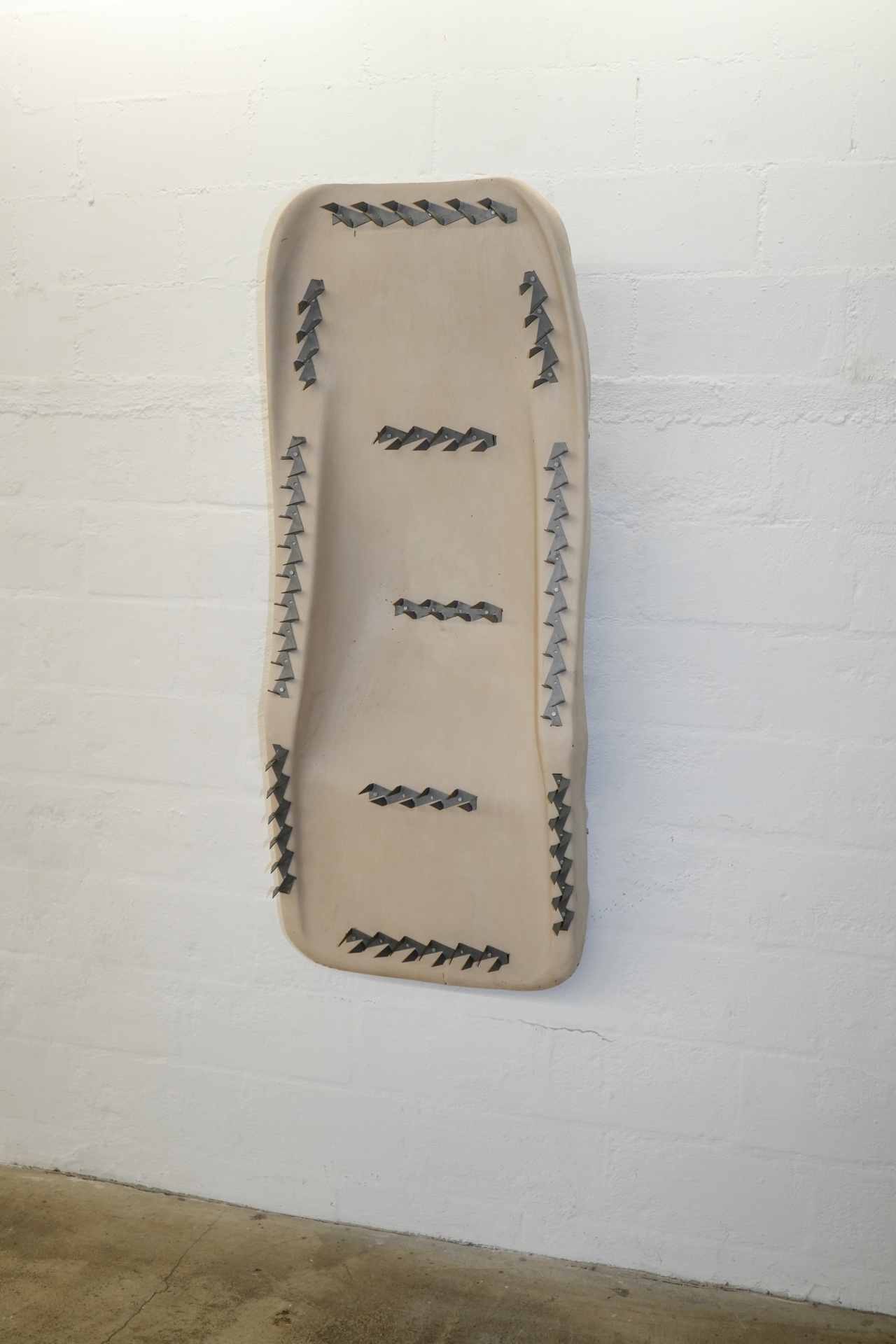
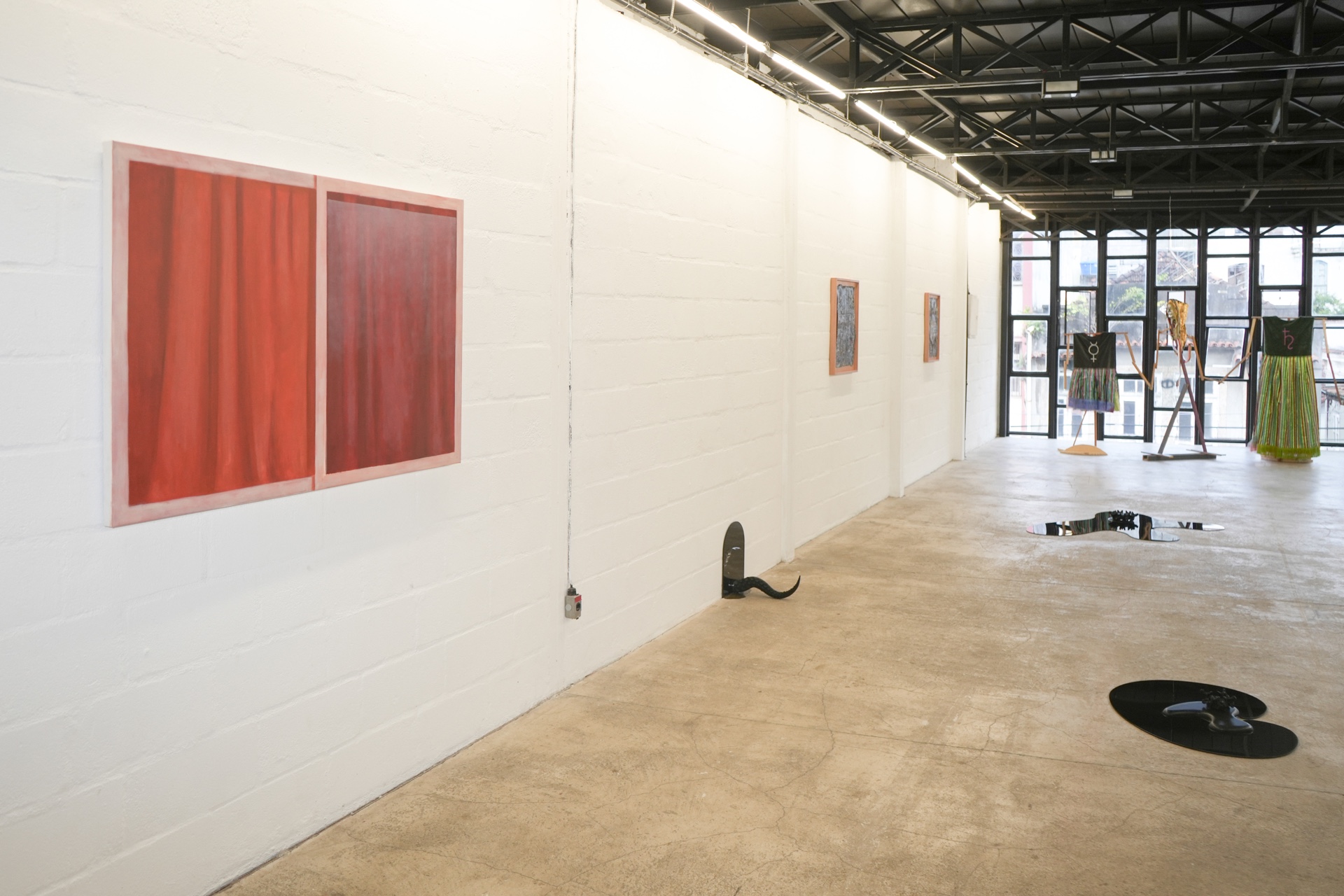
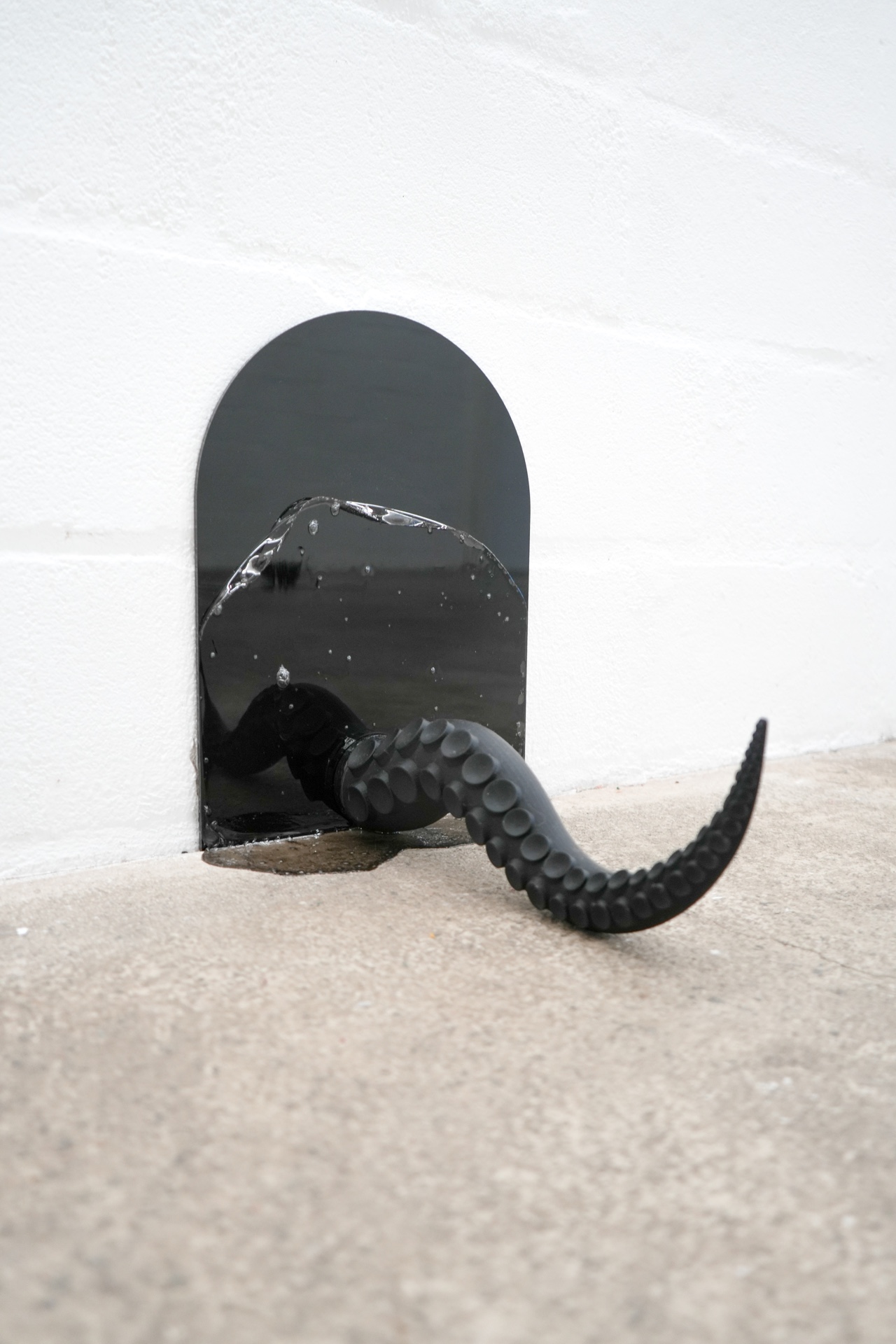
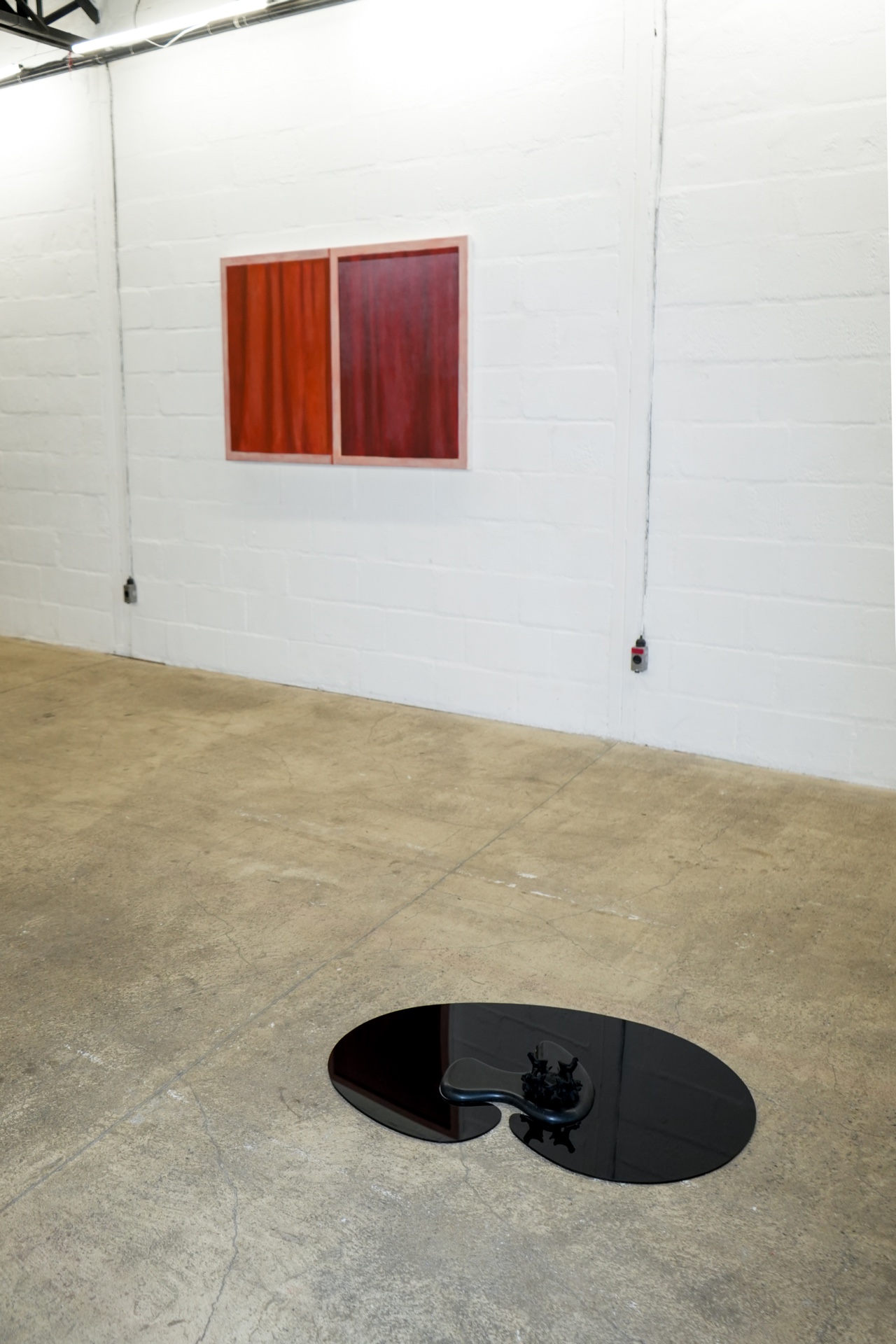
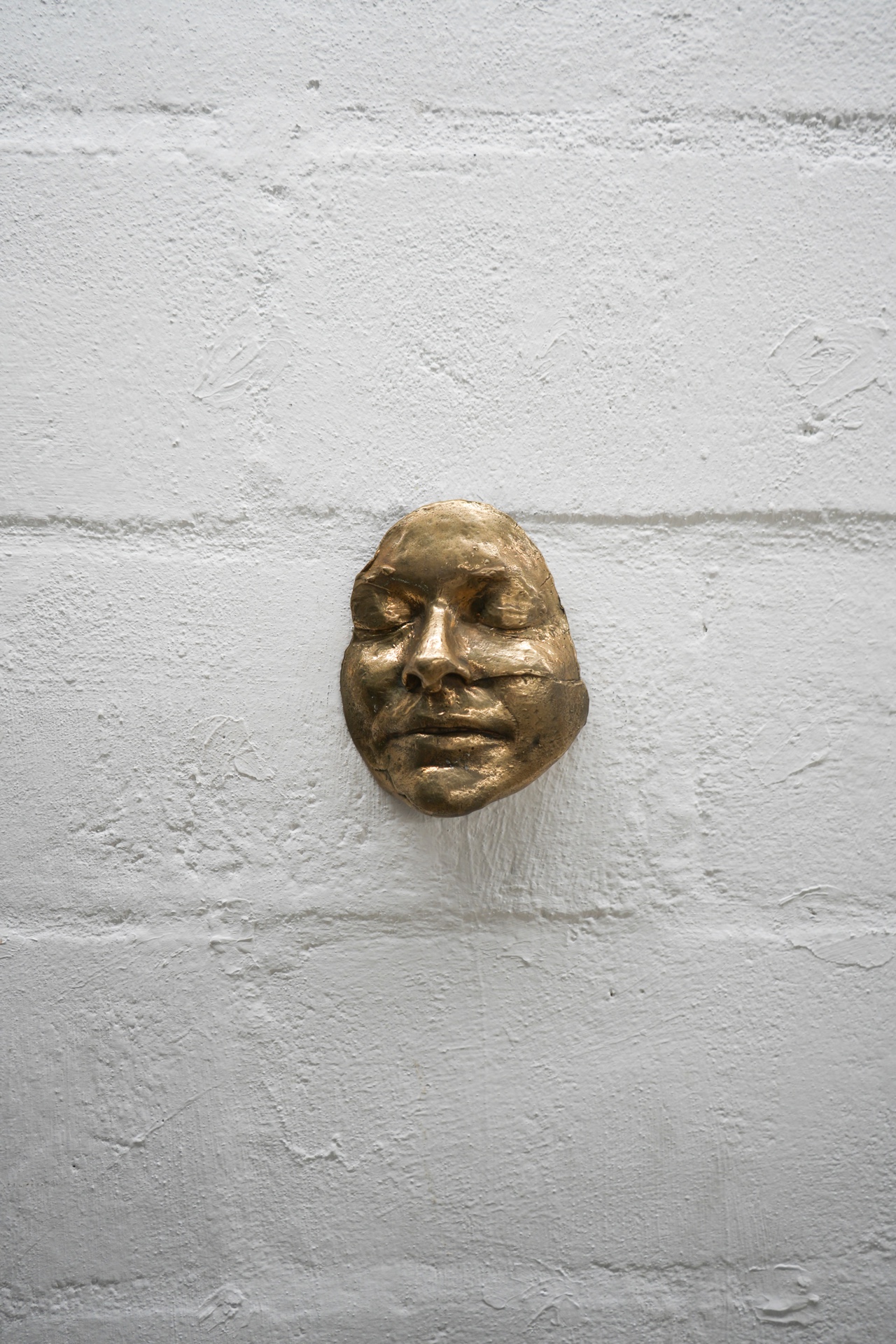
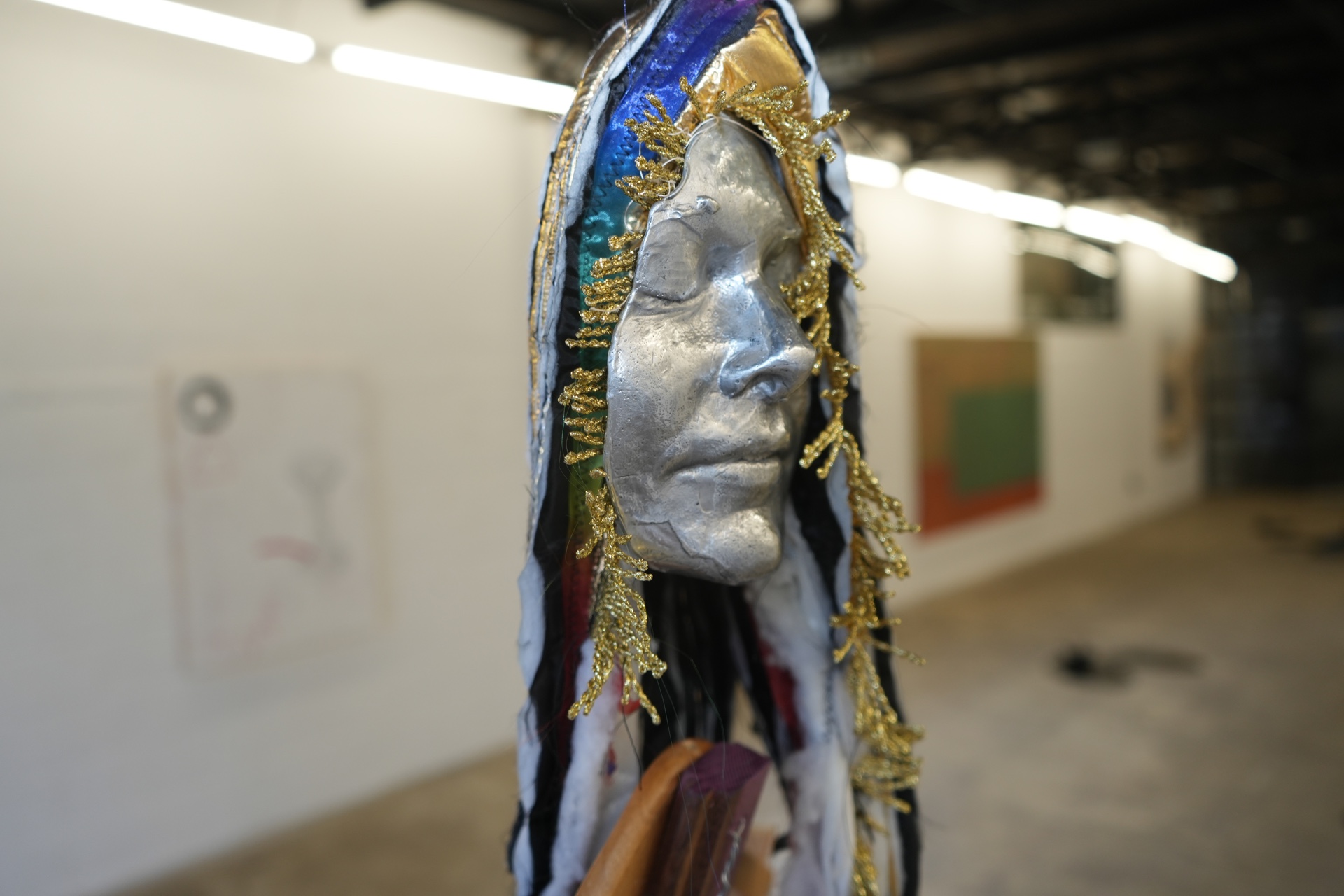
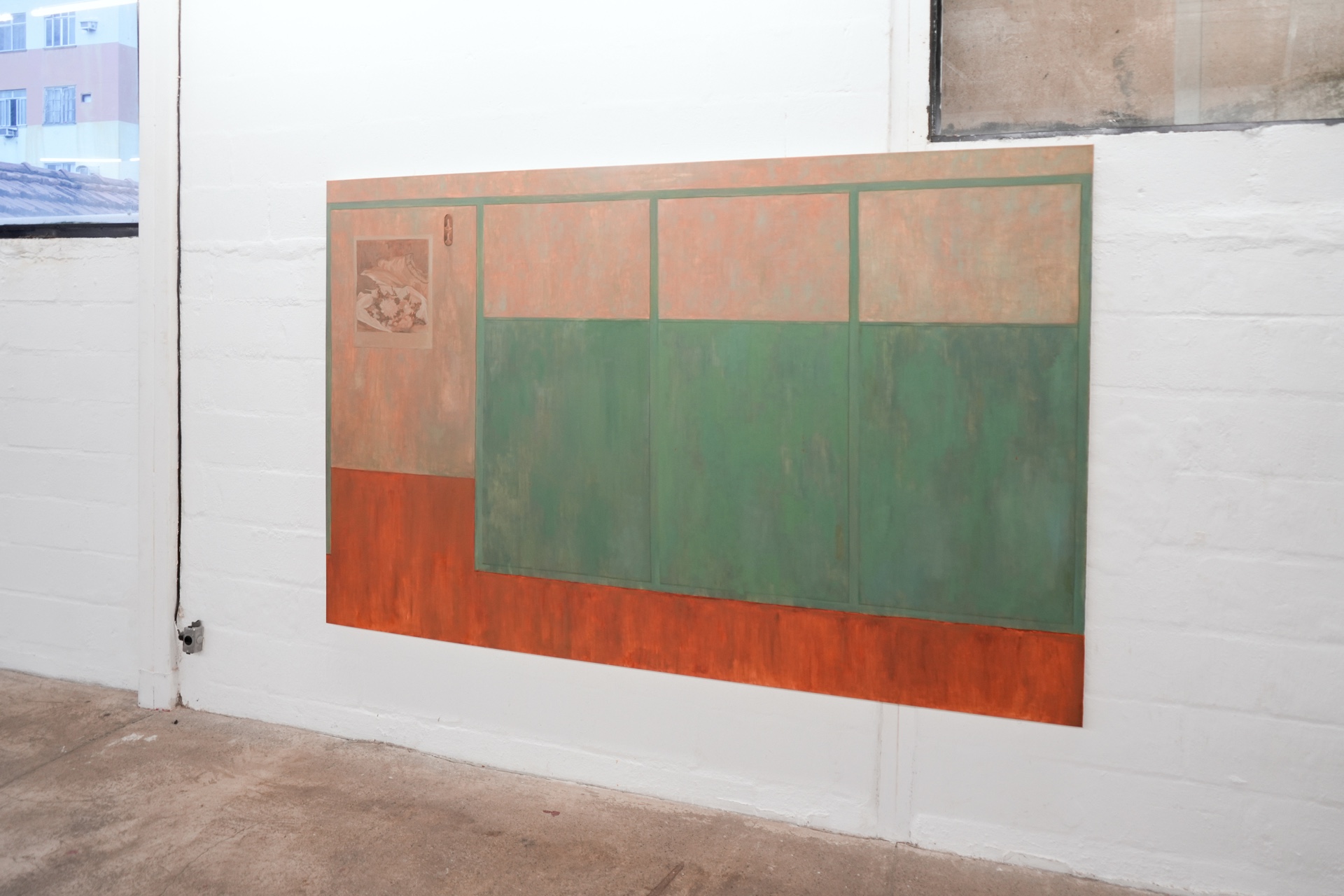
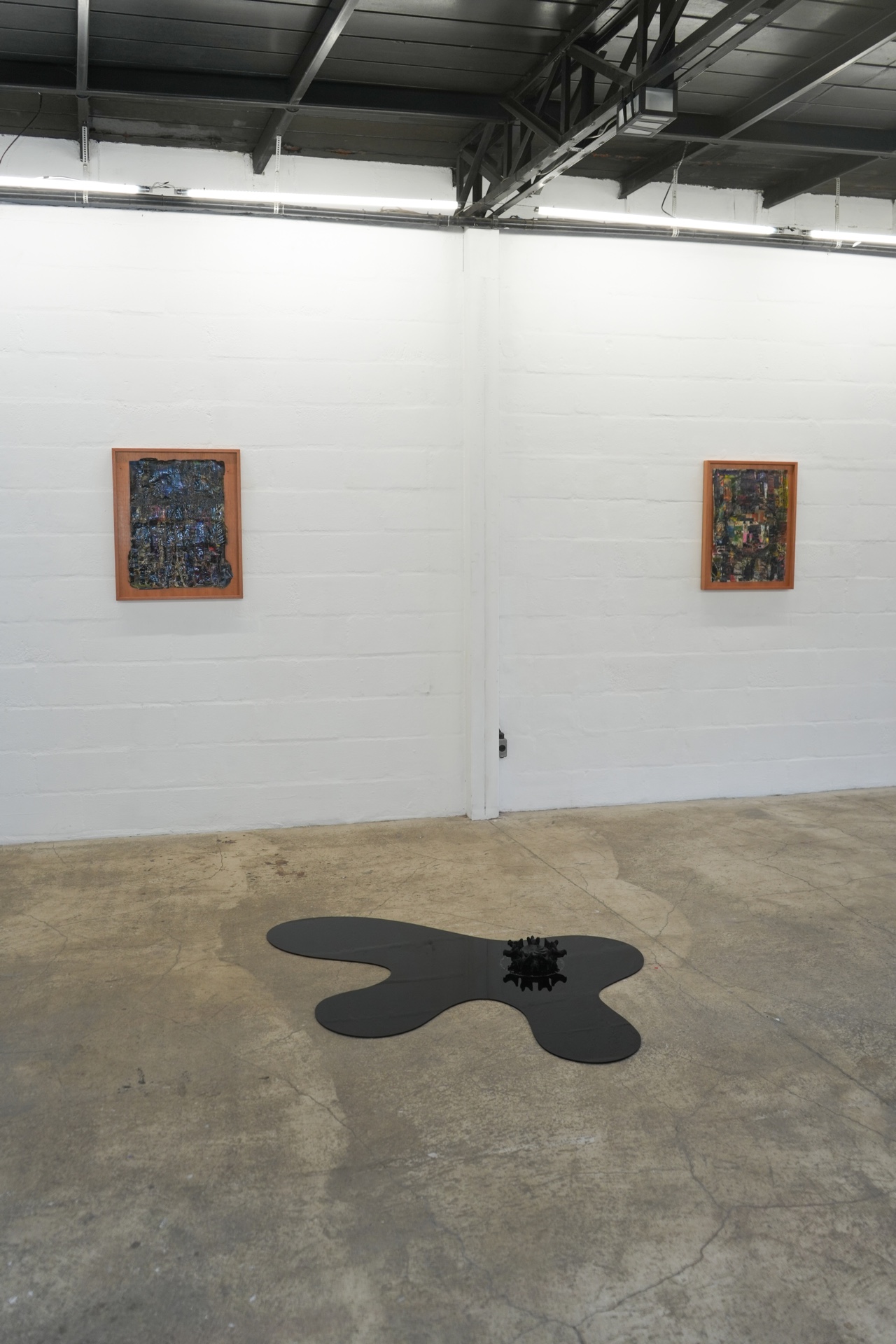
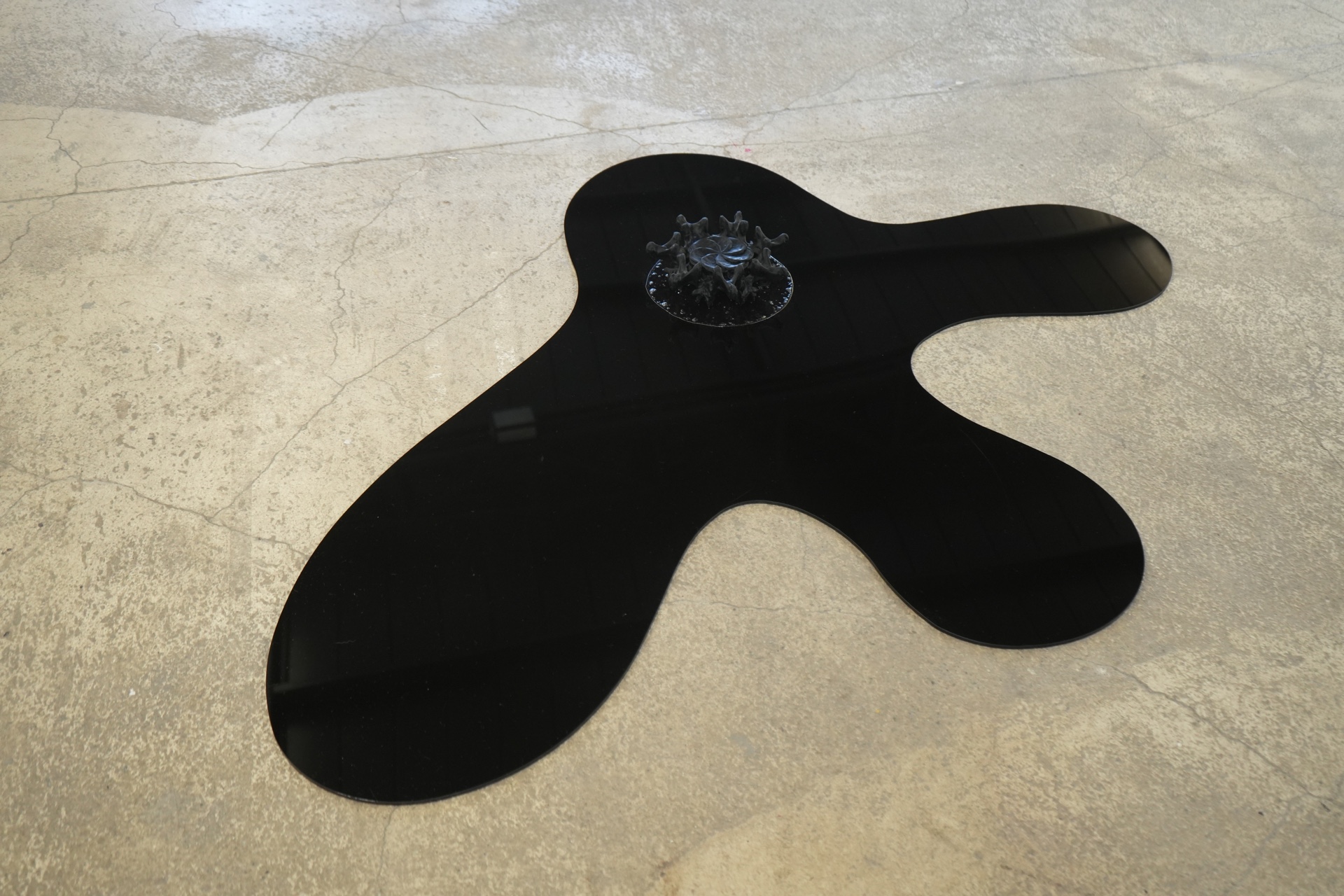
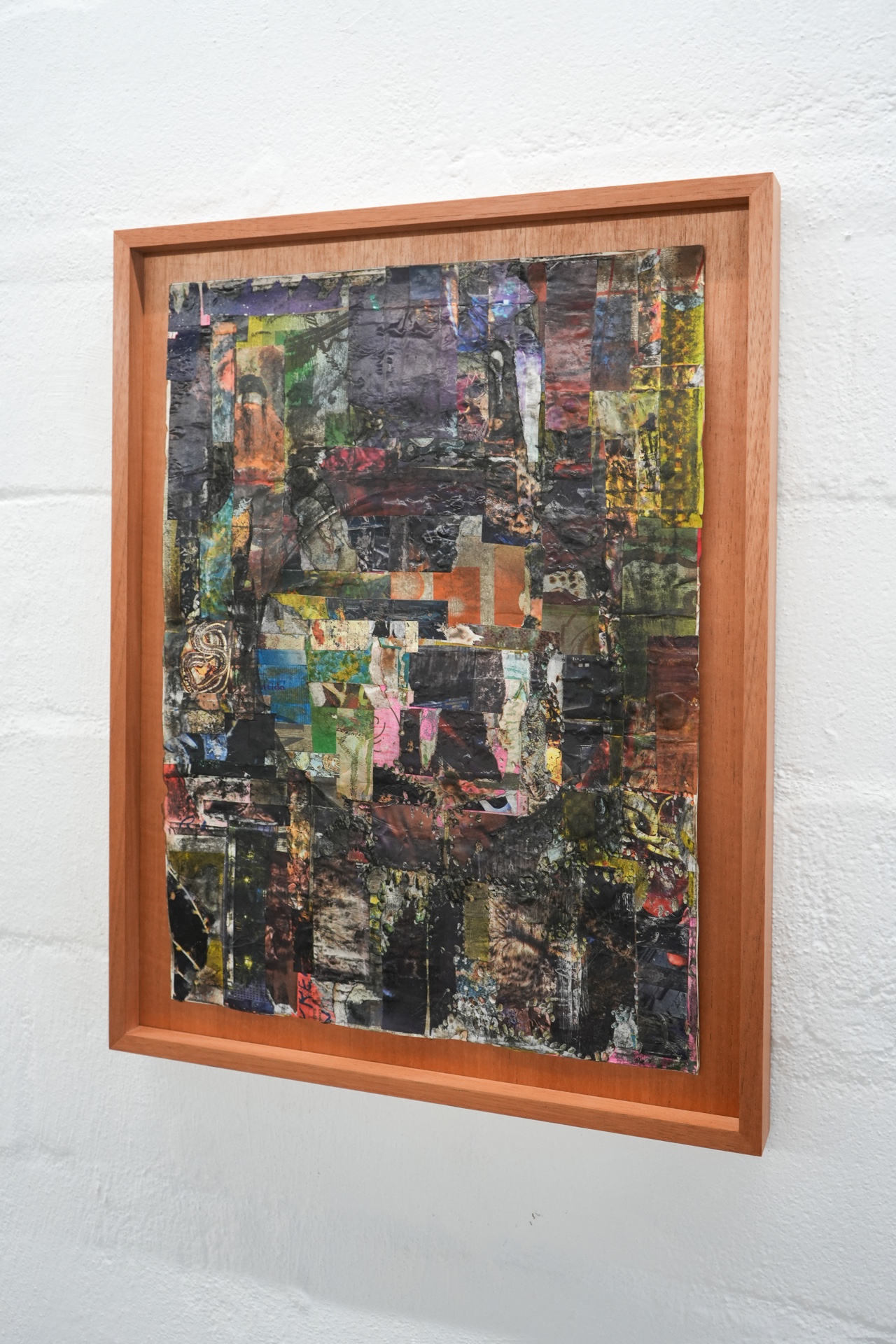
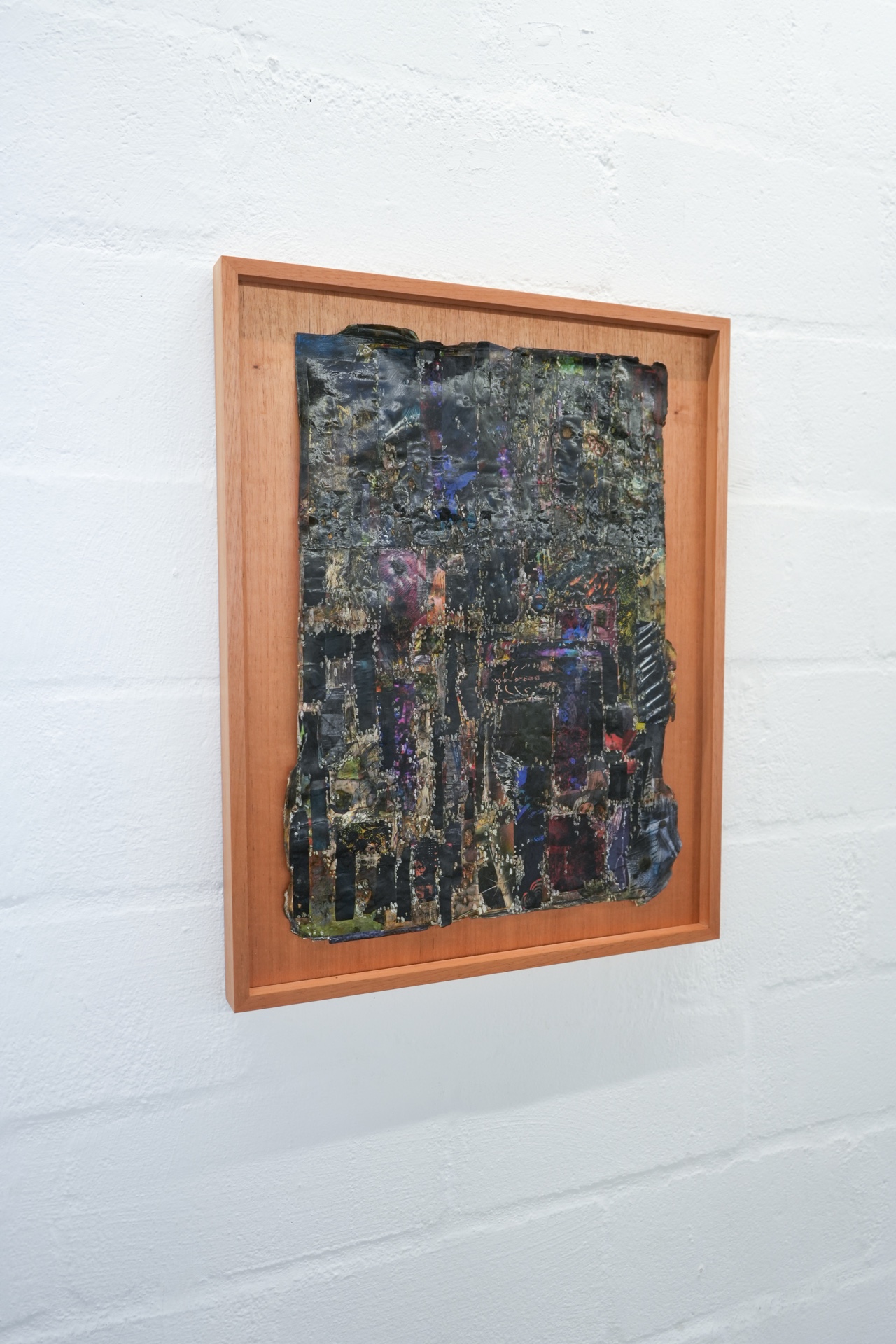
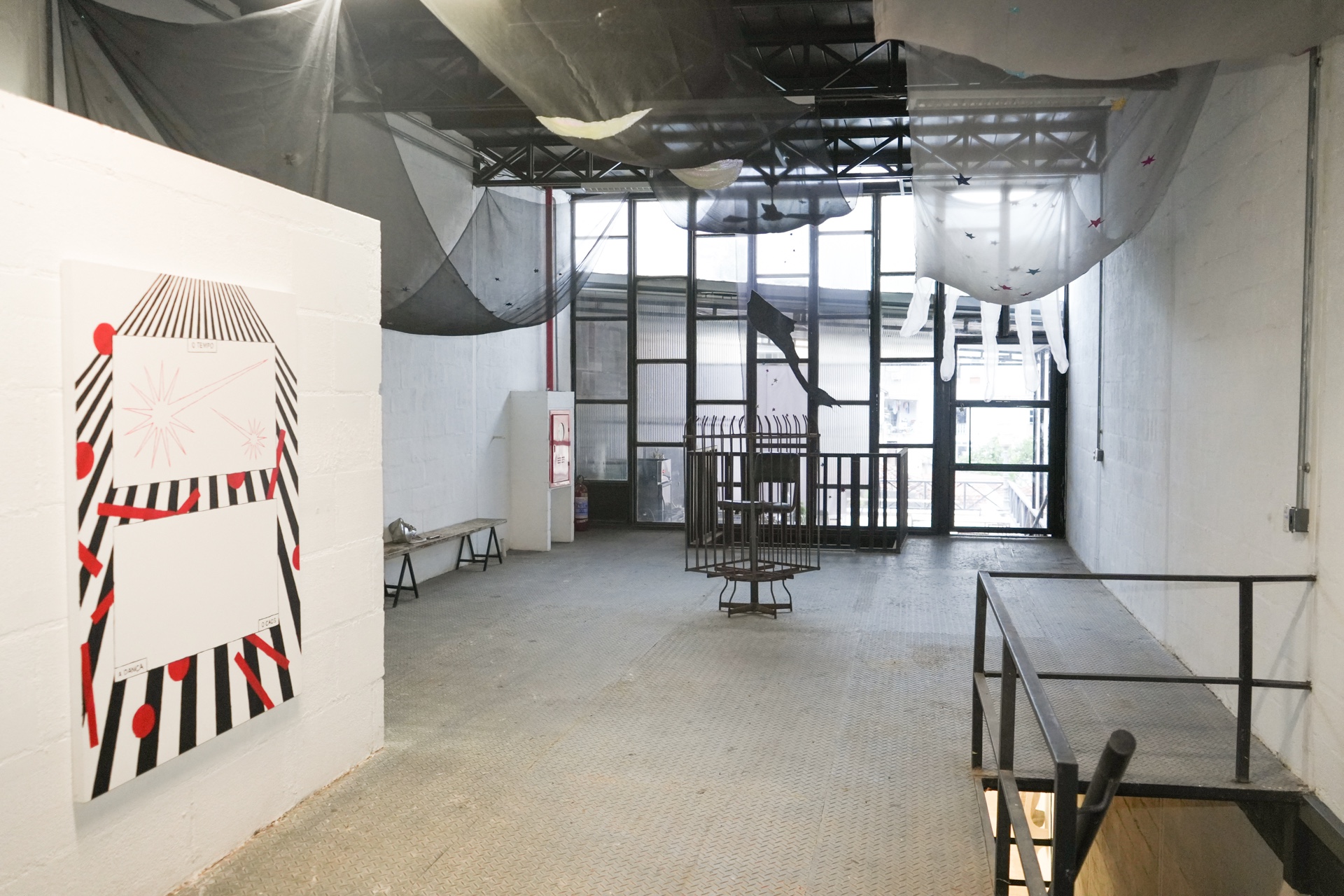
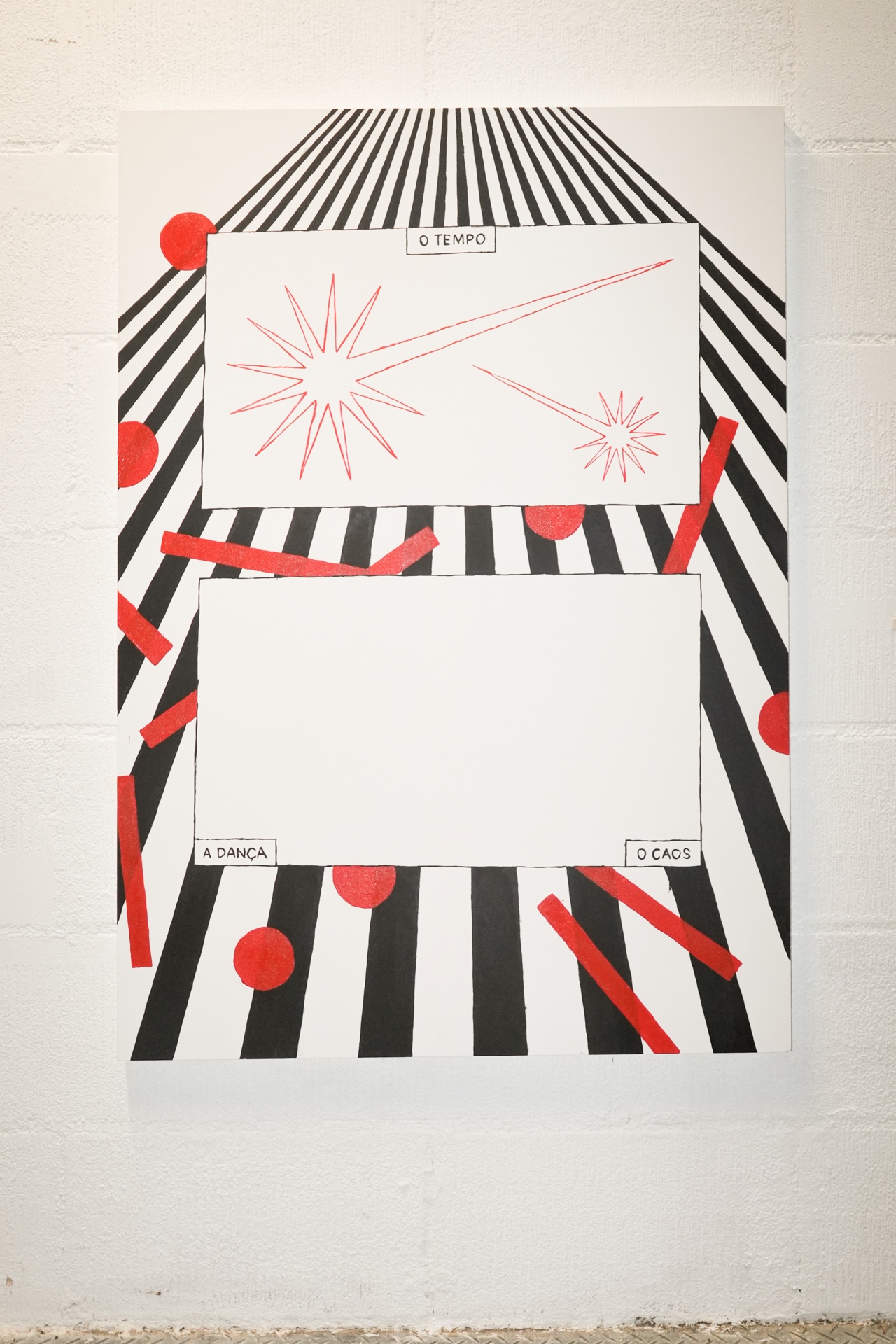
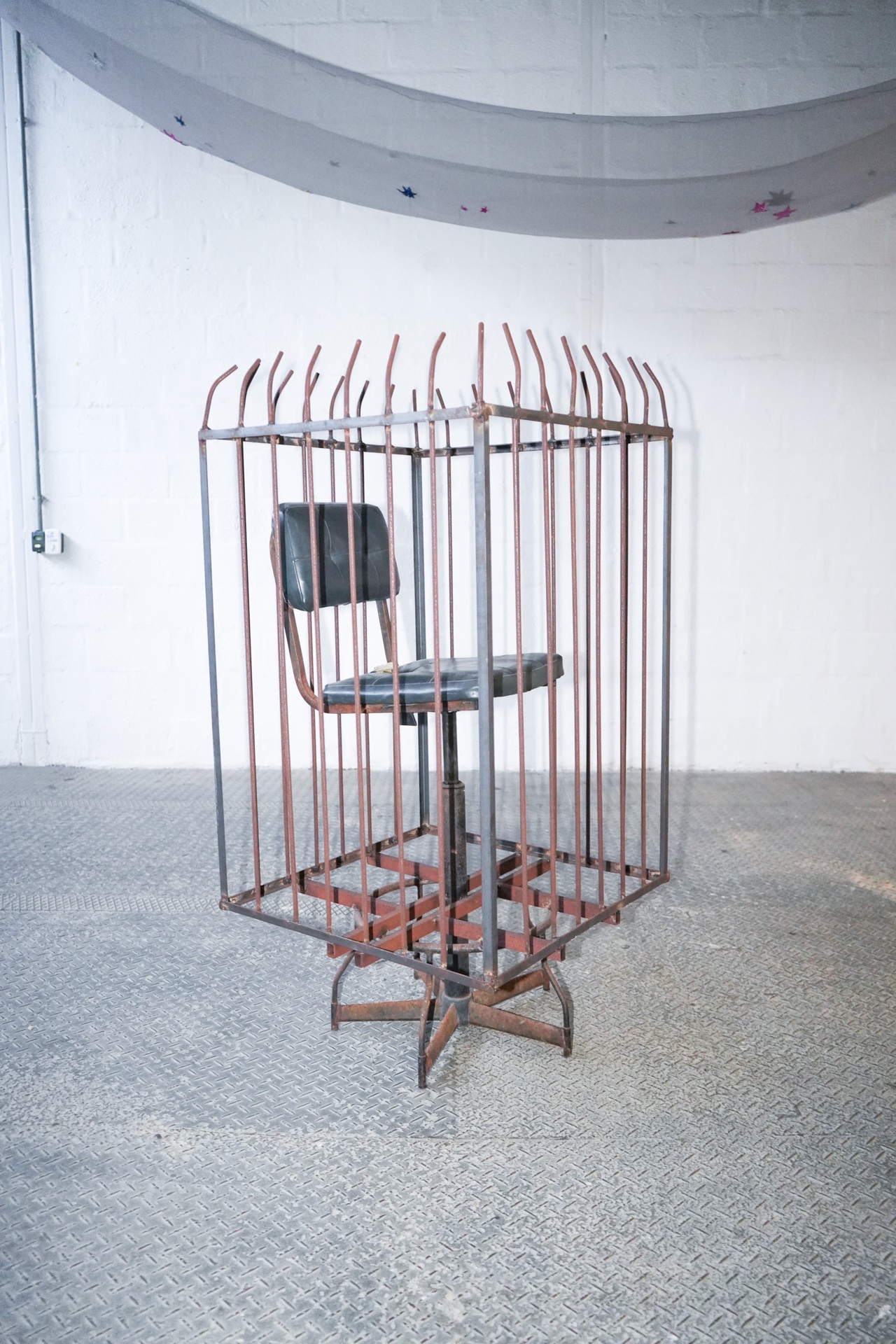
The Body as a Paradox In his book “Philosophy of Care”, Boris Gross differentiates the idea of body with the idea of skin. According to the author, our desires are felt and discovered through the interaction of skin, as this is our physical interface with the world and the fundamental basis of all perception. The body is the reference point for displacement in space/time, and encompasses the psychoanalytic notion of the “spark of inner life”, as Jung puts it, which is what defines us as unique individuals, and therefore, with characteristic desires. The body can be analyzed from the inside out, and from the outside in. The West presupposes the outside in as a departure point— we are endowed with a materiality, a chemistry, that can be manipulated by medicine and altered by procedures. Consequently, suffering and pain are framed as states that can be manipulated by substances, such as medicine, for example. In this reductionism, we link the fundamental paradigms of contemporary society, such as productivity, functionality, and the efficiency of creative potential. Subjectivity is co-opted in the name of generating value, which becomes an economic and financial asset. The consequence of this process is clear and clear: the body becomes a machine, the psyche becomes software, and exchanges become transactions. Within this scope, the similarity of the phenomena to which we are subject is part of a set assimilated by the collective — a collective culture. Therefore, there is a fundamental paradox: a discrepancy between the inner life of each being, what each one can create, and the way in which this creation is received and interpreted by the collective. To soften this space, we produce comparisons — we take a familiar reference point and build judgments based on what we already know. So where do we fit art, in the purest sense, as the difference of subjectivity invariably turns into indifference. Does artistic production becomes a set of archives and narrative objects from the past, a deliberately chosen canon, presented as a repository of objects? And then the symbolic body comes in. For Rudolf Steiner, bodies are more than a physical block endowed with will — we would have four bodies: the physical, the etheric, the astral and the ego. The physical is the tangible, and perhaps, for the West, the most important, as it is capable of producing. The etheric body is the guardian of the “spark of life”, of vitality — an invisible layer responsible for the processes of regeneration and assimilation of emotions. The astral body is the fundamental source of impulses and desires — it is through it that we perceive ourselves as active agents of connection with what surrounds us. Finally, the ego is the reservoir of creativity — where we connect with greater, mysterious, transcendent aspirations. This categorization model is not static, as each choice, whether analytical or creative, opens up infinite other possibilities for stimuli, capable of shaping our own understanding of ourselves and the world around us. Art, in its broadest concept, is assimilated within aesthetic concepts of harmony and beauty; it is shelved according to the historical context, and consumed as a commodity within a market logic. The challenge, therefore, when thinking about art and how we are touched by it is constant: creating, innovating, aestheticizing and commercializing are difficult verbs to reconcile. The friction is evident. Each material artistic expression, therefore, is a universe in itself, an infinite dialectical process. Finding a common place between the object itself, and how it is perceived, is impossible — and it is within this void that the magic of catharsis happens. It is at this moment that we realize that the size of this void is too large — empirical knowledge is dissolved, and we automatically confront the body again — not from the outside in, but from the inside out. After that moment, we are no longer the same. For Hegel, this phenomenon is absolute: it is when we recognize the spirit. Something larger than life. We are faced with what he calls “revelation”, within a shared collective consciousness. The phenomenon of the rapture produces a truth — not the postulated, scientific truth, but an inescapable truth that there is something immutable within the paradox of existence. That there is much more than our senses are capable of absorbing — and art is a fundamental thread of this friction. After all, we are a soul, and we have a body — and “being” has no beginning, no end, no middle. In this context Samara Paiva's works, which were produced for the occasion, emulate unrecognizable spaces: the gap between the place and the non-place, the secret and the revealed — the space between what is seen and what is hidden. Pauline Batista's acrylic and tentacles speak directly about the idea of materiality, as Boris Groys addresses in the conception of skin: the interface as a chemical substance, where the grotesque can, metaphorically, represent the other, and again, what is not recognizable. Likewise, Anderson Borda's collages assimilate the same issue: patchwork skins created from a remix of other surfaces. The notion of otherness is approached with subtlety and forcefulness. Alexandre Baltazar, in turn, appropriates objects that were once useful for leisure, and transforms them into dangerous and threatening ones. In the sculpture “Desencantópolis: Urban Furniture Project #1”, it is impossible not to remember Mark Fisher and his fundamental ideas in “The Weird and the Eerie”: the strange generates a disturbance that directly confronts one's perception of oneself. Absence can be the presence of an absence or the absence of a presence. Maria Konder's clothes, each with the symbol of a celestial body, clearly represent common, and therefore anonymous, fundamental symbolic archetypes: without name, without identity — universal, but lacking agency. The fundamental idea that surrounds all the works presented is very well condensed by Mark Fisher: the strange, or “uncanny”, as the author puts it, "always operates by processing the outside through the gaps and impasses of the inside.”