- Procrustean
- 28 Aug ― 13 Sep 2026
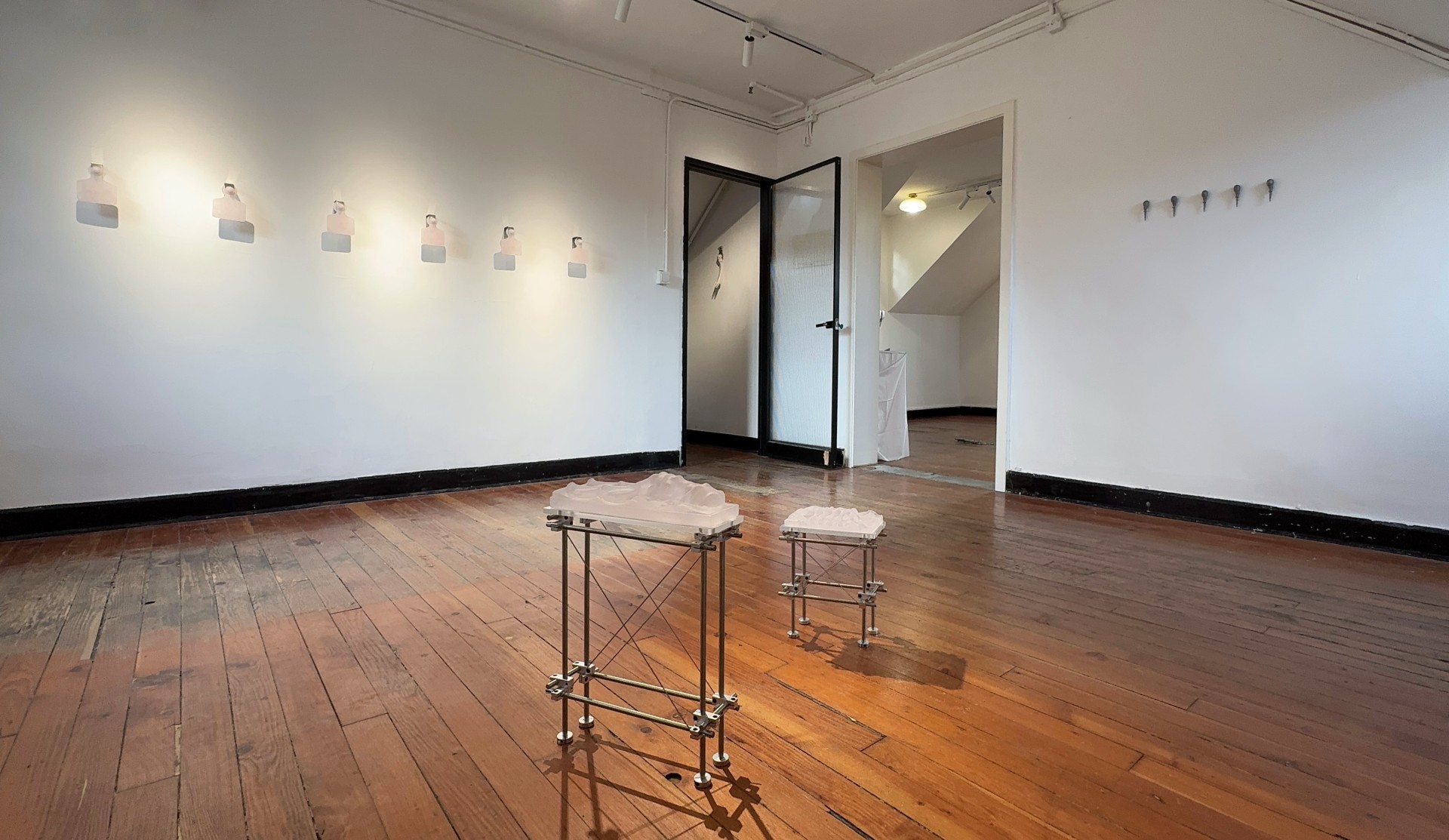
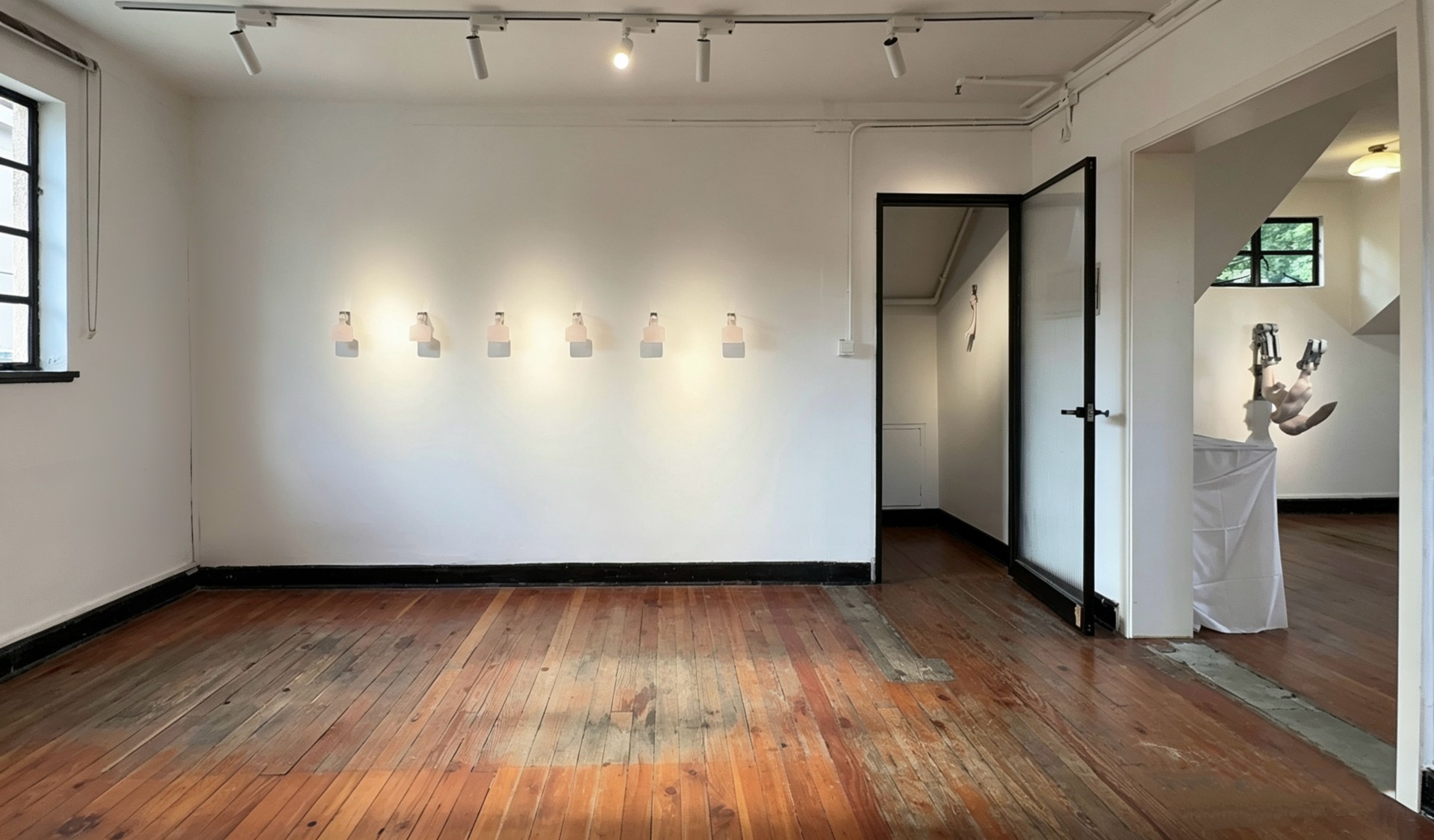
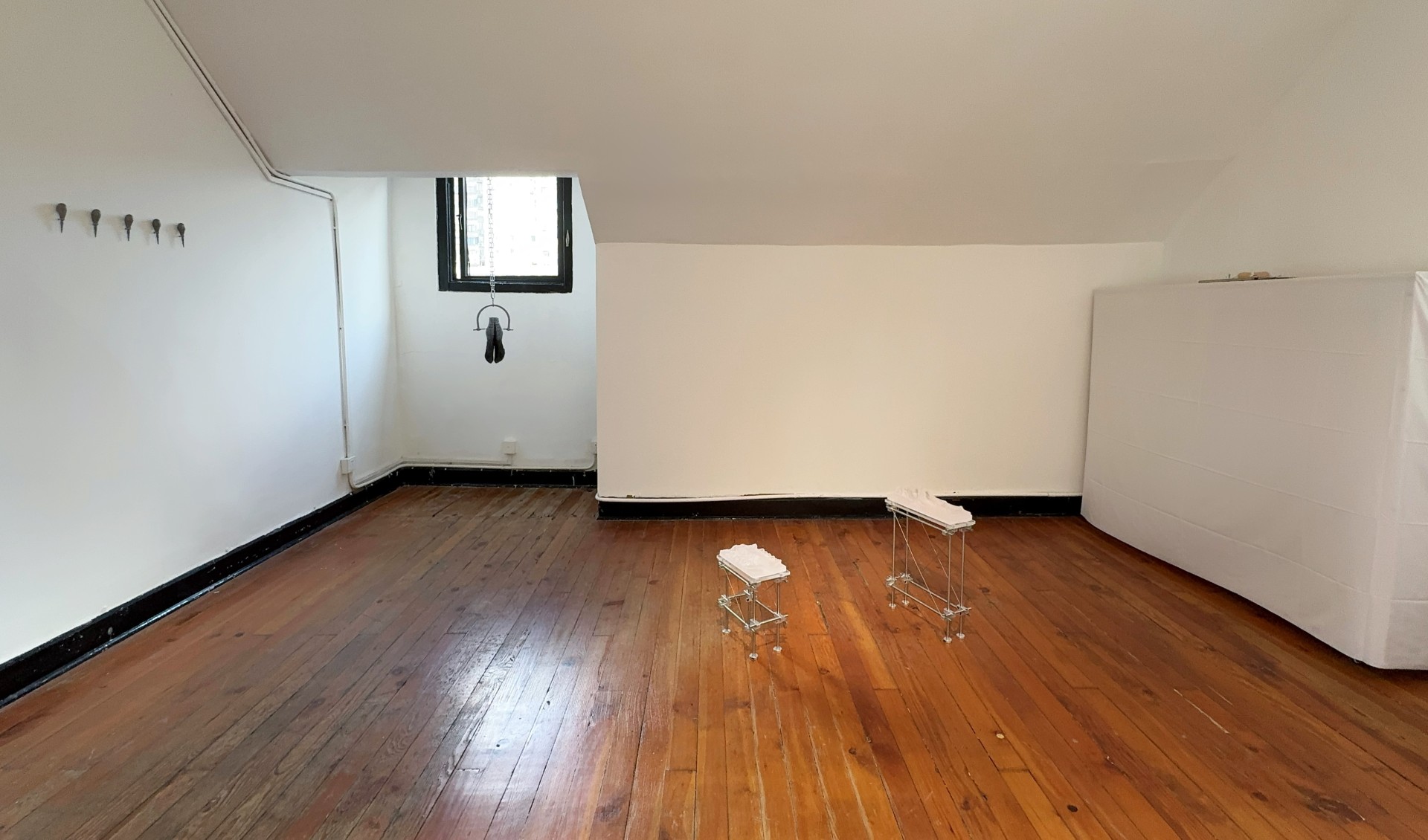
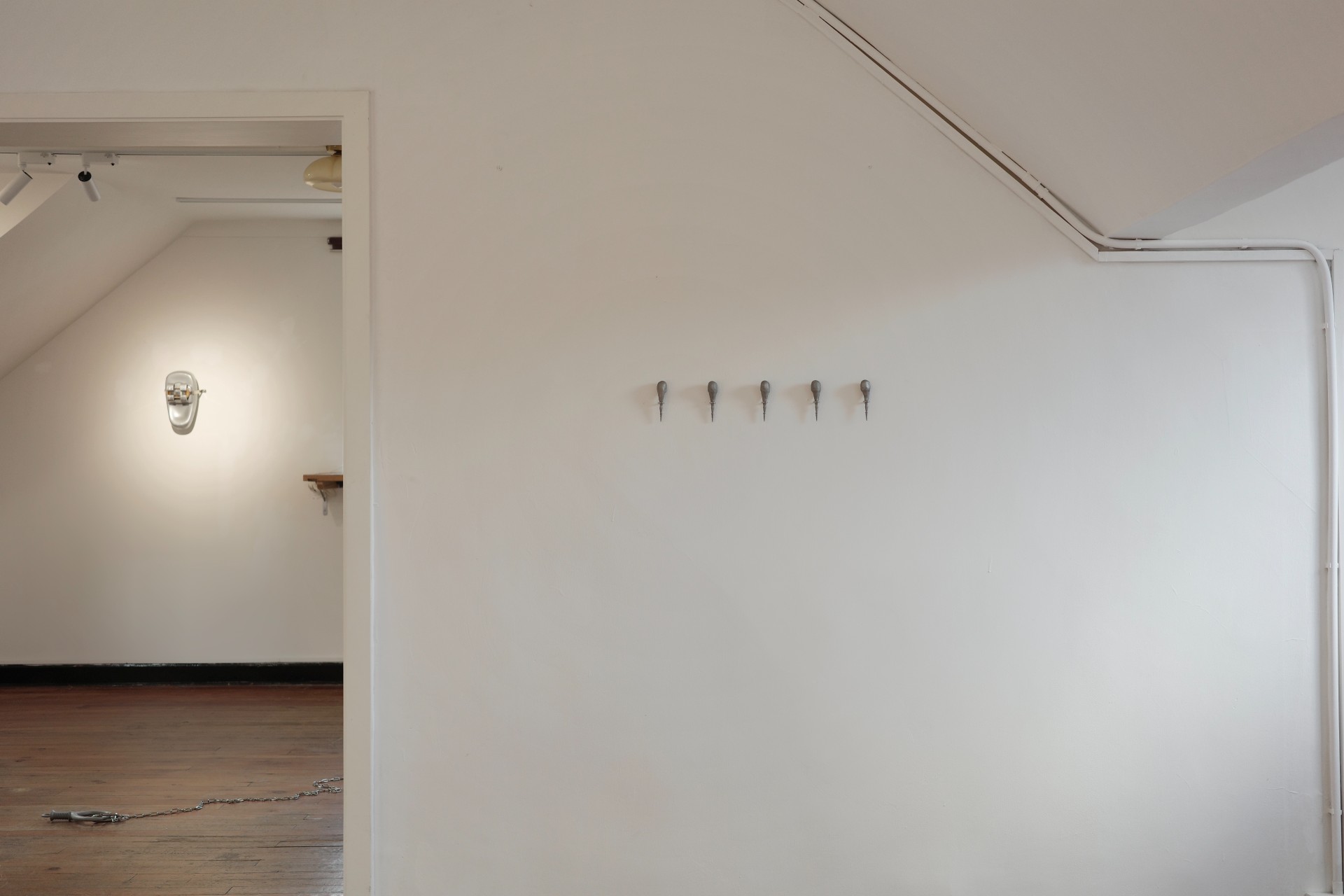
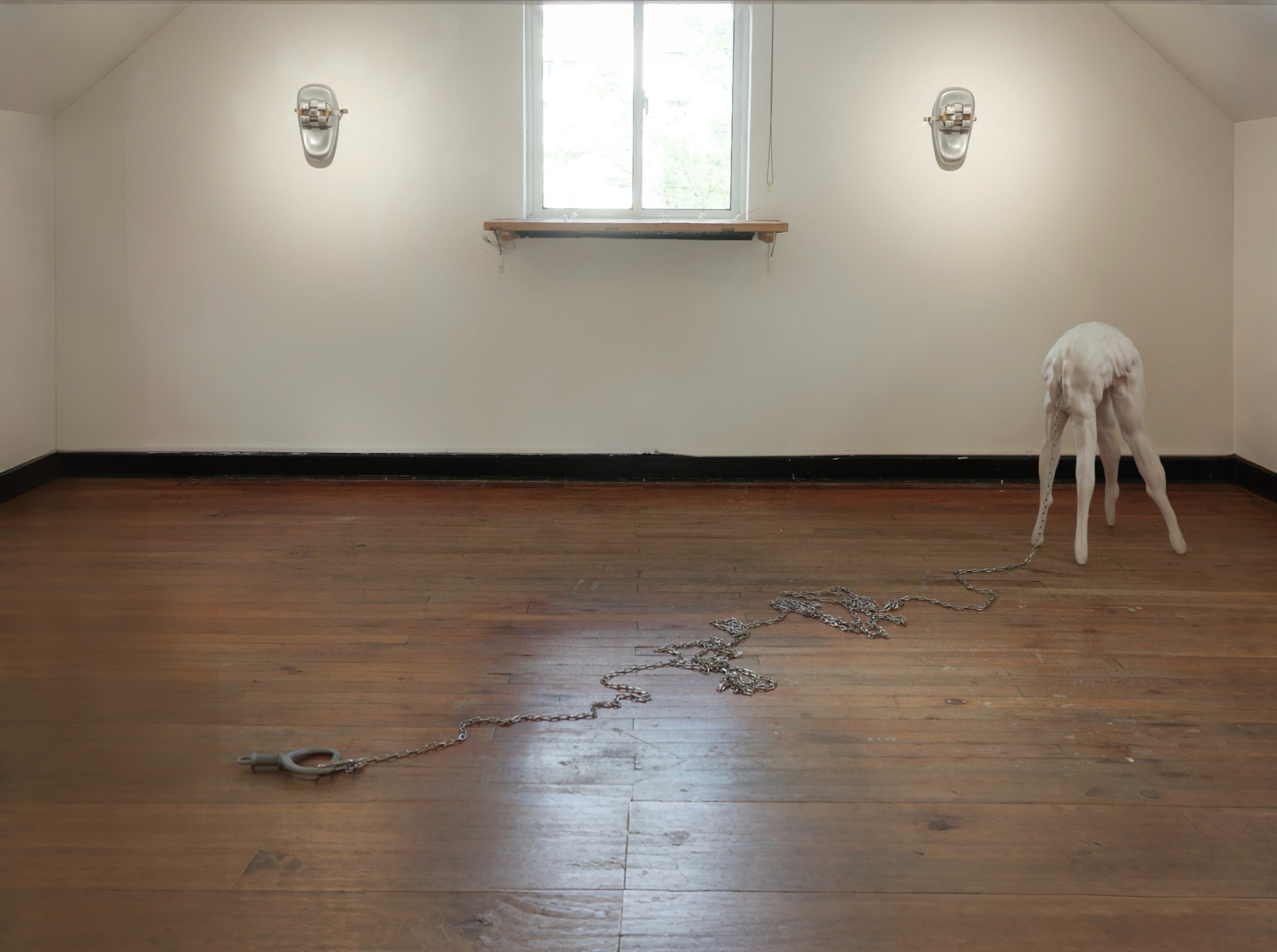
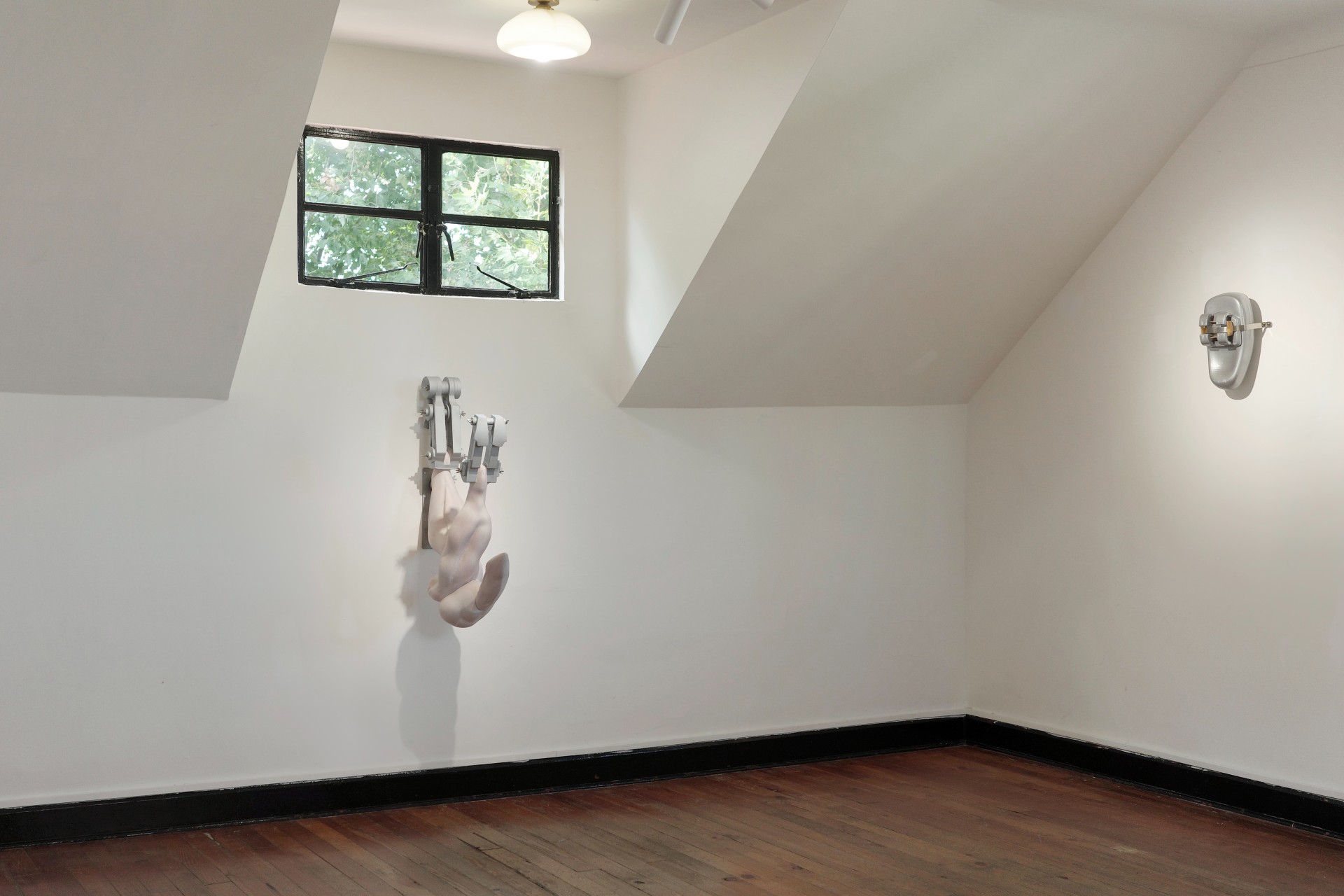
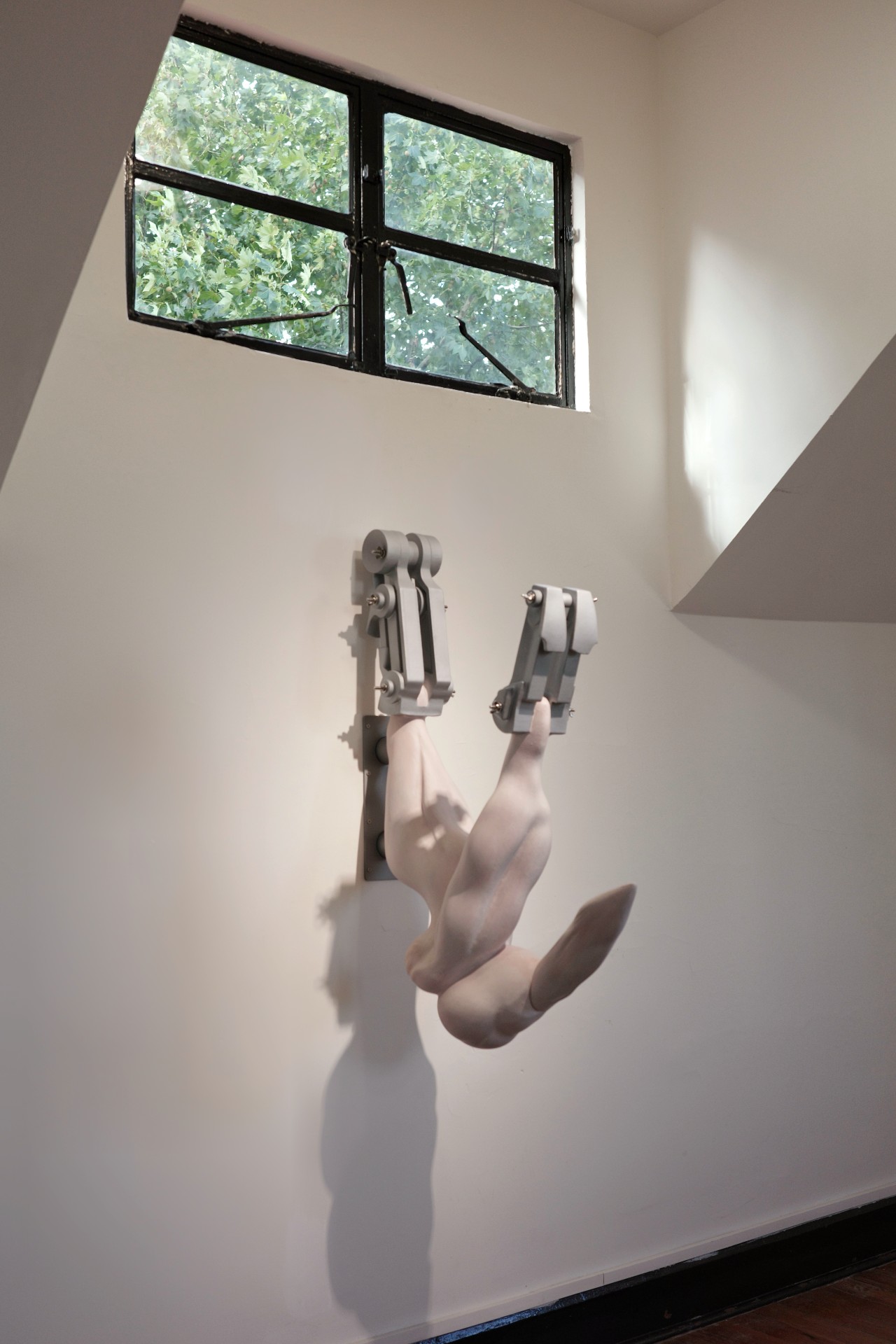
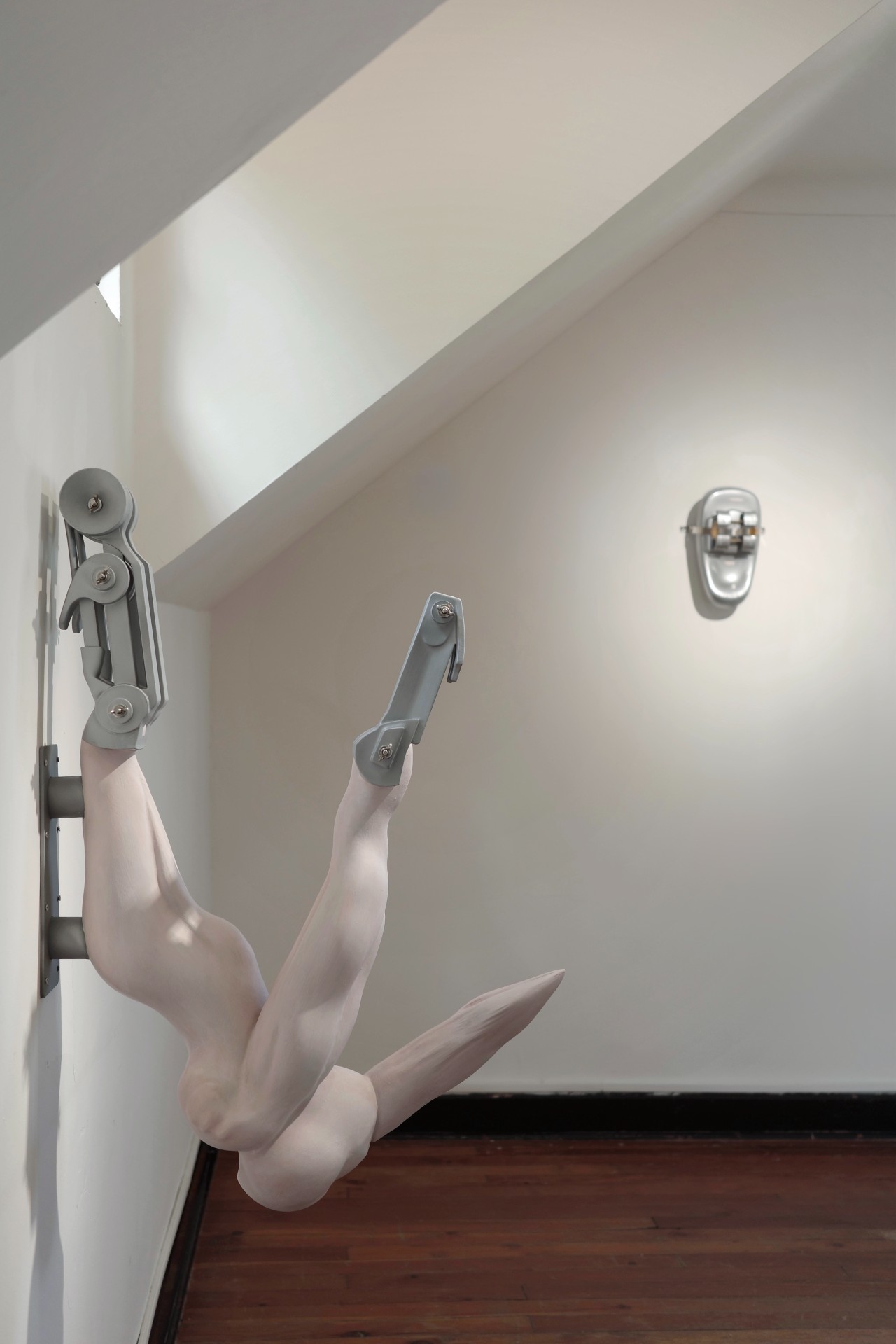
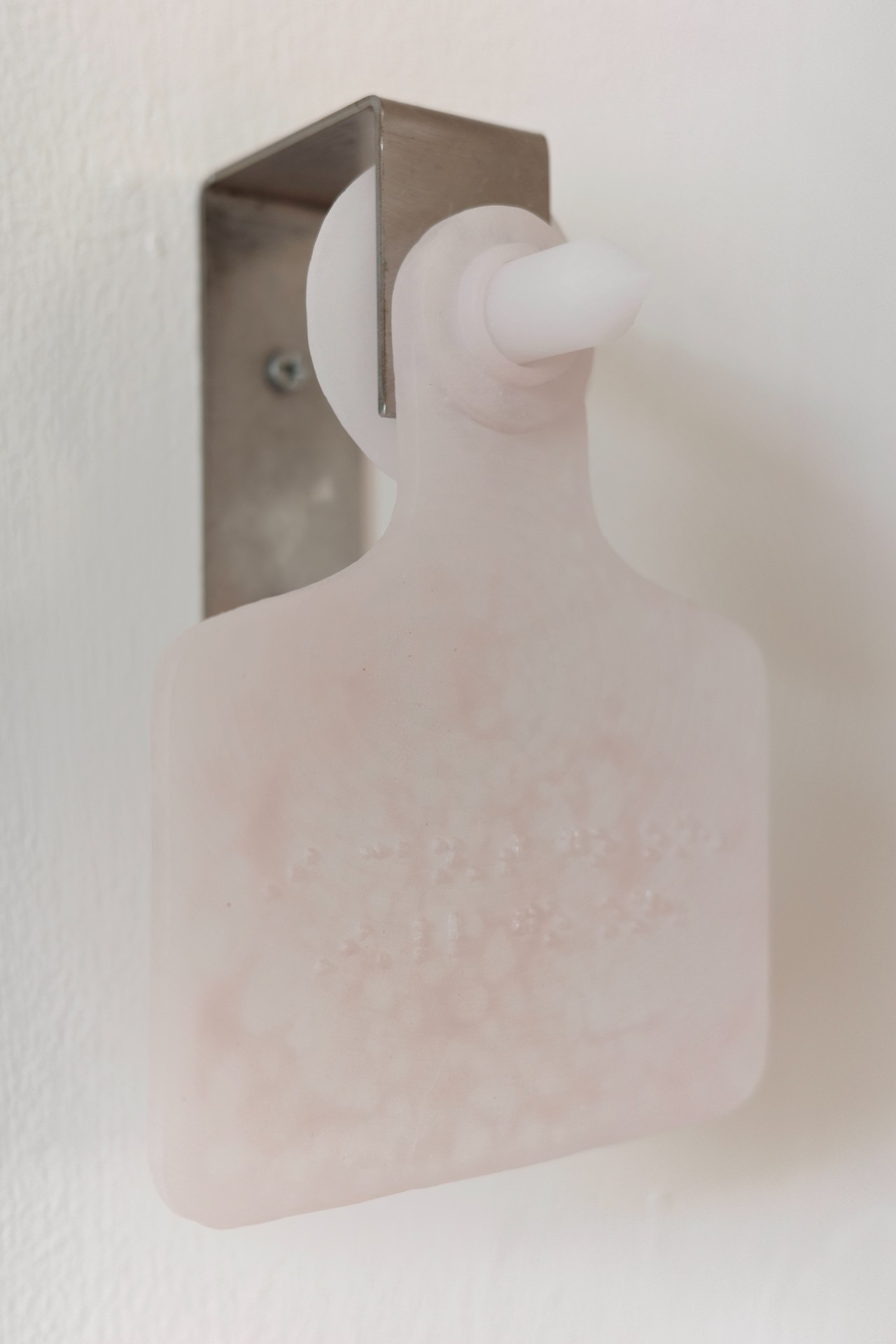
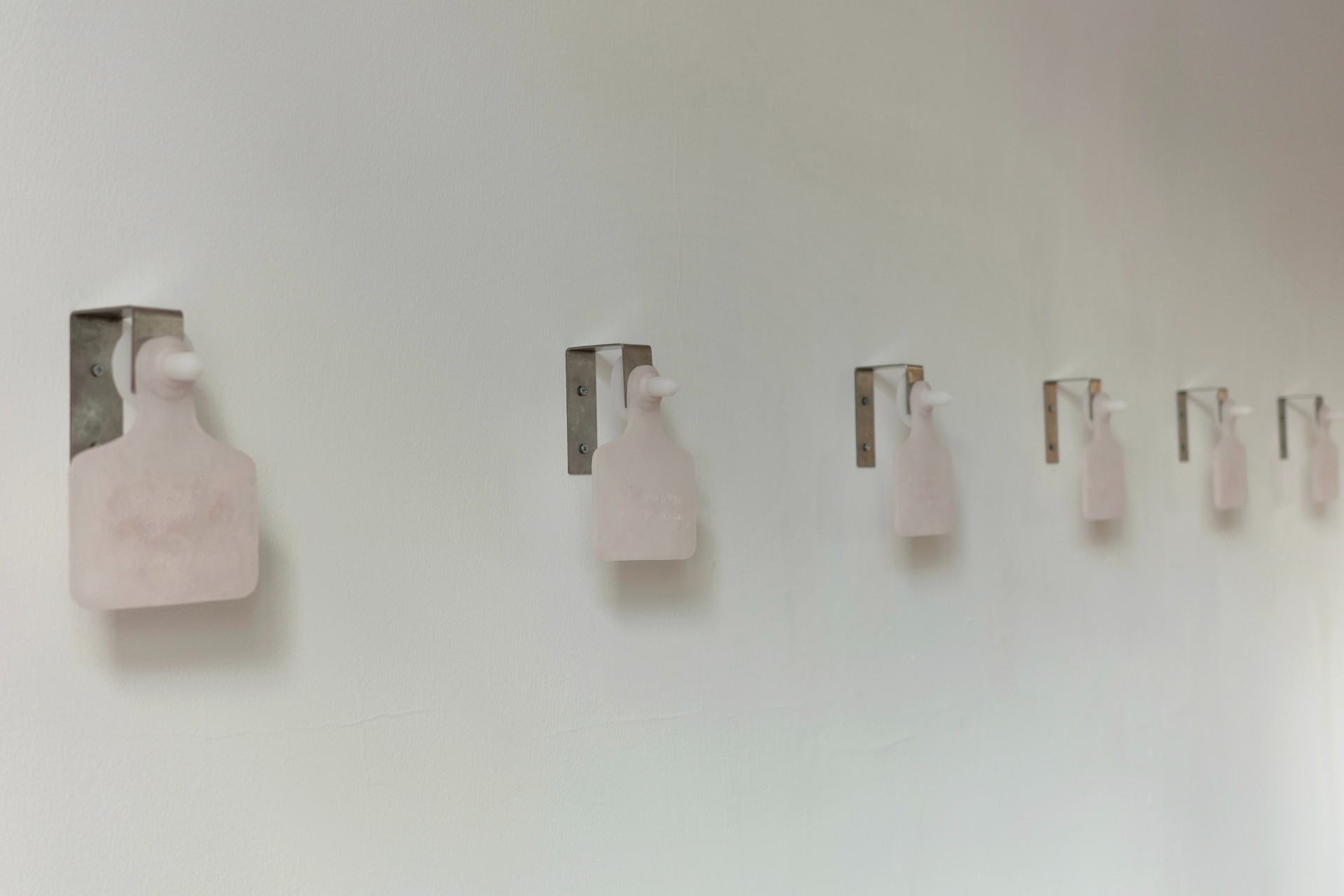
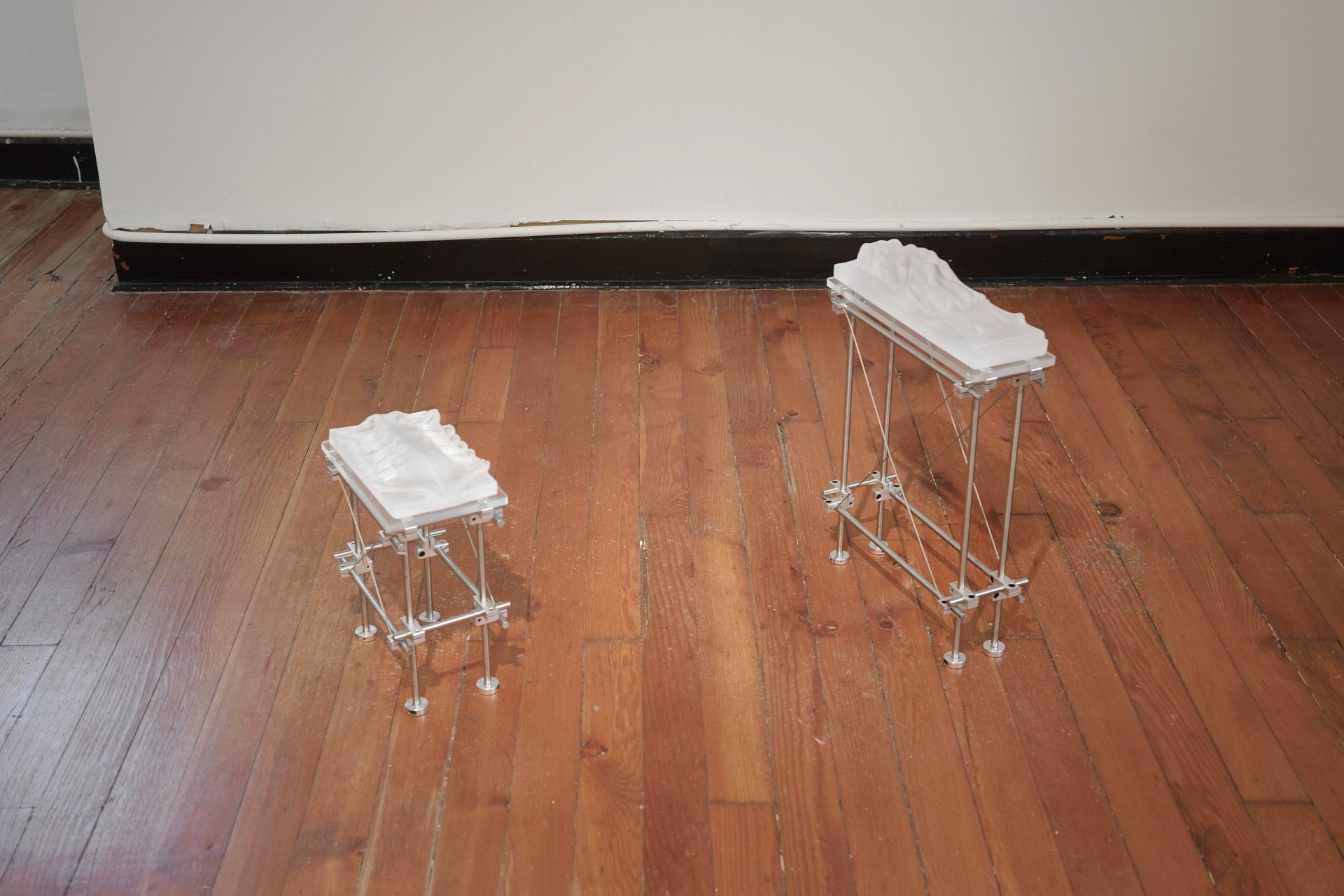
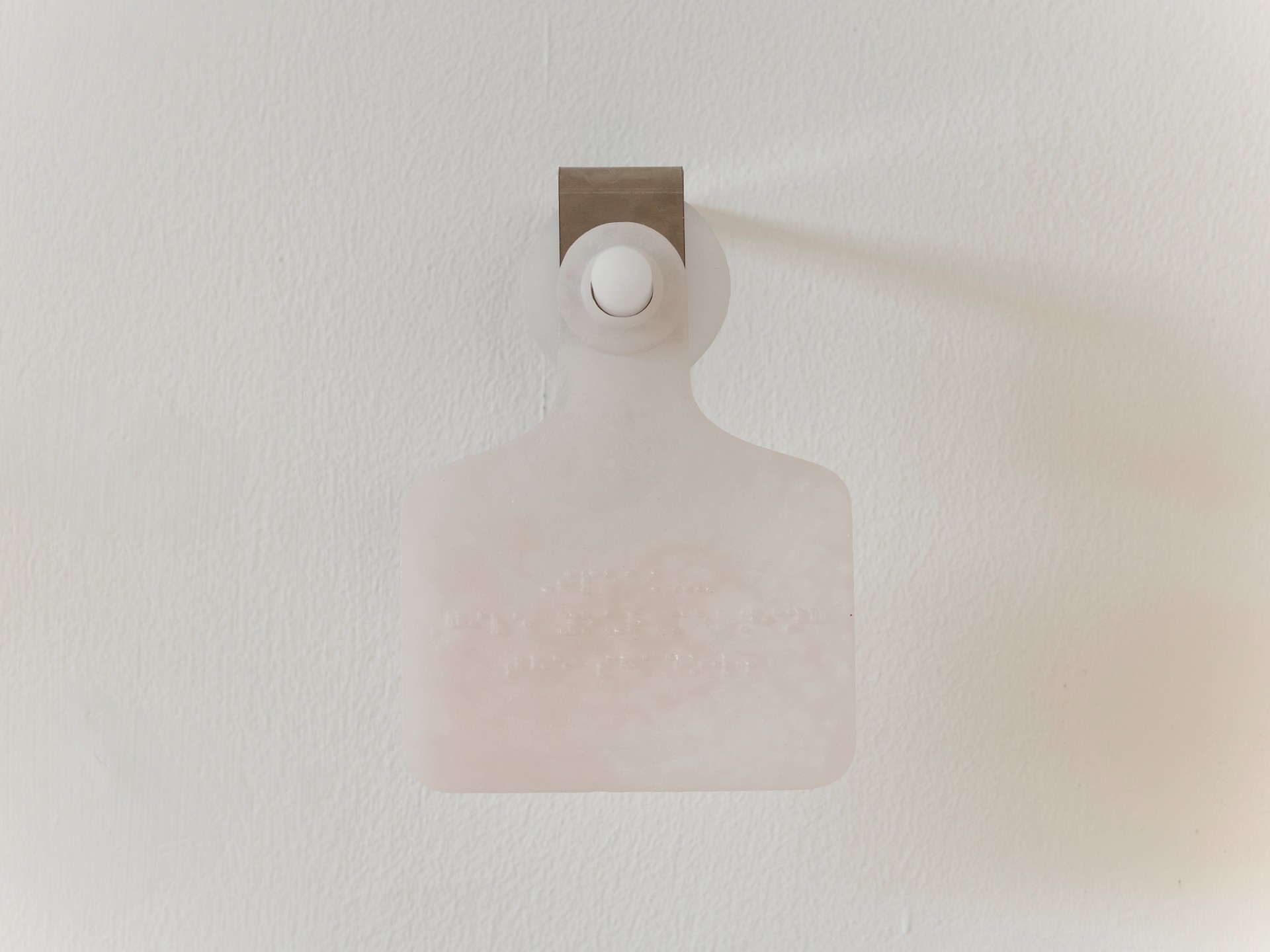
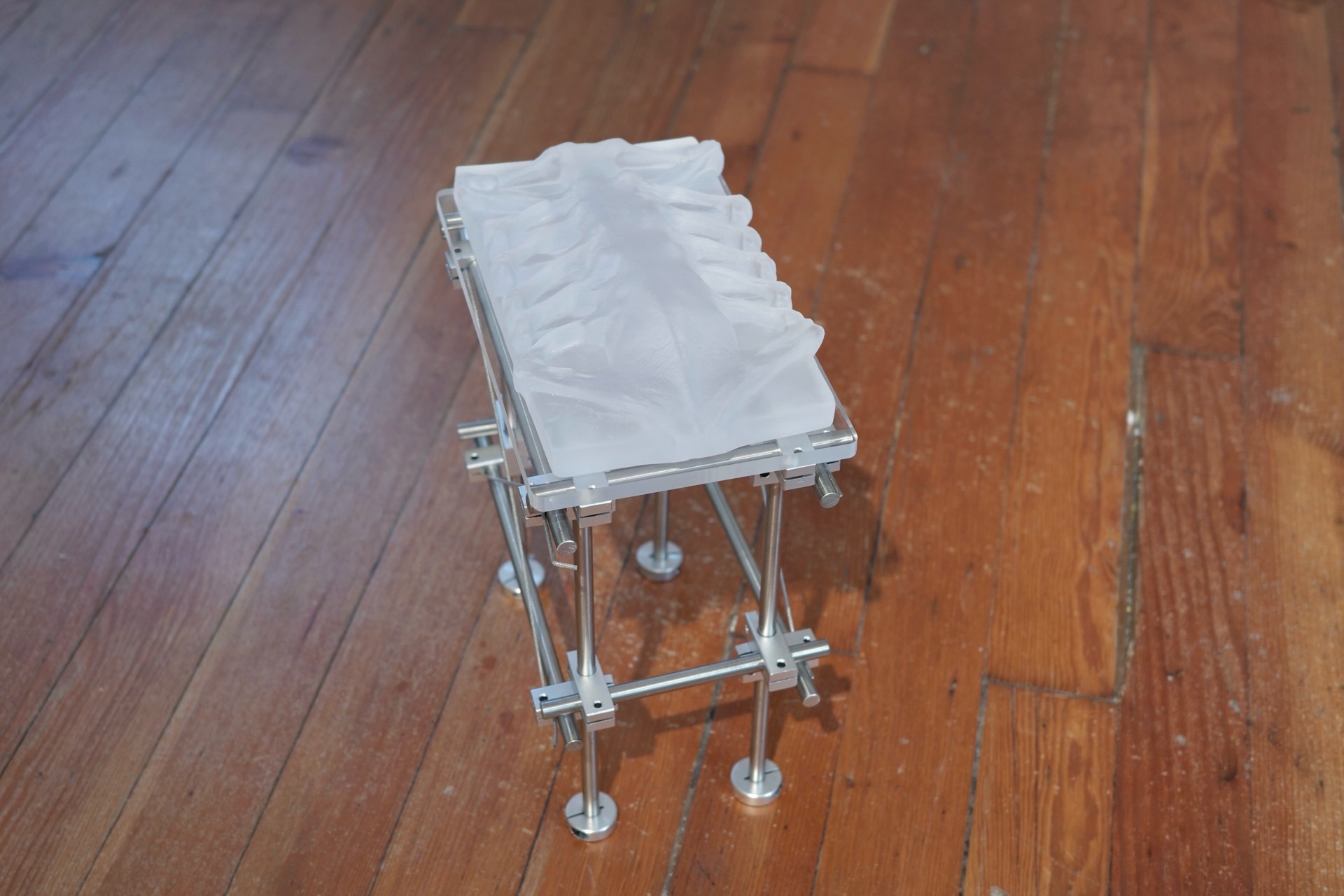
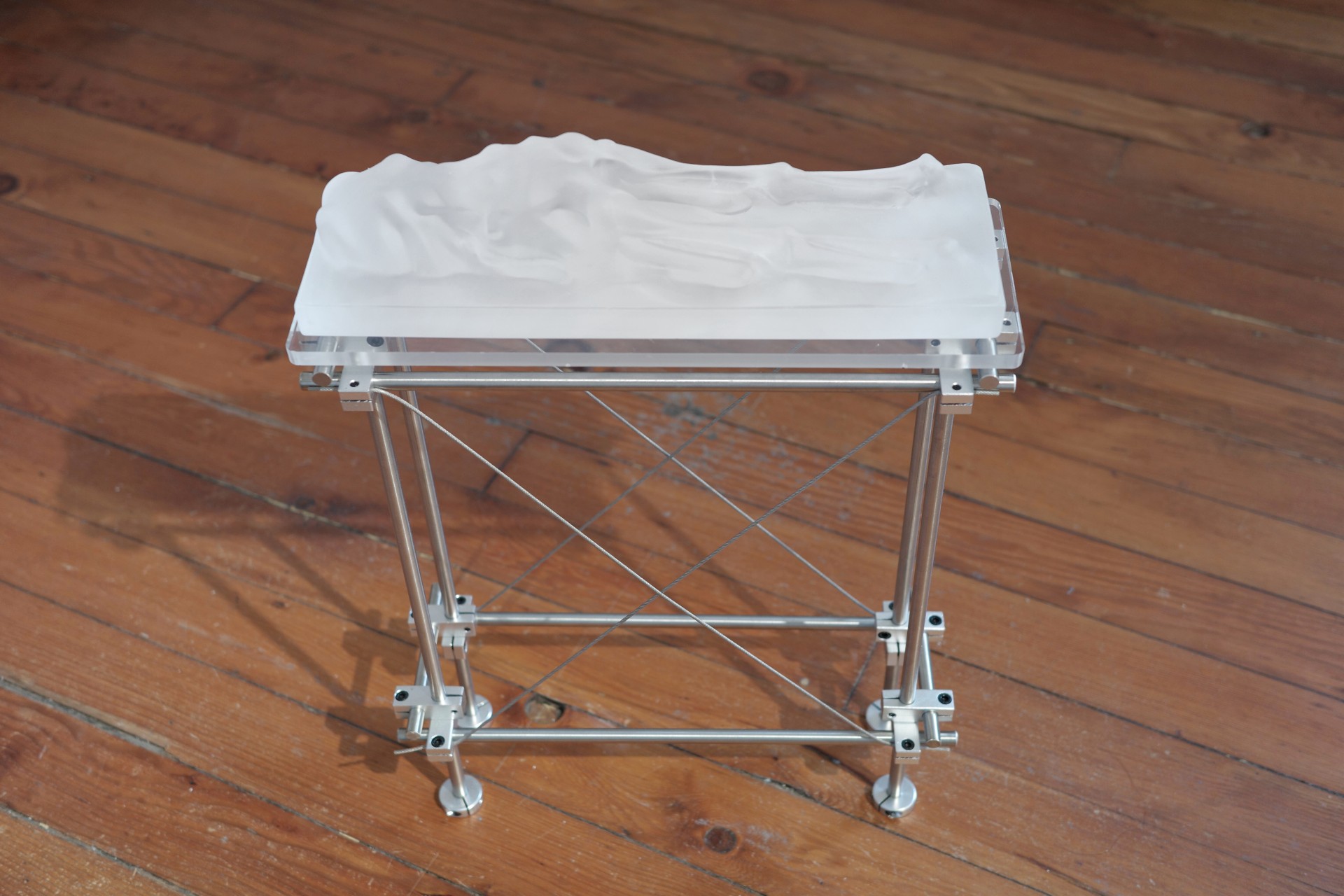
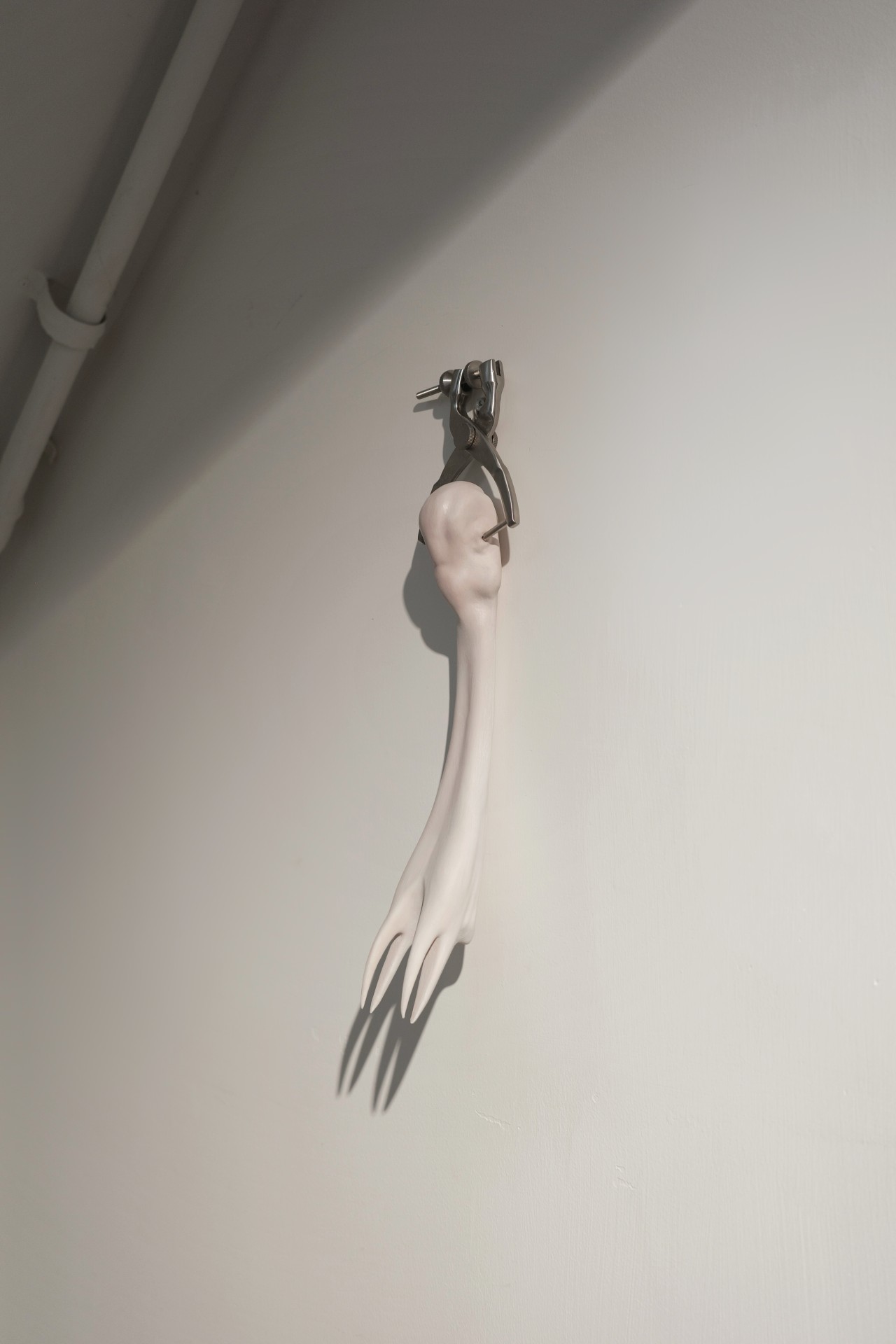
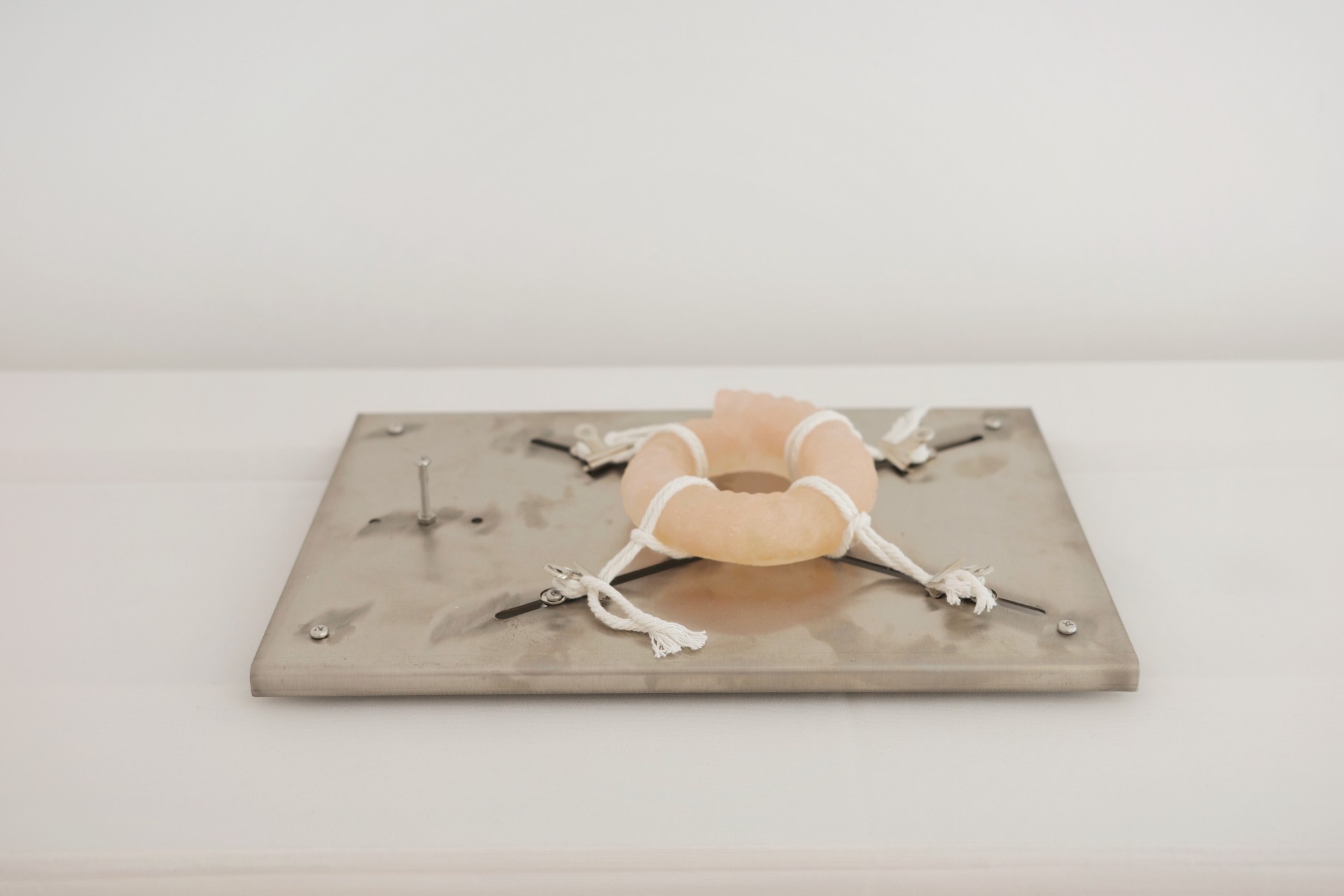
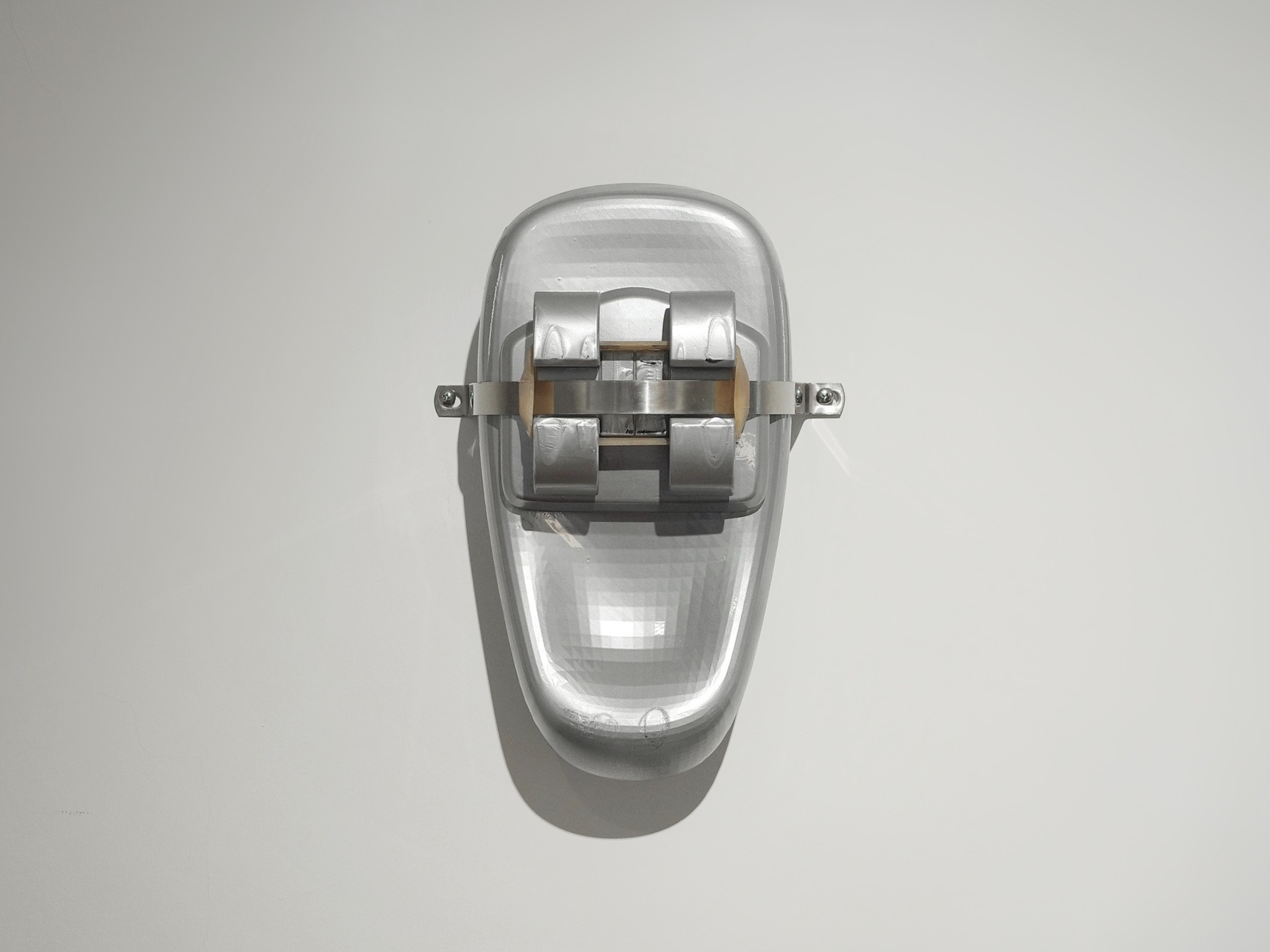
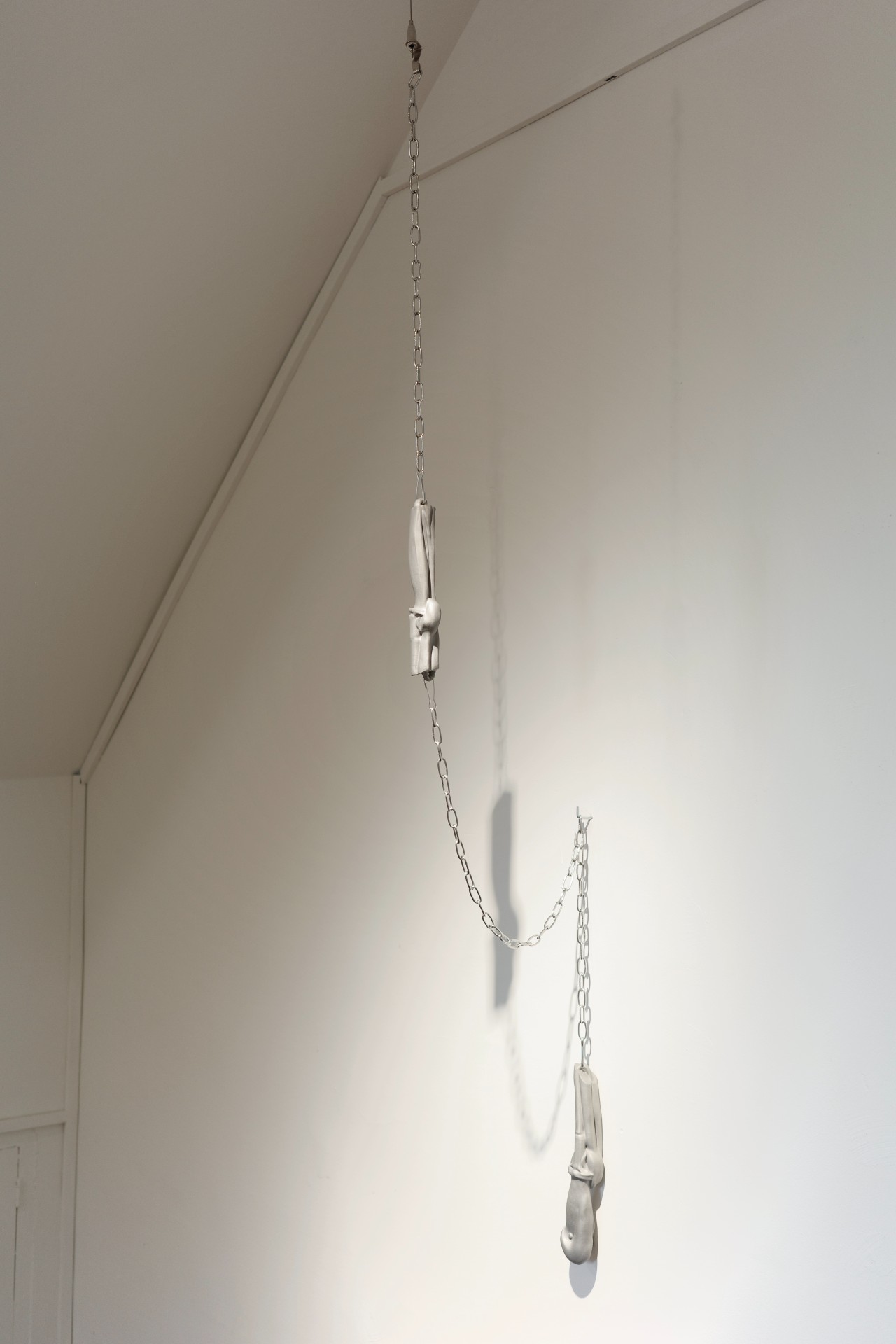
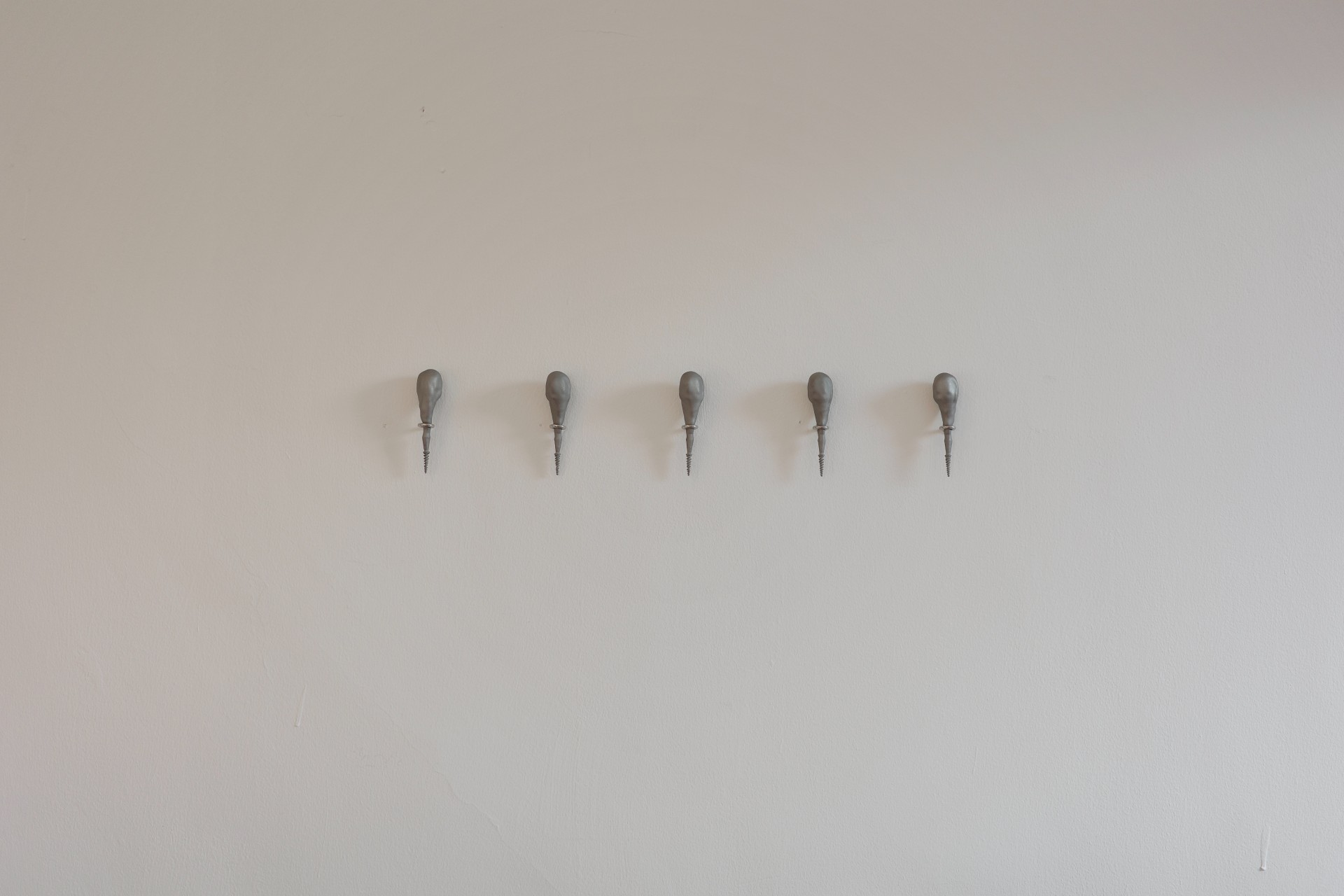
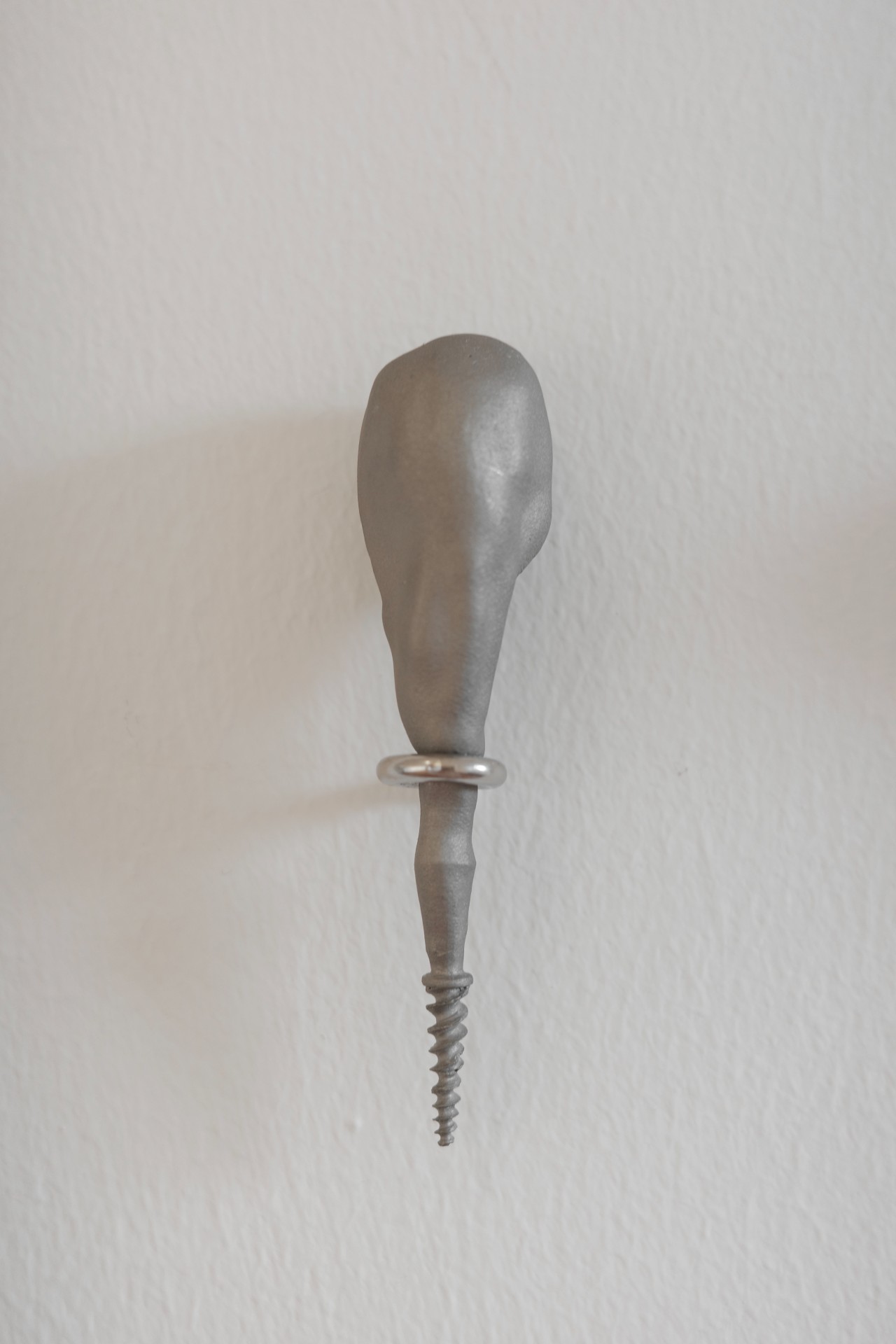
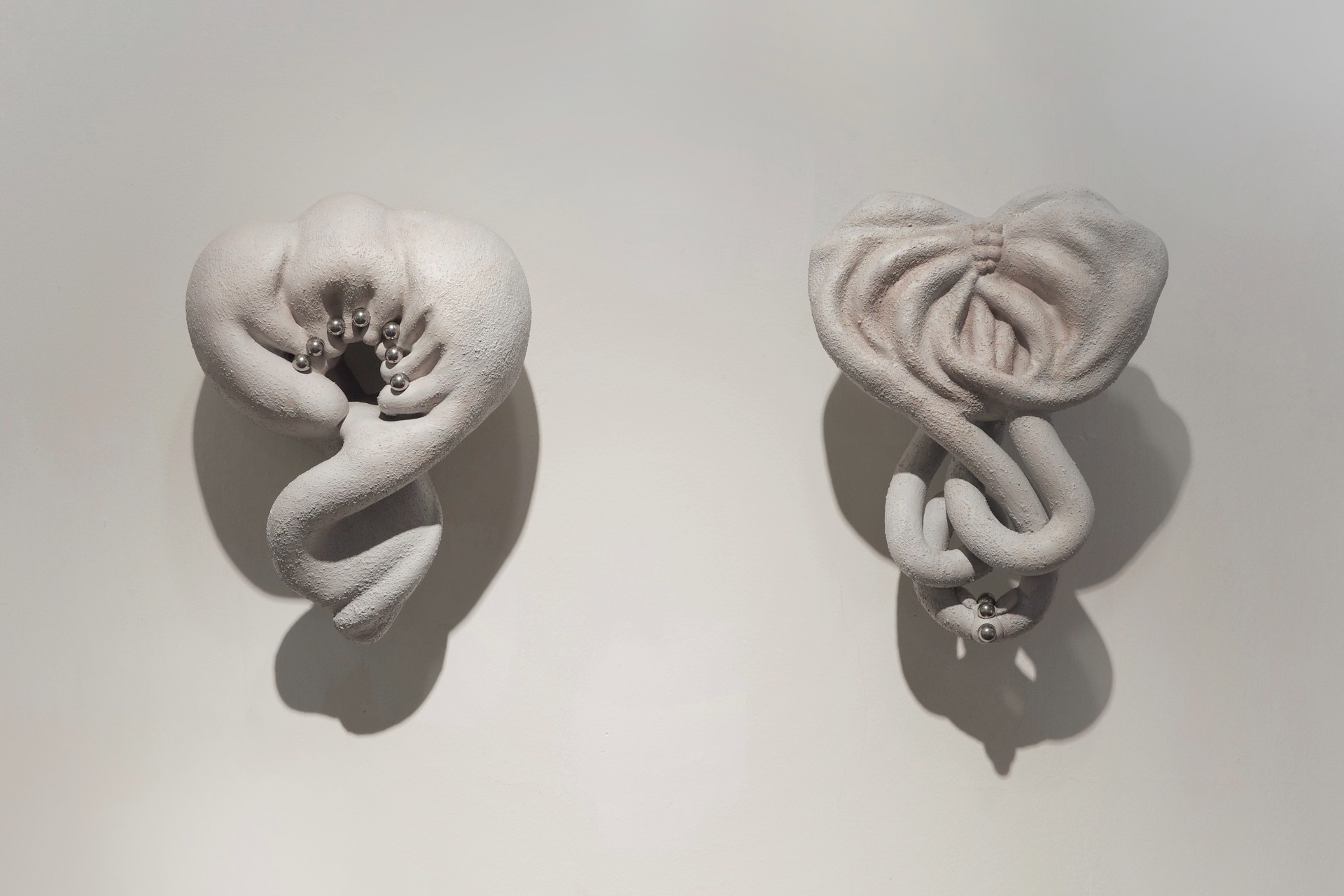
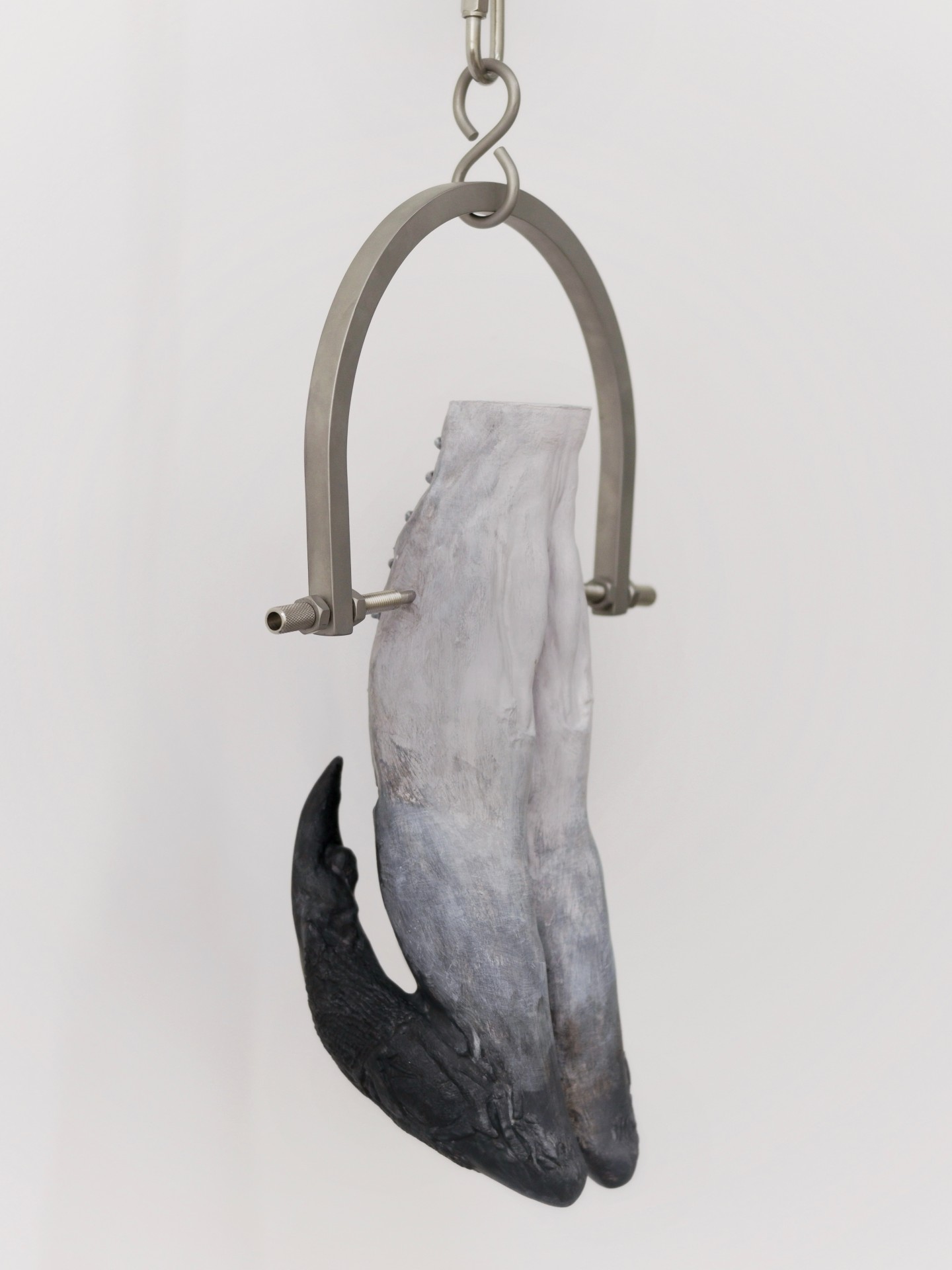
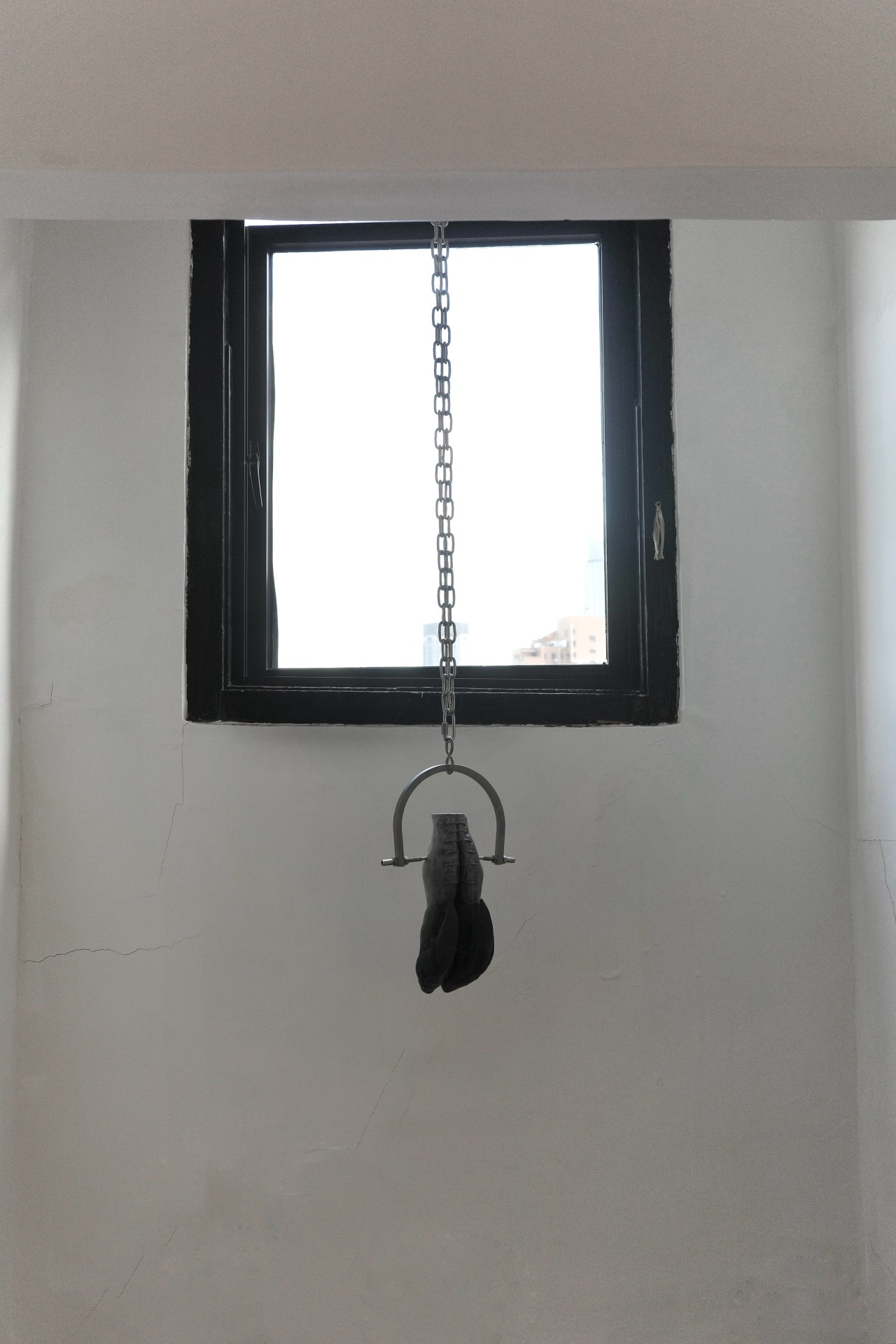
An iron bed and a body that must be corrected - this is the absurd fable behind “Procrustean” (削足适履). In Greek mythology, the bandit Procrustes waylaid travelers on the road to Athens, luring them into his lodge under the guise of offering hospitality. Inside, however, the iron bed served as an absolute standard: those too tall had their limbs amputated, while those too short were violently stretched to fit.
Today, this ruthless logic of calibration has not faded with myth; instead, it persists covertly behind the veil of rationality and science, cloaked in a modern guise of "reason." In a hyper-standardized society, countless seemingly neutral metrics and norms define what is qualified, successful, normal, and ideal under the banners of efficiency, order, health, beauty, and progress. Whatever fails to fit these criteria is gradually eliminated through relentless cycles of correction and optimization. Consequently, conformity is no longer enforced purely through overt coercion; it has evolved into a routinely embraced consensus. Violence hides within institutions, standards, and evaluation systems. Power no longer operates merely through direct command, but through internalized expectations, becoming an embedded social force that quietly dictates opportunities and nudges individuals to prune themselves to fit a predetermined mold.
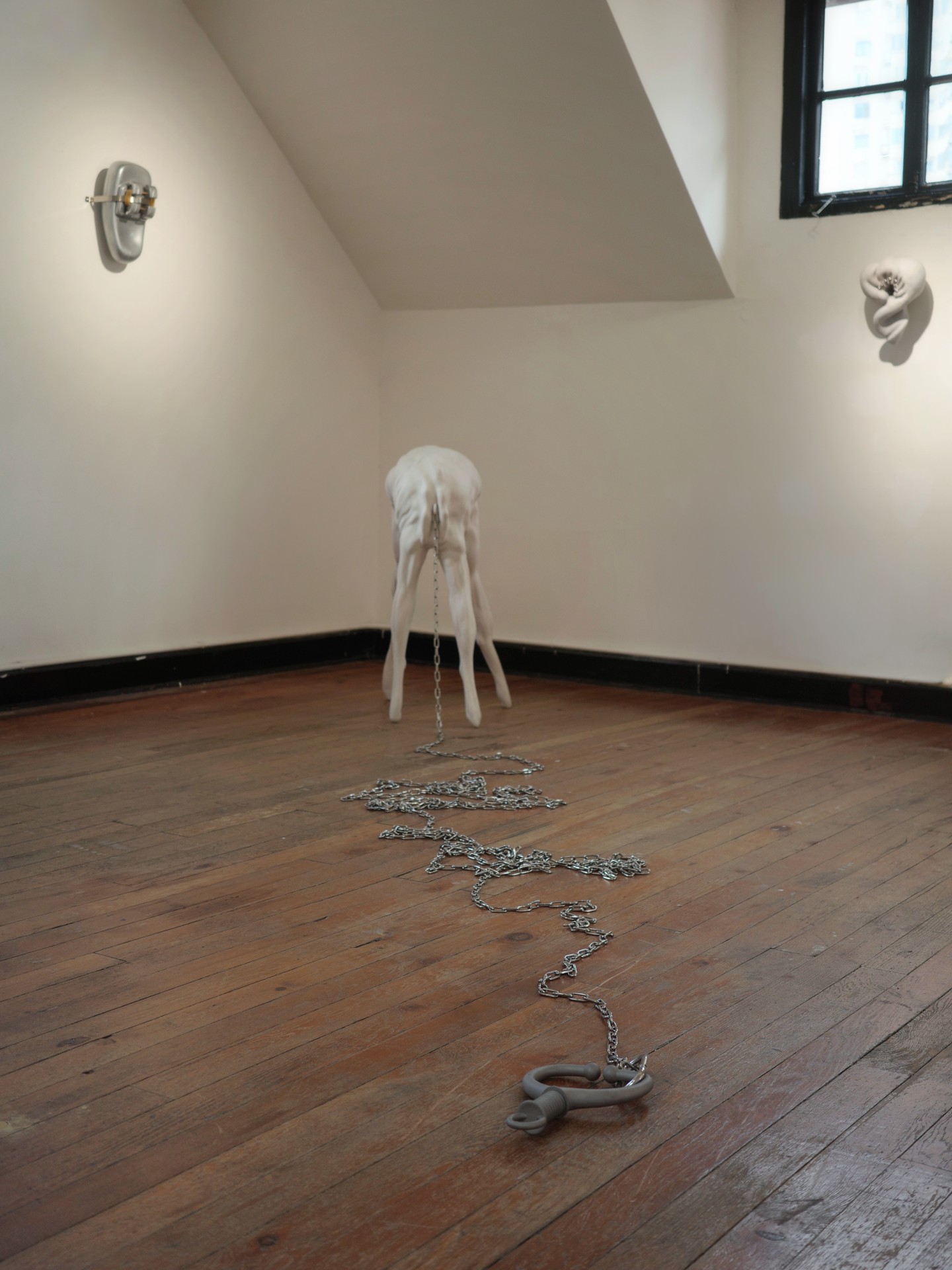
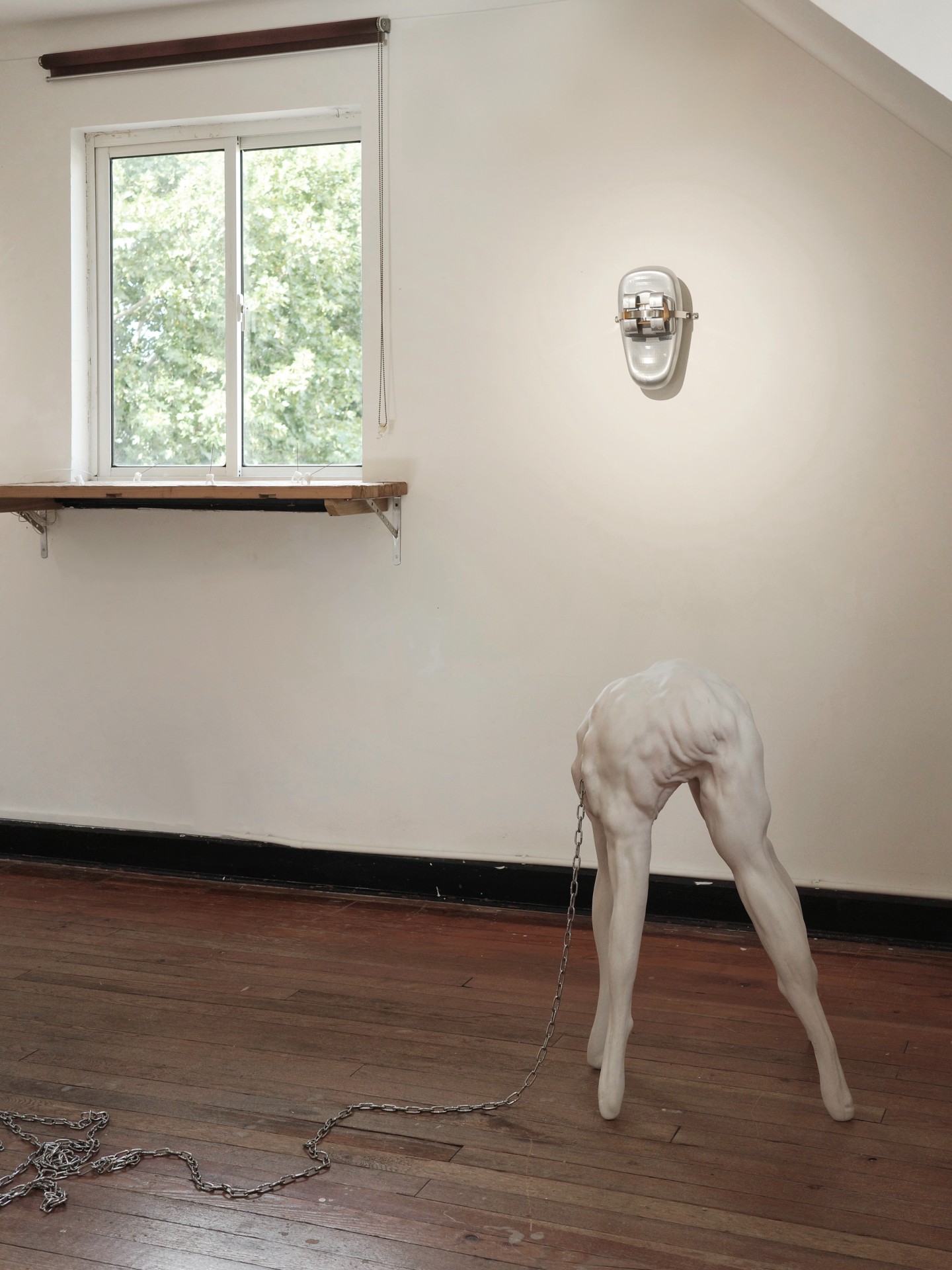
In this project, Eva Chenyao He magnifies this “normalized violence,” adopting the lens of biopolitics to examine how external systems treat the biological body as a resource to be measured, calculated, and trimmed. Her practice blurs the line between vulnerability and control. By pairing rigid, cold medical hardware, chains, and scale-distorted daily components, and juxtaposing them with hazy, flesh-like resin, she constructs an ambiguous relationship between support and invasion. Translucent materials serve as a metaphor for skin - functioning both as a protective barrier and as an exposed interface through which external systems observe, monitor, and puncture the body. Objects whose capacity for pain is typically masked by daily utility and productivity are reframed with the attributes of torturous instruments. They reveal how living organisms, voluntarily or involuntarily, compress and fold themselves into standardized tools to attain functional "legitimacy." Within this tension, freedom and restraint collapse into one another: life continuously adapts to external "absolute specifications" in a procrustean manner, surrendering bodily sovereignty in exchange for functionality, order, or systemic validation. These compromises, once deemed “necessary,” ultimately leave indelible scars on the body and memory.
Installed within a historic, low-ceilinged attic rather than a conventional white-cube gallery, the exhibition engages an intimate living space defined by a sloped roof, weathered window frames, and aged wooden floors. Here, the artist places bodies undergoing correction and calibration into the room, exposing an unfamiliar and clinical edge within a domestic environment. As viewers navigate the low, sloping architecture, they are forced to duck, crouch, and contort their bodies, mirroring the postures of the artworks. This physical act of adapting to spatial constraints transforms the concept of "procrustean fitting" into an immersive, theatrical experience. The two experiences overlap in what seems like a matryoshka-like reenactment of fate, forming an uncanny and absurd tableau of display.
"Every evening in Linares, Spain, I watched the growing tiredness of the many small children: no more greed, no grabbing hold of things, only playfulness." As Peter Handke once described, perhaps one day, we will drift into profound tiredness, and after years of calibration, adaptation, and endurance, finally halt our steps toward that measure. But at that moment, we too will finally find ourselves no longer in a hurry to search, instead playing like children, standing barefoot, within our own measure.
Eva Chenyao He (b. 2001, Shenzhen, China) is an interdisciplinary artist based in Shenzhen and New York. Having studied in the United States since high school, she received her BFA with a minor in Interdisciplinary Study from The Cooper Union in 2025, following a 2023 exchange program at the Gerrit Rietveld Academie in the Netherlands. Focused on the anatomy of “Quiet Violence”, her practice spans sculpture, installation, performance, and video. Her work often operates "under the radar”, tearing cracks in the smooth logic of reality and constructing systems that appear benign yet are fundamentally self-consuming. She situates the body at the nexus of globalized discipline and the production of simulacra, investigating how the individual is structurally pruned into fuel and components for the system. In her practice, simulation and replication transcend mere methodology to become a form of quietly emergent structural violence, where the body serves as both a standardized model and a residual trace. Within the tension between the tender and the procedural, the cyclical and the exhaustive, her work reflects a contemporary condition in which meaning erodes through infinite reproduction and the self is quietly absorbed into the machinery of simulation.