 Selected
- Sun's show
- 07 May ― 13 Jun 2026
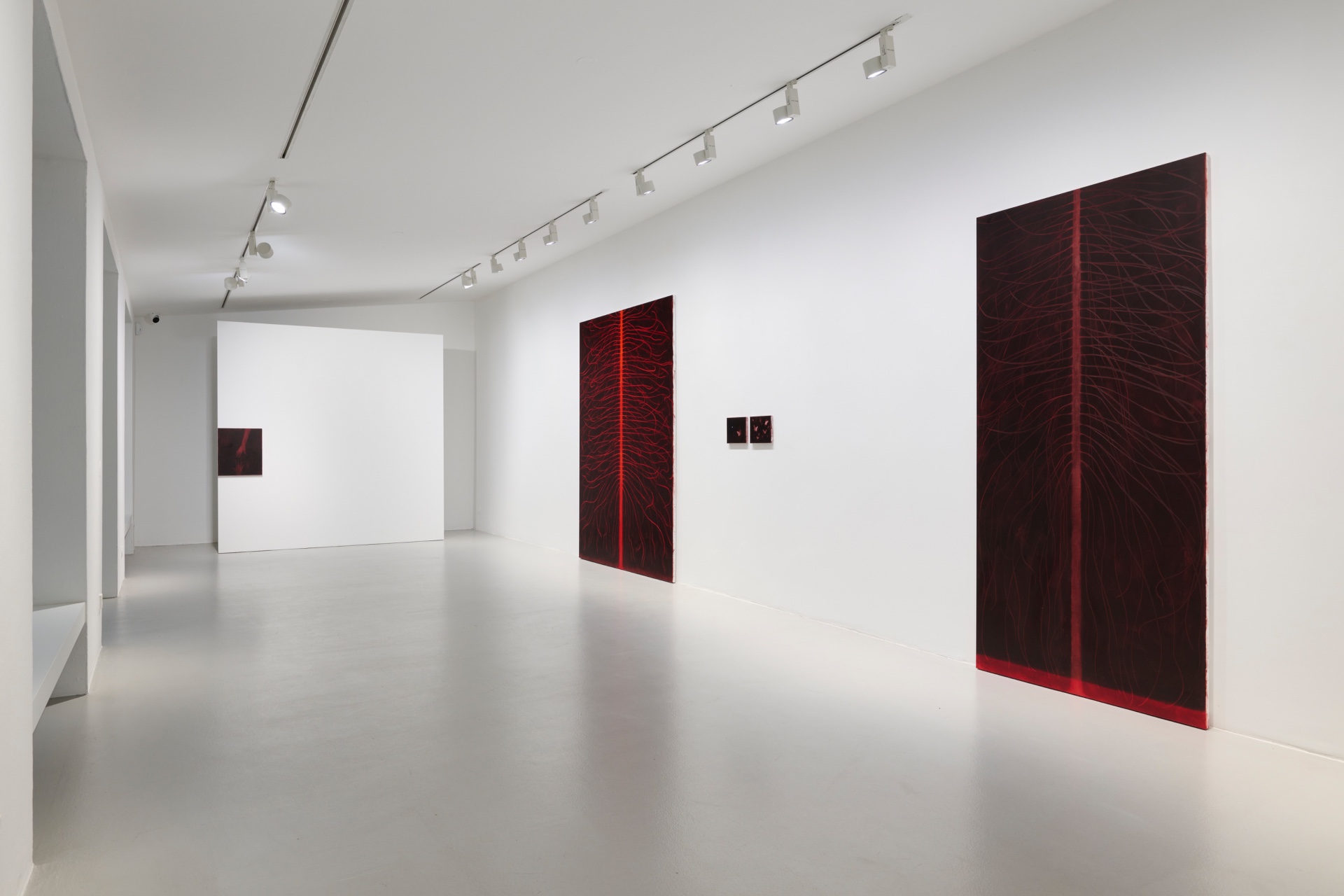
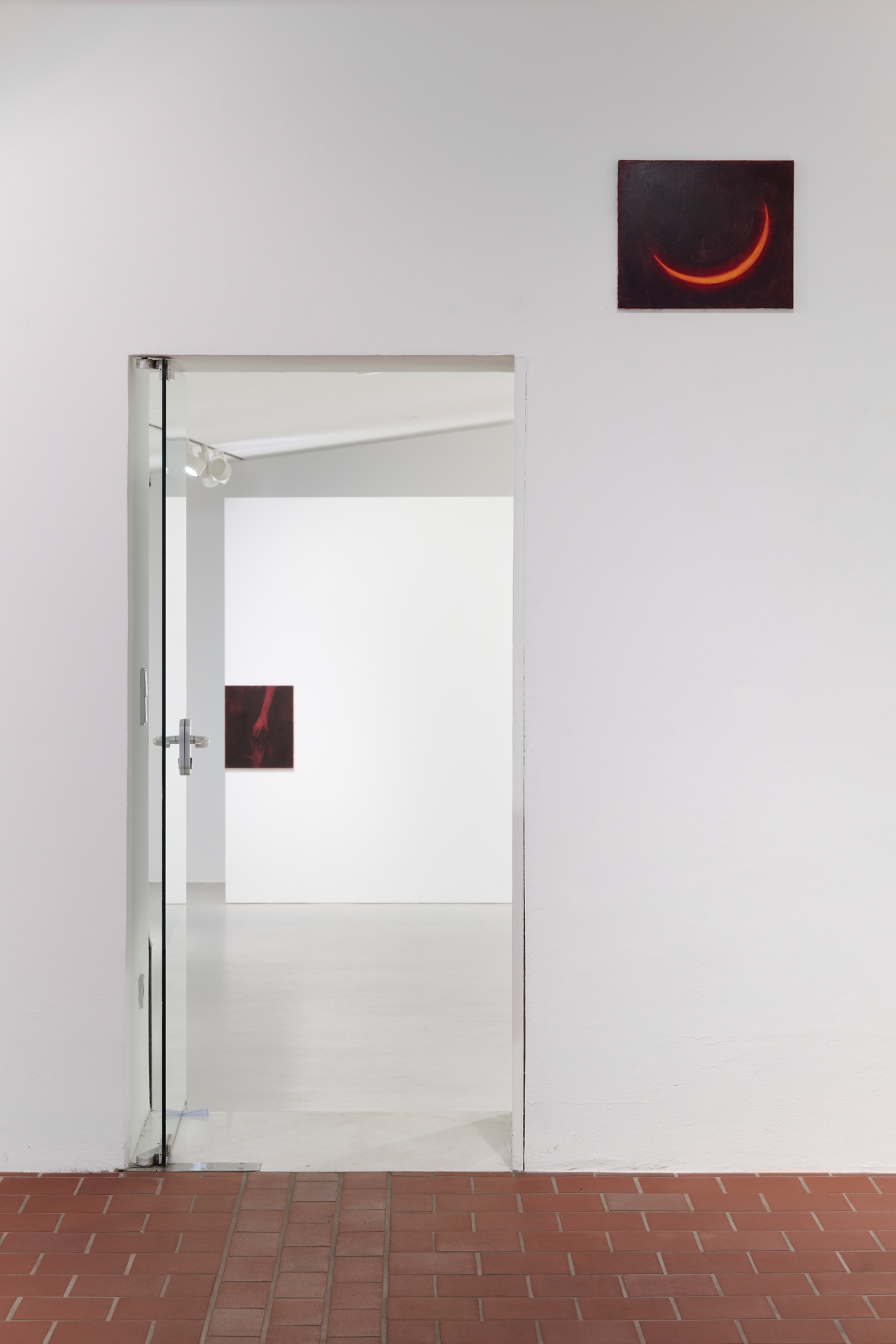
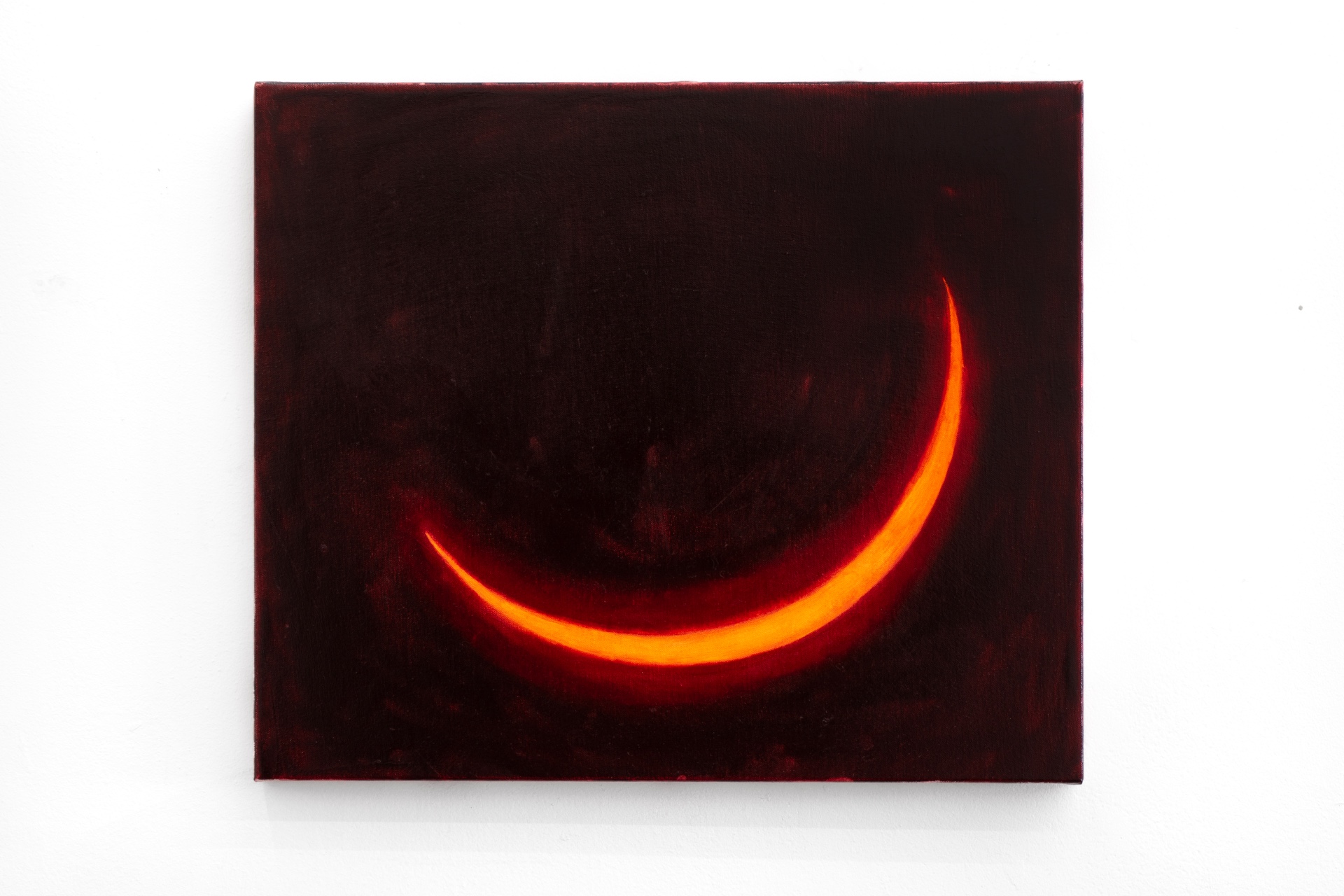
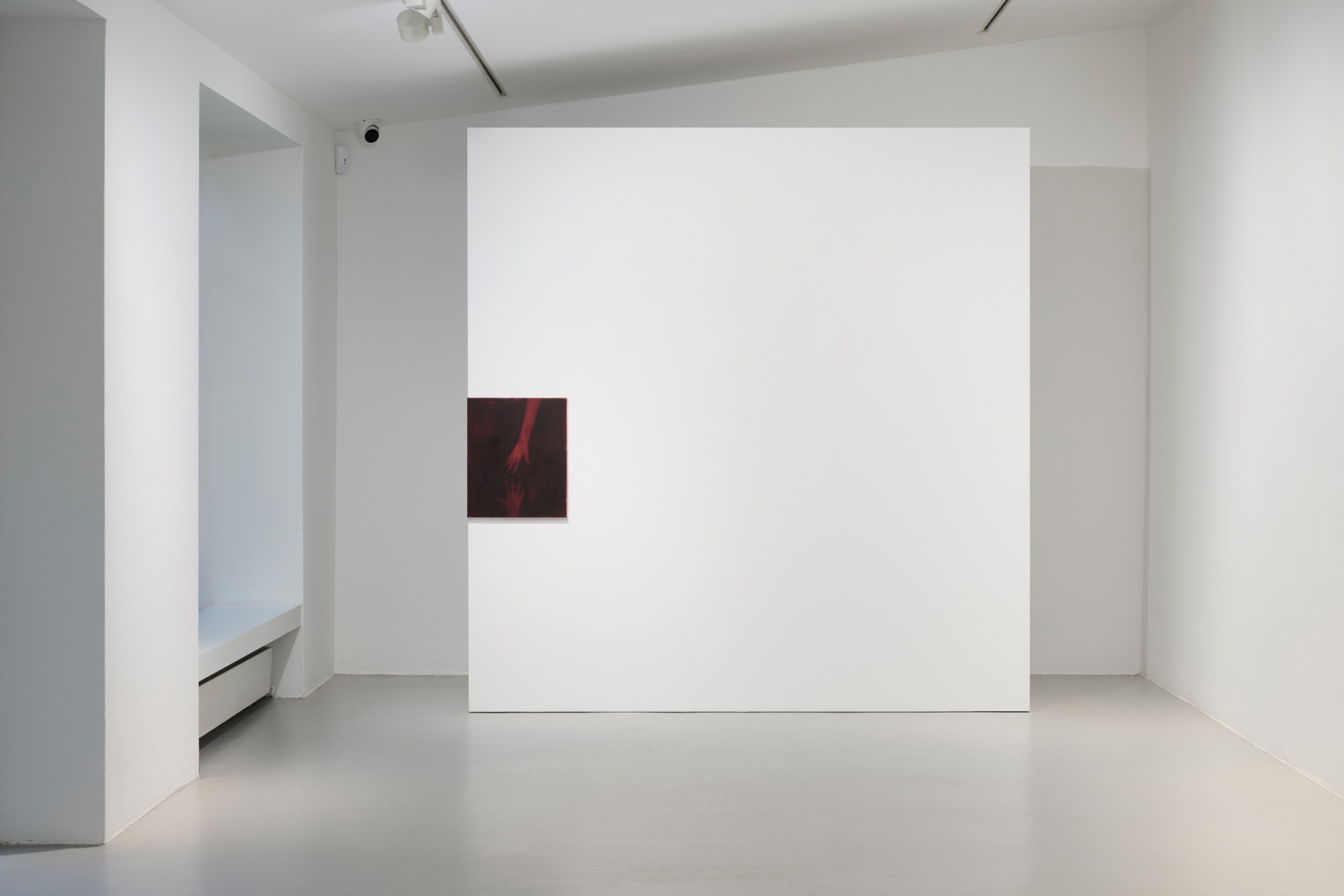
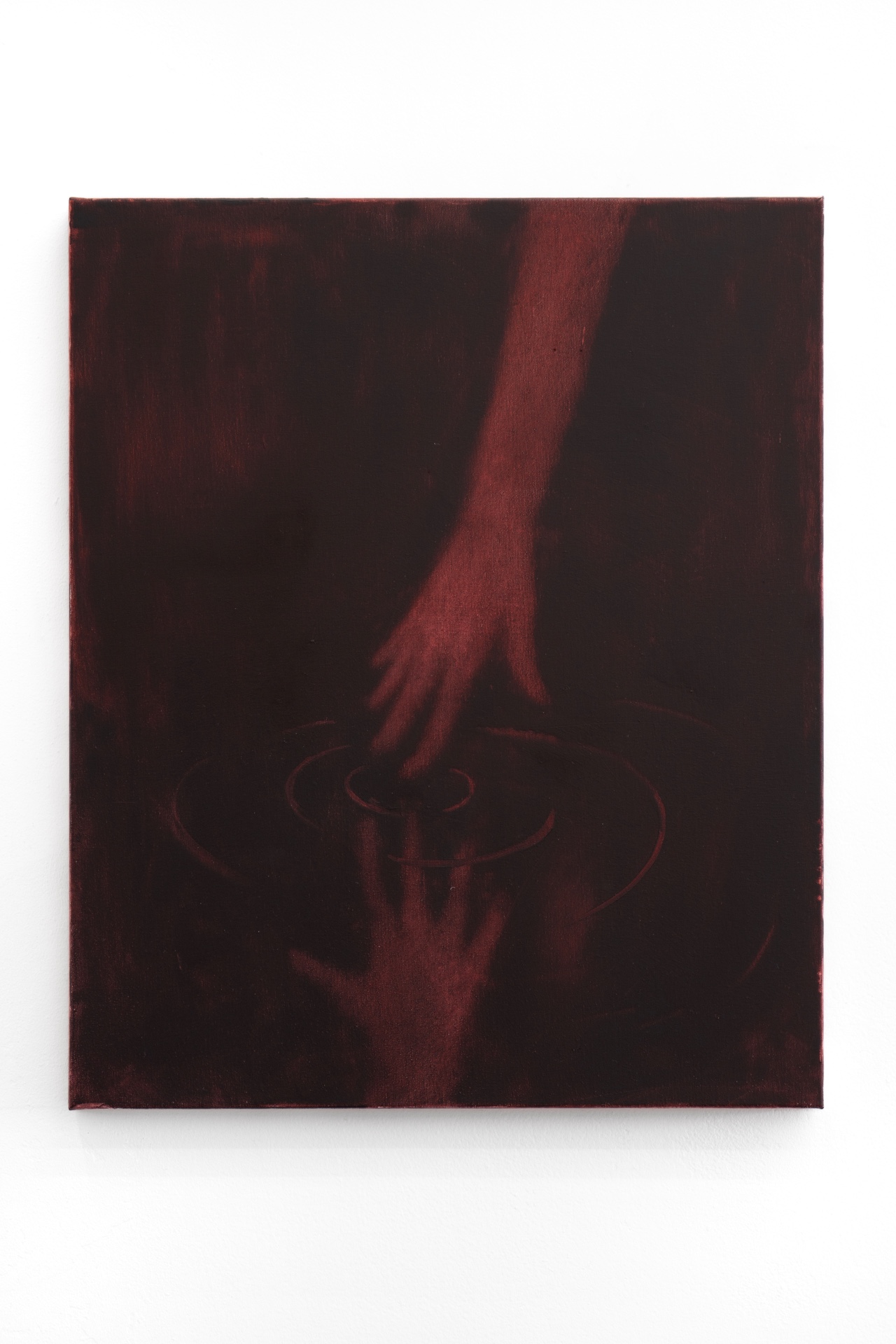
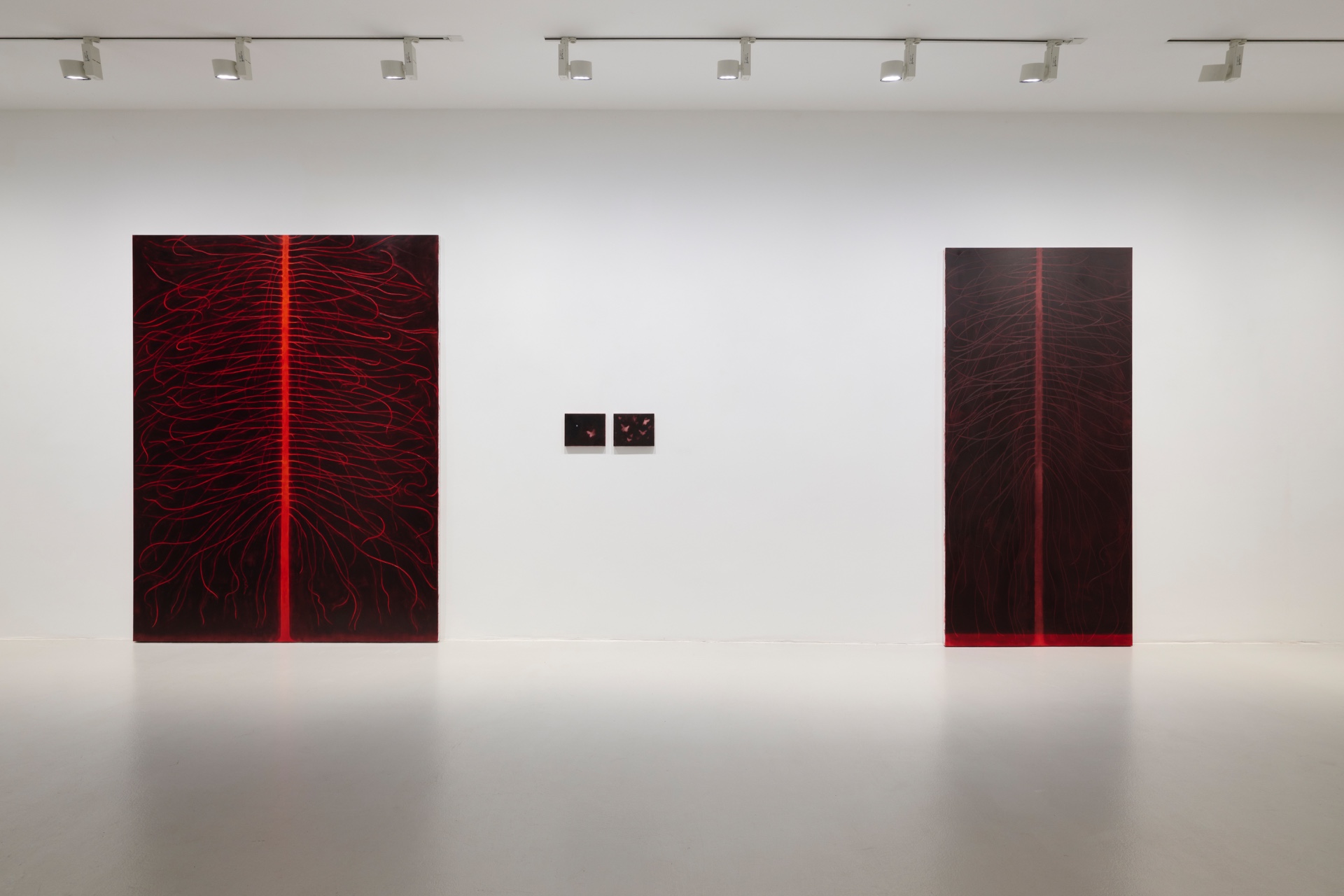
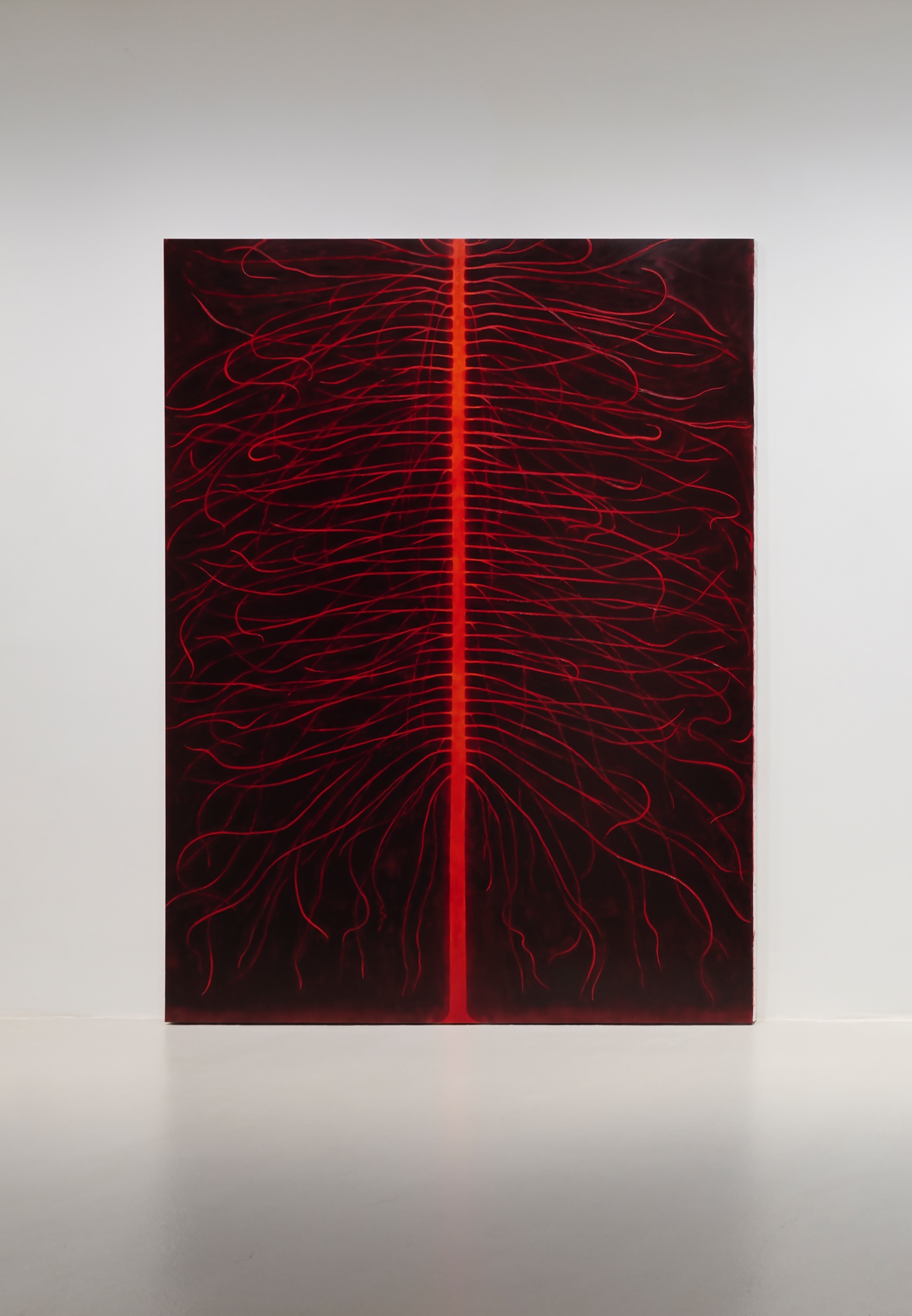
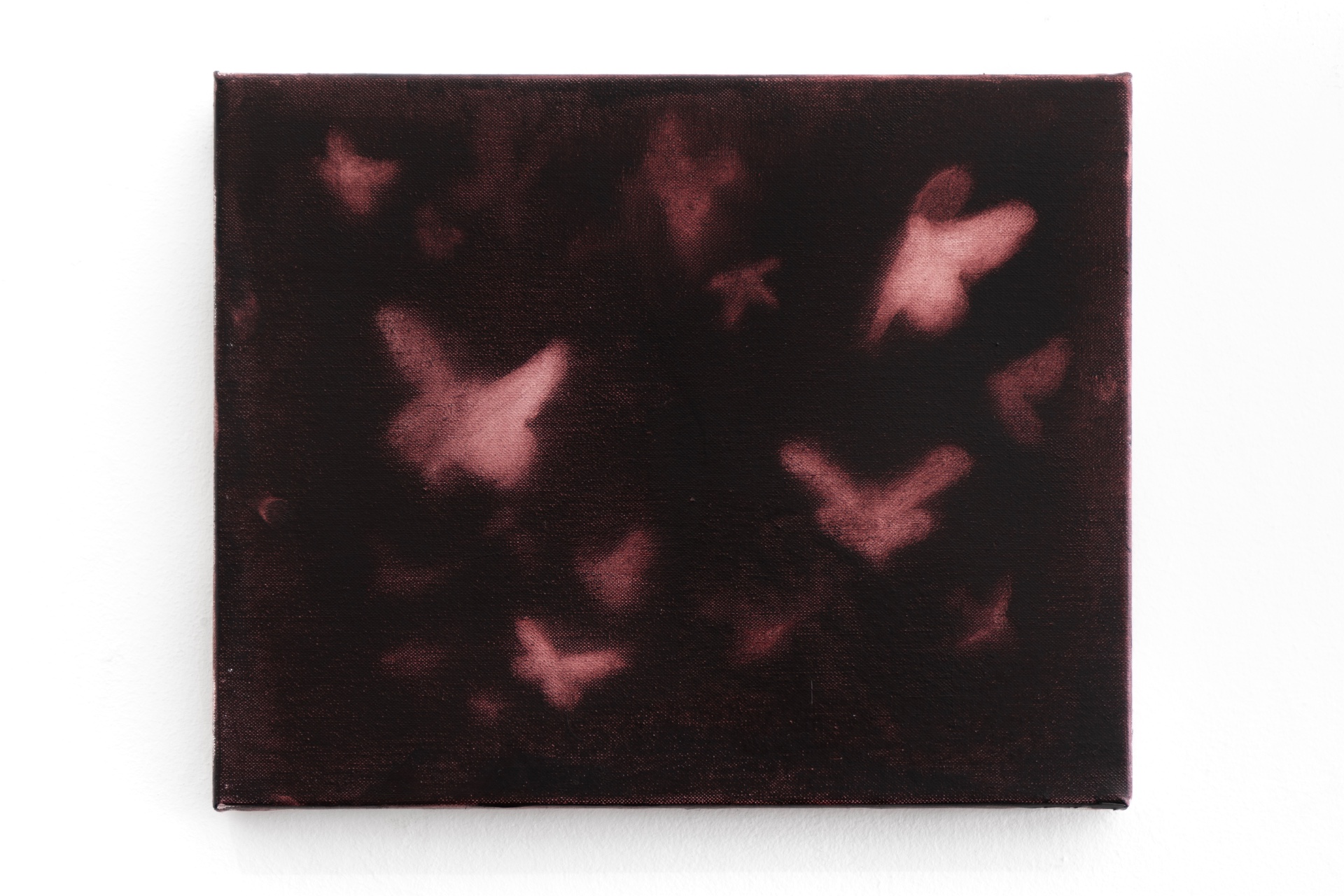
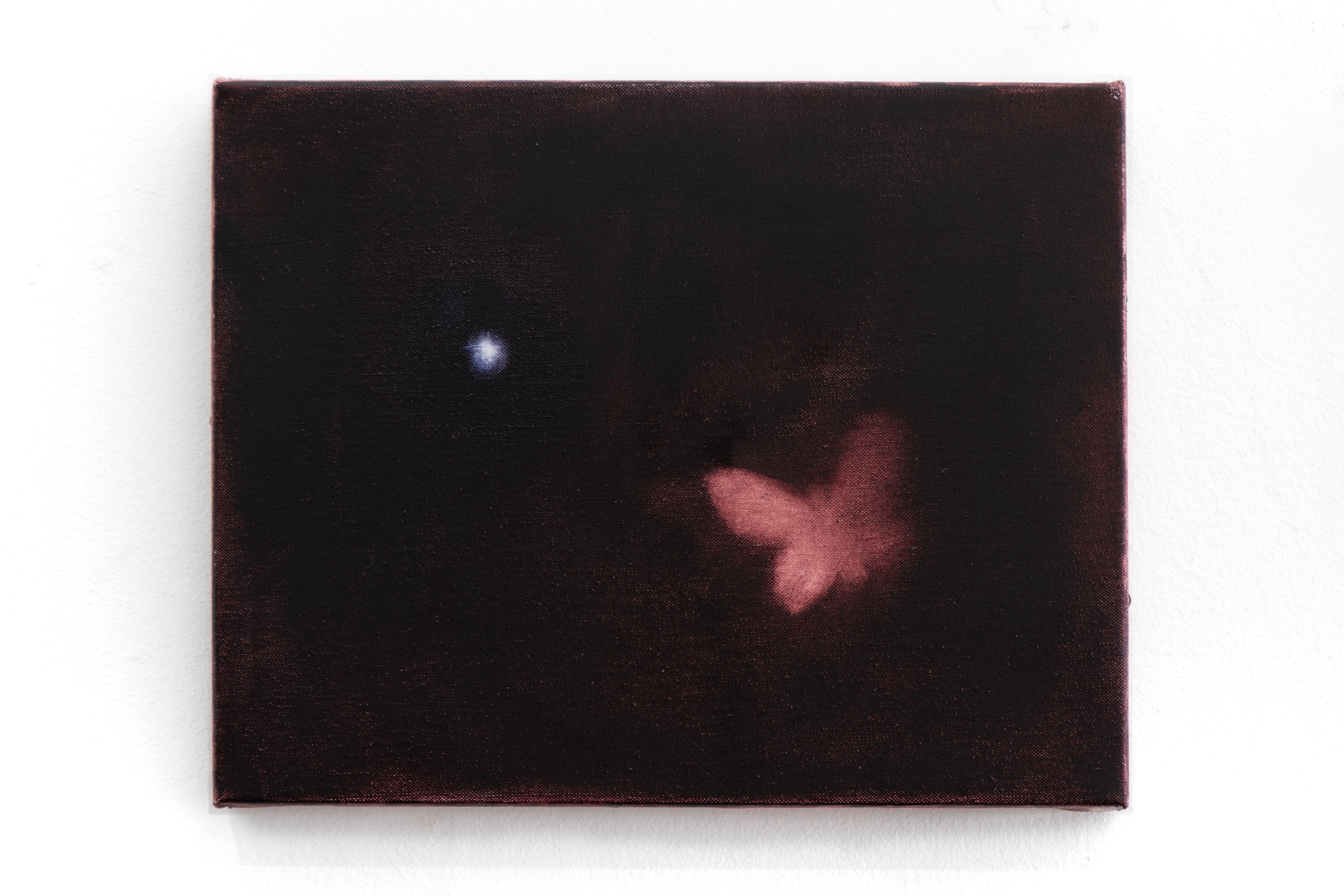
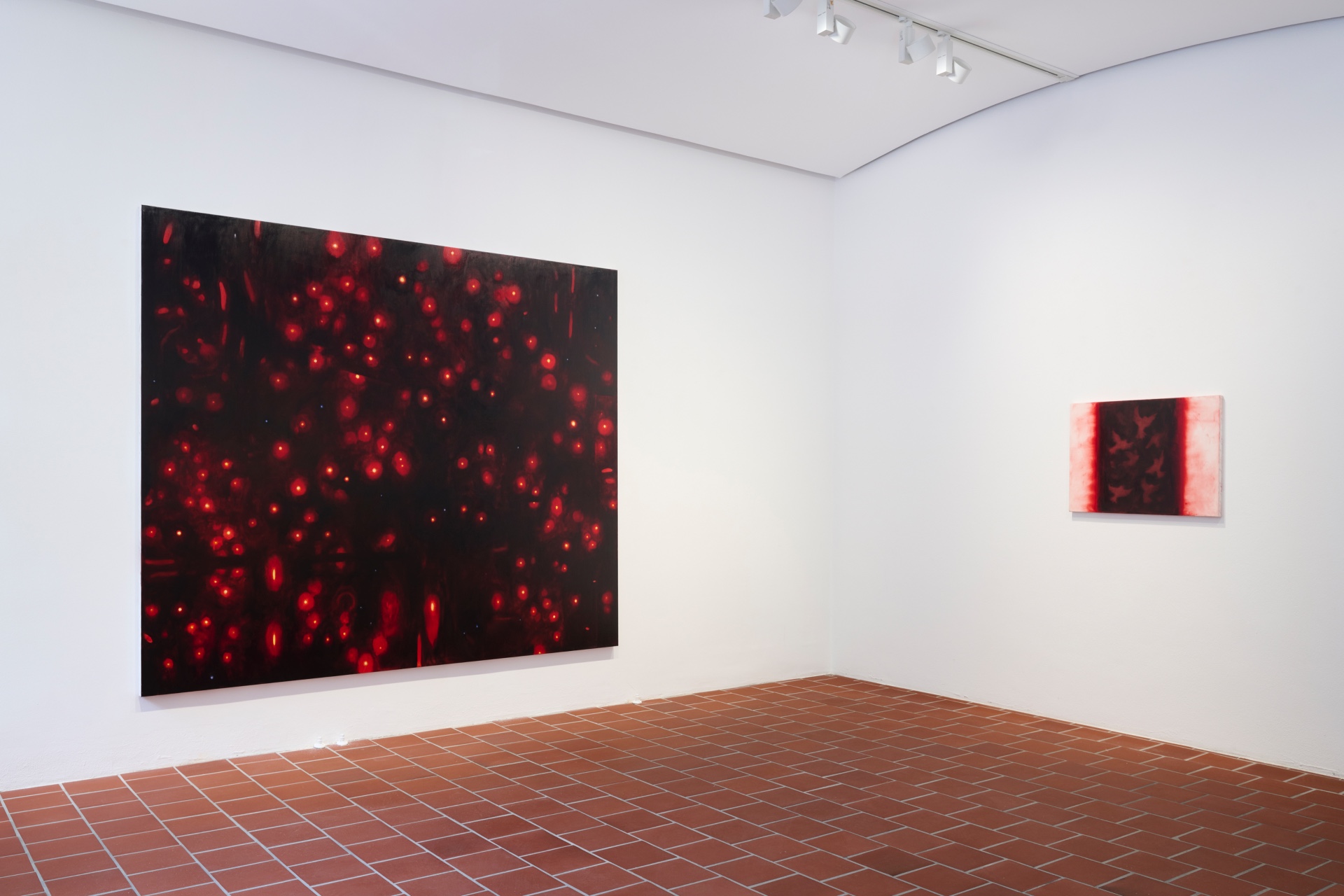
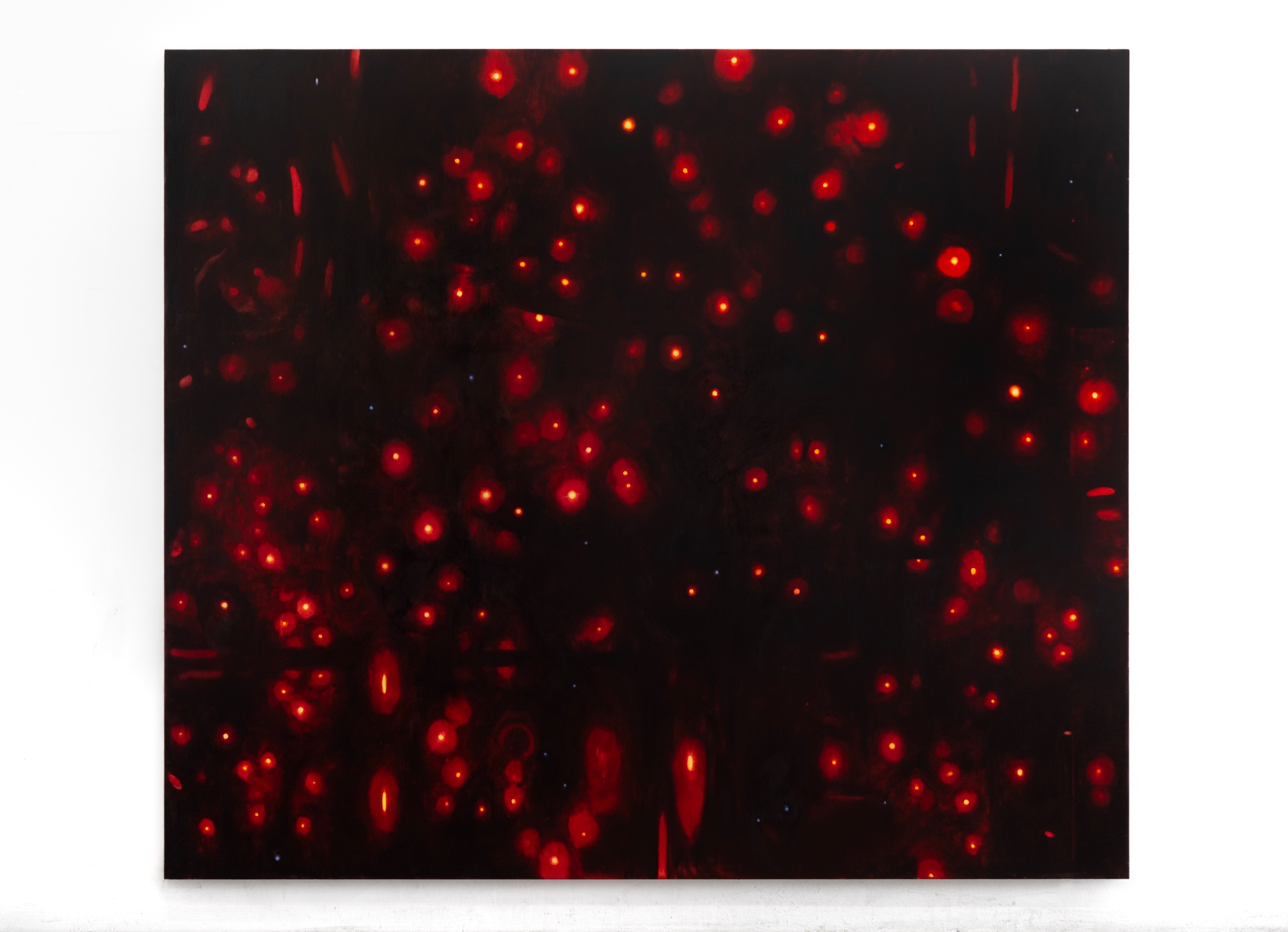
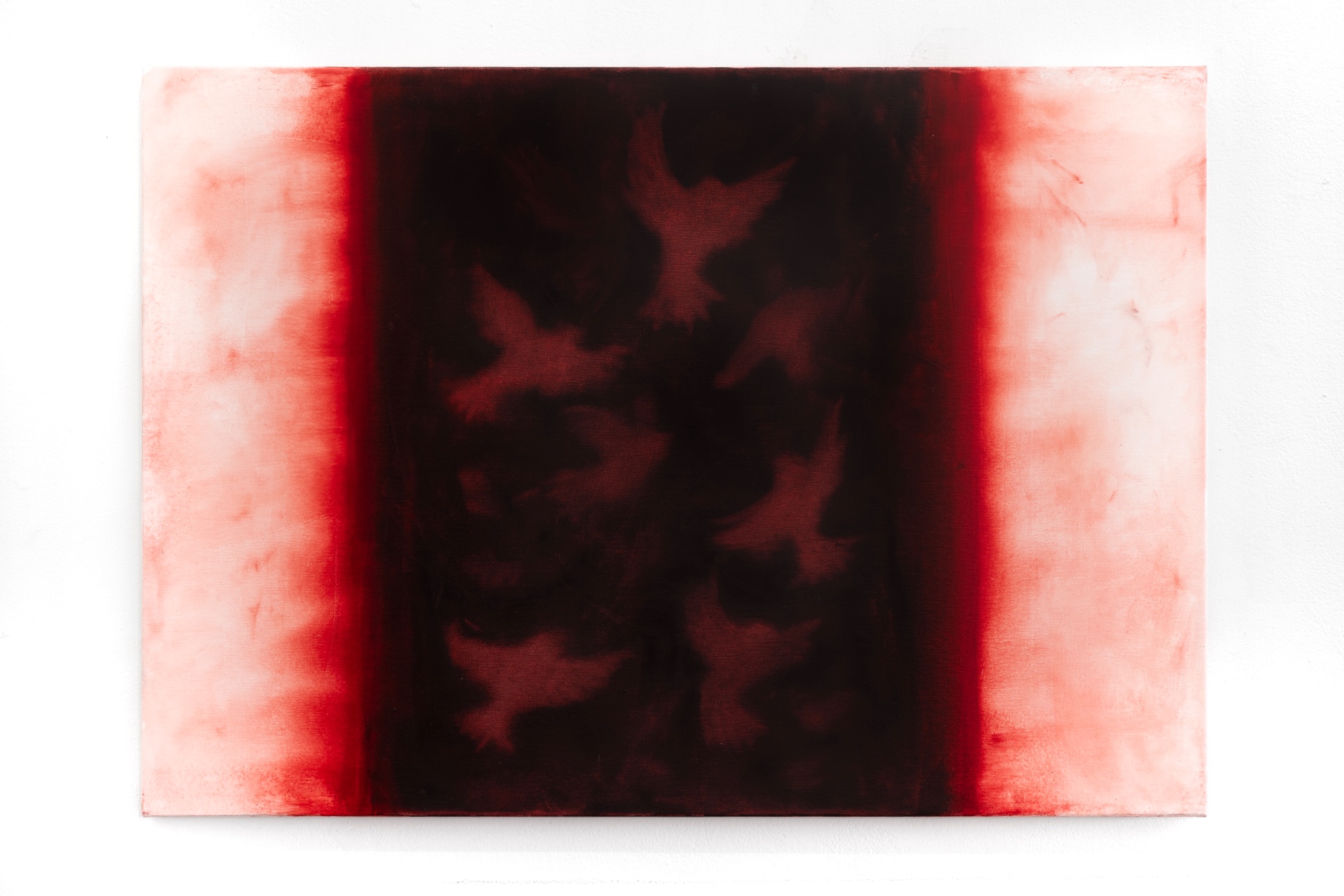
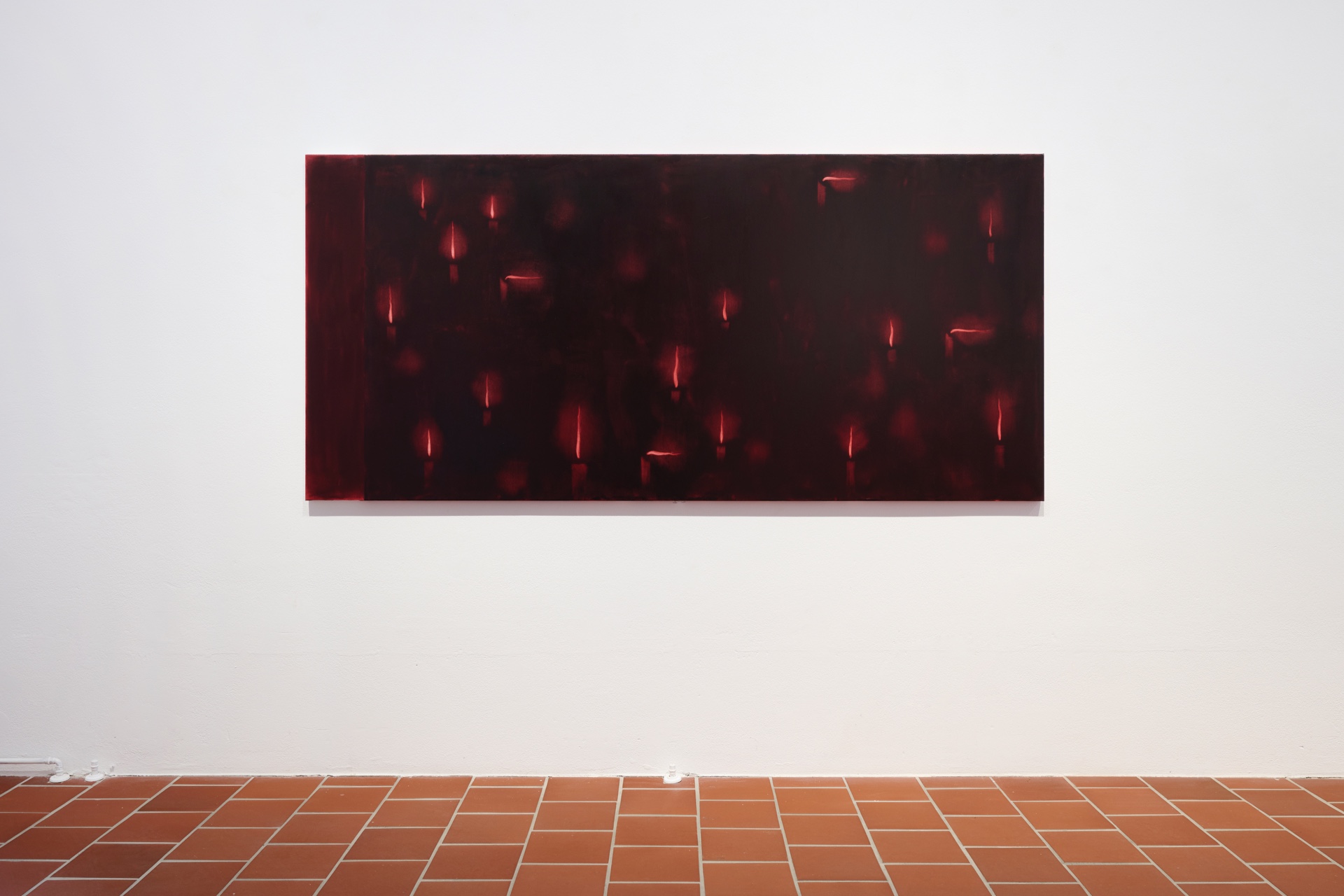
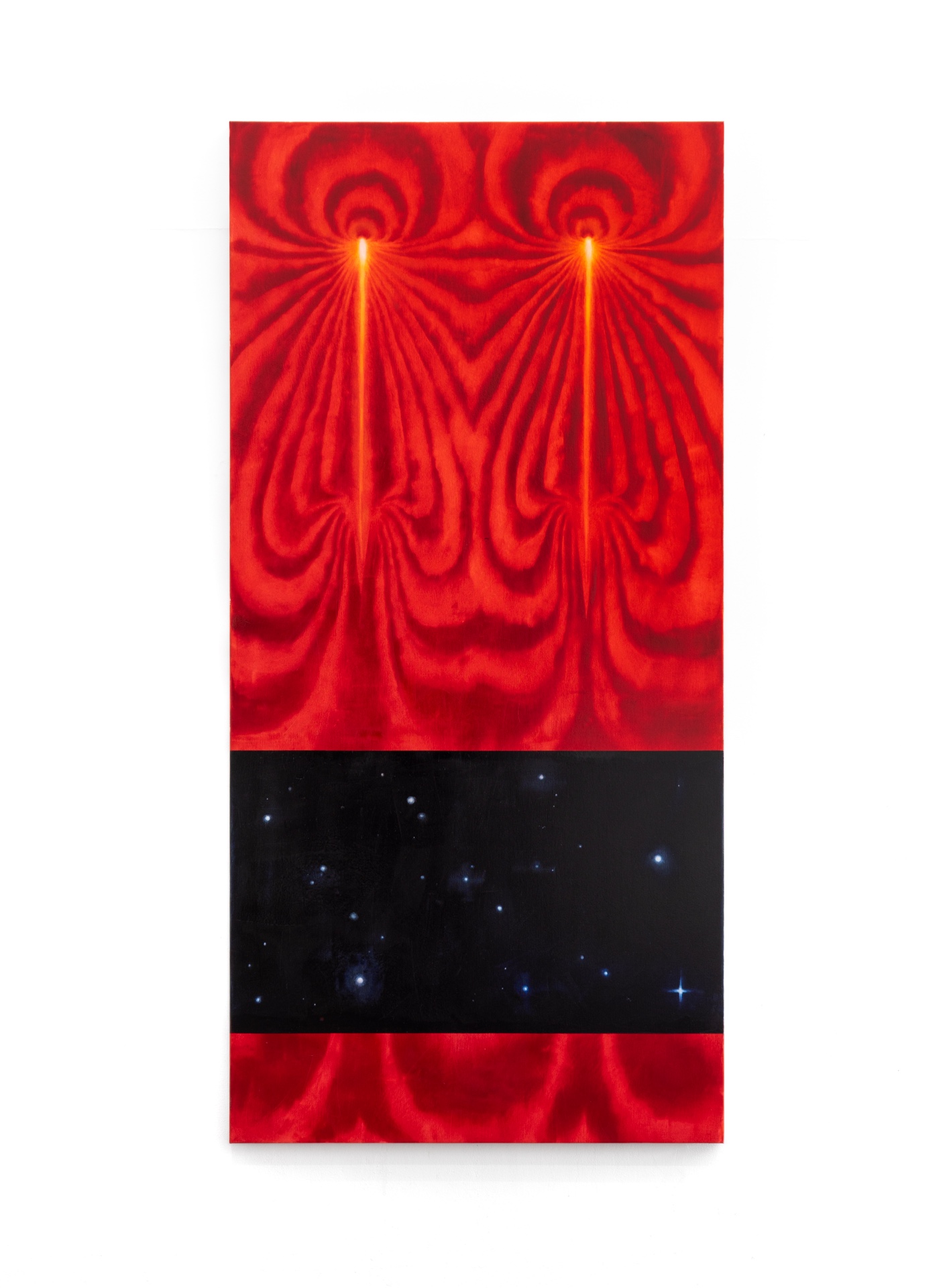
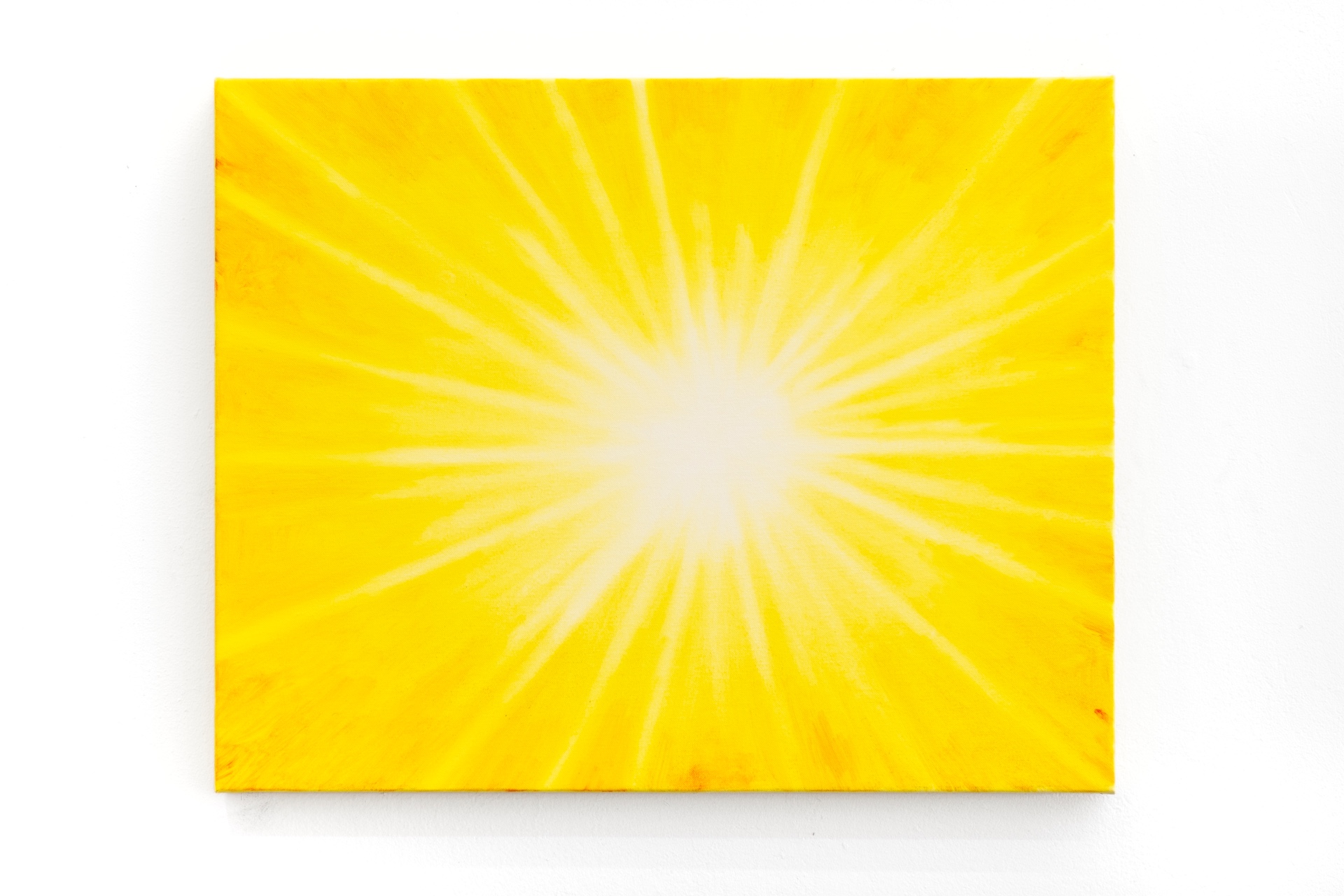
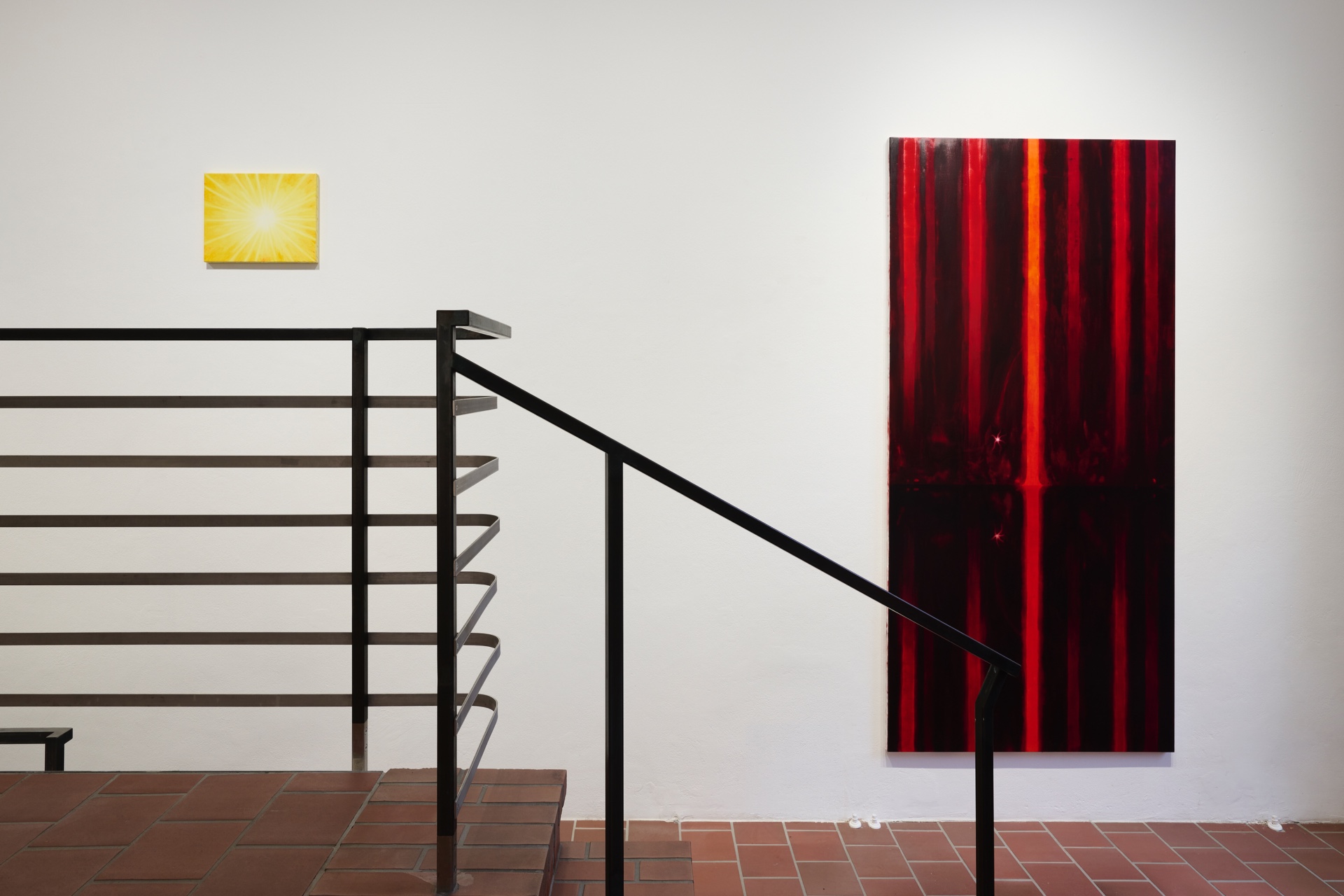
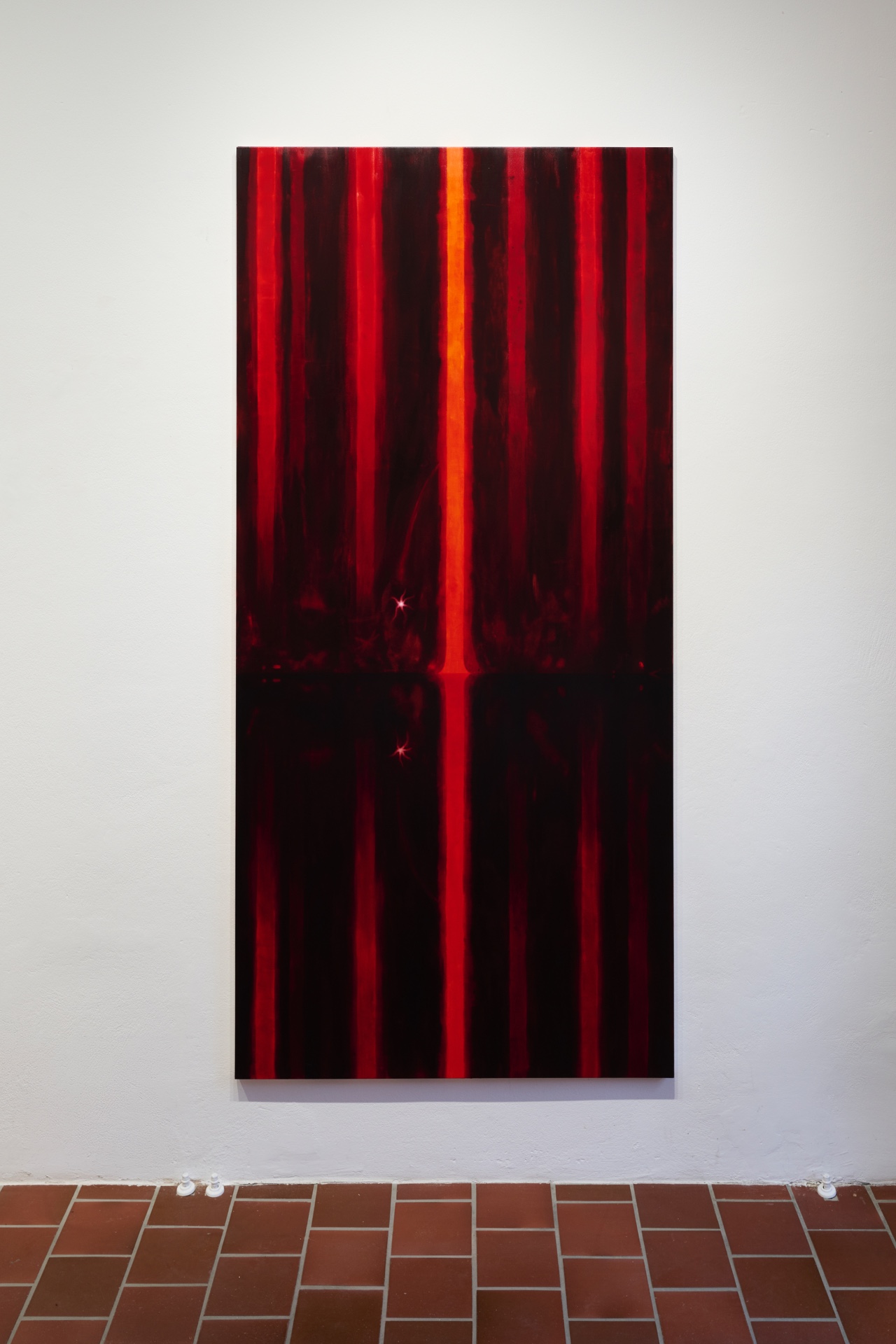
Last night a moon came out She replaced my eyes She said your plans undermined you Until the shadow rings the bell You'll only see behind you (Tom Verlaine, Last Night, 1979) Sometimes a painting begins in the act of seeing. Or just after, as an afterimage—the persistent glow that remains when the eyes close after looking into light. Julia Selin’s Sun’s Show unfolds within this condition. The exhibition brings together a set of paintings that seem to hold together as a system, where each work depends on the others. Several canvases rise vertically, exceeding the body; others remain small, close, almost held. Certain motifs return—branching lines, vertical structures, crescent forms, points of light—shifting slightly from one canvas to the next. The works behave like recollections, forming and reforming as they are seen. Selin approaches painting as a site where images emerge through process. Each canvas is executed in a single, continuous layer of oil, worked while still wet. The image develops through pressure and movement. Where pigment gathers, it darkens into a compact field; where it thins, light appears from within the surface. The palette moves between dense, iron-rich reds and bright passages of yellow. Heat and illumination circulate across the works. The composition in several of the paintings recalls Philip Guston’s description of Piero della Francesca’s manner of dividing a painting: “The picture is sliced almost in half, yet both parts act on each other, repel and attract, absorb and enlarge, one another.”[1] The hand remains close—brush and finger tracing, pressing, dragging—leaving marks that feel both deliberate and immediate. The resulting colour hovers in an unstable register, a dewy, shifting tone the artist describes as a “ghost colour.” Illumination is not applied but released, giving the impression that the image is being uncovered rather than constructed. This method produces forms that are precise yet open in their associations. In No stars, a tall, narrow field is held together by a vertical structure that stabilises the composition without resolving it. Subtle shifts suggest a mirroring that never fully aligns. In Anima, a central form extends and branches, recalling a stem, a spine, or a vascular system. The structure reads as active, as if conducting something unseen. It is as though the paintings are all trying to tell us something, that lies beyond reason and language. An intuition, an incantation. In The trees, the breeze, the trees, the wind, faint contours of butterflies team across a dark background, suggesting something ominous; in Touched just once, a spiral shape creates a force field that radiates and seems to pour out of the picture. In her painterly practice, Selin sustains a tension between inward, diagrammatic imagery and the direct presence of the painted surface, recalling both the symbolic structures of Hilma af Klint and the spatial clarity of Barnett Newman. The paintings remain grounded in their material conditions while opening toward something less tangible—an image that forms in the encounter and continues to shift with attention. What they offer is not a fixed statement but a sustained perceptual state, where seeing becomes a way of holding something briefly in place before it changes again. [1] Philip Guston, Piero Della Fransesca: the Impossibility of Painting, 1965