 Selected
- Echoes that refuse to fade
- 29 Apr ― 06 Jun 2026
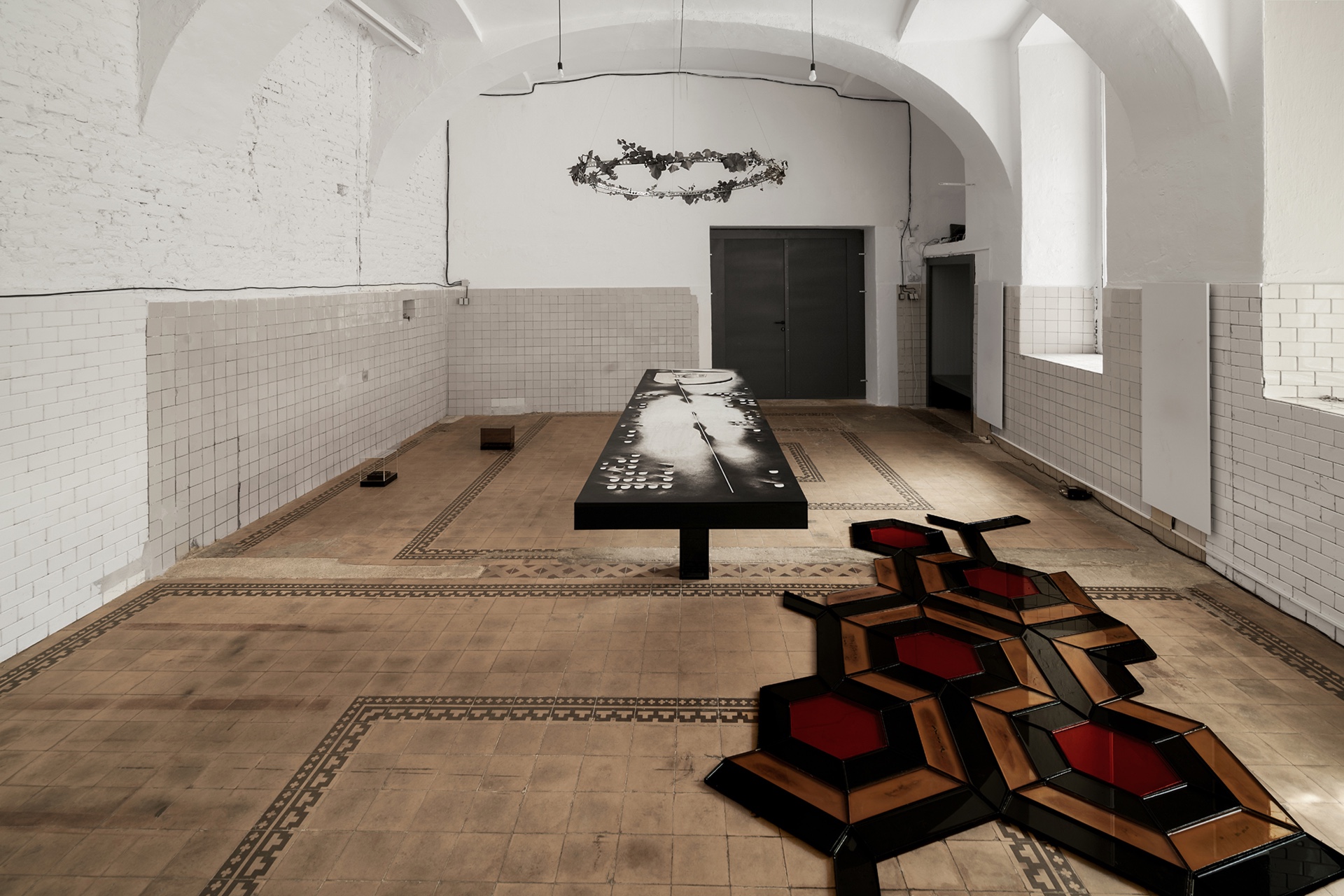
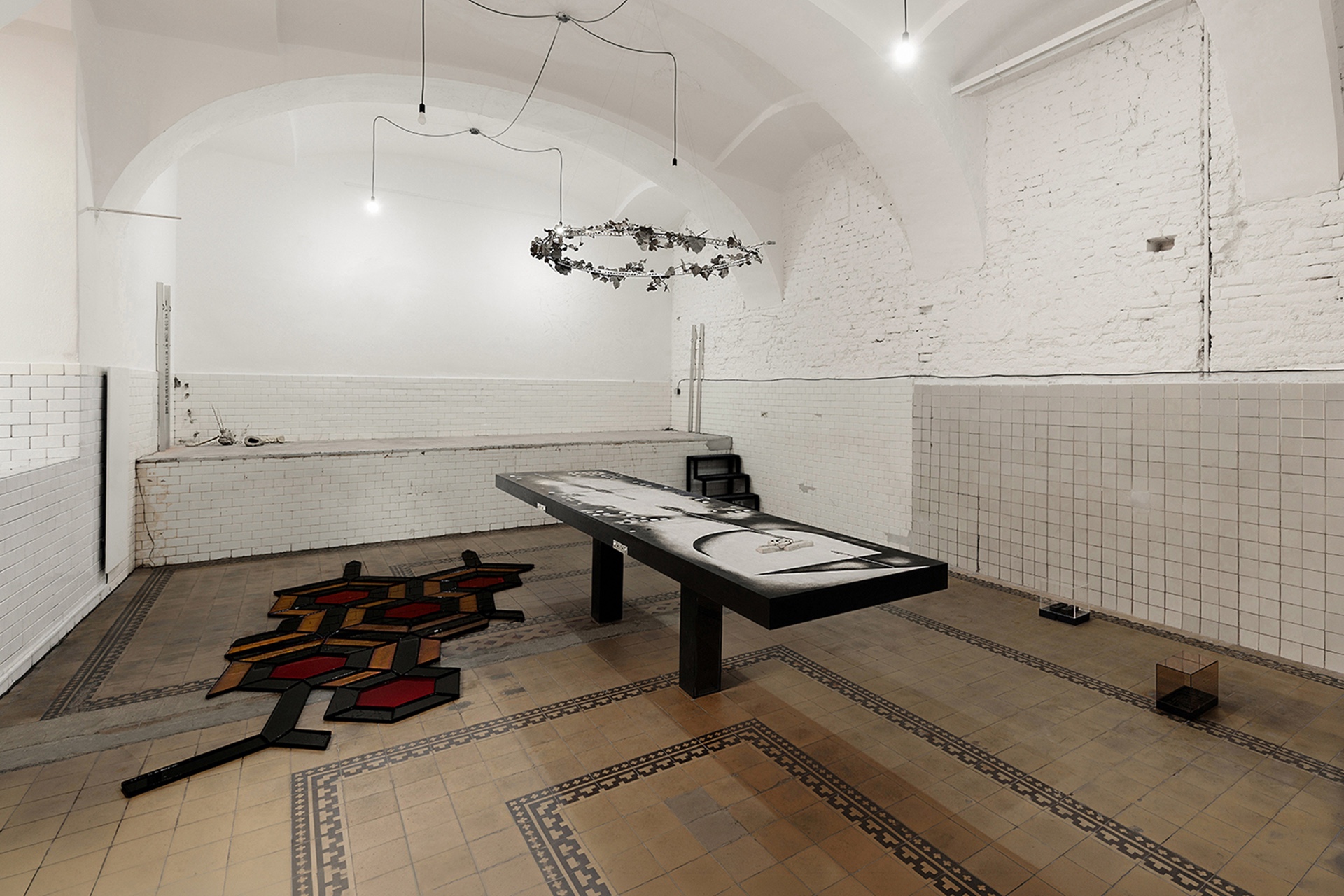
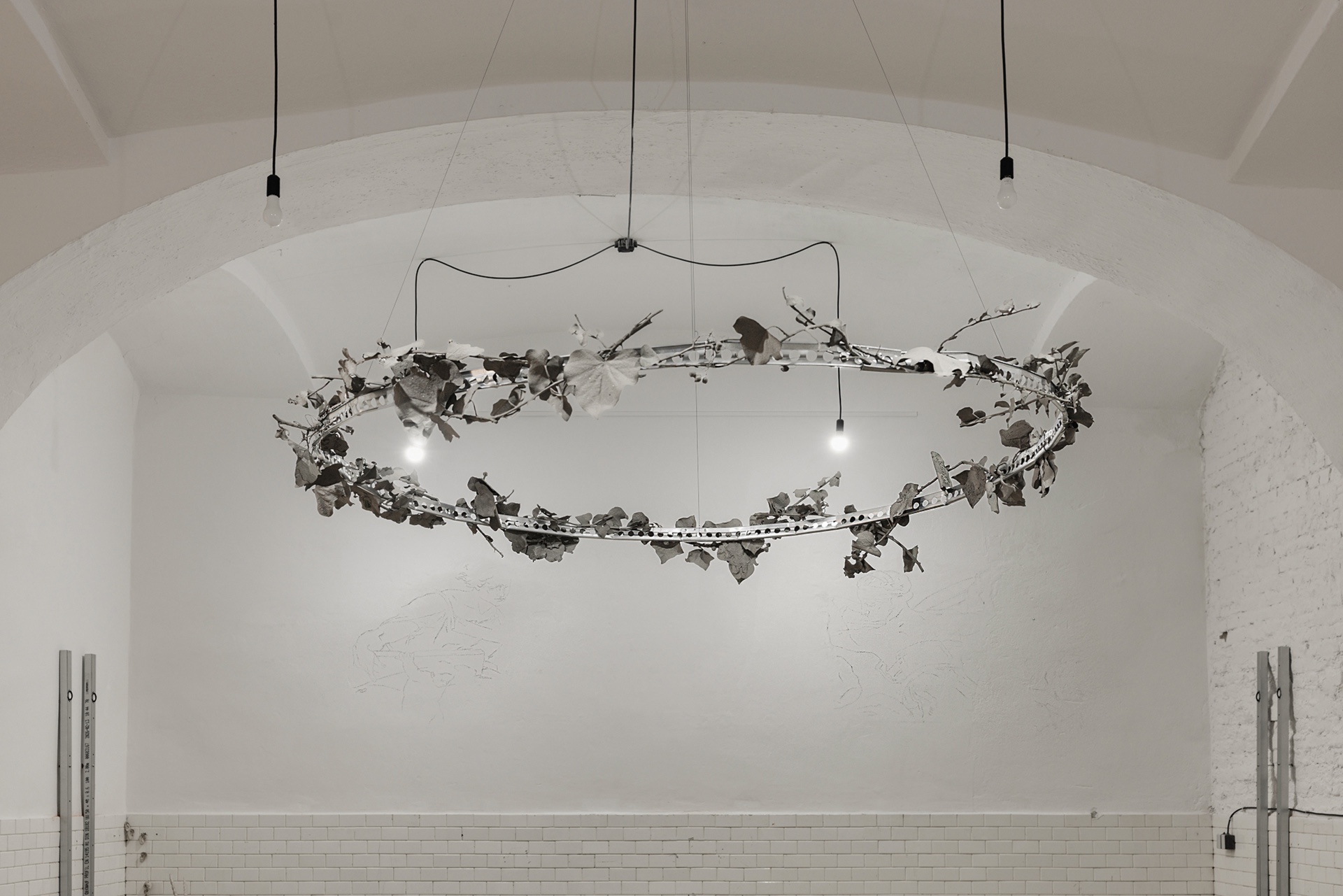
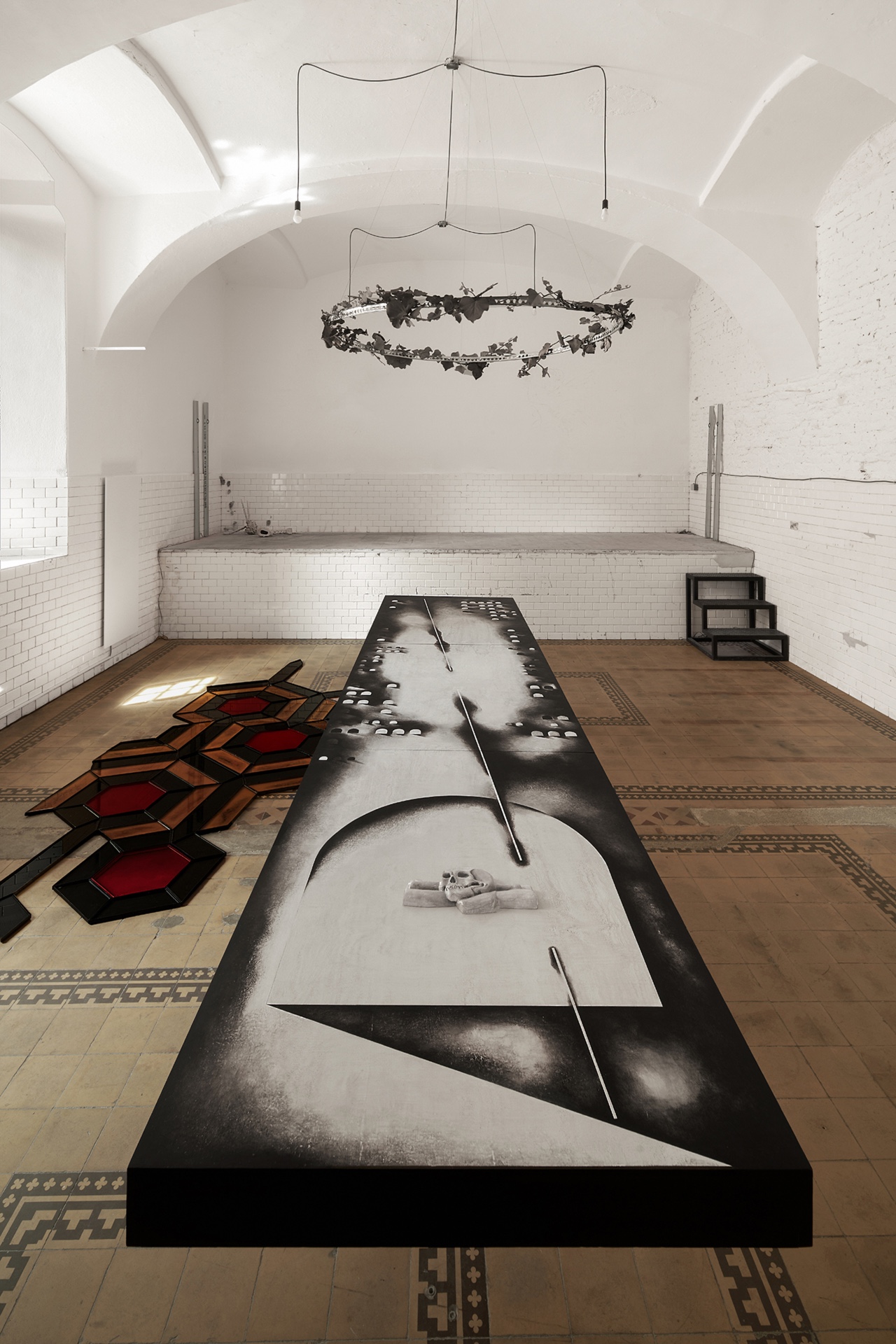
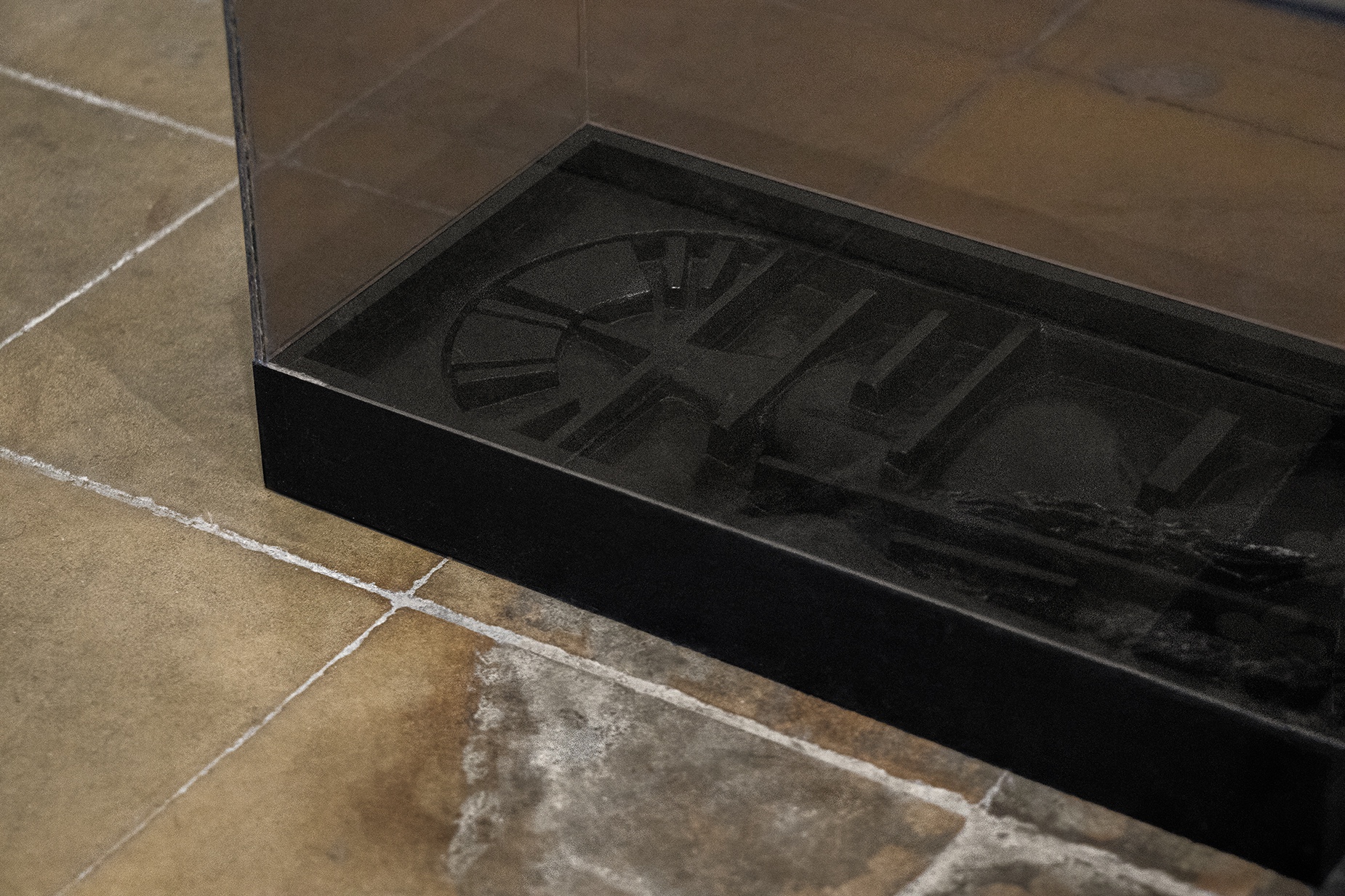
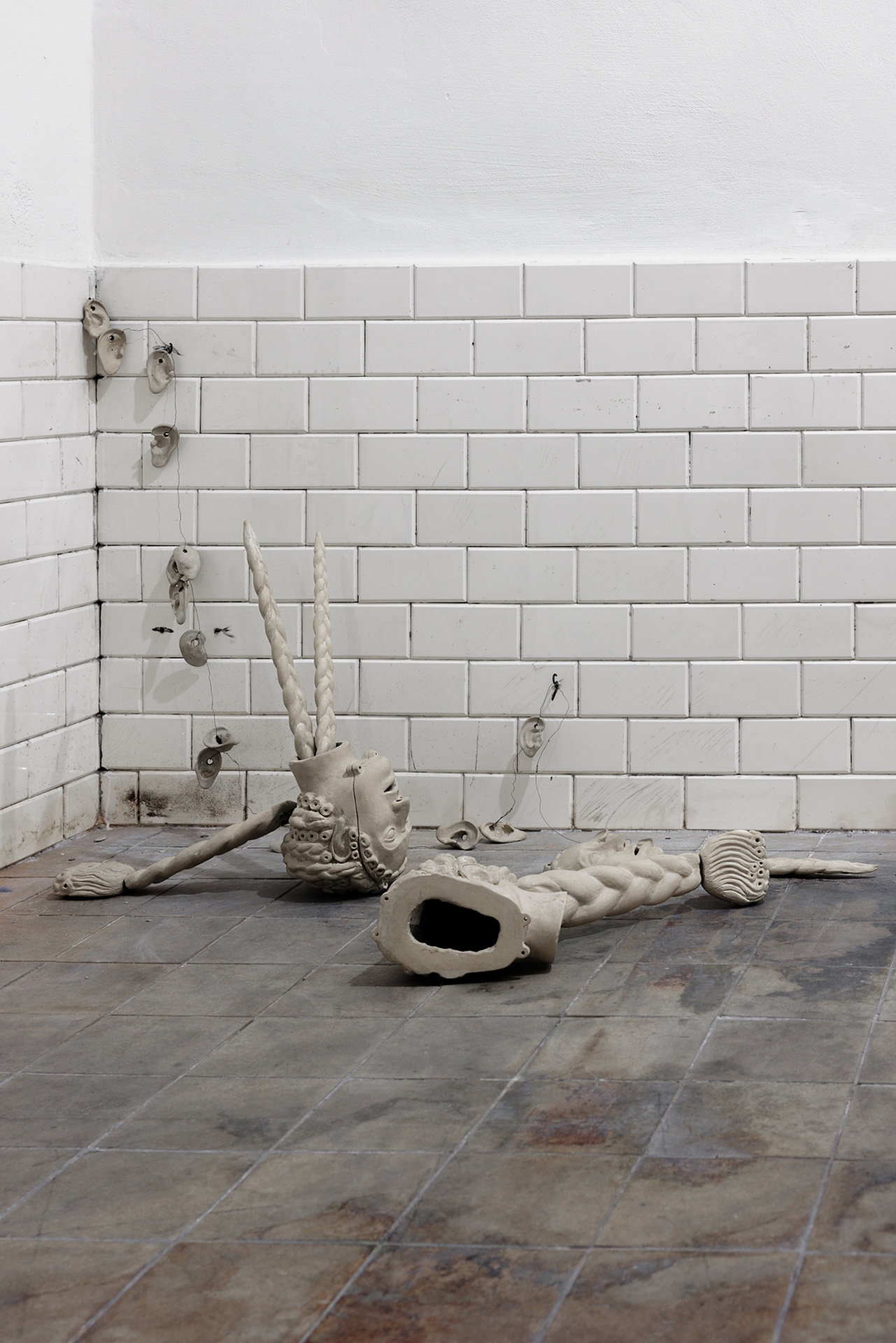
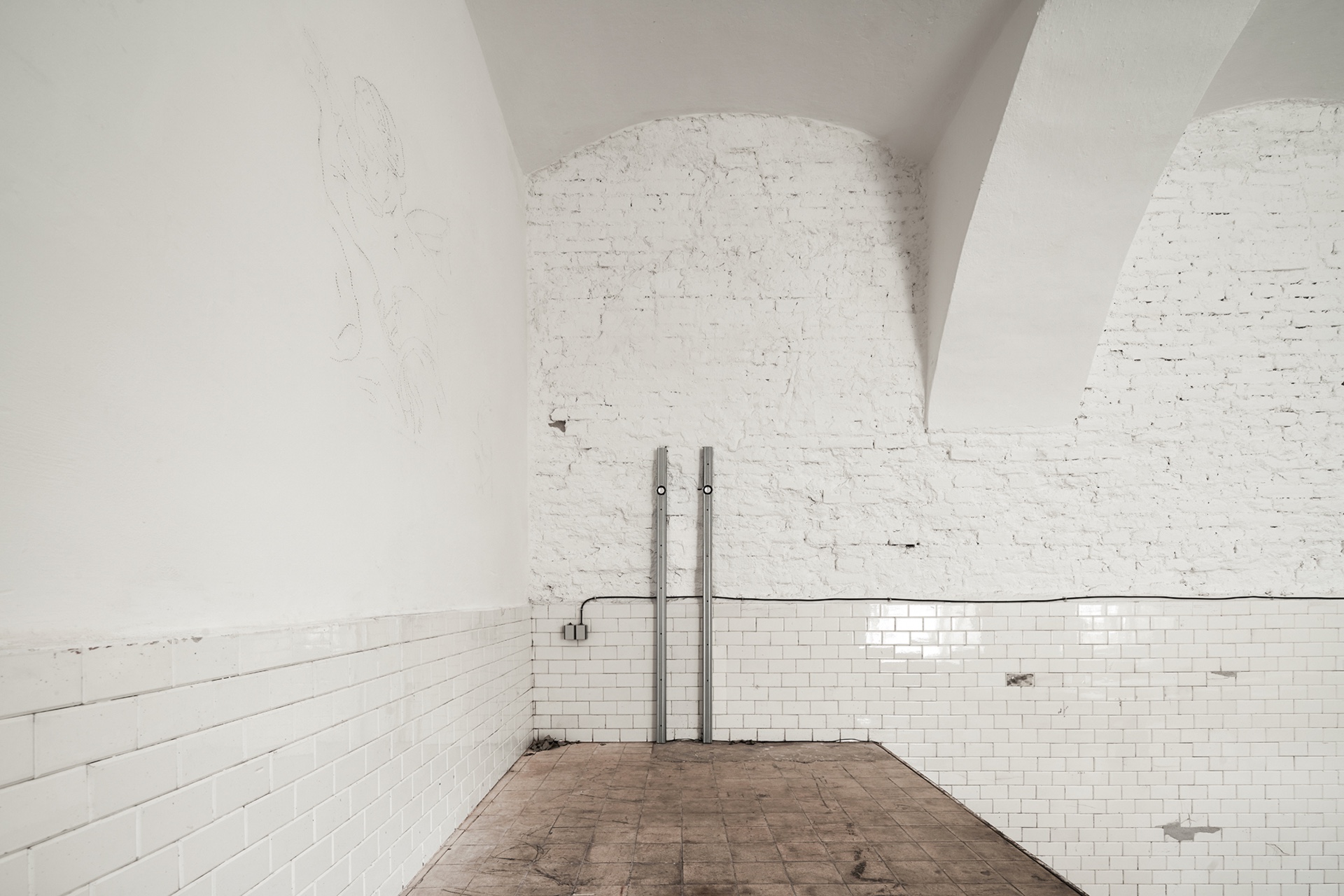
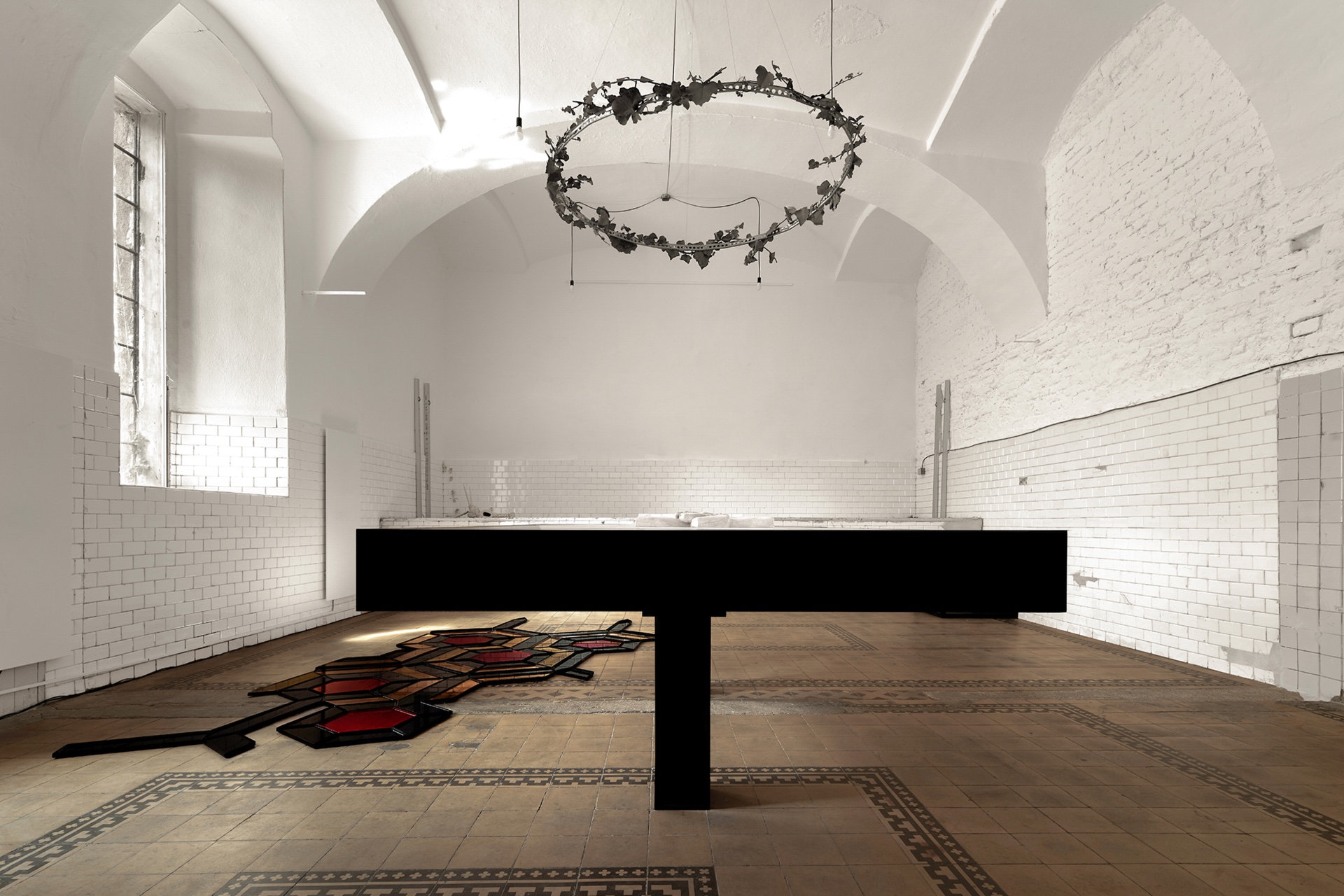
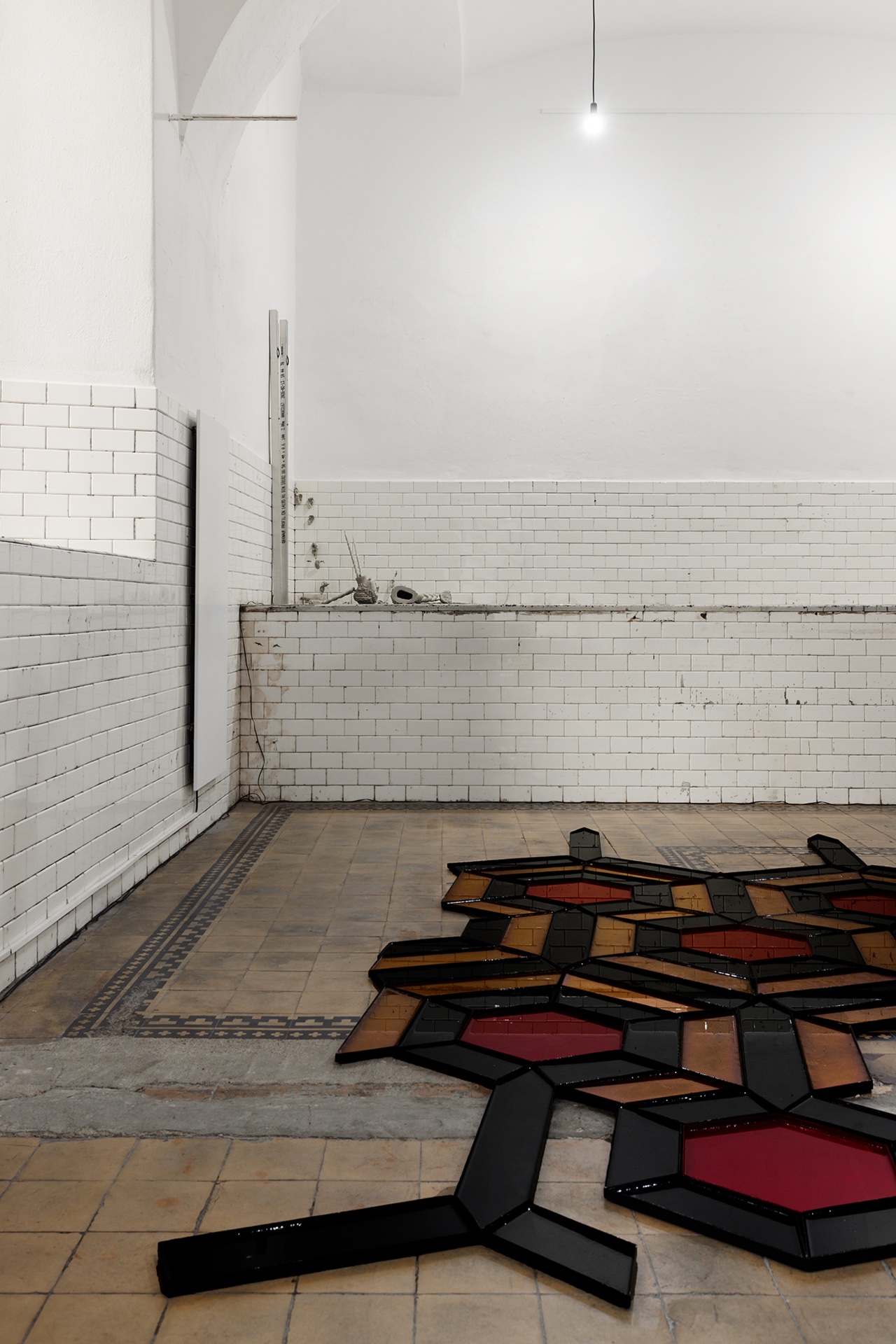
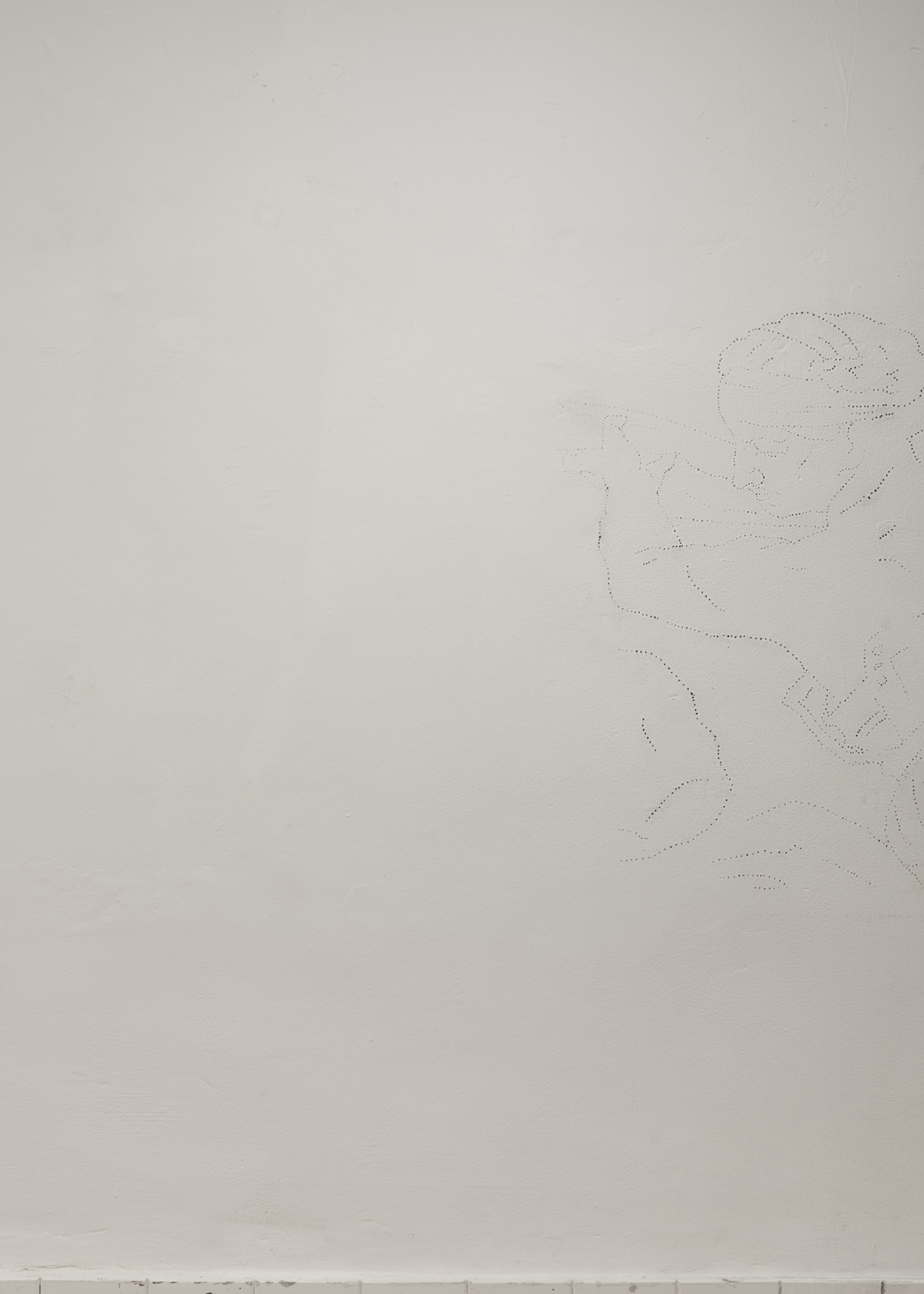
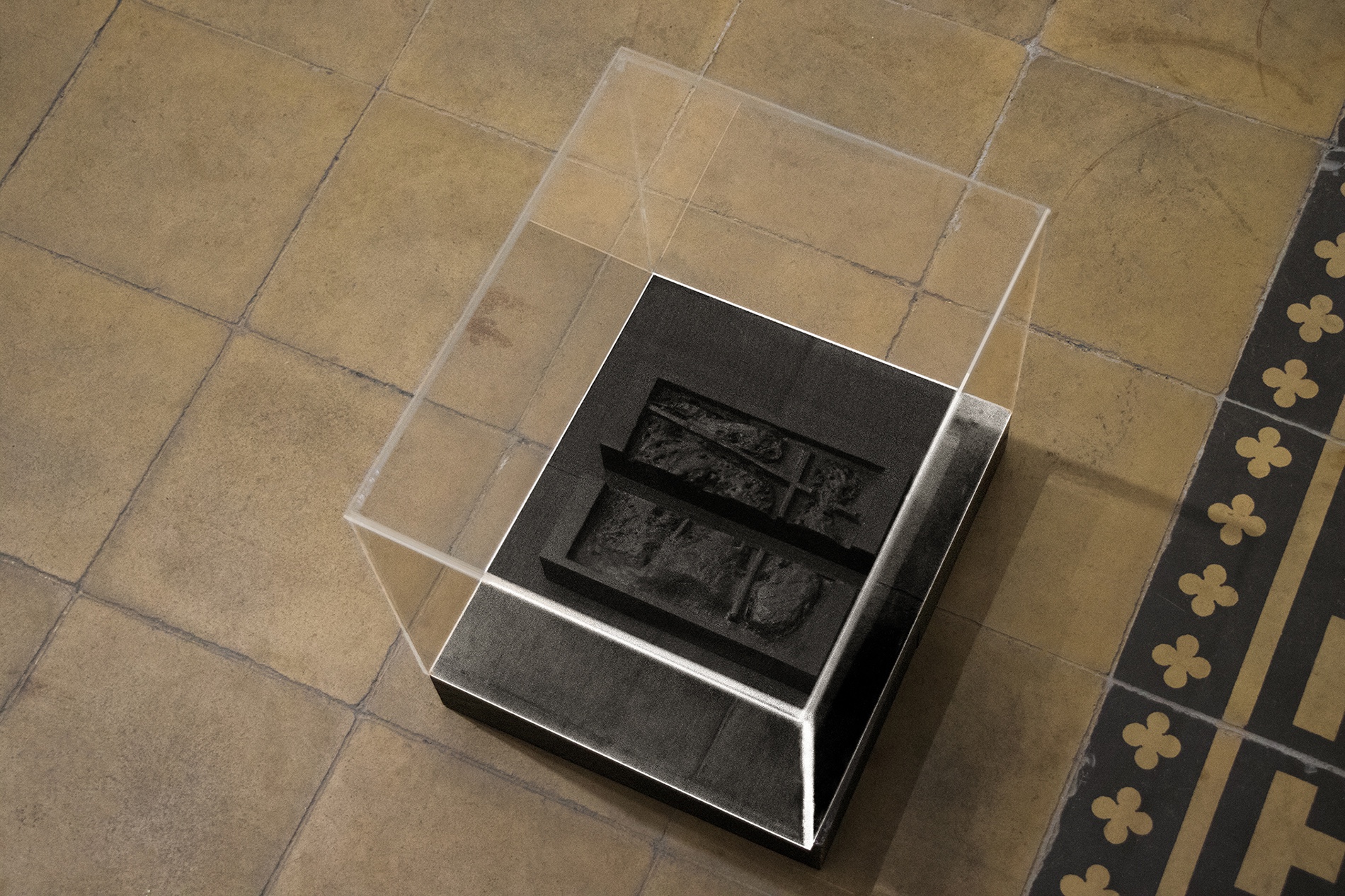
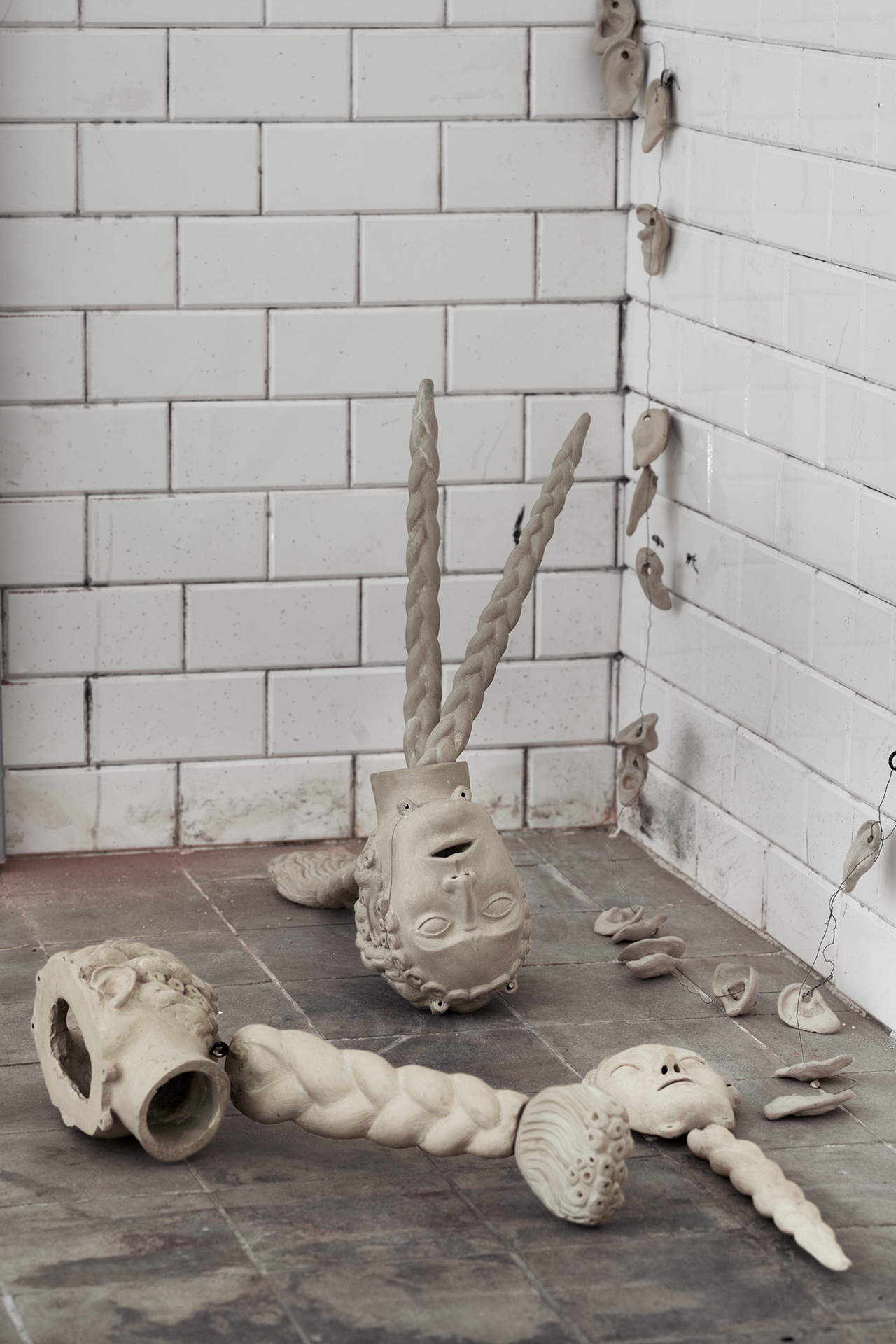
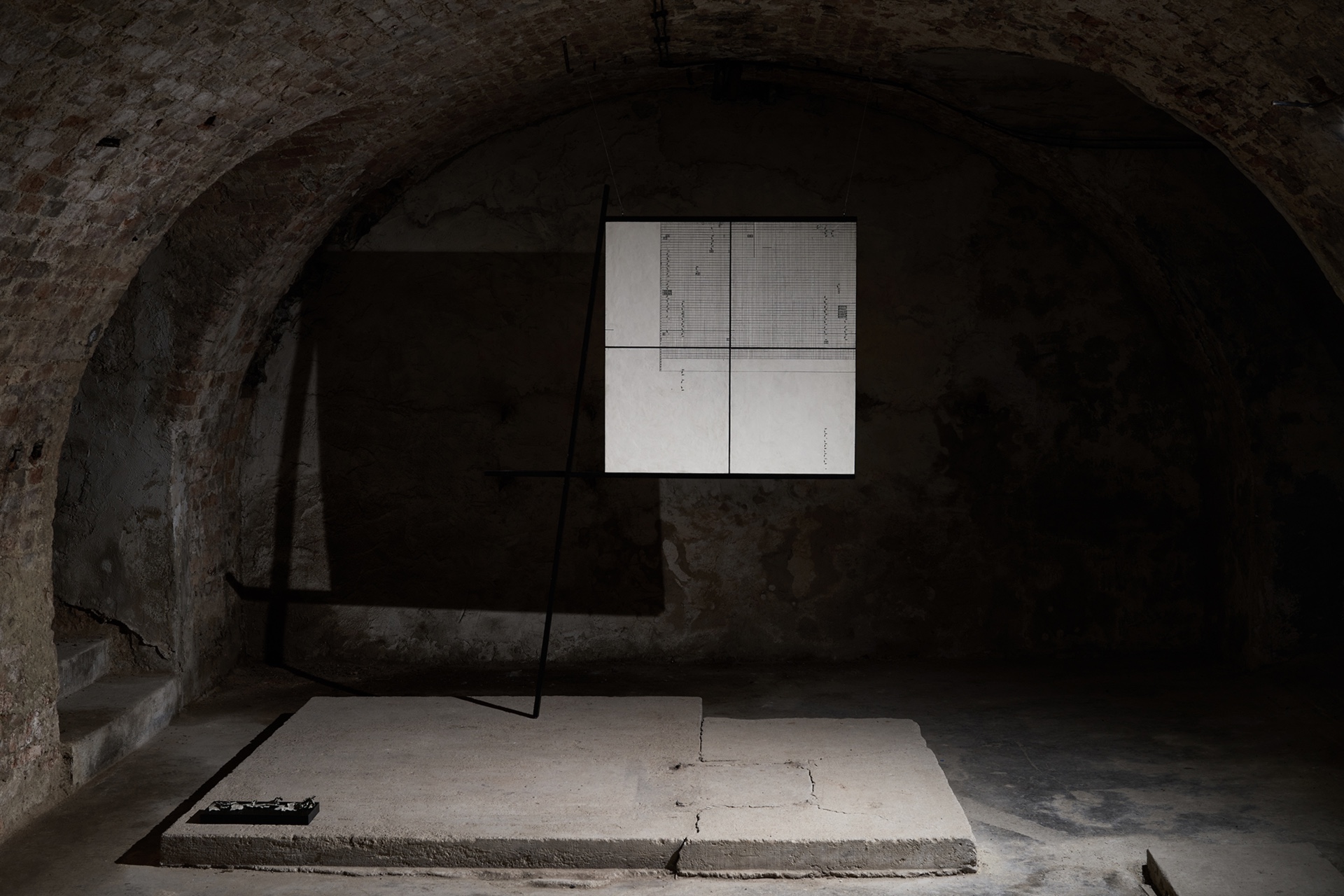
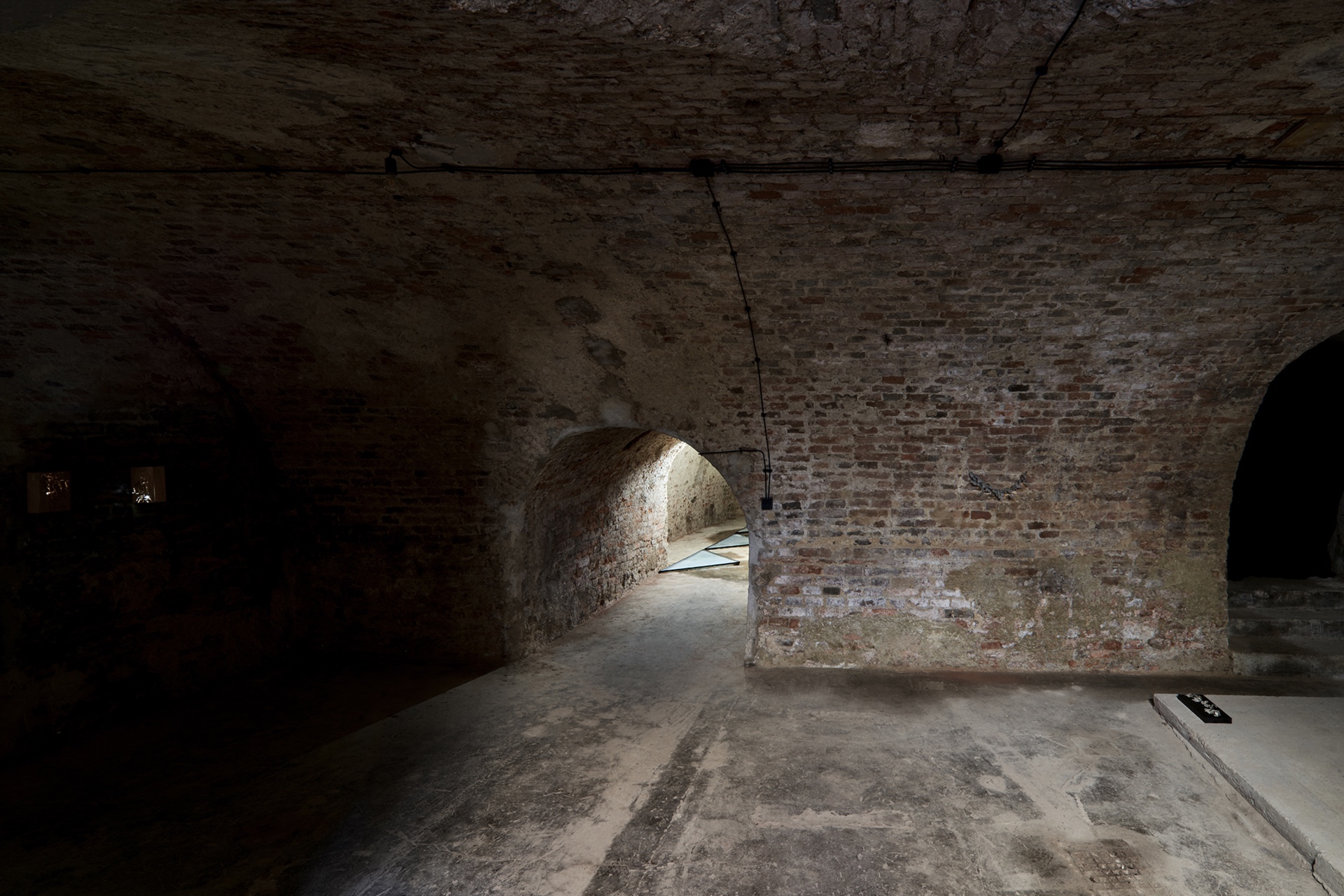
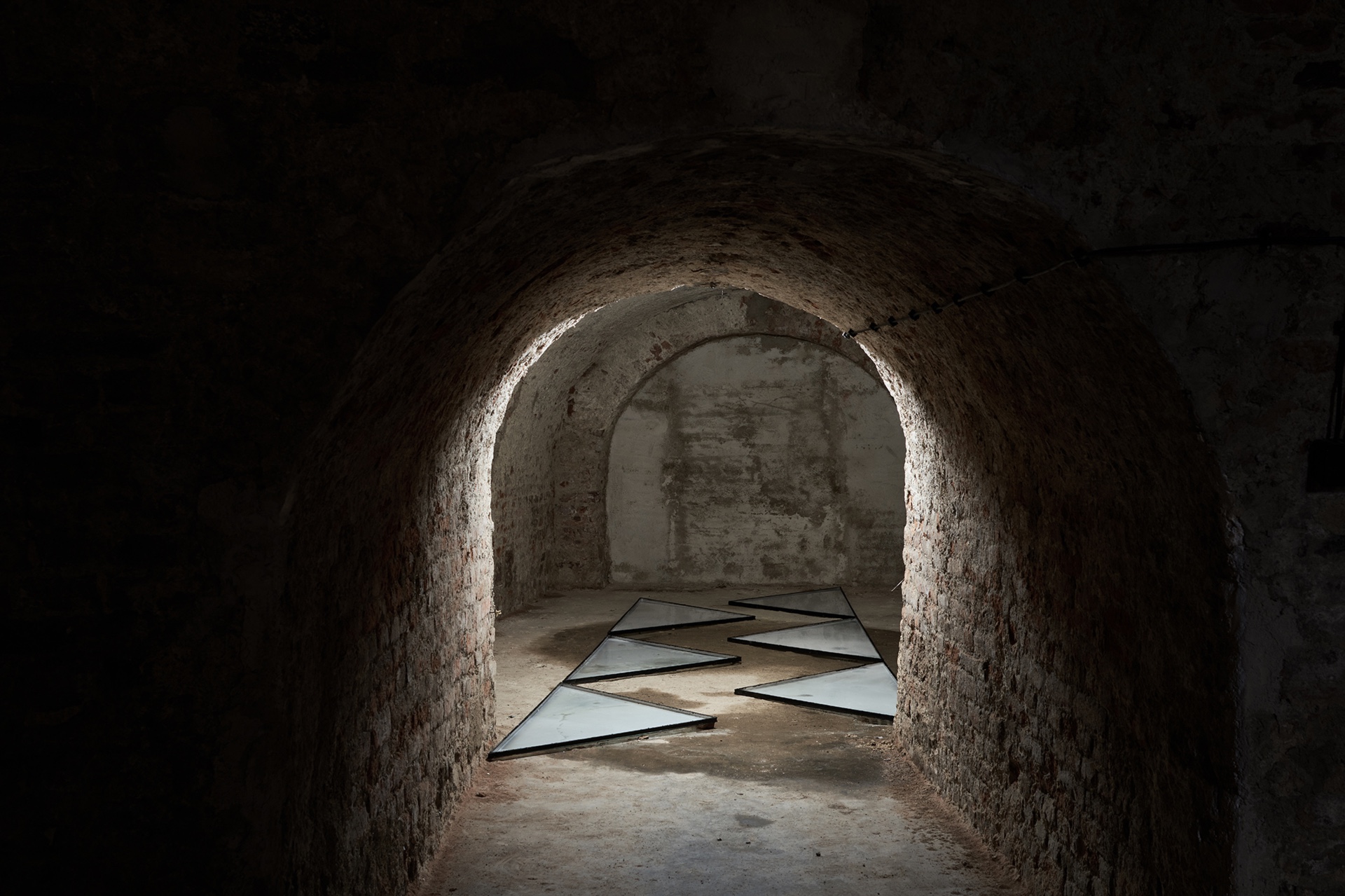
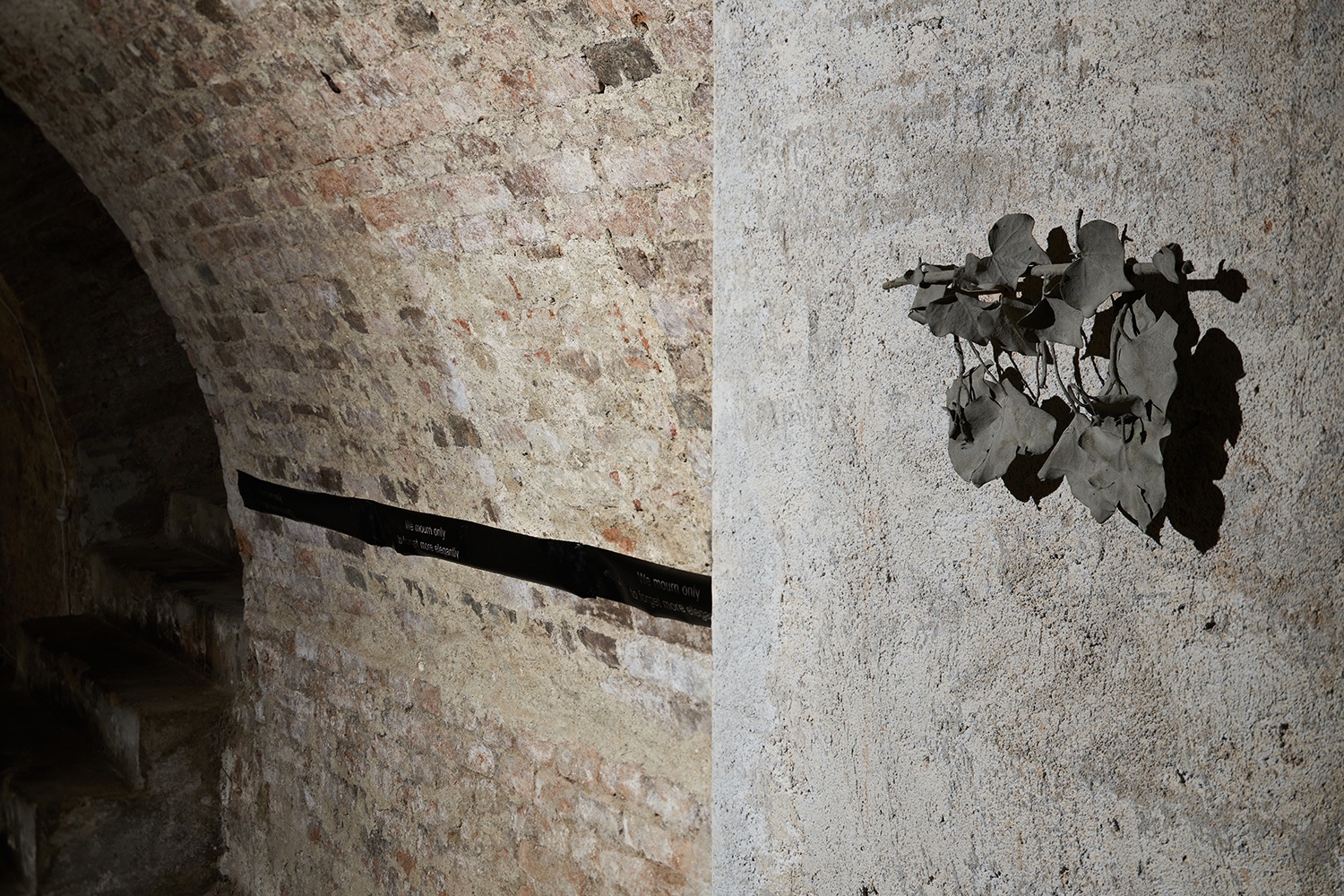
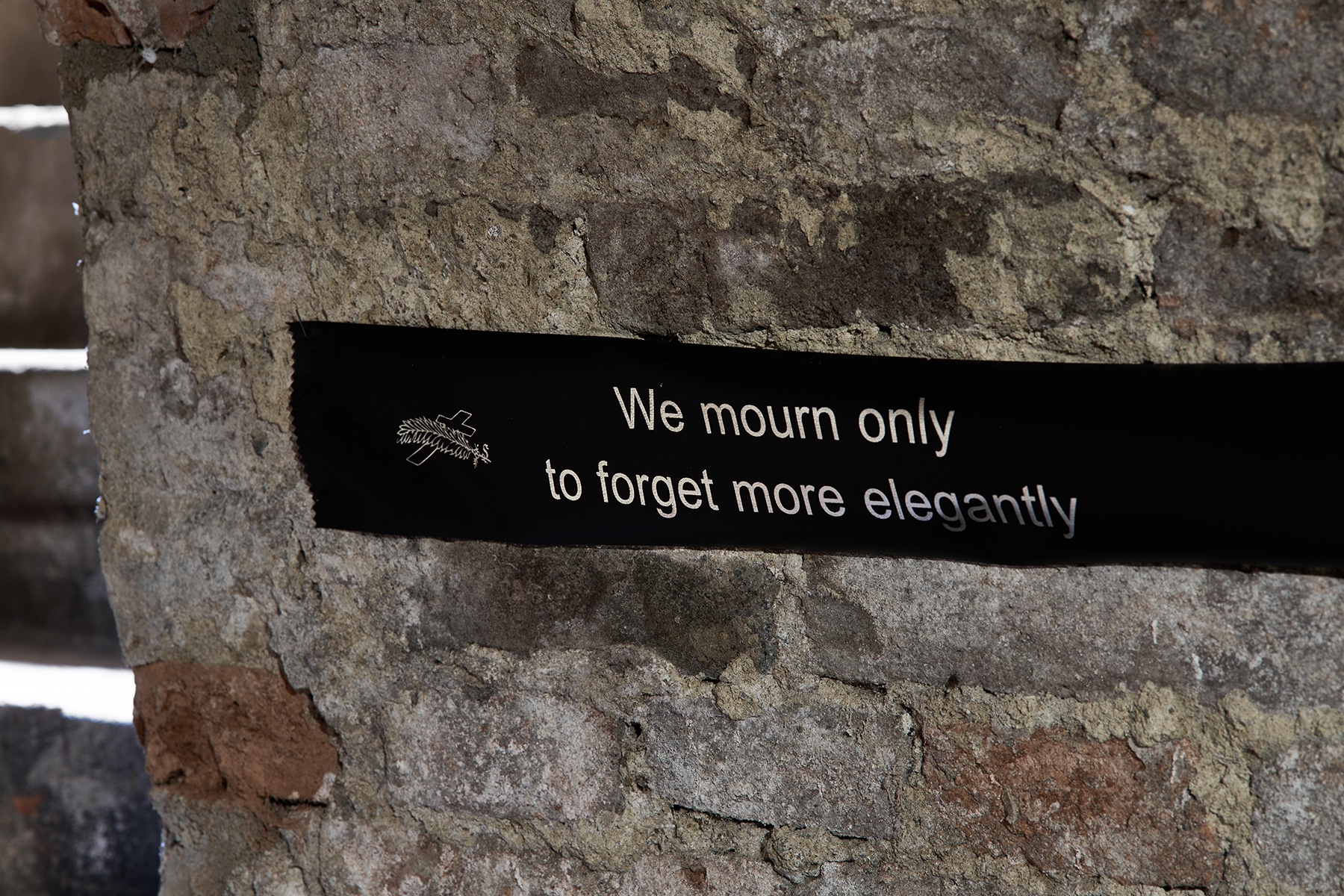
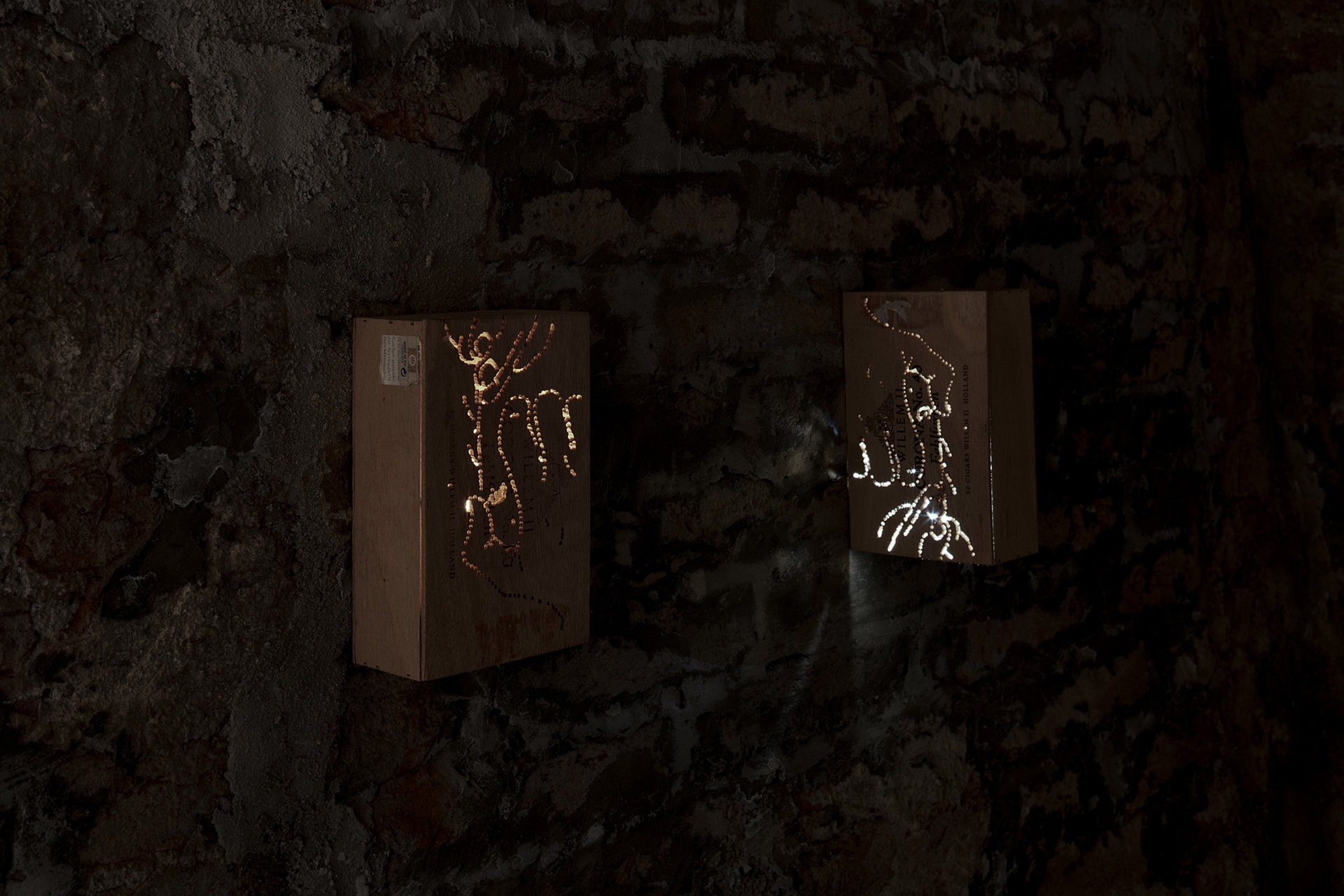
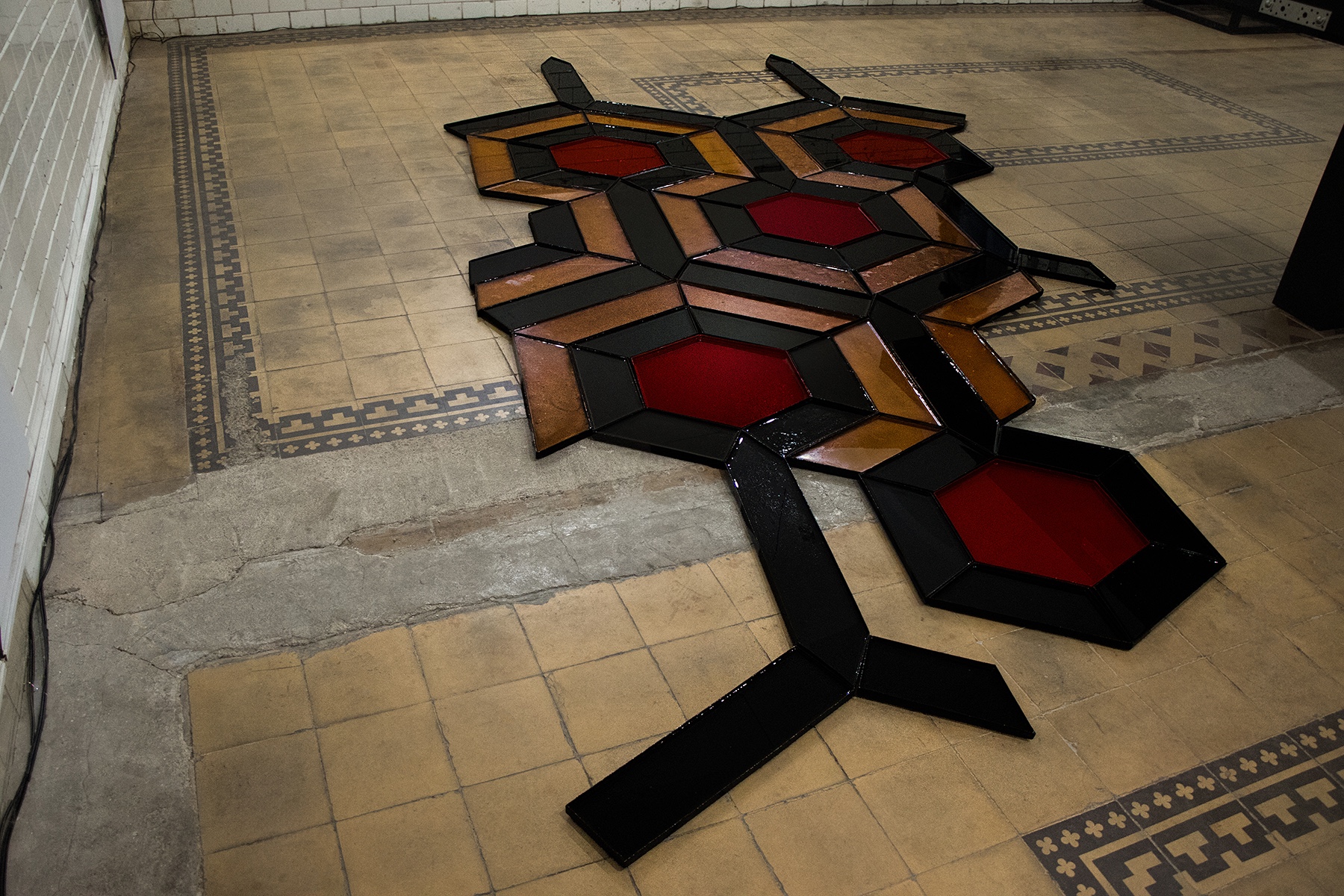
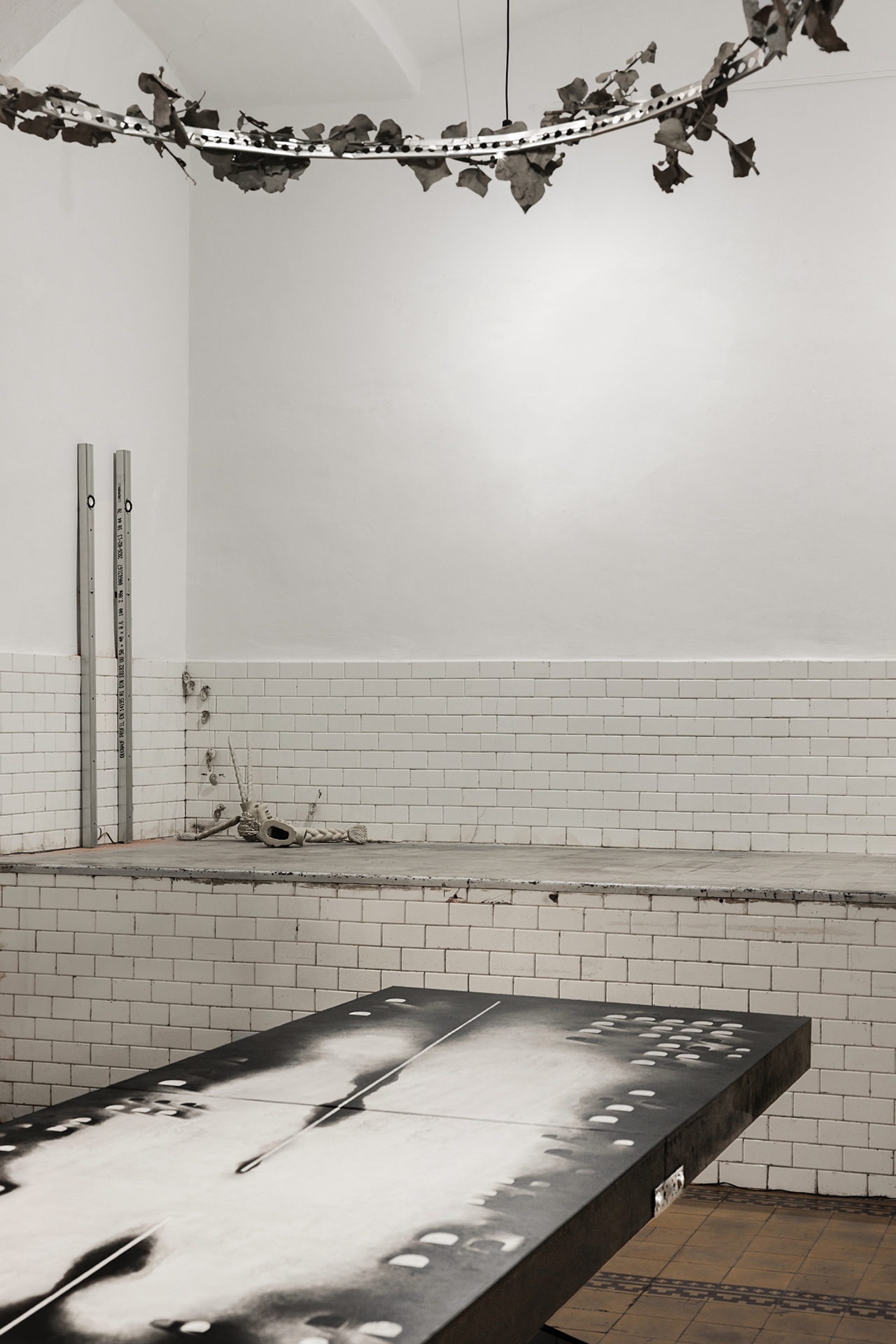
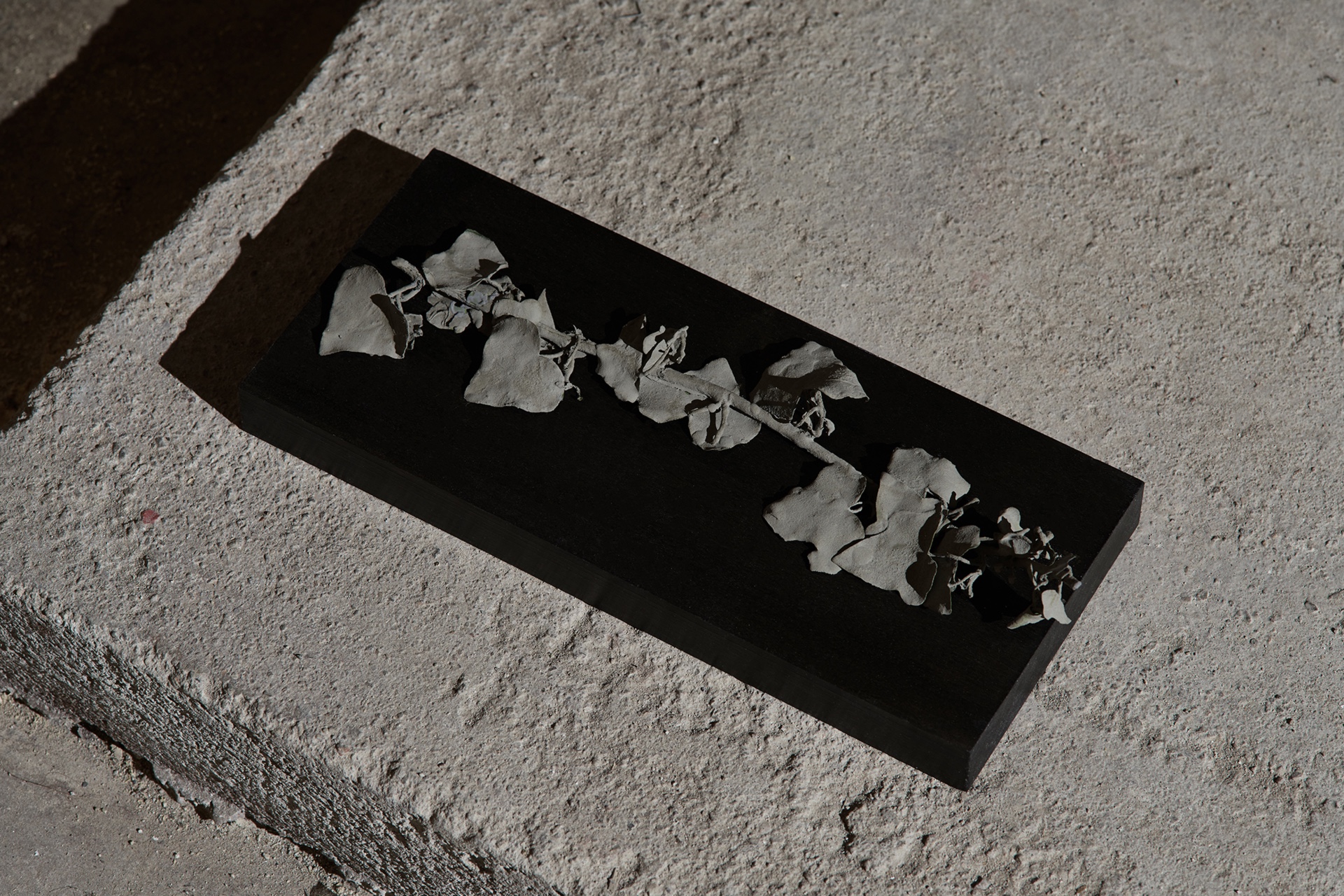
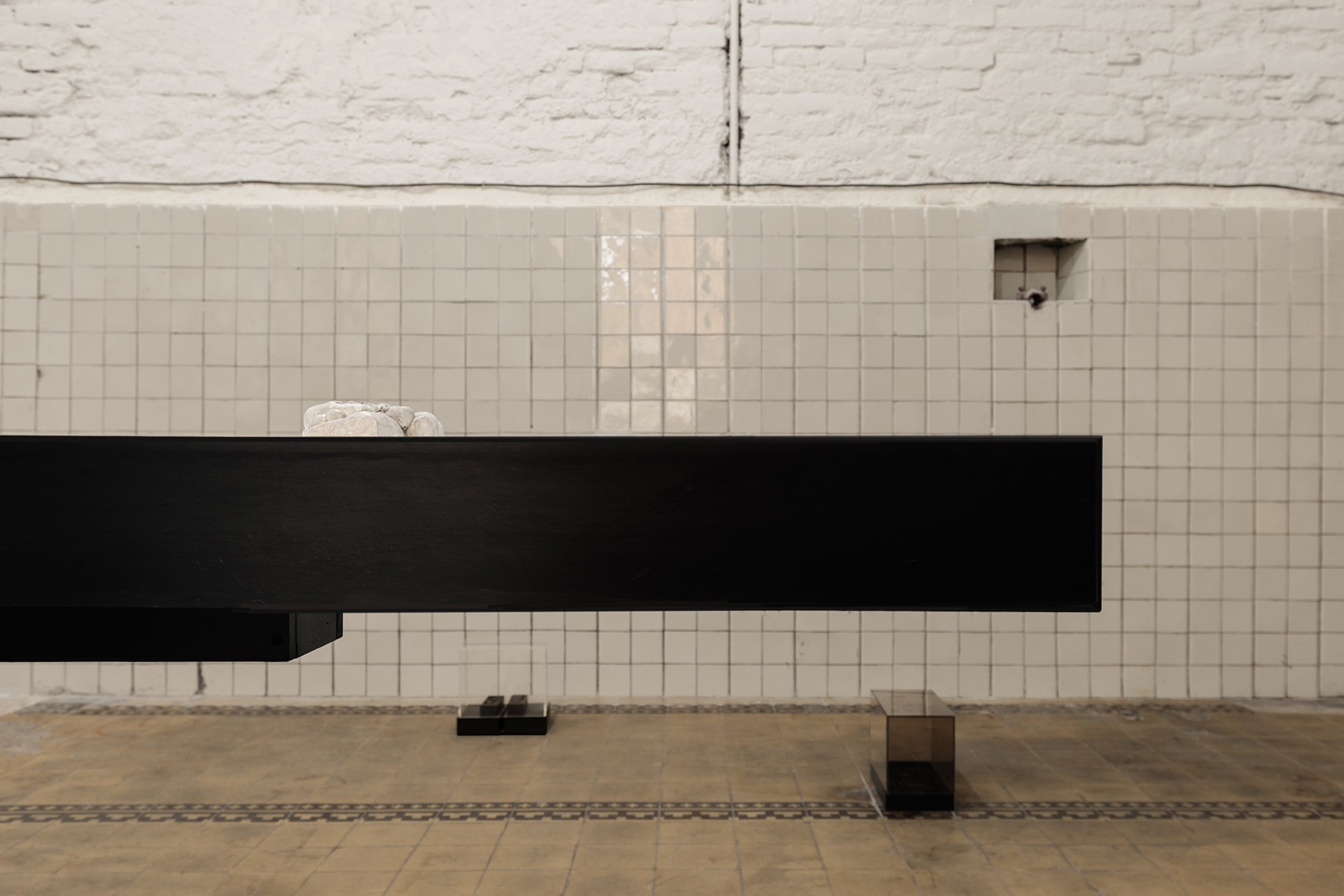
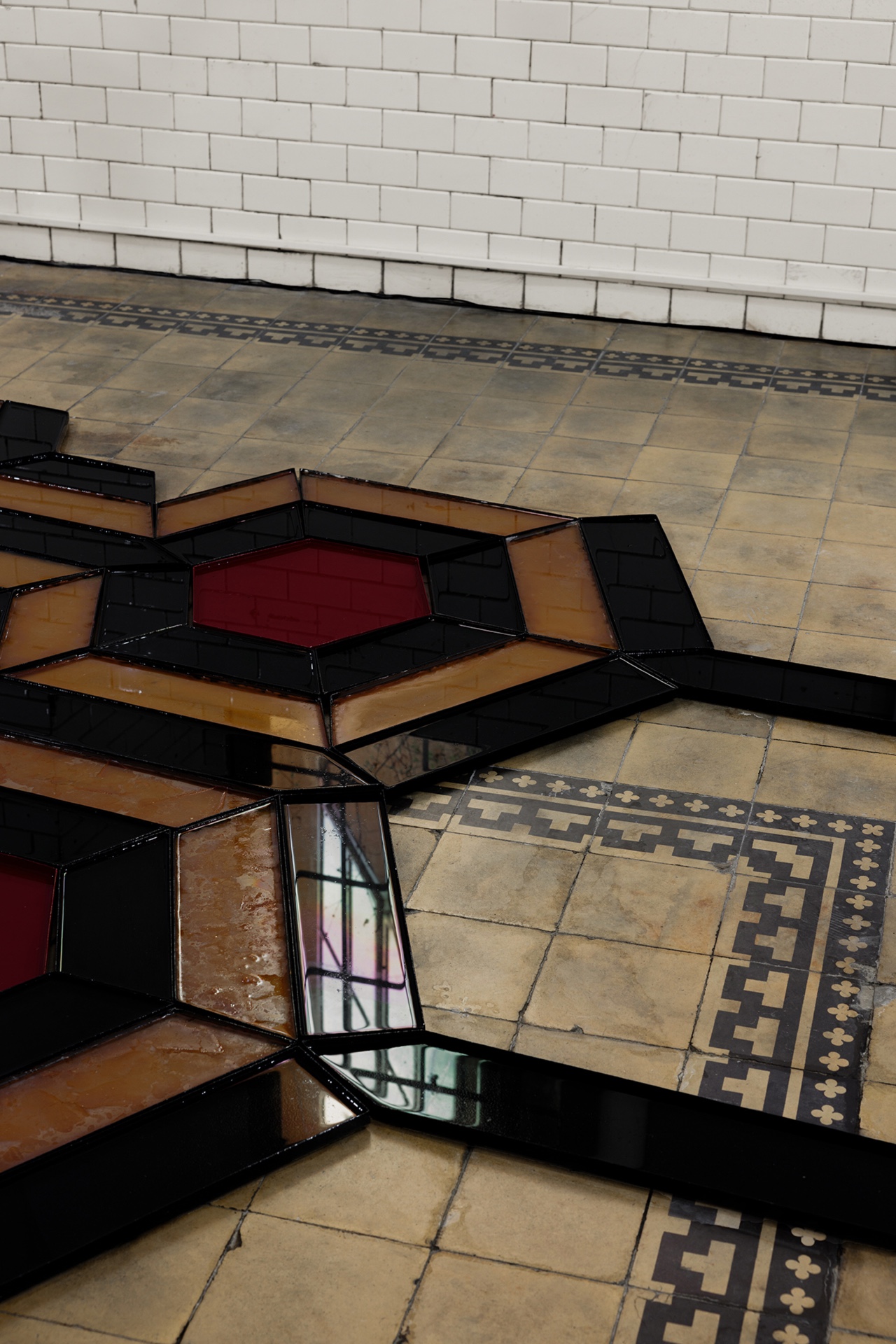
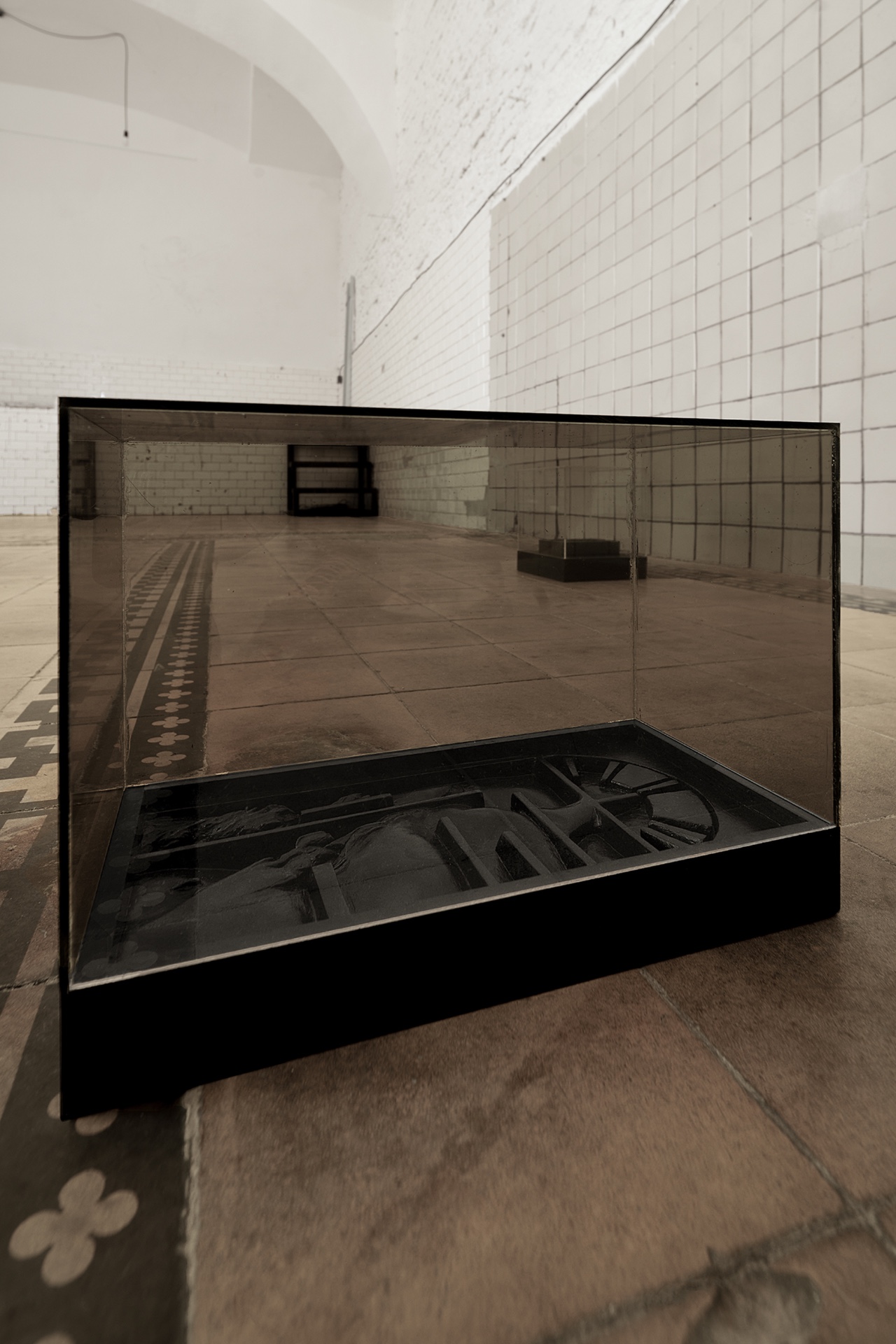
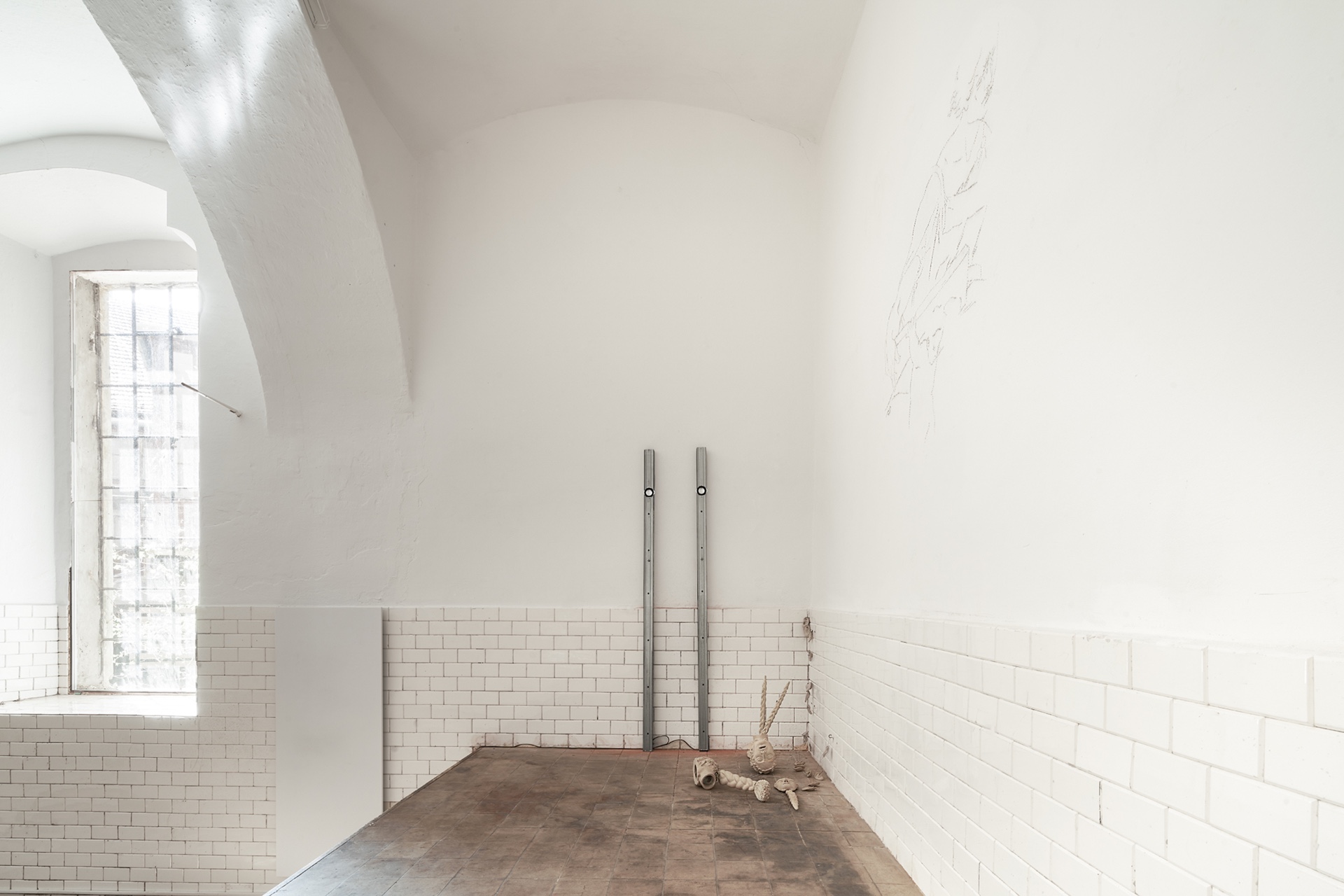
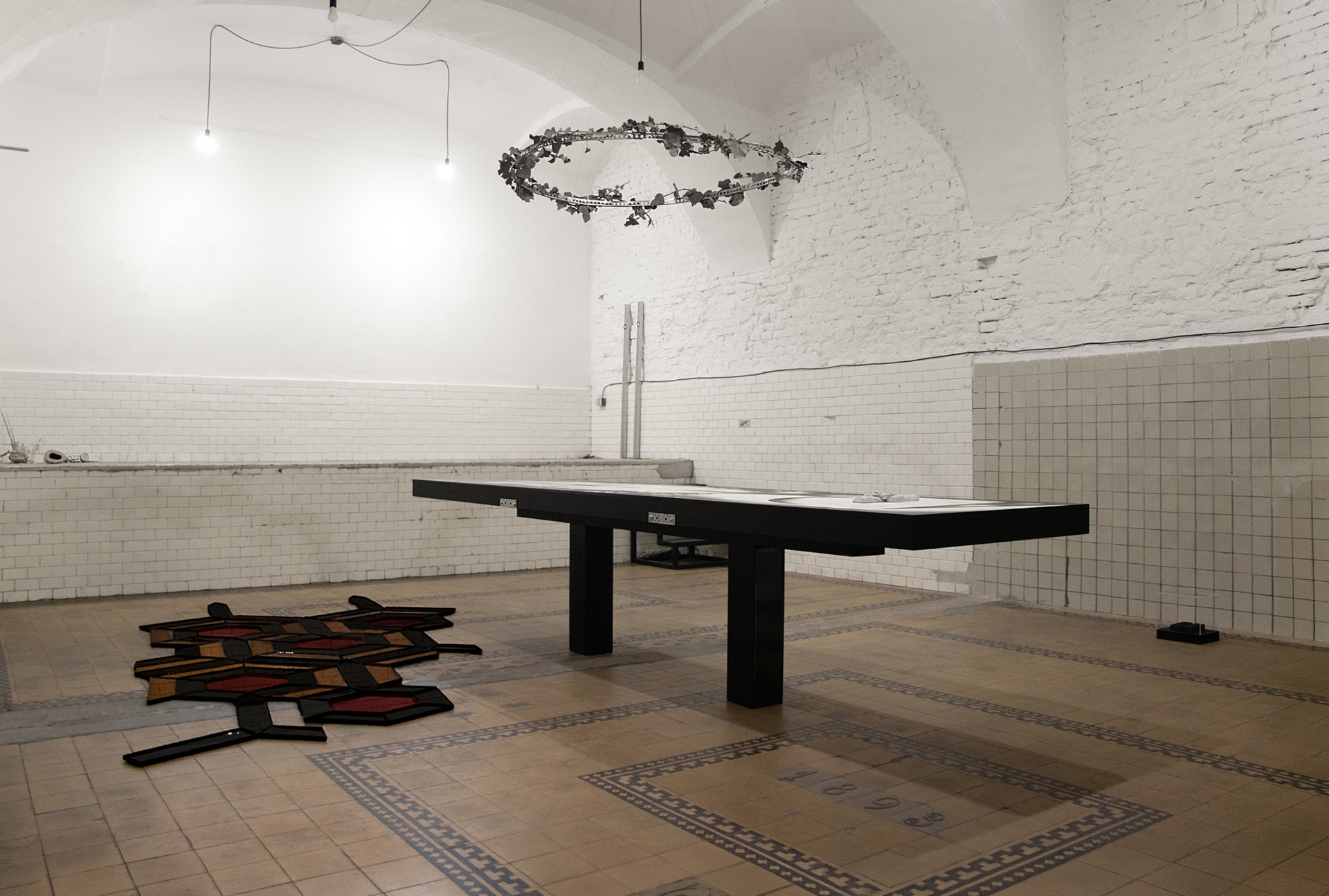
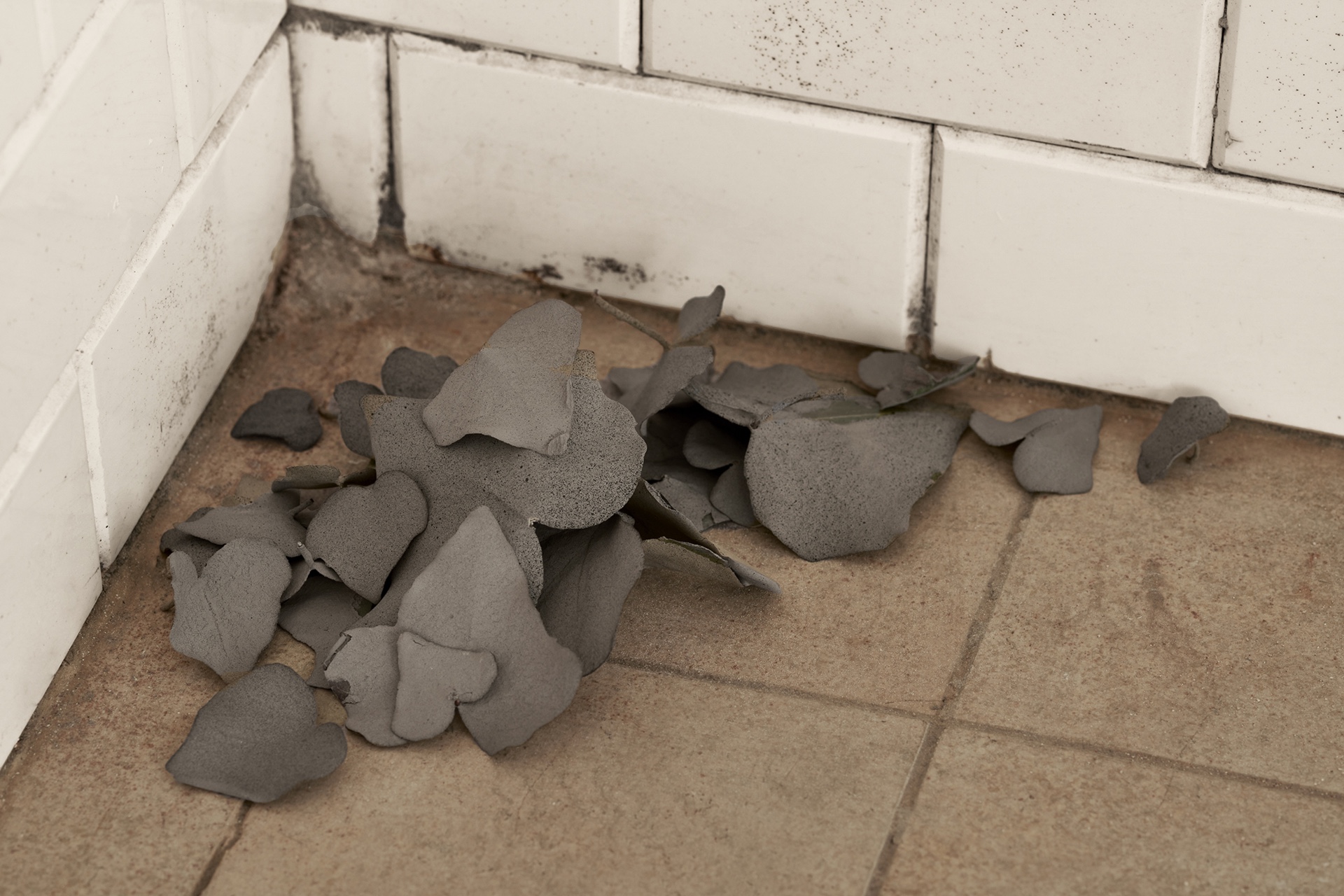
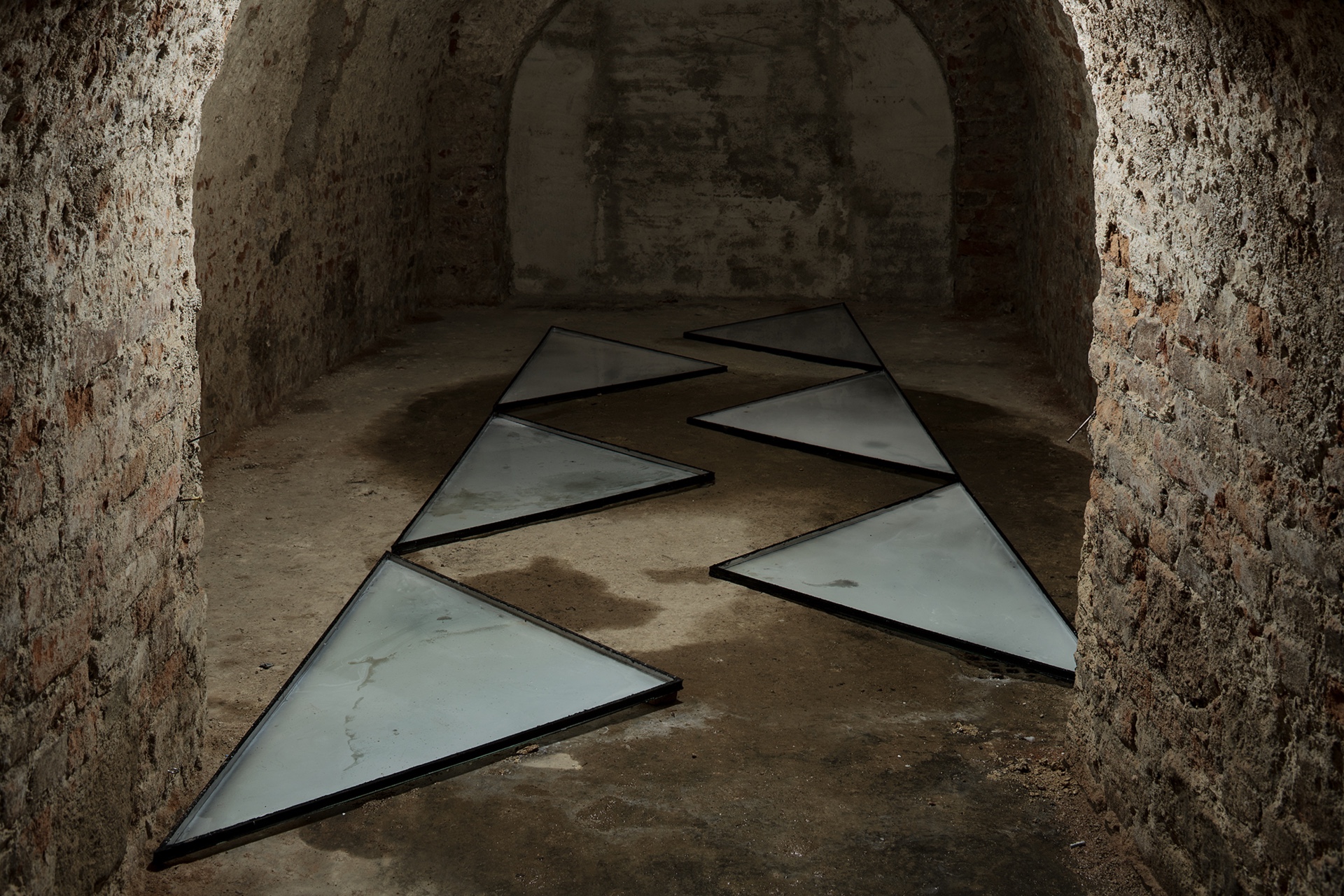
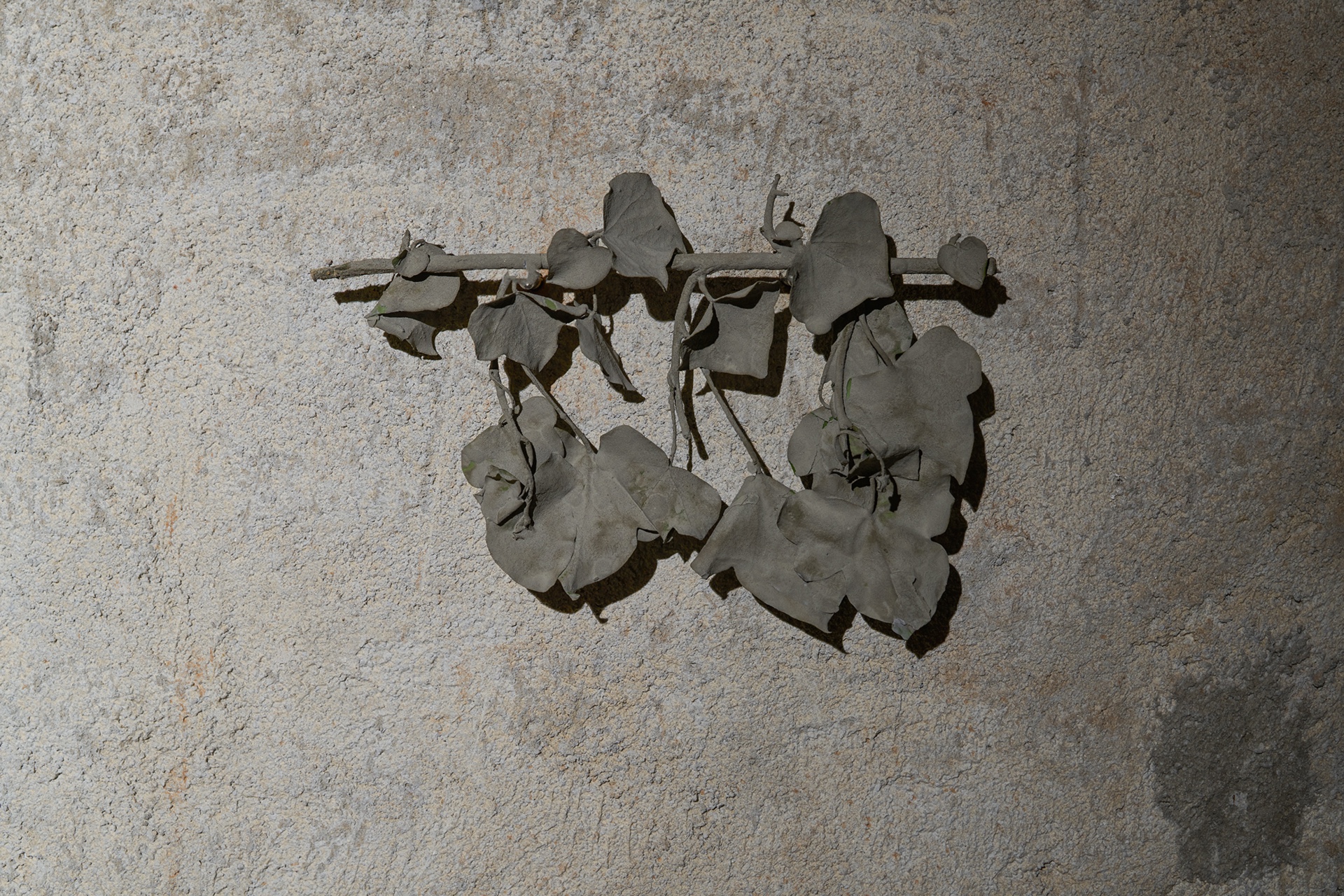
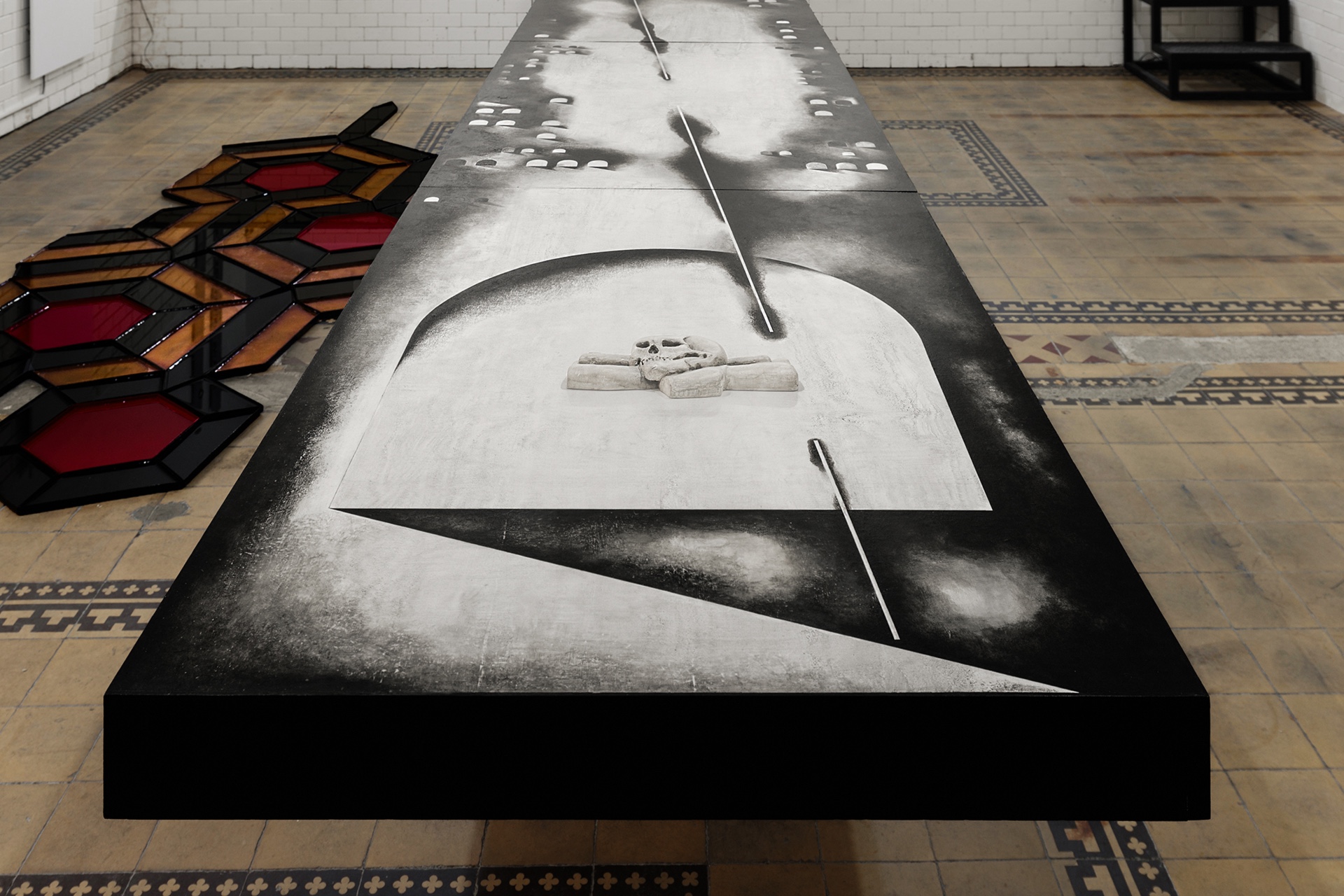
The exhibition brings together the practices of Sofiia Yesakova, Céline Struger, and Anzhelika Palyvoda within a single conceptual framework in which generational trauma, dark nostalgia, structures of power, and residual points of view intertwine as articulations of the same process, traces that share a common origin and continue to reactivate over time in different ways. Not everything that the past leaves behind takes the recognizable form of memory. There are inheritances that escape a linear reconstruction, that cannot be fixed in clear images or complete narratives, and that instead continue to act in the present as residues, entering language, architecture, and the very ways through which the gaze takes position in the world.¹ These traces do not function as contents to be recovered, but as latent forces that continuously alter the present, producing perceptual shifts and unstable configurations in which what has been does not stop redefining what is.¹ More than distinct areas, these elements appear as articulations of the same process, traces that share a common origin and continue to reactivate over time in different ways.² In this intertwining, difference does not oppose repetition but passes through it, generating variations that do not interrupt the process but relaunch it, making every return a transformation rather than a simple repetition.² In this perspective, the past does not present itself as an object to be reconstructed, but as a force that continues to act. Memory is therefore defined as an unstable process, made of accumulations, shifts, and returns, in which what has been lived or removed settles without ever fully disappearing.³ It remains in surfaces, in materials, in the images that pass through daily life, in the forms we inhabit and that help structure our experience. Within this movement, trauma is distributed in a diffuse, almost imperceptible way, integrating itself into the present until it becomes confused with it.⁴ In this sense, trauma does not simply survive as content, but is inscribed in the very devices of perception, producing a progressive normalization that weakens its recognizability without removing its force.⁴ Power also takes shape according to this dynamic. Before becoming visible in its institutional articulations, it takes form within a shared imaginary, rooting itself in myths, beliefs, rituals, and narratives that symbolically organize a community.⁵ These structures do not end with their original context, but tend to transform and re–emerge in new configurations, maintaining an underground continuity that crosses different eras. Power thus appears less as an external imposition and more as an internalized form of organizing reality, capable of directing behaviors, desires, and forms of adherence without the need for explicit control.⁸ Can we really think of history as a linear, directed, and progressive process, or is it more accurate to recognize in it a dynamic of returns and transformations? More than a simple repetition, it is a reactivation of deep structures that change over time without ever being exhausted.⁶ What appears to be surpassed tends to re–emerge, reactivating itself in different contexts and redefining the forms through which it appears. In this perspective, history does not proceed through overcoming, but through stratifications, where every present contains active residues that complicate its reading and prevent its final stabilization. ⁶ Every attempt to order the world leaves behind a residue, an excess that escapes control and continues to exert constant pressure on the present. This excess is not a limit of the system but the very condition of its existence, what reveals its partiality and prevents its complete closure.² If power acts through devices that direct the gaze and organize the visible, the anatomical theatre offers a structure capable of making its functioning readable.⁷ The exhibition takes on this model as a conceptual device, a space that establishes hierarchies, distributes positions, and defines a staging of the gaze. The visible never appears as a neutral field, but as the result of a distribution that includes and excludes, making perceptible only what falls within a certain sensible order.⁷ It is within this configuration that the body becomes the point where these dynamics meet, the surface on which the processes through which knowledge and control take form are inscribed. Removed from a mythical or sacred dimension, the body is defined as a material presence exposed to the gaze and to intervention. The body thus takes shape as an active archive, a surface crossed by forces that shape it and make it readable within systems of knowledge and power.⁷ In the anatomical theatre, this condition becomes a precise organization of space and gaze, in which positions are arranged according to a defined hierarchy and distances construct relations of power. The body, made visible with an almost cynical precision, enters a system that allows its reading, analysis, classification, and demystification, while vision establishes itself as a tool of management. In this configuration, the gaze is never neutral but implies a form of adhesion, a silent participation that takes place in the very act of seeing. To see already means to take a position, to participate in a device that does not simply show, but builds the very conditions of visibility.⁷ In contemporary configurations, this dynamic becomes more intense. Power does not simply organize the gaze, but tends to internalize itself, transforming exposure into a voluntary form of participation.⁸ What is given to view is grounded in a violence made observable and shared, where the limit between knowledge and complicity tends to dissolve. Participation thus becomes a form of implication, in which the subject is no longer outside the system but becomes one of its active components, contributing to its reproduction precisely through the perceptual act.⁸ The artists respond to this theoretical structure through different practices, distributing the discourse of the exhibition across the spaces and their specific perceptual thresholds. In the main space, an elevated architectural portion invites the public to step up, introducing in concrete terms that condition of overlook implied in the conceptual structure of the project. From this position, the gaze is organized according to a precise hierarchy and experiences a distance that changes the reading of the whole, making evident how every act of seeing depends on a point of access and on the conditions that make it possible. It is within this field that Céline Struger’s work enters. Her practice inserts itself into the existing space, absorbing its specific qualities and transforming them into perceptual conditions that direct the gaze and the movement through the space. In the series Equalizer — ceramic heads presented as remains or relics — the artist stages a manipulation of historical forms, through a process in which images and symbols are reworked and reactivated according to the logics of the present and its forms of legitimation, as happens in their continuous semantic reconfiguration, which reflects the way history is built from dominant positions that direct its interpretation and transmission. Arranged like disjointed parts, they evoke a condition in which what survives from the past does not appear as continuity, but as a manipulated fragment, exposed through a gaze that reorganizes it. Within this dynamic, the reworking of history is linked to a hierarchy of seeing, in which what emerges, what remains, and what is excluded depend on who occupies the position from which the gaze is exercised, making the very idea of origin unstable. From here, a question opens across the whole exhibition: who determines the conditions of seeing? And from which position does what is shown gain value, visibility, or legitimacy? On the floor, Céline Struger’s intervention takes the form of an expanding modular grid. The hexagonal pattern, at once familiar and unsettling, appears as a recurring form in the visual imaginary — recognizable, among other things, in the carpet designed by David Hicks and made iconic by Stanley Kubrick in The Shining — reworked by the artist as a structure that organizes space. It is the tension between recognizability and disorientation that acts on perception, generating an unstable condition in which the public does not have fully reliable points of reference. In the same space, Sofiia Yesakova’s table introduces a further articulation of these dynamics. As already mentioned, the anatomical theatre historically takes shape as a space intended for the production of knowledge through dissection, a device in which investigation gradually turns into procedure, regulated by precise, shared, almost automatic modes. It is within this logic that Sofiia Yesakova’s work is inserted, finding in the table a form that is not only support, but the very condition of the gaze. The table imposes itself as an operative surface, a horizontal plane that structures observation and establishes its modes, while at the same time appearing as something extracted from a sacred context, almost like part of a fresco transferred and relocated. Its presence introduces a precise hierarchy. It can be observed from above, crossed by the gaze, approached, moved around, forcing the visitor to constantly adjust their position. The gesture of leaning down, pausing, drawing close to the surface activates a proximity that is never neutral, but moves toward a form of intervention, as if the very act of looking implied a participation in the procedure staged by the table. The table thus takes on the presence of a cold body, a compact, withholding, stabilized, ordered surface, apparently readable. On this surface appear signs that refer to historically marked architectural structures, places in which violence has been organized and made operative, together with elements such as the skull and crossed bones. In this case, the symbol is not simply quoted, but placed in tension with its own genealogy, from Christian memento mori, tied to a horizon of salvation, to a sign rearticulated within the military sphere, where it takes on a disciplinary, identity–based, and operative function. In this shift, the image loses the stability of its original meaning and is redefined by the context in which it acts, entering a system in which the symbolic does not merely represent, but helps organize and direct perception. The signs therefore do not construct a single image, but activate a network of references in which meanings overlap, transform, and become functionalized. It is within this instability that a perceptual mode is defined in which images are not simply interpreted, but also absorbed, normalized, and made progressively acceptable. In this passage, vision moves closer to a form of adhesion, allowing a reflection to emerge on the relation between seeing, accepting, and participating. At this point, the work does not simply make a system visible, but reproduces its functioning. What is observed becomes organized into form, stabilizes into a scheme, and progressively loses friction. The violence inscribed in the signs does not disappear, but changes state, becoming readable, passable through, almost silent. It is precisely in this transformation that a fracture opens, in which what appears clear and ordered reveals its ambiguity, showing how distance does not remove the content, but makes it more easily assimilable. In the same room, Anzhelika Palyvoda’s sound installation works on memory as an unstable and persistent archive. The installation activates the space as an immersive environment, unfolding as an imitation of choral singing that spreads according to a non–localized logic. The architecture itself — with its resonance and a covering that recalls the vault of an ecclesiastical space — becomes an integral part of the work, generating a natural acoustic environment that amplifies and disorients. The sound is distributed between the right side and the left side, so that, by standing in the center, the listener perceives an enveloping effect, almost internal, similar to listening through headphones but without any device, as if it were passing through the body and the space at the same time. The installation therefore implies a dynamic approach, in which the viewer is called to move, to follow the sound, to approach and move away, activating a mode of experience that is built through the body and movement in space. In this sense, the work does not end in a static perception, but is defined in relation to the other installed presences, entering into dialogue with them and helping construct a shared spatial experience. The installation is composed of four vertical structures in metal profiles, industrial materials commonly used on construction sites for the building of internal walls, here reactivated as sculptural elements, exposed in their condition of vulnerability and tension. The structures move toward an anthropomorphic dimension: their height recalls that of the human body, and the sound emerges from an opening placed at the height of the mouth, turning them into presences that inhabit the space. The four elements thus function as a choir, and the voices relate to one another, cross the room, and build a sound landscape made of echoes, overlaps, and resonances. The sound material comes from a personal archive built over several years, gathering traces linked to different moments and contexts, from the period before trauma to direct experience, never returning it in narrative form but letting it act as a persistent background. The song has its roots in a childhood memory, when the artist took part in a school choir and repeated fragments of a Latin Requiem without understanding their meaning — an innocent and unaware repetition that remained impressed as pure sound form. This trace reactivates itself in the present, where the requiem loses its ritual distance and turns into a continuous presence, no longer linked to a specific moment but diffused, shared. In this shift, what begins as an individual experience extends into a collective dimension, crossing the space as a form of mourning that no longer belongs to a defined subject. Listening thus takes shape as an ambiguous practice, a participation that happens without choice, in the simple act of remaining, perceiving, not interrupting. Above the space, the crown imposes itself as a point of maximum tension, defining a vertical hierarchy that organizes the whole installation and marks its spatial division. Suspended yet visually heavy, it exerts a constant pressure on the environment below, like a presence that looms without ever stabilizing. Its circular form holds a multiplicity of meanings — between glory, reward, and youth, but also between mourning, commemoration, and suffering, evoking at the same time the funeral wreath and the crown of thorns — without resolving into a single image. More than an object, it takes shape as a temporal and relational structure, in which memory and ritual overlap and return, opening a space of sharing and support that emerges precisely in the condition of fragility. The material intensifies this ambivalence: made of vegetal elements fixed in cement, the crown appears at once heavy and vulnerable, suspended between elevation and collapse, as if it held a form of care that, while remaining immaterial, manifests itself through presence. In the lower level, the exhibition becomes denser in a more intimate, restrained, almost psychological and primordial dimension, where the works follow the architecture and intensify its perceptual quality. Entering this space, Sofiia Yesakova’s work — Cargo 200 — immediately introduces a condition according to which death already appears inscribed within logistical, numerical, and administrative schemes. The reference to a military code that designates the transport of bodies introduces a condition in which death is already inscribed in a logistical, numerical, administrative structure. The dead are reduced to manageable units, contained and transferred according to procedures that transform experience into data, the body into cargo. In continuity with the shift of symbols, here too what was loaded with meaning is reorganized within a system that redefines its function. War emerges as a set of repeated signs, almost archaic, that structure reality while at the same time distancing it from the possibility of being understood. Experience is not returned, but replaced by schemes, sequences, and codes that register its impossibility. A fundamental fracture opens here. Death in war not only remains inaccessible, but progressively becomes unthinkable. With time, perception becomes anesthetized, and what remains is a repertoire of images and effects in which the human dimension dissolves behind abstract categories. A paradox emerges: the more violence intensifies in reality, the more it tends to lose consistency on the perceptual level. Distance is therefore not a limit, but an actively produced condition. The work makes this gap visible and places in tension the mechanisms through which trauma is neutralized, transformed into something observable, but less and less experienceable. On the other side, the work Ugly Scenes. Nuances, presented in a small display case placed on the floor, further concentrates this dynamic. The reduction already carried out in Cargo 200 is condensed here into a minimal visual system, in which reality is organized through stratification, repetition, and differentiation, according to logics that privilege analysis and control over the emotional component. The use of black, the engraved surfaces, the reference to a reduced and restrained religious symbolism, construct a visual field in which experience remains at a distance, held in the form of a sign and no longer directly accessible. In this context, language too enters as part of the device. The funeral ribbon introduces a sentence that presents itself with a flowing, apparently complete quality, “We mourn only to forget more elegantly.” Mourning no longer takes shape as an individual experience, but as a collective and political construction, regulated by forms that organize its expression and direct its reception. Pain is thus structured, made presentable, inscribed in rituals and commemorative devices that at the same time allow its management and removal. It is precisely the idea of “elegance” that introduces a fracture, the possibility that oblivion may not be a secondary effect, but a constructed, mediated, acceptable form. In this formulation, language does not simply name, but acts, contributing to transforming what remains of violence into something that can be shared, crossed through, and finally left behind. Together, these works articulate a reflection in which violence and loss enter visual devices that direct their readability and accompany their progressive assimilation, in an almost elegant way. A little further on, Anzhelika Palyvoda’s boxes extend the work on the archive and on the survival of the trace. The installation unfolds through a series of modular boxes made from found and reused objects, originally cigar boxes that belonged to a person who is now gone. These elements place themselves on an ambiguous threshold between function and form and can act as autonomous sculptural presences or as acoustic devices, activating themselves as resonance boxes and extending the sound dimension through space. Their surfaces are engraved with images that derive from the concept of cultivar, a biological process in which a shoot is grafted onto another plant, generating a new hybrid entity. Transposed into the work, this principle appears as a practice of intervention and transformation in which the image emerges through a gesture that is at the same time constructive and invasive. As in grafting, this is an unstable process, marked by the possibility of failure but also by the potential generation of unexpected forms, in which matter remains exposed and vulnerable. Another level of reading overlaps with this dimension. The engravings recall the morphology of marks left by firearms, where the circular, clean, precise hole becomes the trace of a violent impact and of a real passage through the material. In this shift, the gesture of grafting and that of perforation come closer, placing practices of care and destructive acts into relation. The hole is not only a sign but a passage, a point where something crosses the surface, just as sound and dust cross, respectively, space and support. The surfaces thus take shape as places of transformation in which vulnerability and resistance coexist and where matter registers, retains, and reworks the effects of external forces. Finally, activating the last environment, Céline Struger’s triangles introduce a more opaque and sensory perceptual condition. Here the work engages with the dimension of the basement as a place of the unconscious, of matter that escapes full control, of what remains below the surface and continues to act. A series of triangular glass elements, filled with a milky liquid, is arranged as a presence that is at once compact and unstable. The liquid, taken as a true sculptural material, does not possess its own form but takes that of the container, reflects the space, and returns the presences that pass through it. It does not simply occupy a place, but continuously puts it into relation with what happens there. From a distance, the triangles appear as closed surfaces, almost monochrome. Up close, the liquid becomes cloudy, slightly sedimented, allowing the bottom of the glass and the floor below to be seen. Perception oscillates between surface and depth, between opacity and reflection, between control and loss of control. Smell also takes part in this construction. Sweet and disturbing, it guides the visitor toward a space that does not fully allow itself to be deciphered. The environment invites one to slow down, to lower oneself, and to enter into close relation with the material. In this passage, experience moves from a more structured and psychological dimension to a more primary and disorienting one. The whole path is thus defined as a crossing of thresholds, positions, and different intensities, in which trauma, memory, and power insist on bodies, images, and architectures, continuously redefining the way in which the visible takes form. BIBLIOGRAPHY ¹ Walter Benjamin, Sul concetto di storia ² Gilles Deleuze, Differenza e ripetizione ³ Walter Benjamin, Sul concetto di storia ⁴ Dominick LaCapra, Writing History, Writing Trauma ⁵ Giambattista Vico, Scienza Nuova — thanks to Archivio Russo Somma for the consultation ⁶ Gilles Deleuze, Differenza e ripetizione ⁷ Michel Foucault, Sorvegliare e punire ⁸ Byung–Chul Han, Psicopolitic