- You've Got A Curious Eye
- 21 Nov ― 30 Nov 2026
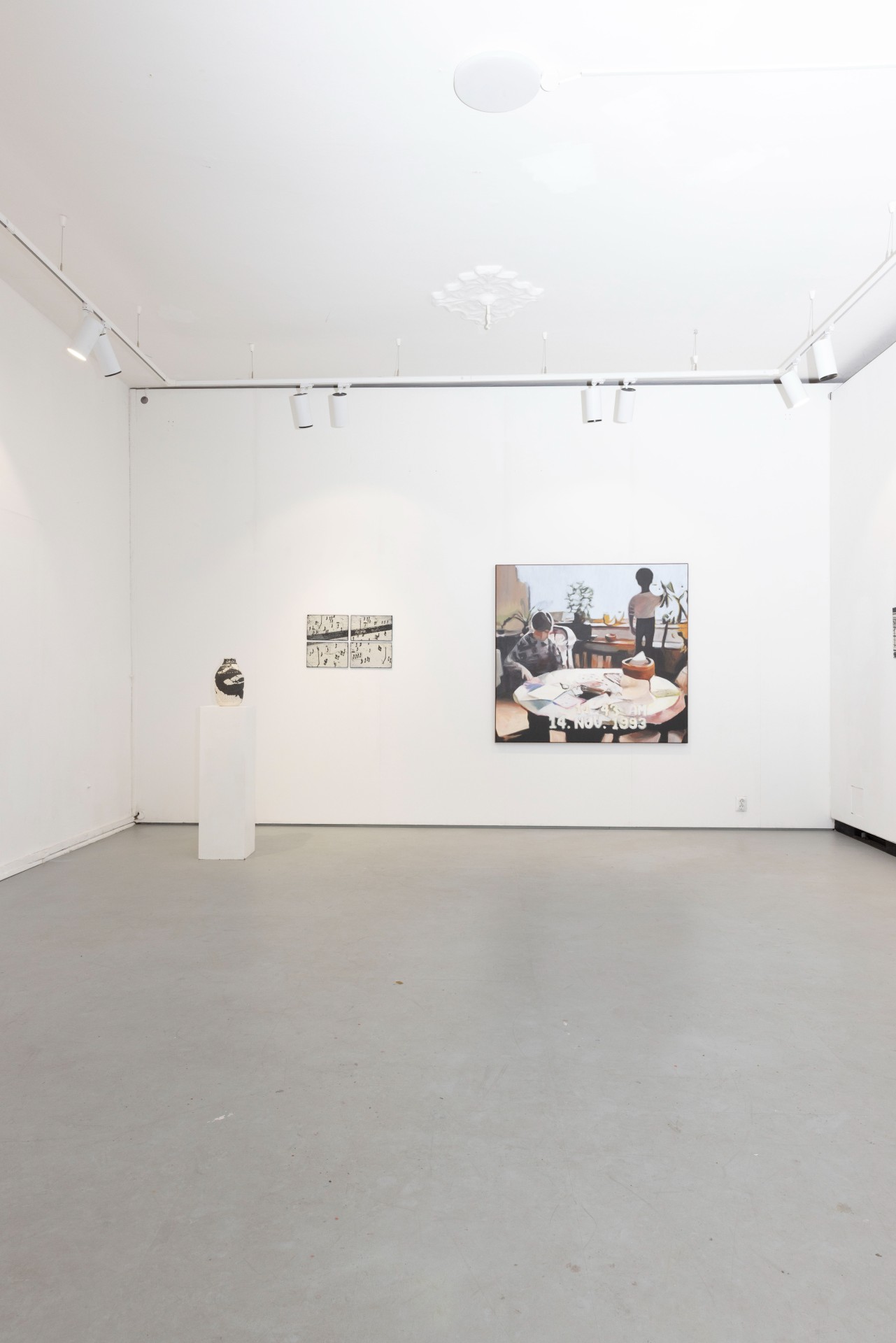
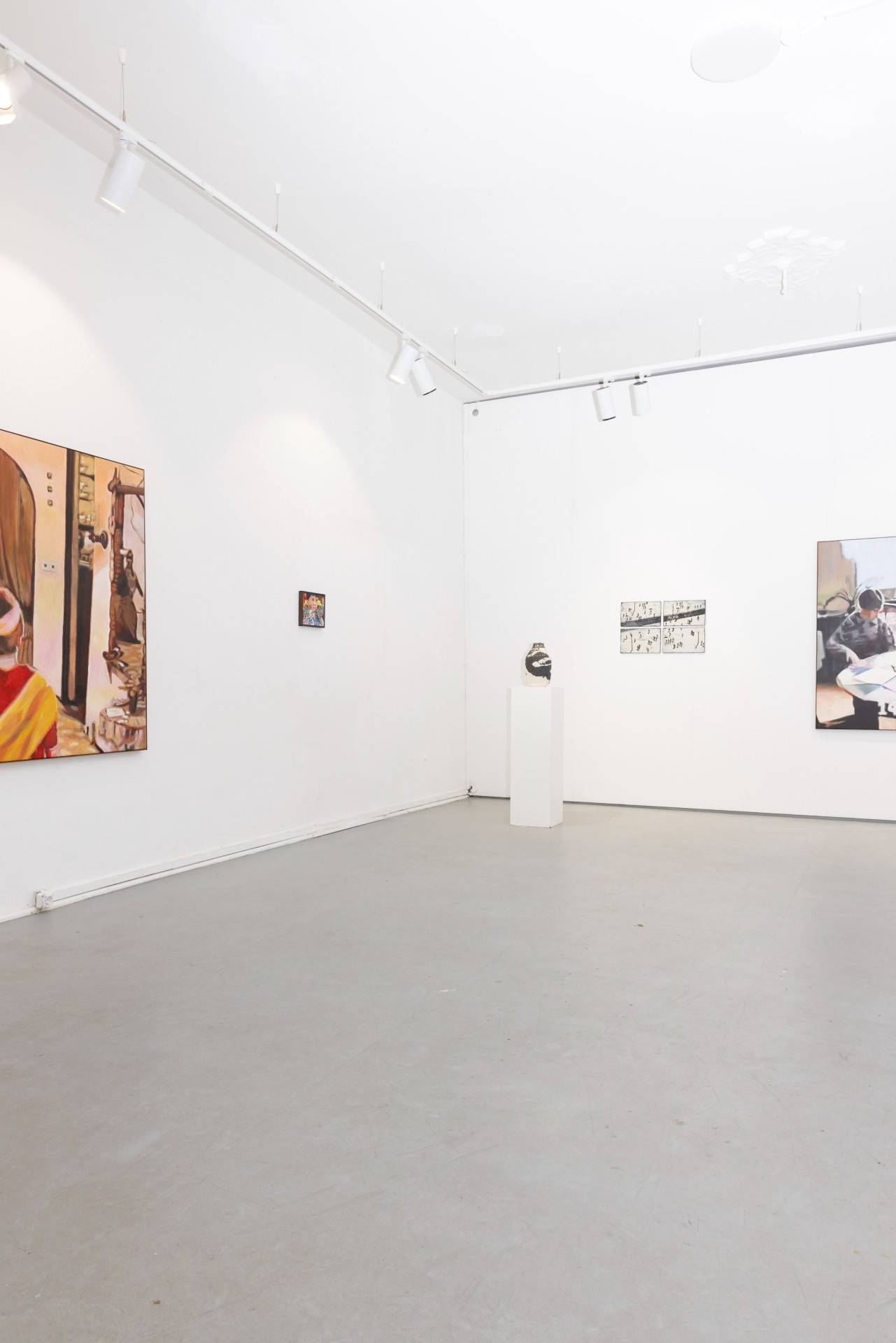
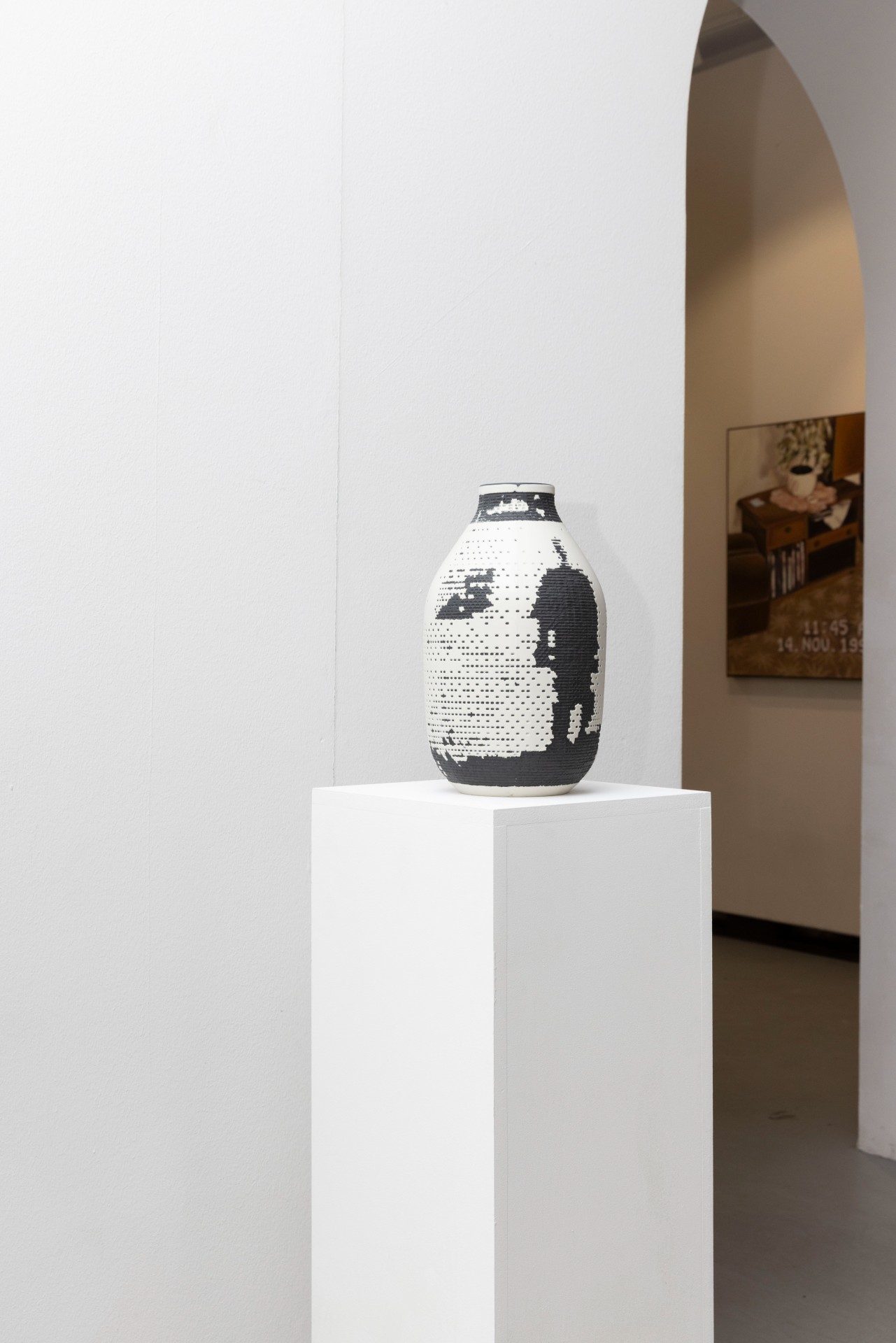
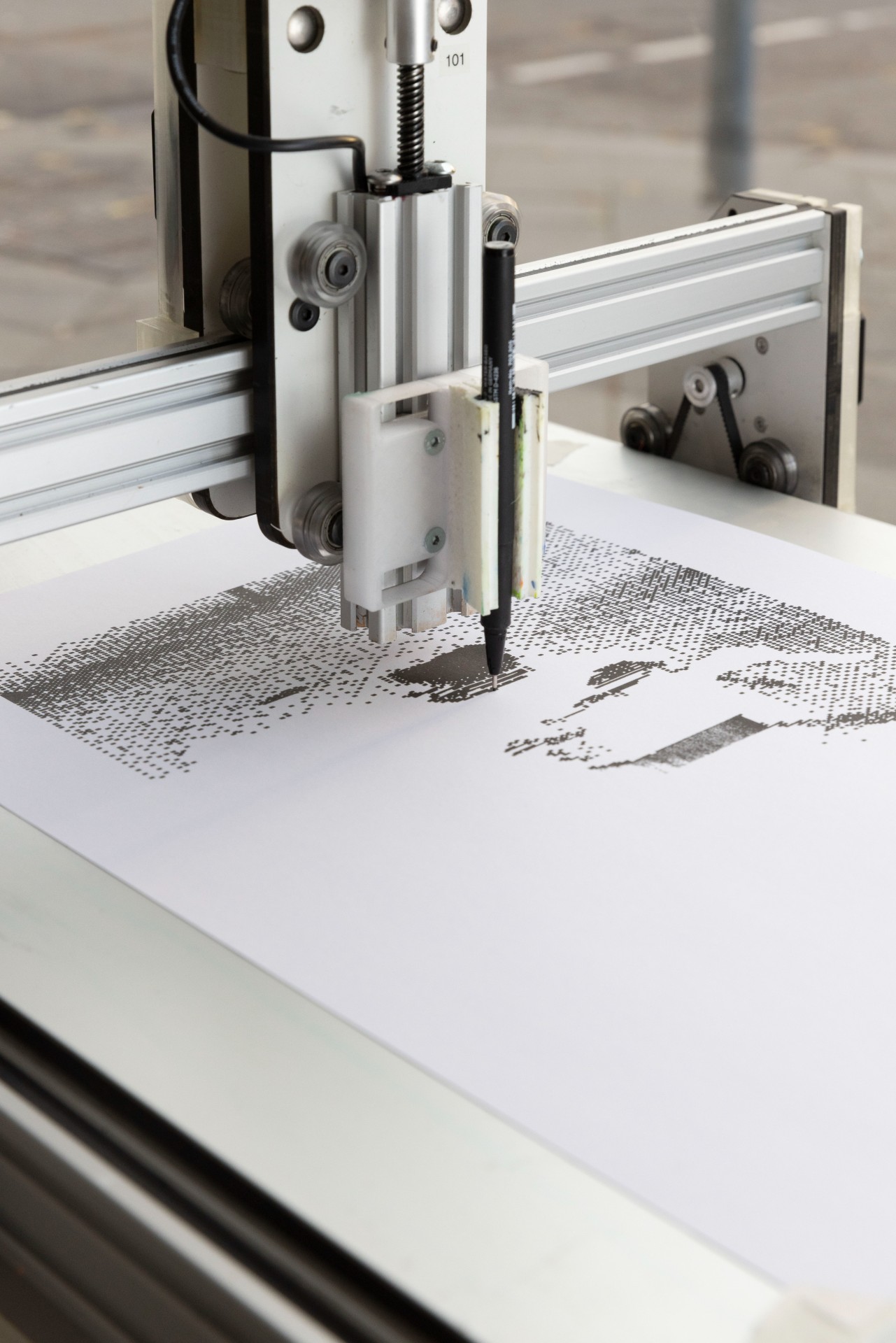
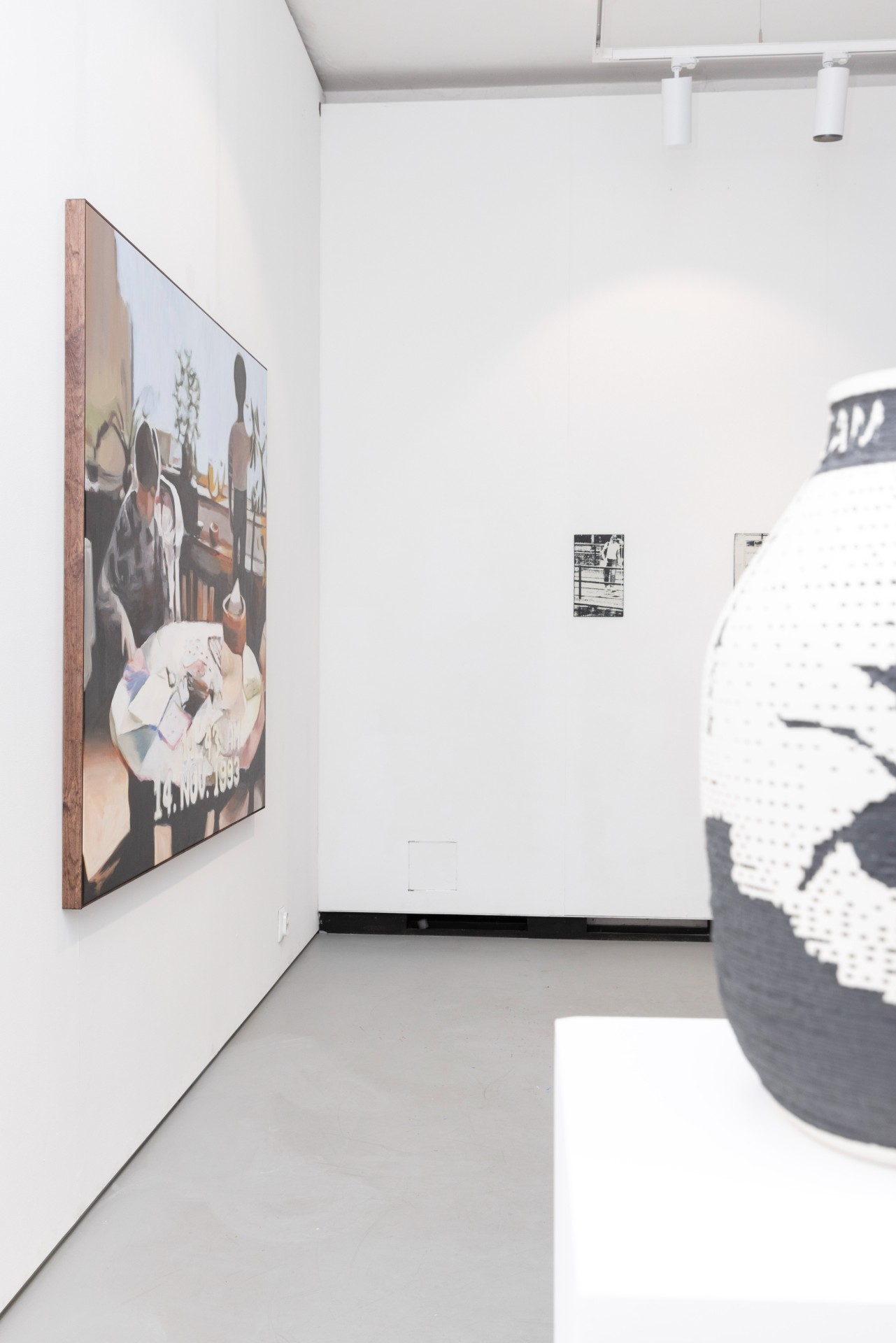
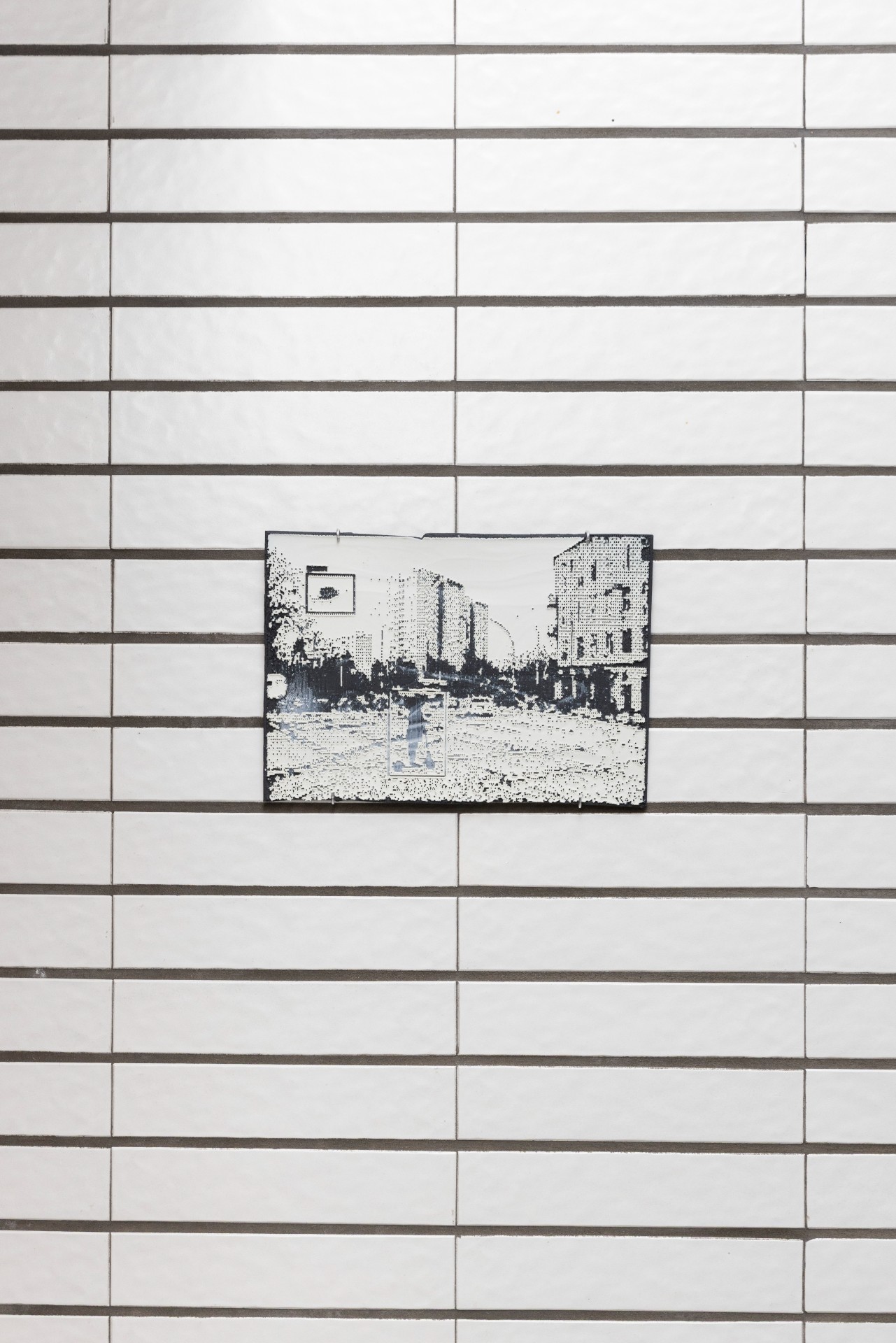
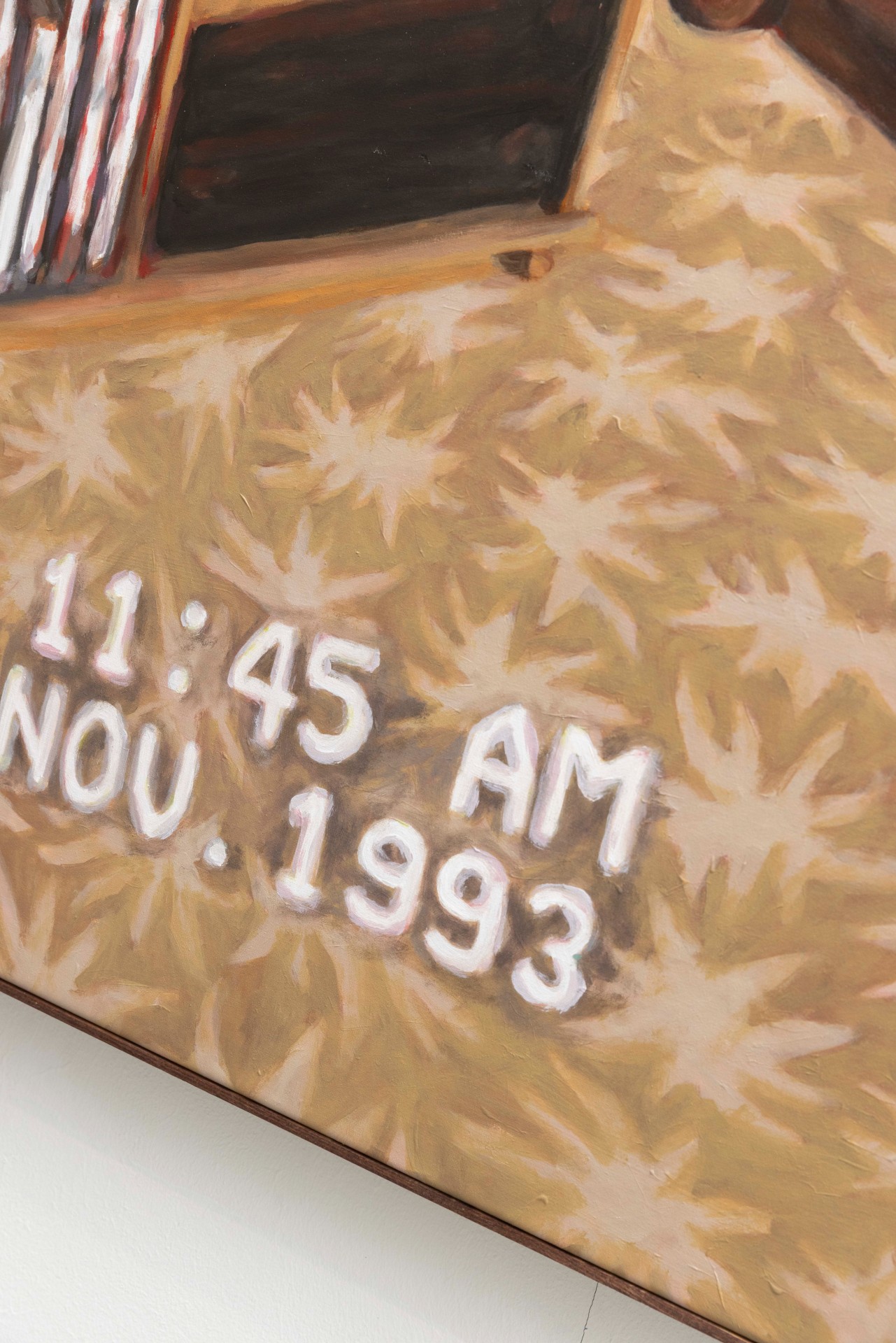
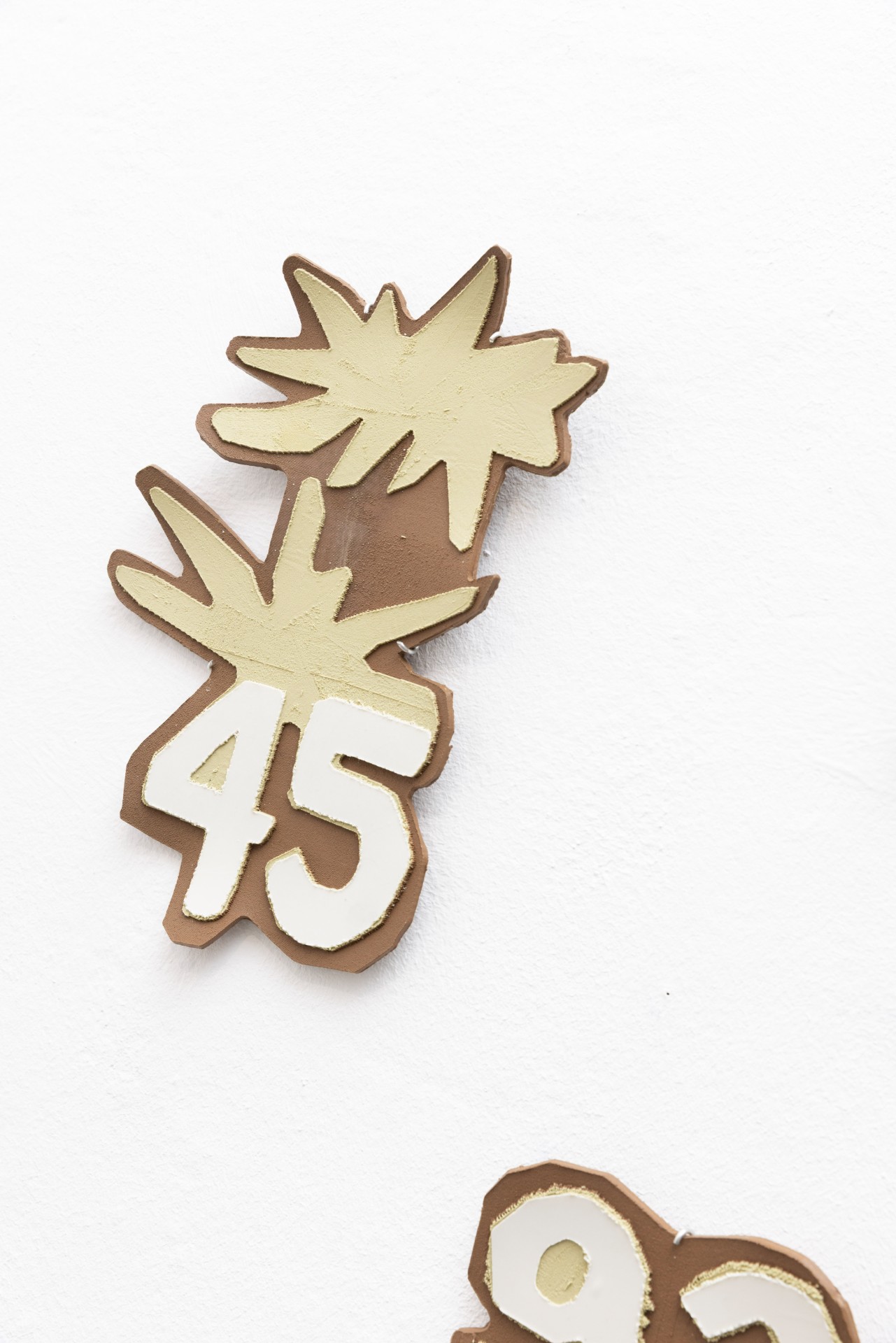
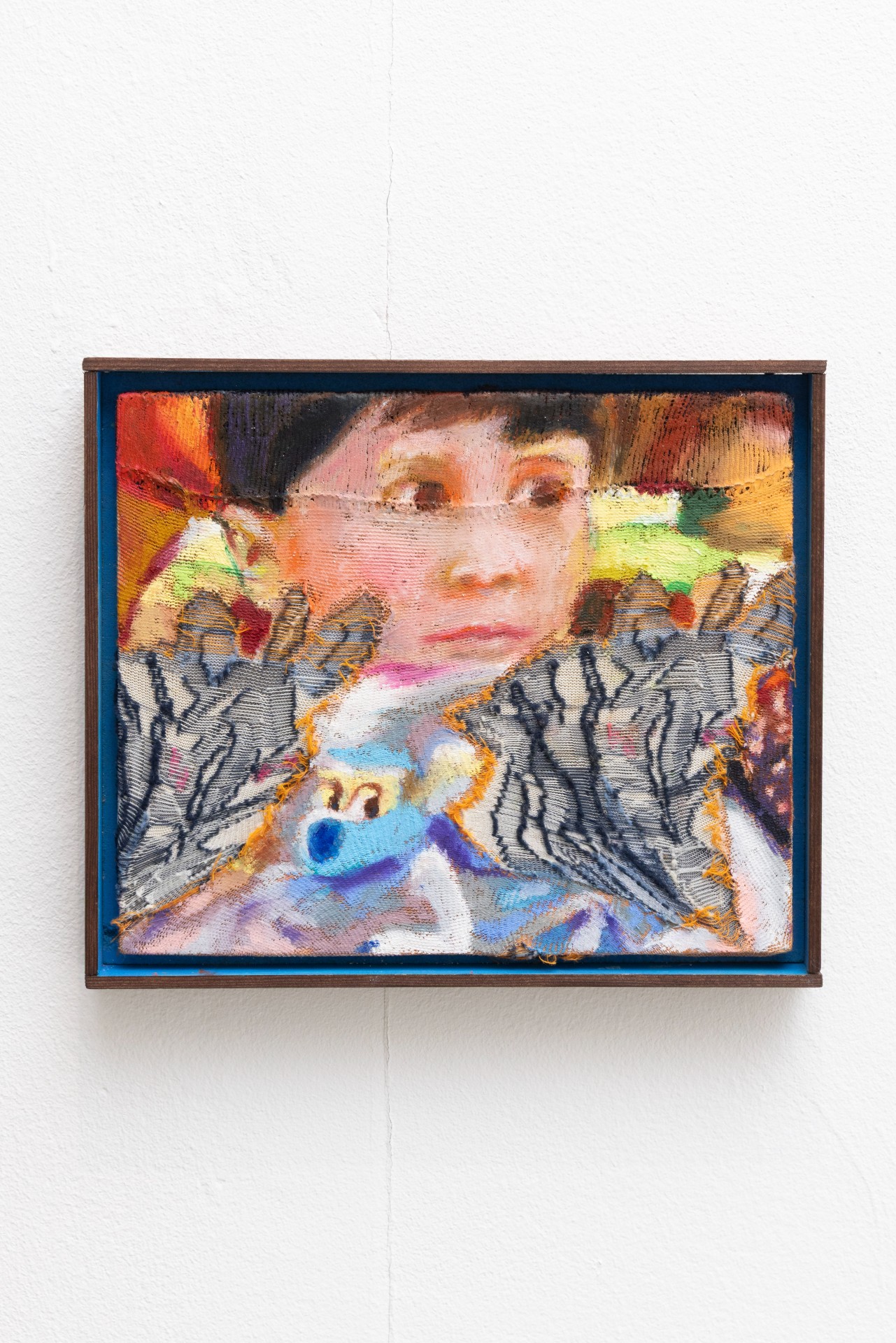
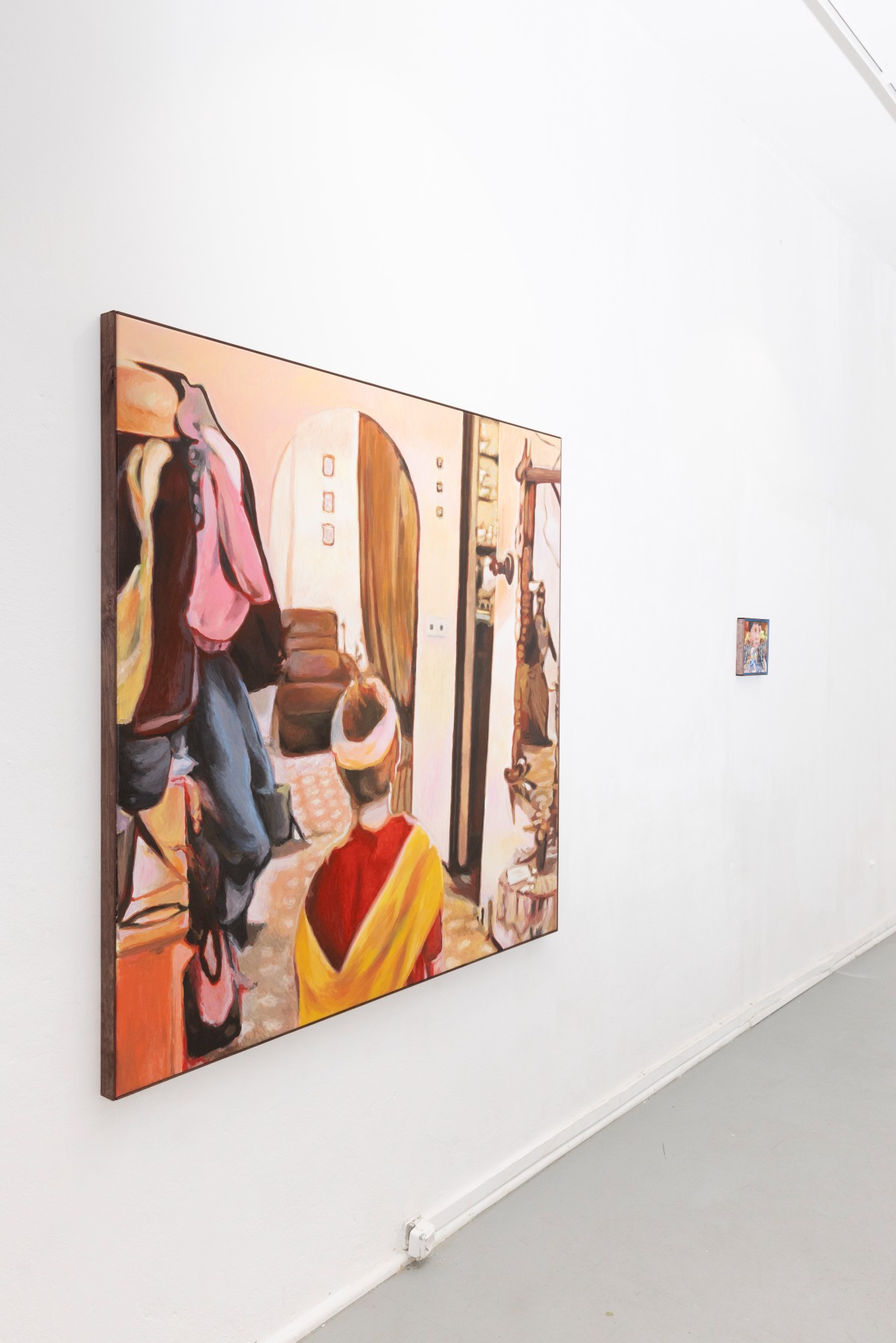
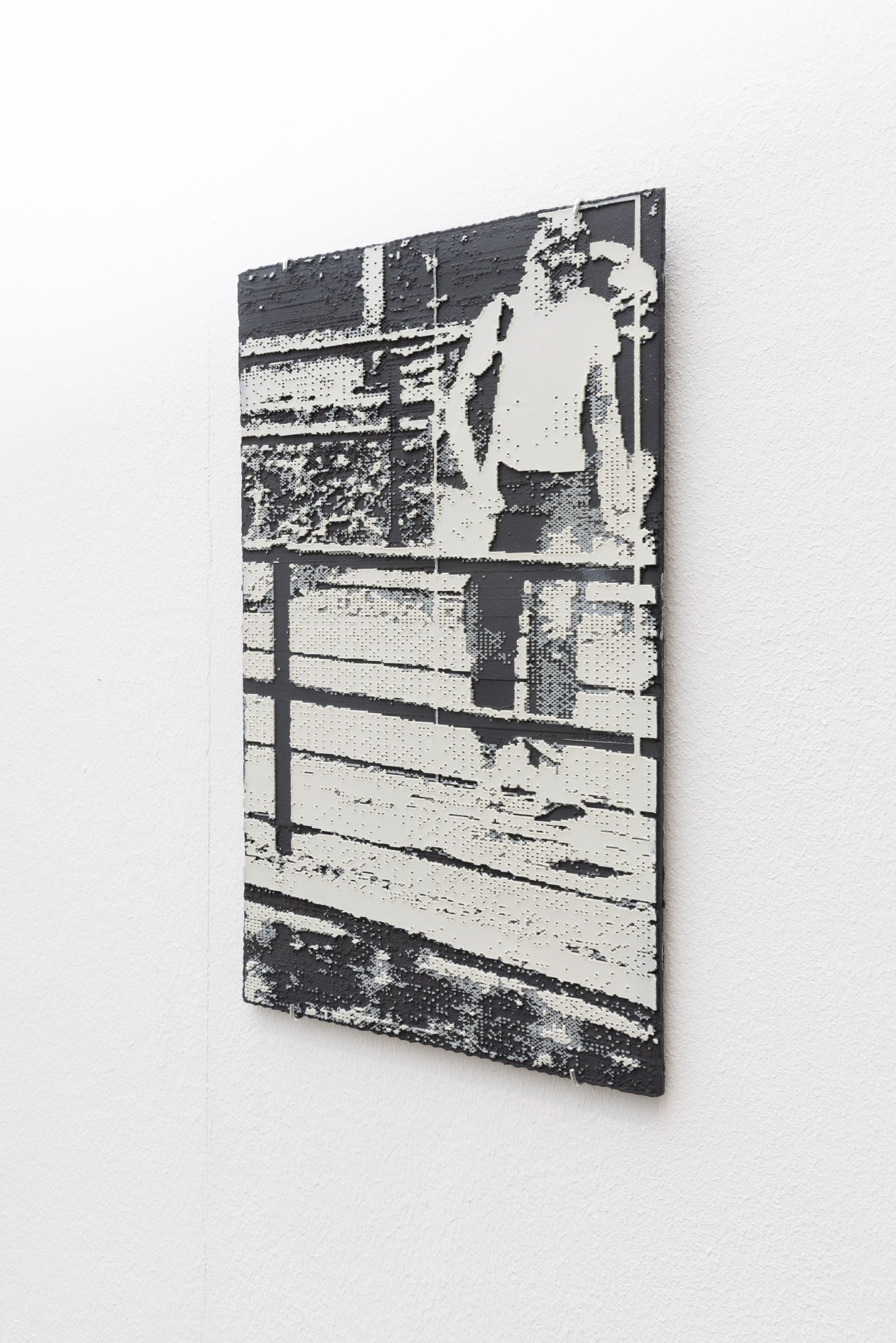
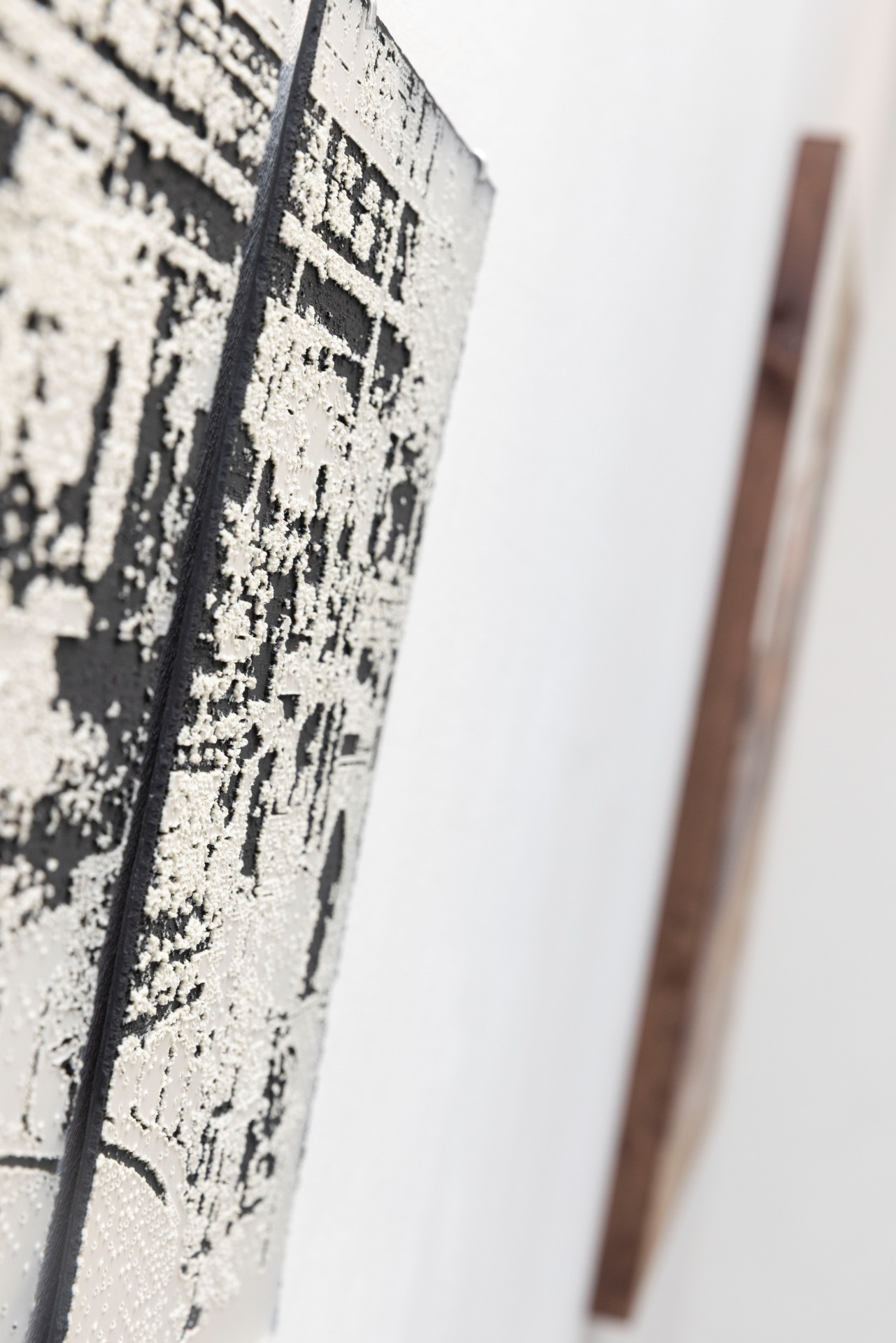
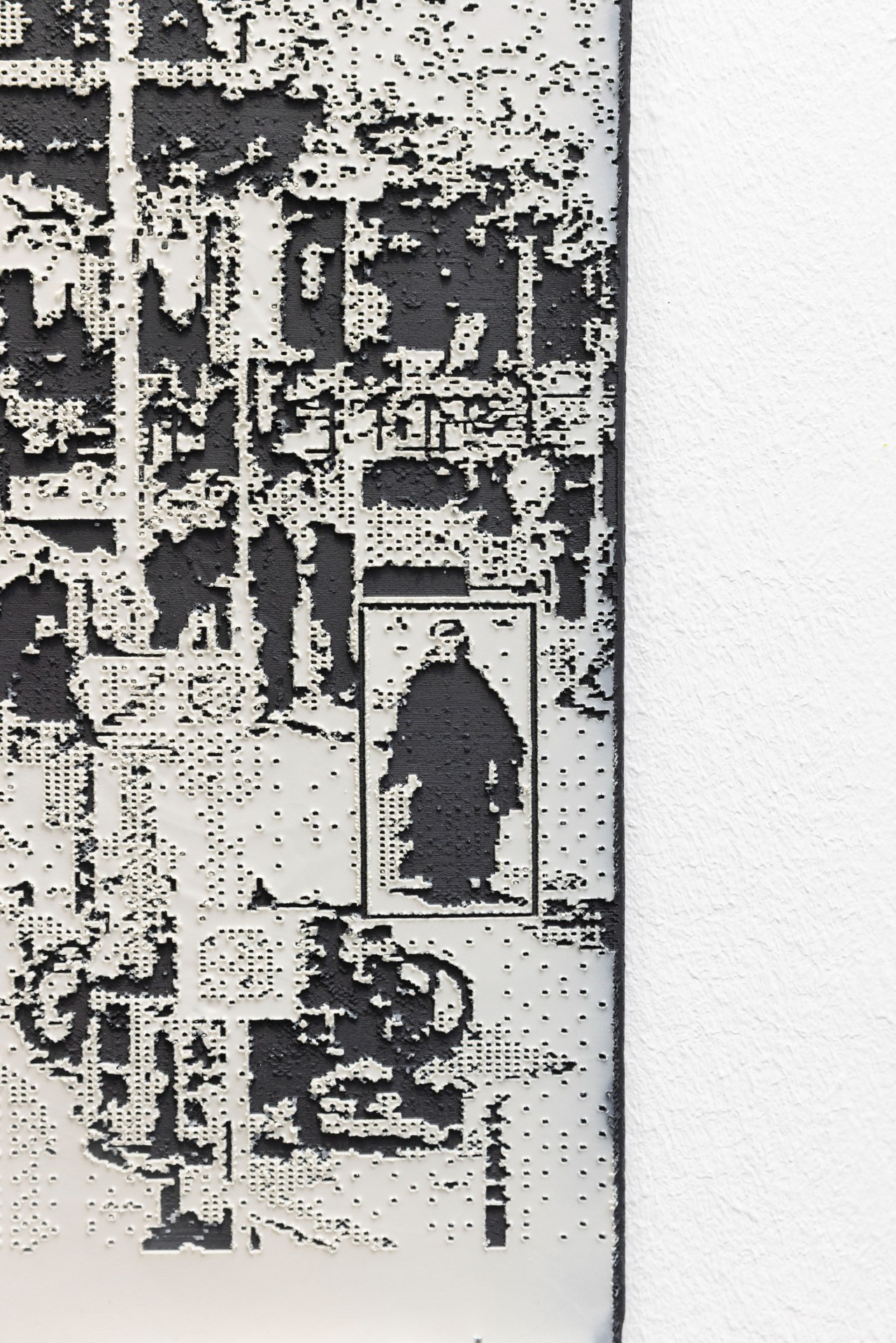
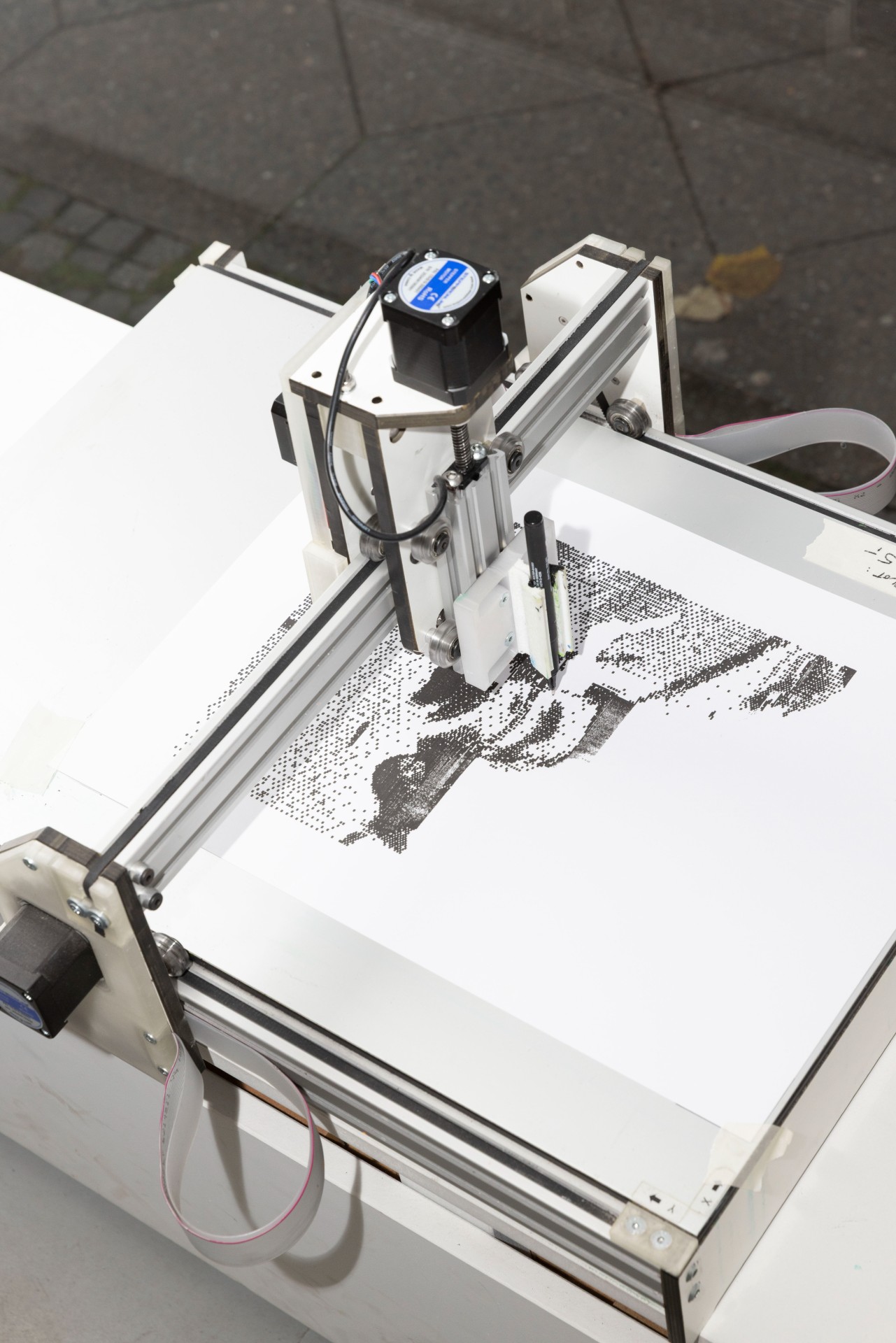
We observe the machine and the machine observes us, but what is a machine to an artist? Modern technological advancements have transformed machines into instruments of learned intelligence, once the preserve of human surveillance. In the case of those forced to live under the undemocratic eye of the former German Democratic Republic, neighbours feared the curious eye of their neighbours and Stasi enforcers tracking wires run through floorboards and walls. Culturally, this form of invasive surveillance has been positioned as a relic of the past, but in 2026 the state has revived its authoritarian tendencies, outsourcing the labour of observation and identification to machines, with AI-assisted police video surveillance watching over neighbourhoods across the city. Machine learning, they call it. The machine is learning, they say. But what exactly is it learning, and who should be trusted to teach it? Today, the word ‘machine’ conjures cultural iconography drawn from the dystopian fantasies of existential twentieth-century authors and blockbuster directors, who imagined the world on the eve of a new millennium. Think Brave New World (Aldous Huxley’s 1931 glimpse into a scientifically advanced future), Blade Runner (a 1982 film, with a 2017 reimagining, inspired by Philip K. Dick’s android-centric novel Do Androids Dream of Electric Sheep?) and The Matrix (1999’s dystopian big-screen hit that spawned two sequels too many). Spoiler alert: the future is now and we all live on Animal Farm. But can a machine without intelligence be a tool for artists? A mark-making force or a new lens through which to perceive matter? Without the flair of spontaneous action, the assignment of creative independence is impossible. It is non-threatening. Reliable. Always in its place, subservient to both the subject and the medium. In You’ve Got A Curious Eye, the machine learns nothing. It holds its position unless instructed, void of the threat of intelligence. It is a trigger for response and a tool of documentation, but it does not interpret. Porcelain artefacts by Berlin-based creative pairing JÜNGERKÜHN replicate uncanny, fictional surveillance stills taken from a new original video work. The subjects of each image could easily be me or you. With some studies estimating a density of 11.2 cameras per thousand residents in Berlin, it’s almost absurd that they’re not. These works are dictated by their creators’ intentions and their objection to any suggestion that machines hold authority in this creative space. It is the porcelain that responds; the machine is simply present. While the material story is one of dumb, mechanical process, the subject matter it illustrates breathes existentialism into the work. Can we reclaim the indignity of surveillance by appropriating its actions and language? Can we redirect the line of sight with fictional iterations of its ethereal world? In the paintings of Berlin-based artist Philipp Pusch, the act of looking becomes one of physical intervention. Domestic vignettes appear as documents of childhood memory, but they are not the artist’s memories. Gazing upon his younger self from a third-person position, Pusch’s works replicate stills taken from analogue home-video footage filmed by his grandfather: surveillance as a condition of adoration. They are images of images of somebody else’s memories. Somebody who was also captivated by art, whose hobbyist painting practice inspired Pusch to pursue his own creative path. In good faith, we believe these painterly scenes exist as a form of evidence of the circumstances of Pusch’s youth, but how reliably can the subjective eye, one looking with love and skewed by nostalgia, see into the murky waters of the past? Processes of image-making carve out spaces in which reality can be rewritten. The works presented within You’ve Got A Curious Eye speak to the tension between truth and interpretation, each emerging from a collaboration between human and machine. The curious eye is one that seeks to see all, knowing it can never see everything.
Philipp Pusch: Philipp Pusch (b. 1989, Frankfurt (Oder)), also known by the moniker Ghislain, is a Berlin-based multimedia artist working across painting, drawing, conceptual photography, object art, and experimental music. He studied Visual Communication in Potsdam, where he first began exploring contemporary conceptual photography. Early in his career, Pusch spent several years working for various magazines and collaborating with German cultural institutions, international music labels, clubs, and fellow artists before establishing himself as a tattoo artist. This multidisciplinary background laid the foundation for a visual language that bridges subculture, tactile craft, and fine art. In his recent body of work, Pusch focuses on radical deceleration and the materiality of human connection in an era of digital transience. Oscillating between abstraction and figuration, his works preserve fragments of these artefacts, making the emotional undercurrents of longing, care, and physical proximity tangibly present in the composition. Philipp Pusch’s work has been exhibited internationally in cities including New York, Barcelona, Paris, Rome, and Berlin. Jüngerkühn: JÜNGERKÜHN is a Berlin-based design studio creating products, installations, and innovative digital manufacturing processes. Named a German Design Award Newcomer in 2024, the studio operates at the intersection of traditional craftsmanship and advanced technology. Rooted in a "digital craft" practice, jüngerkühn uses digital tools—such as robotics—to push the boundaries of materials and production methods. By merging material-driven experimentation with automated precision, the studio achieves the tactile richness of handcrafted objects while maintaining the flexibility and scalability of industrial manufacturing.