- Against the Will, Against Staying Still
- 15 May ― 18 May 2025
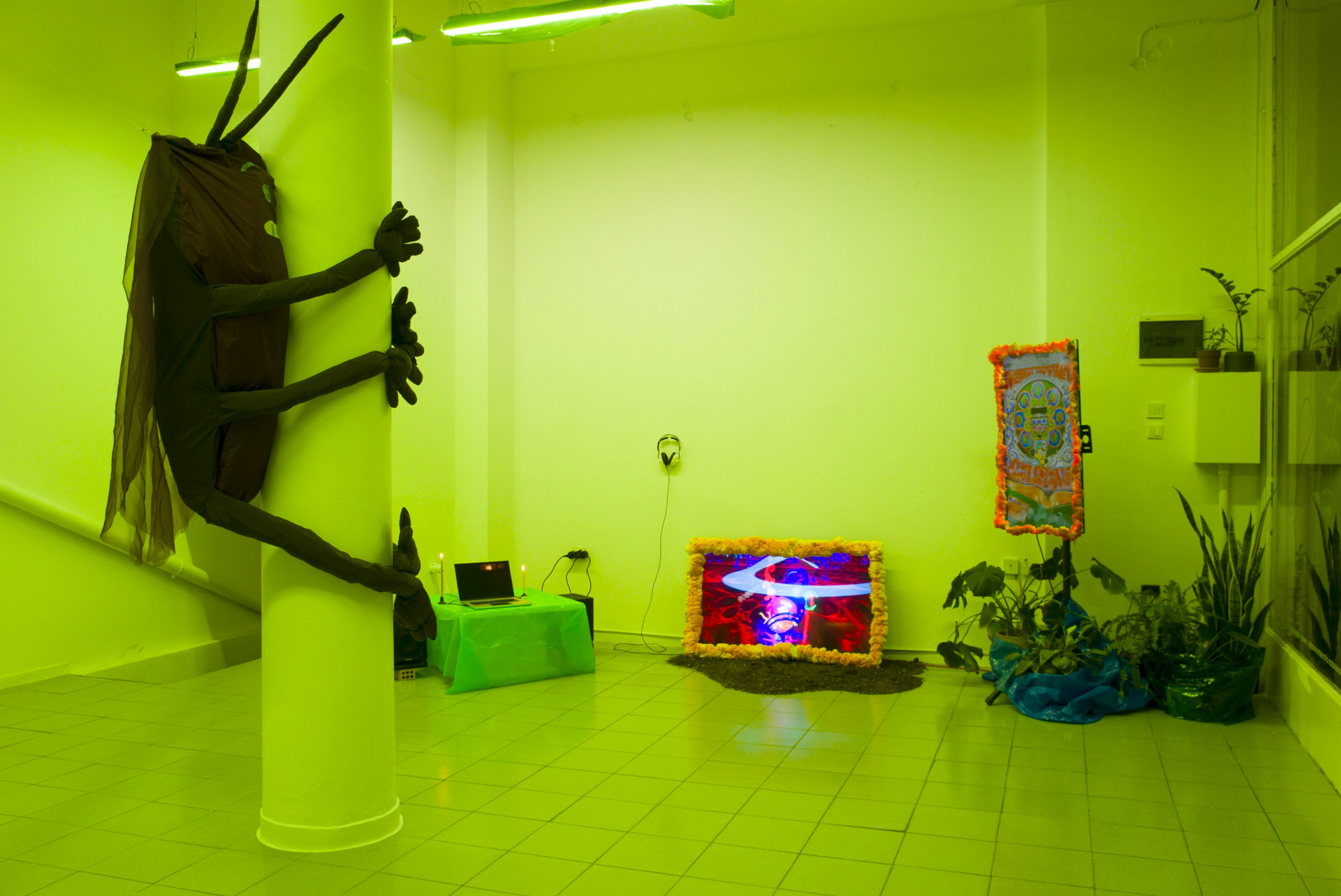
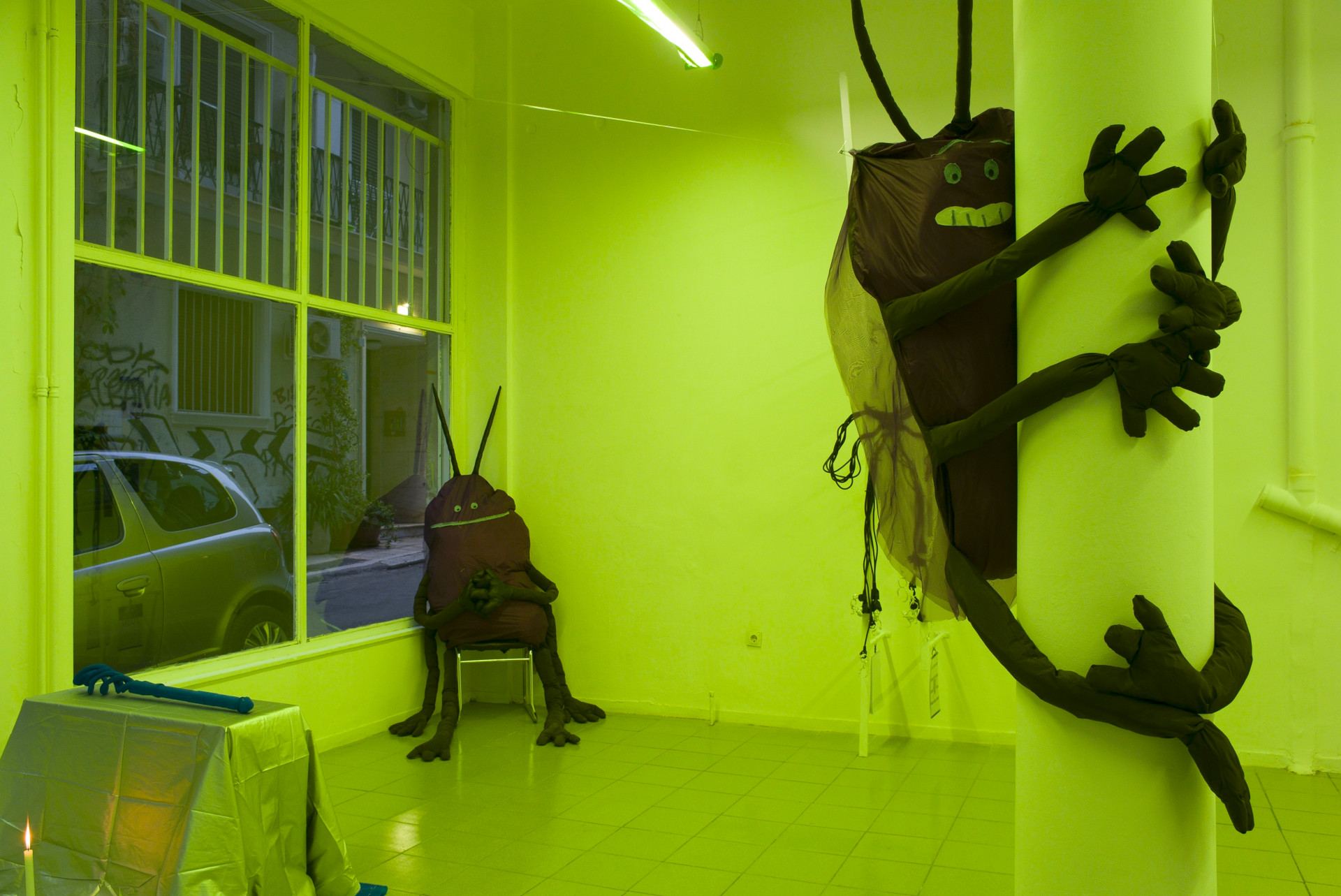
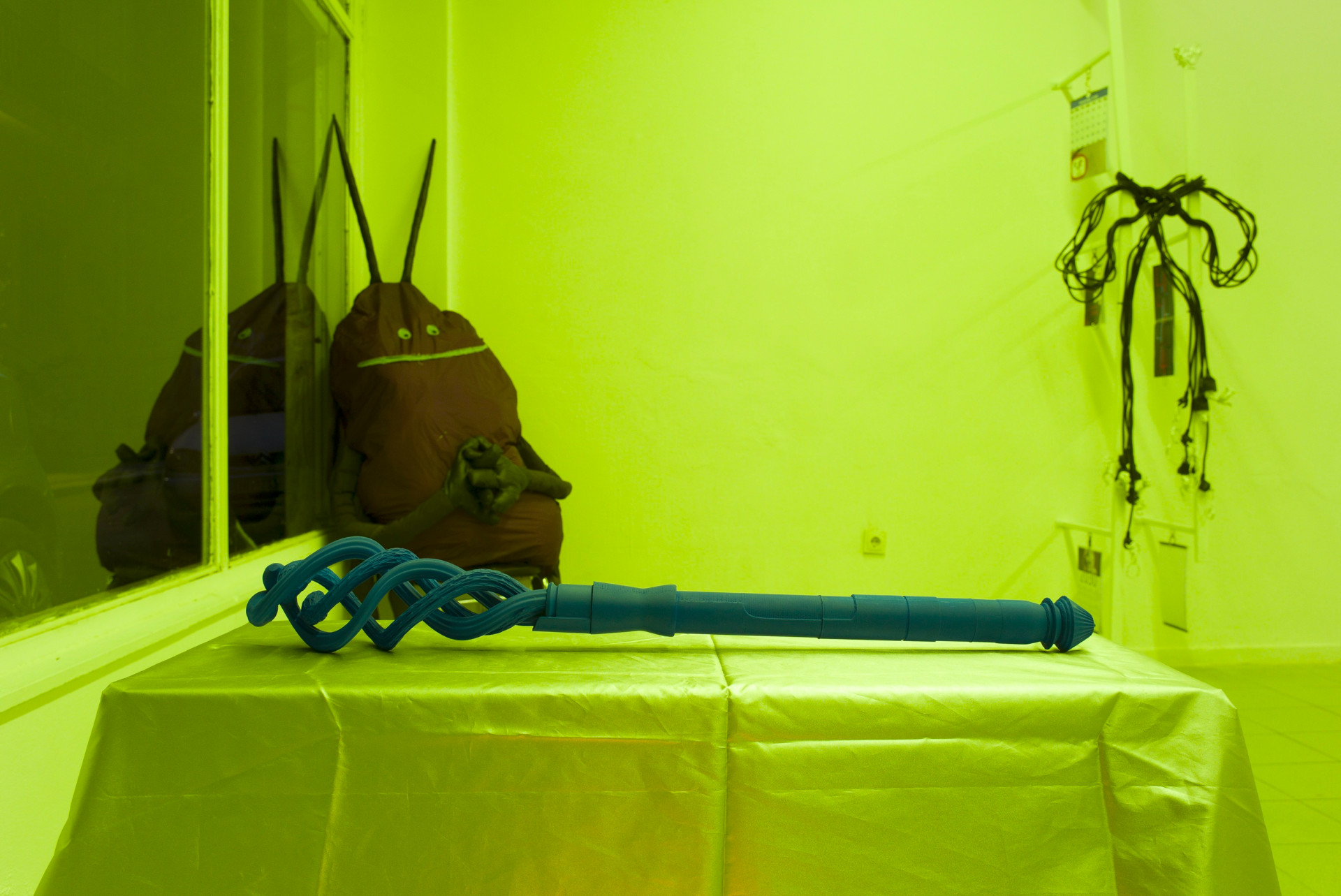
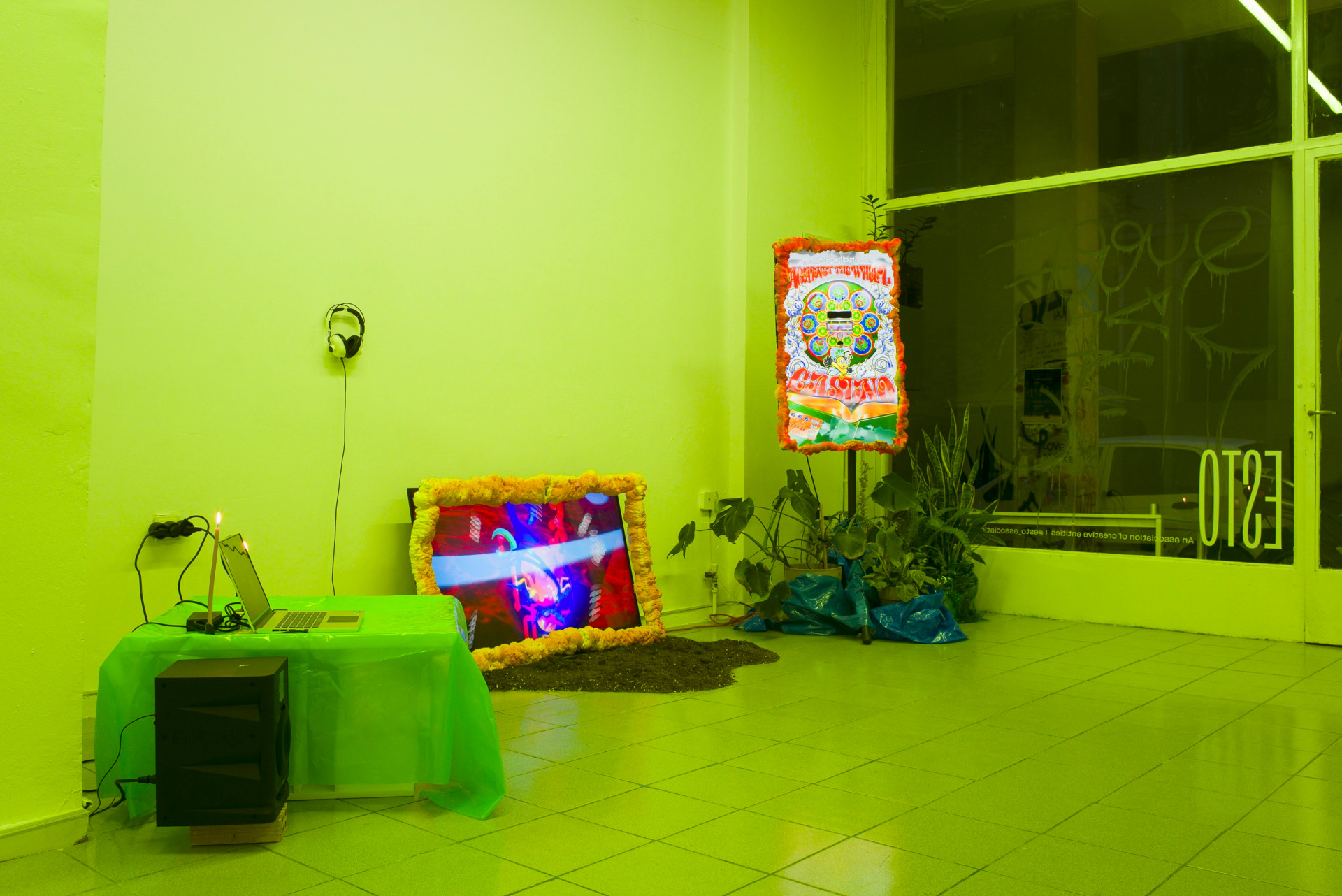
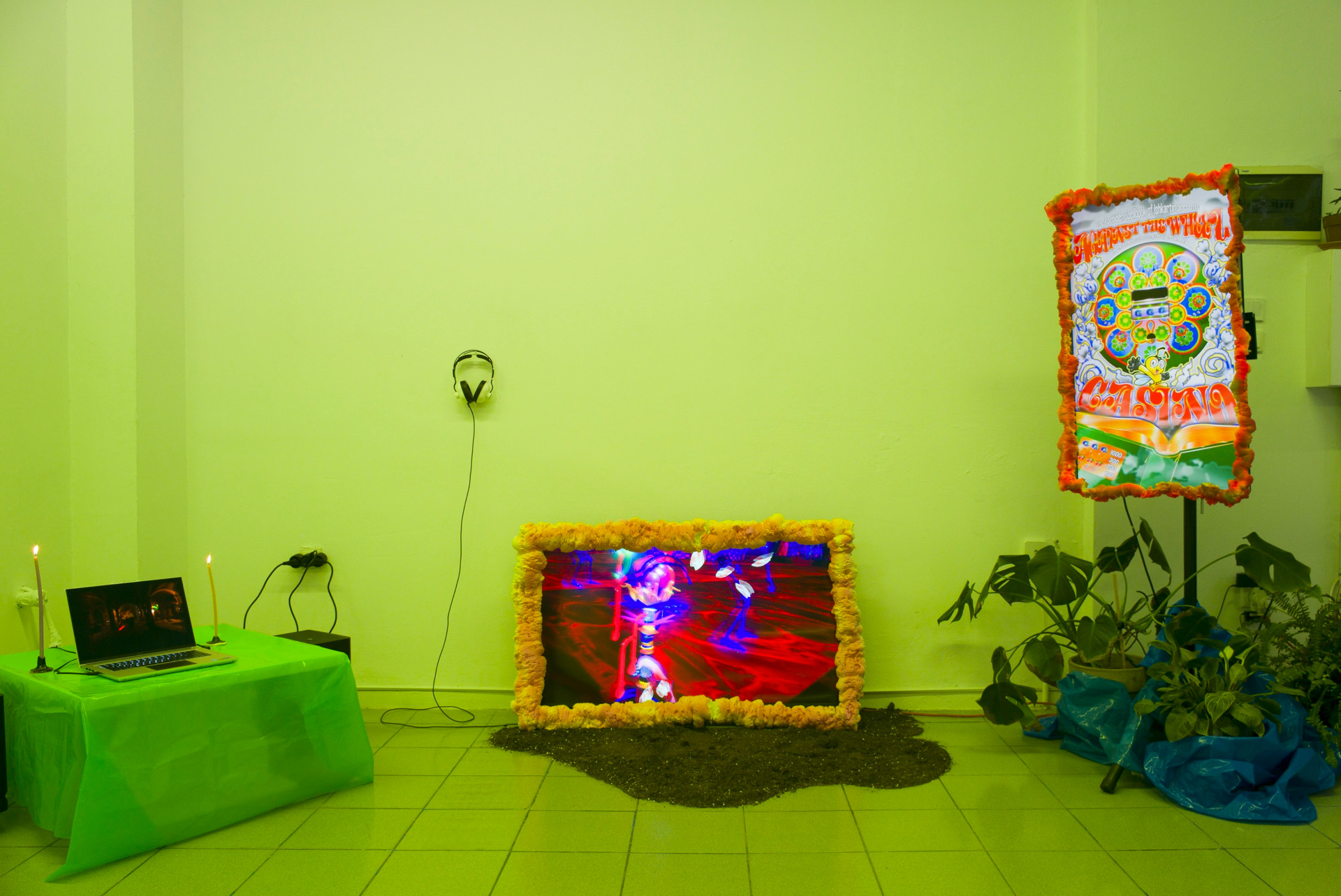
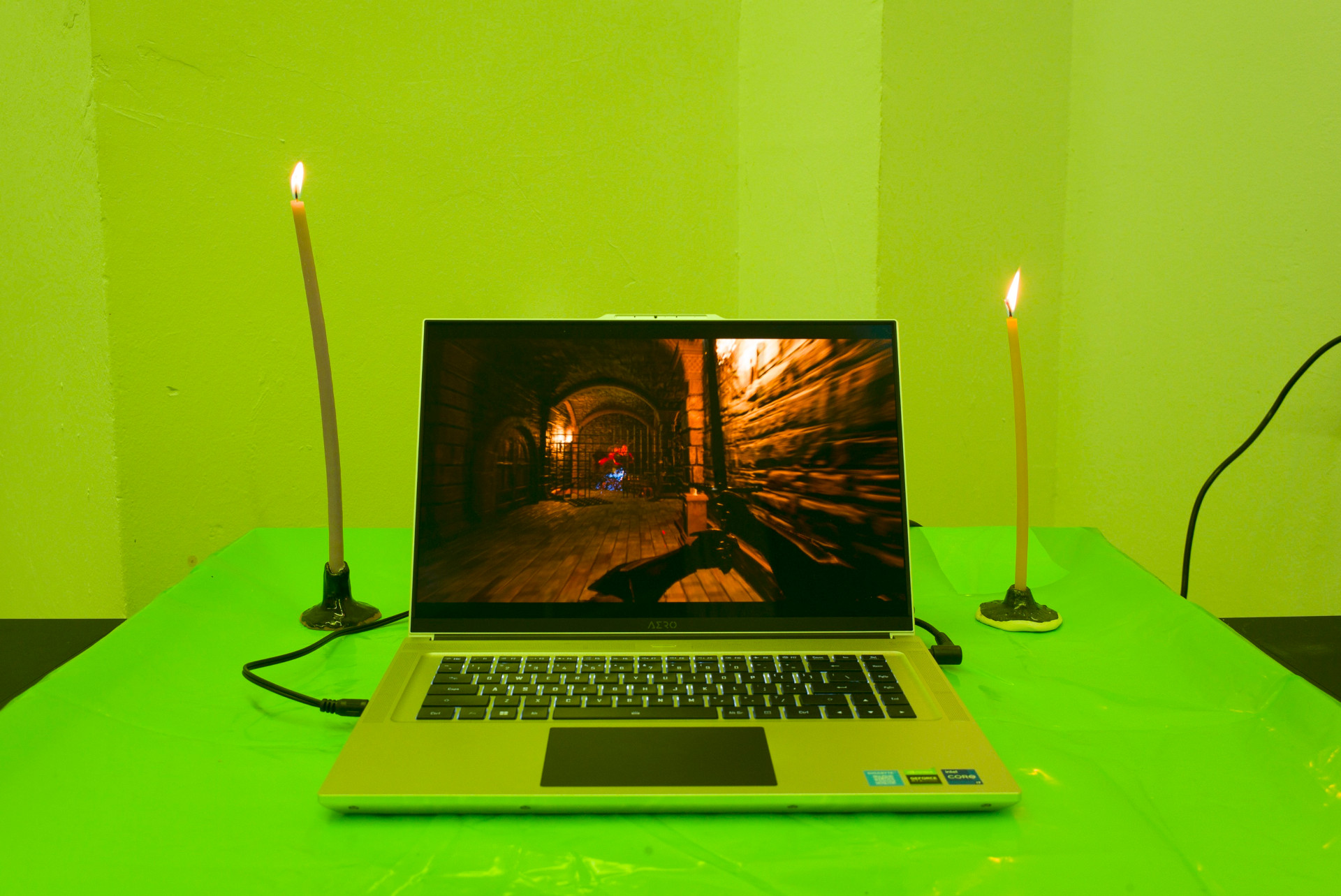
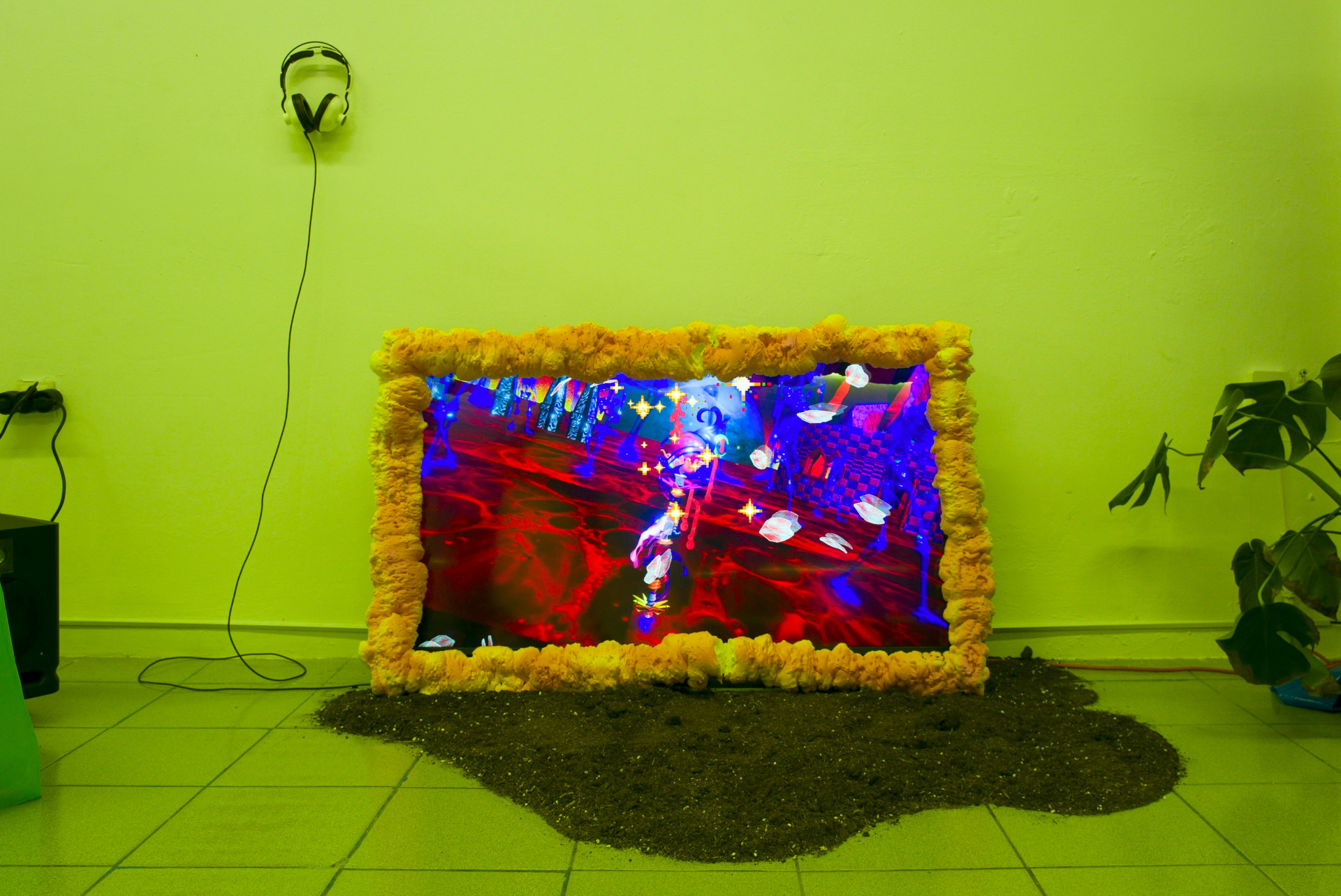
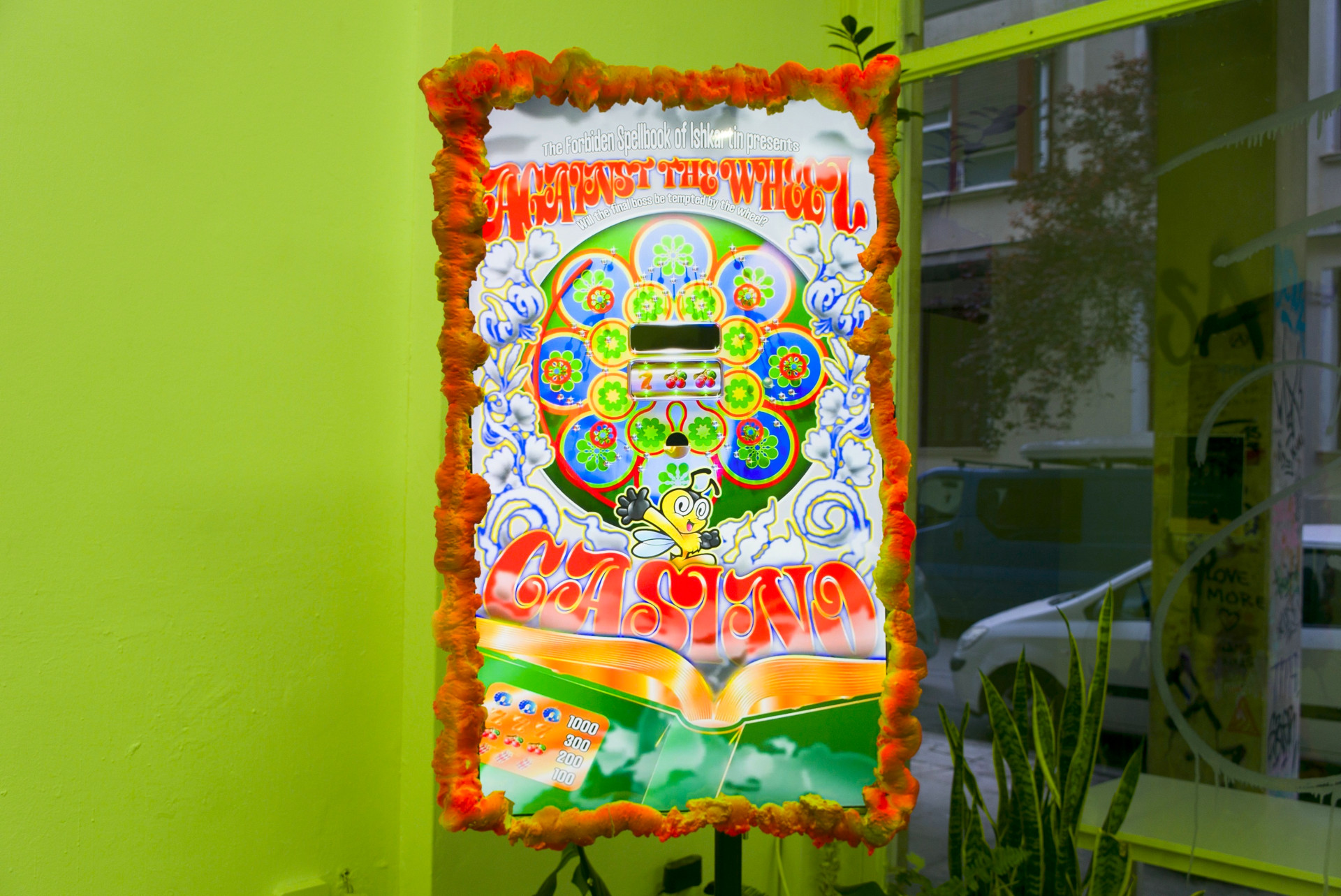
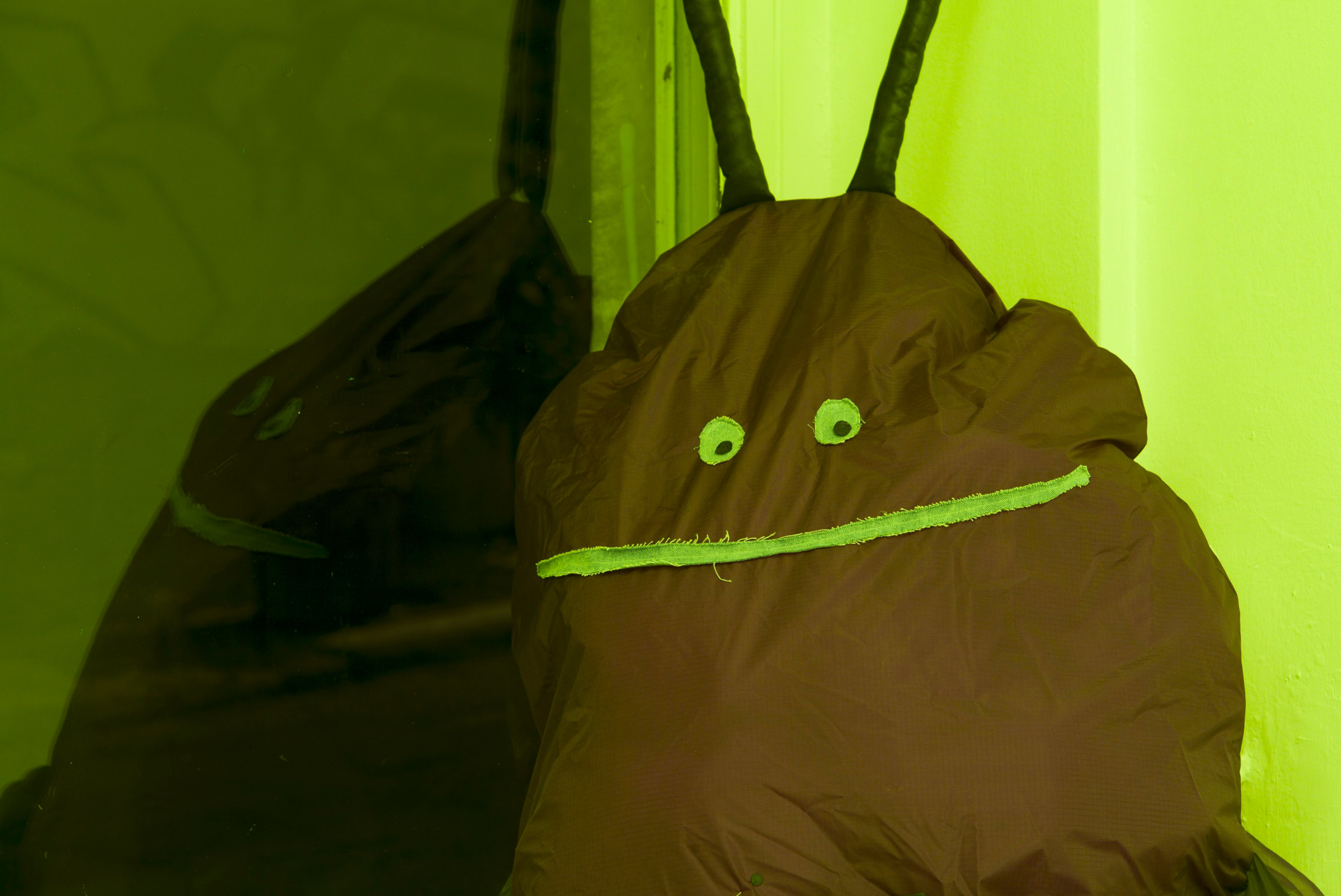

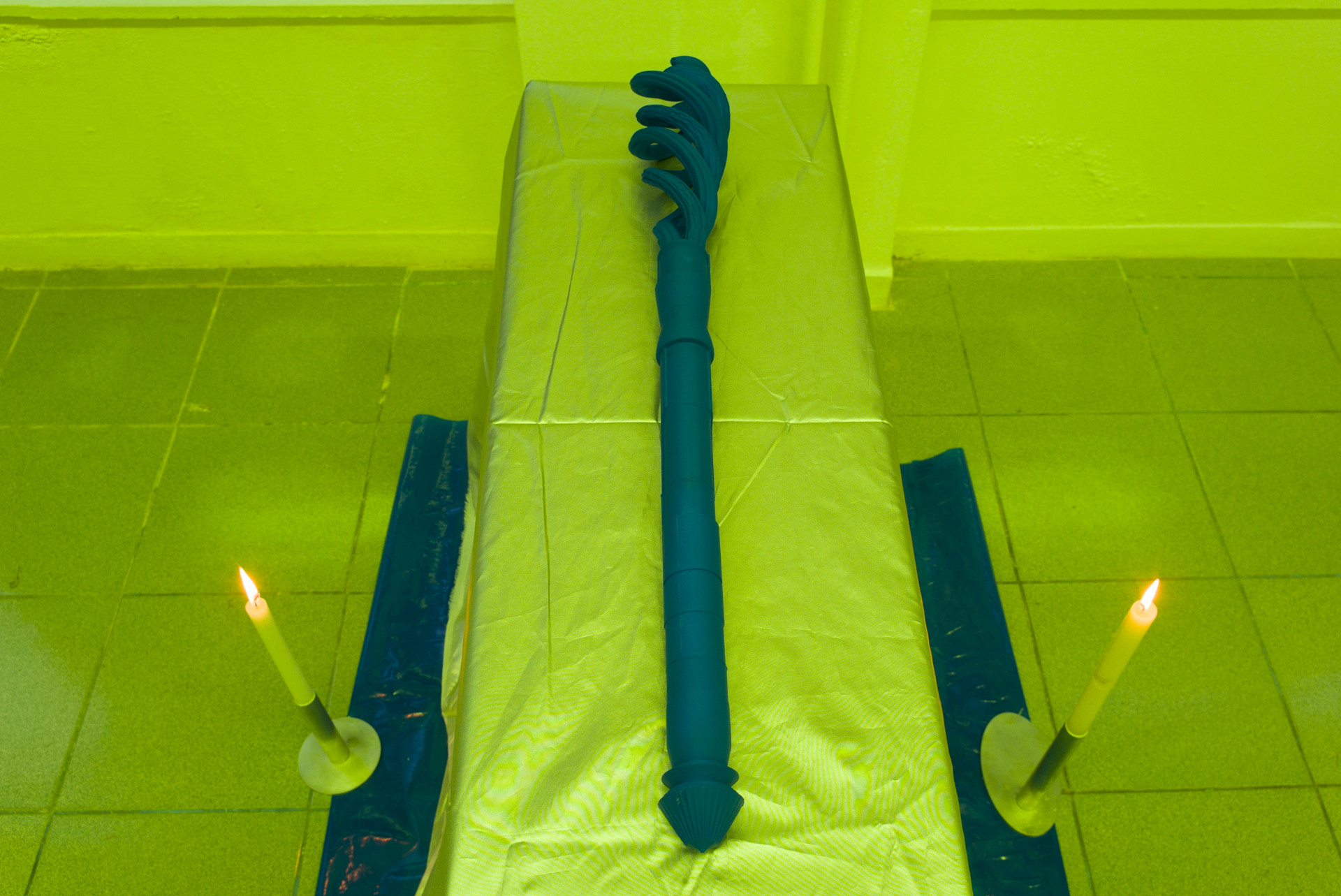
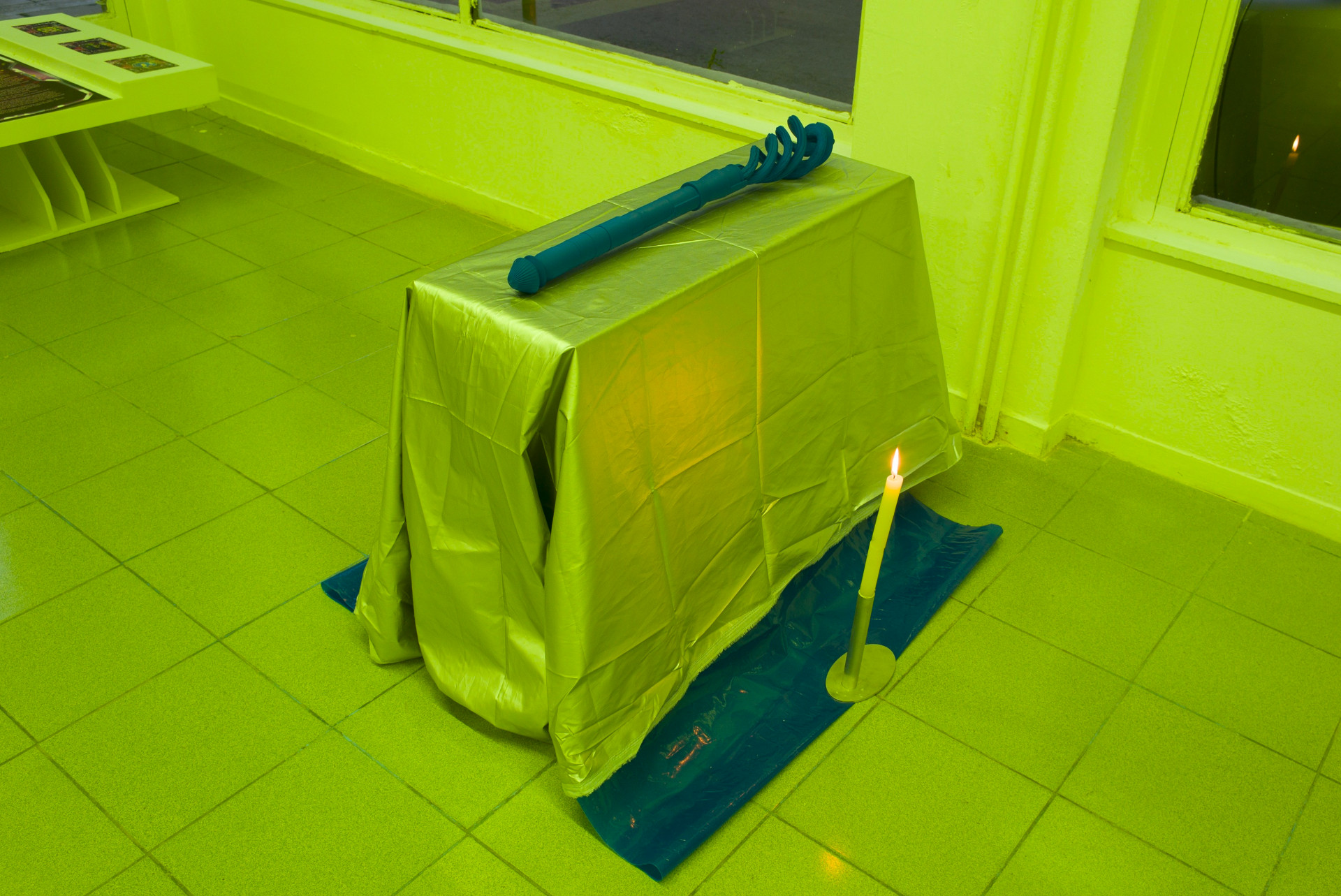
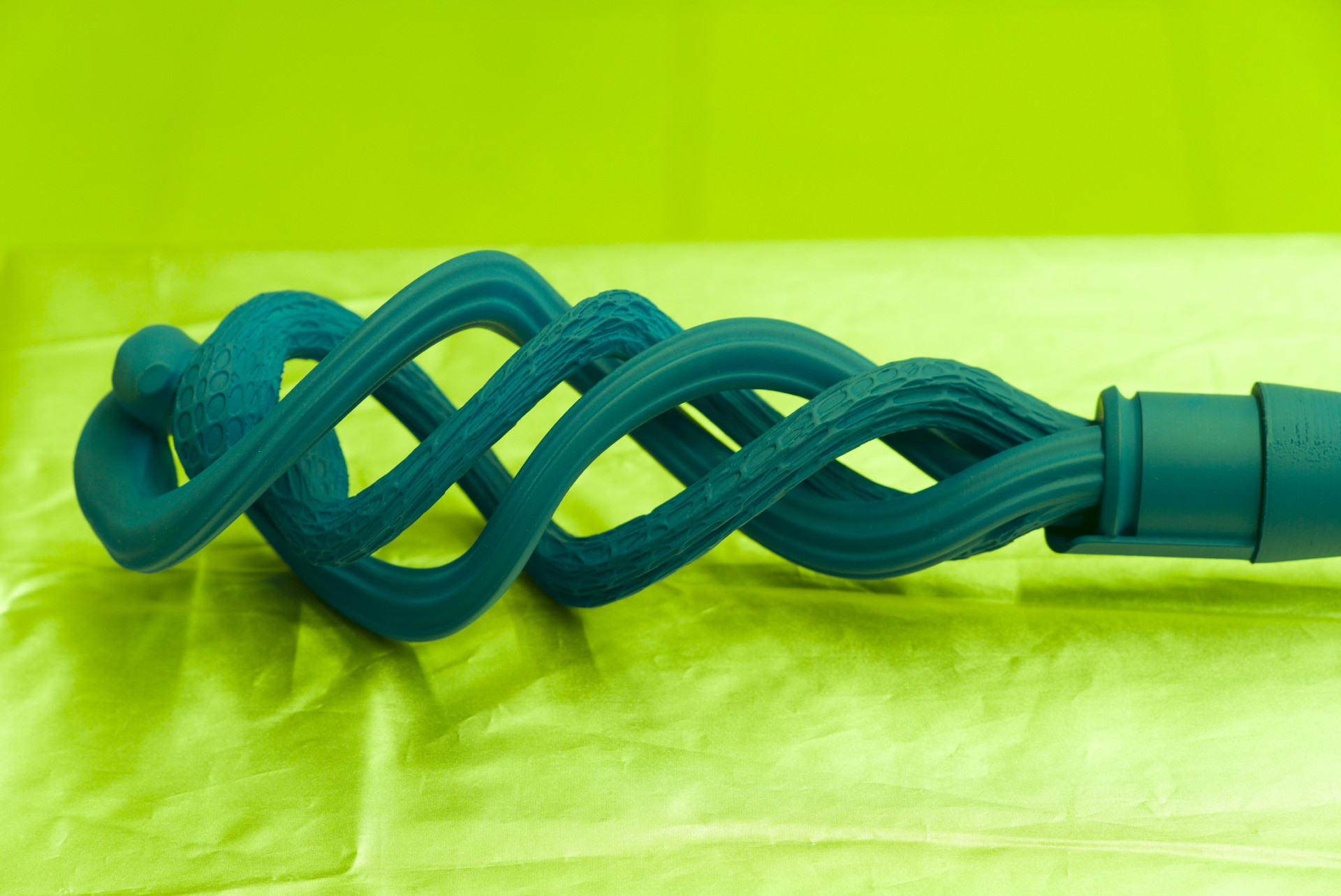
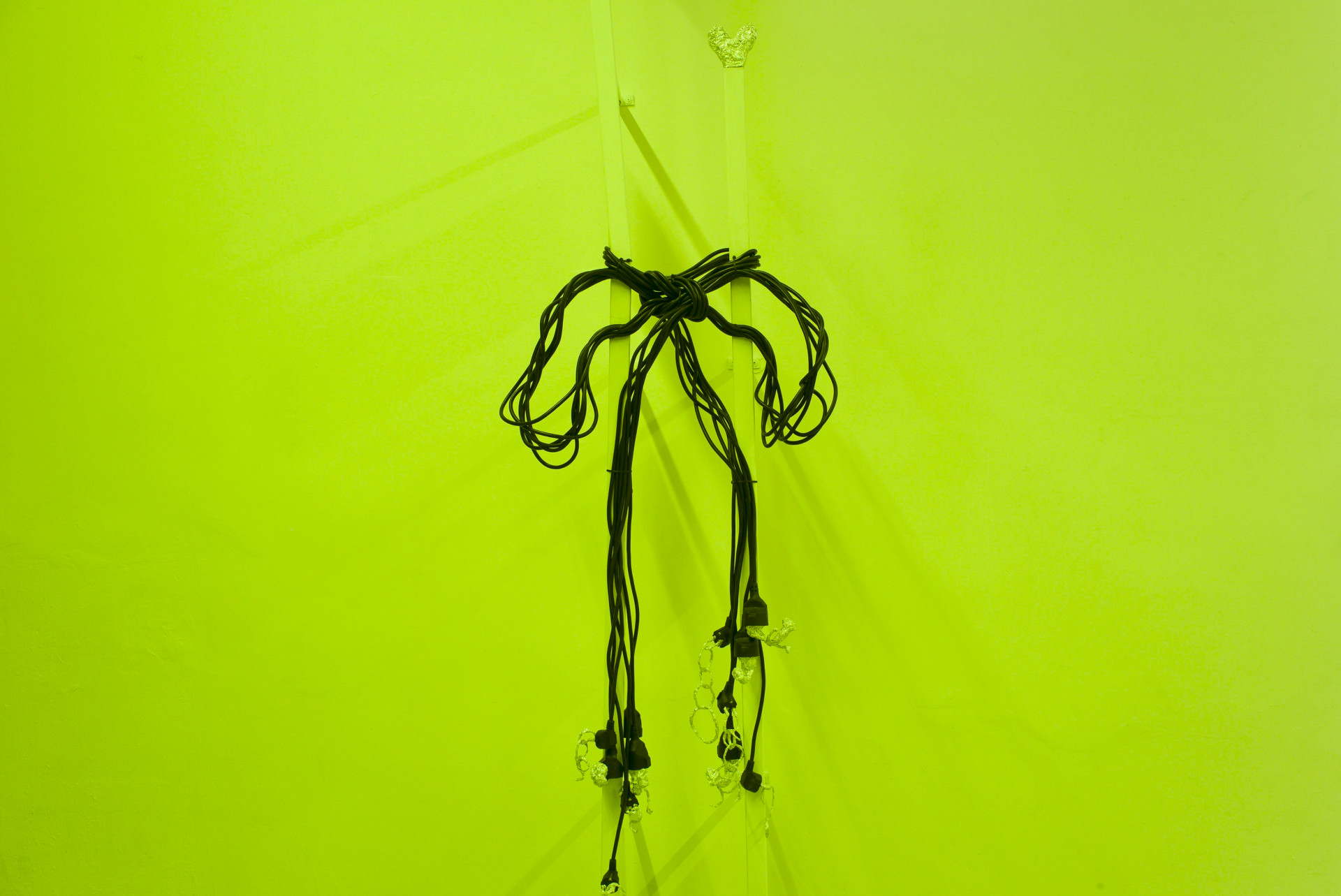
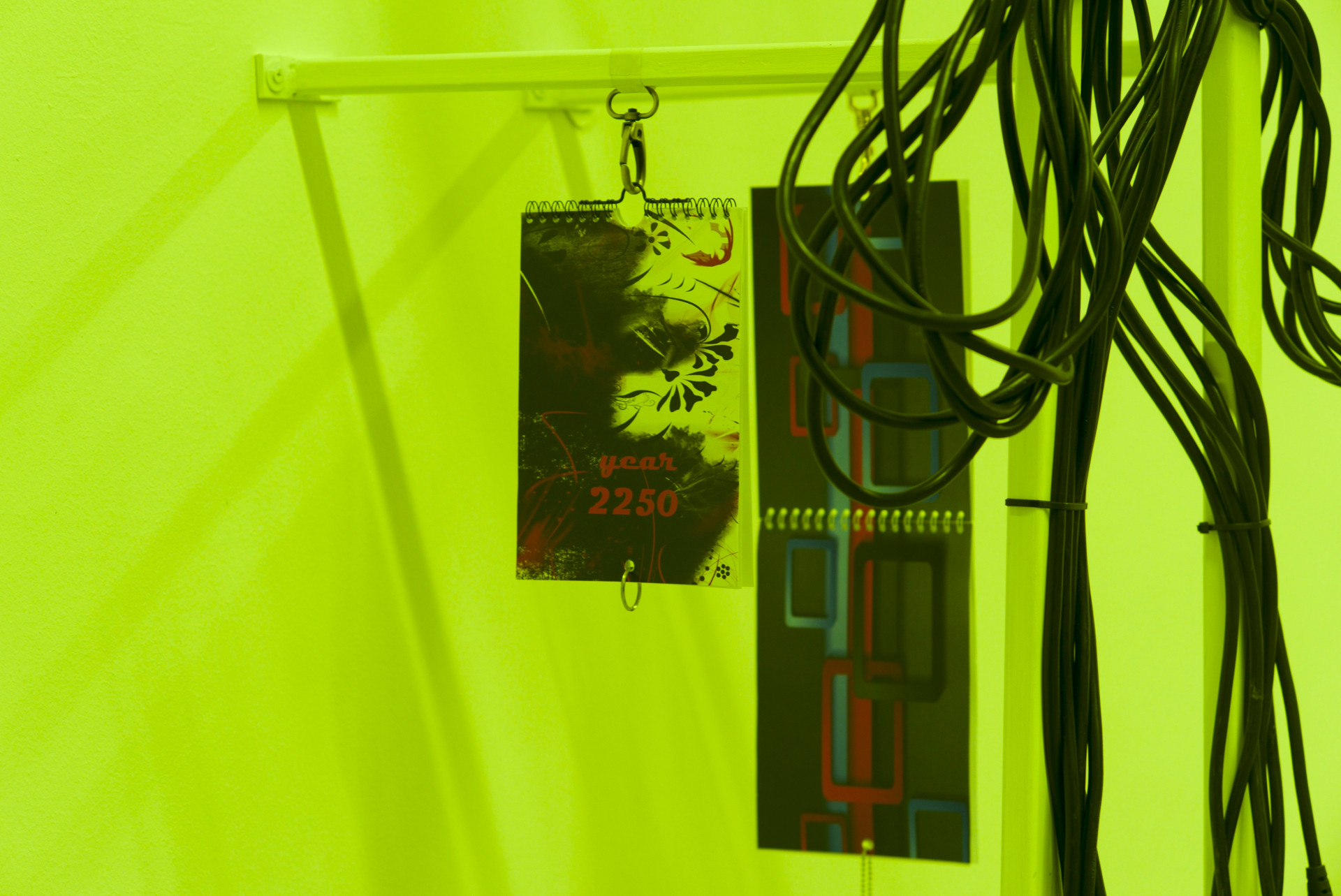
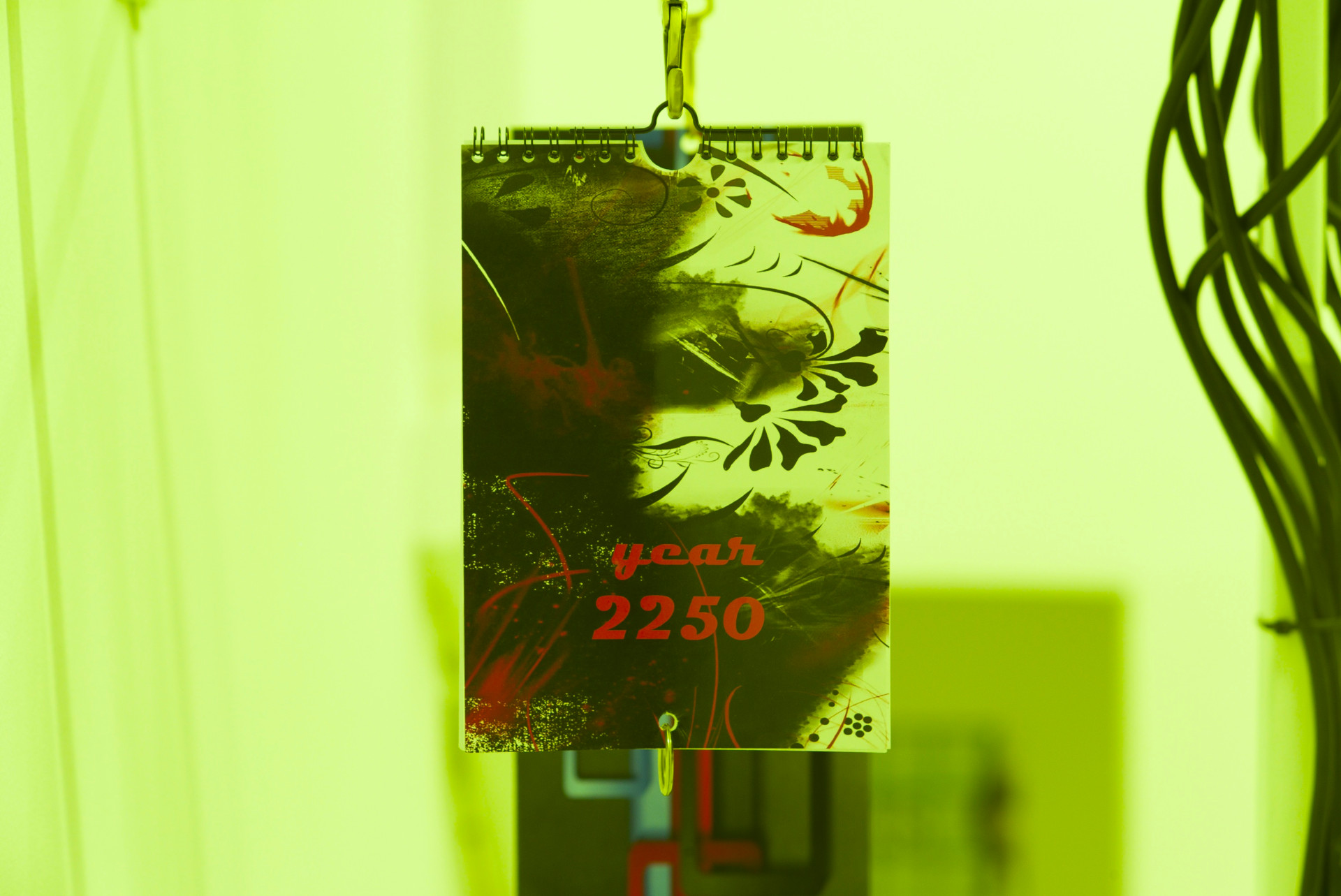
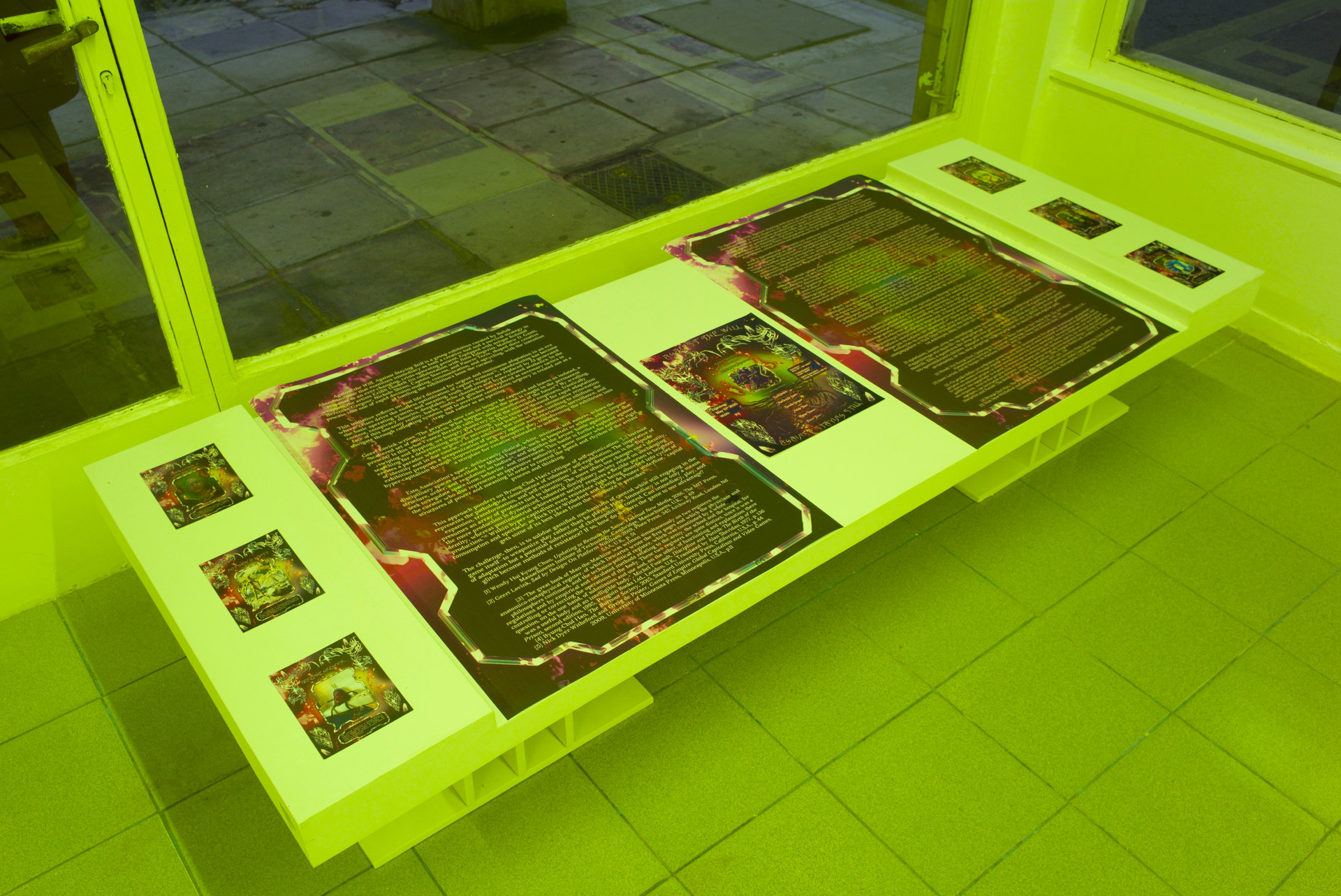
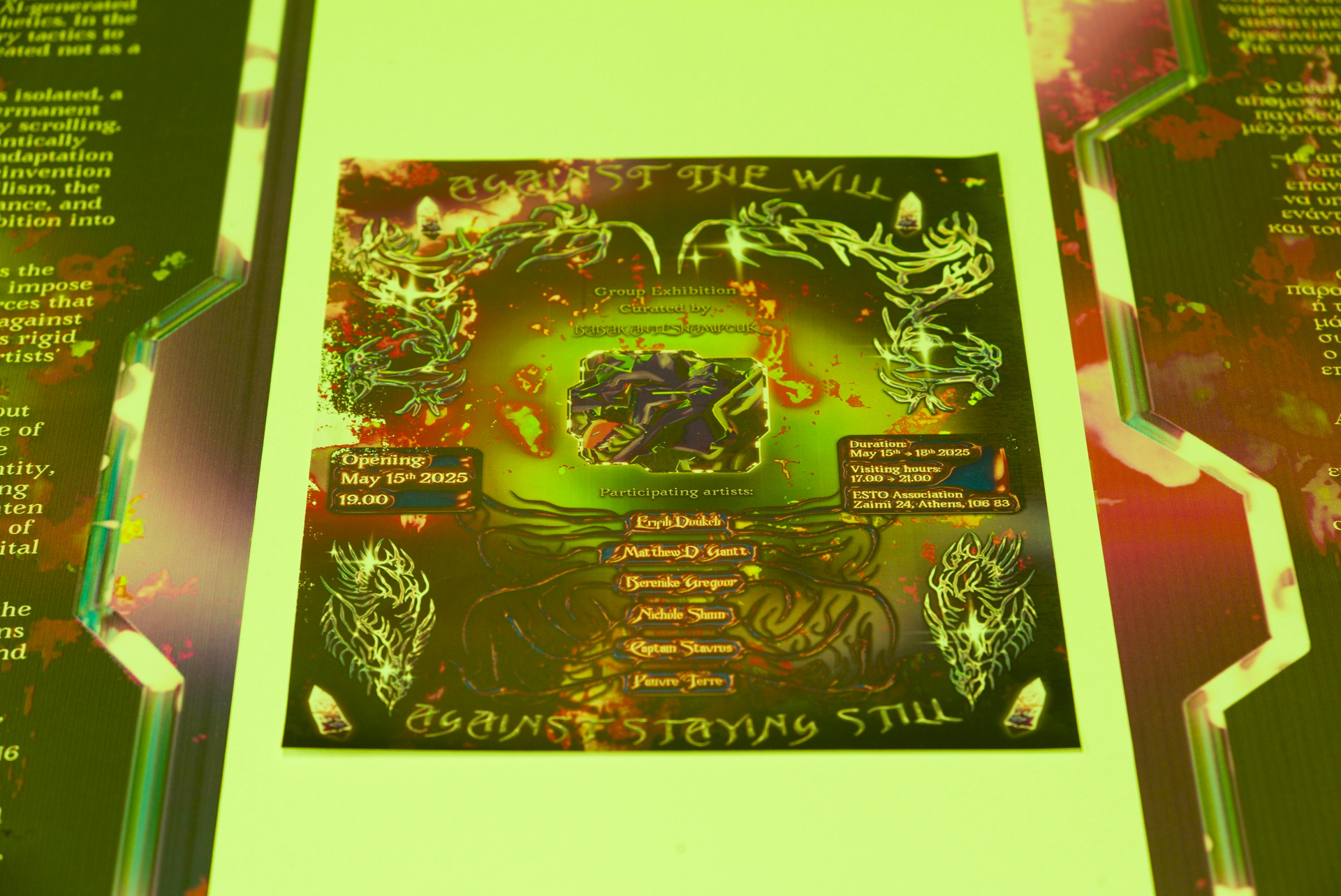
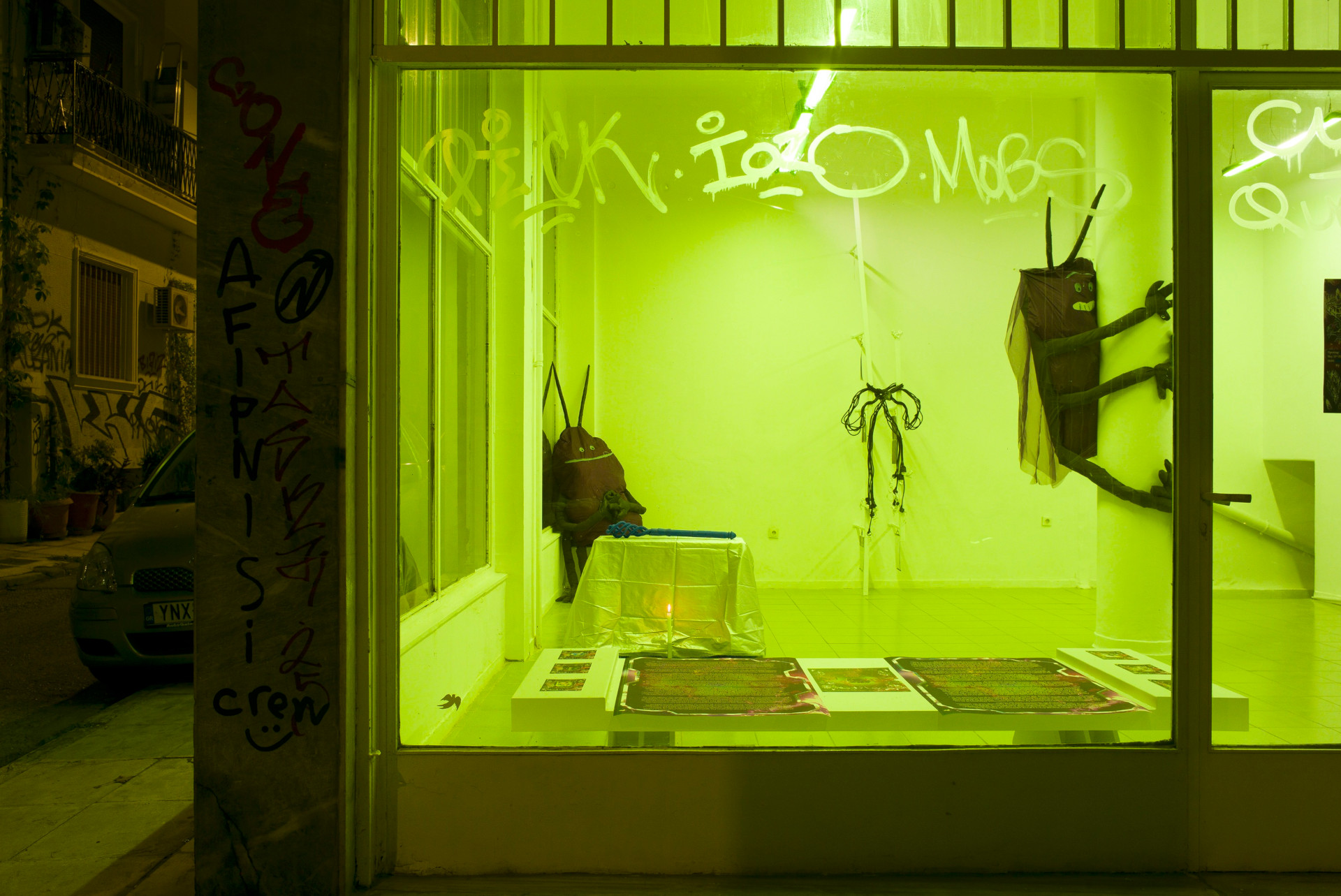
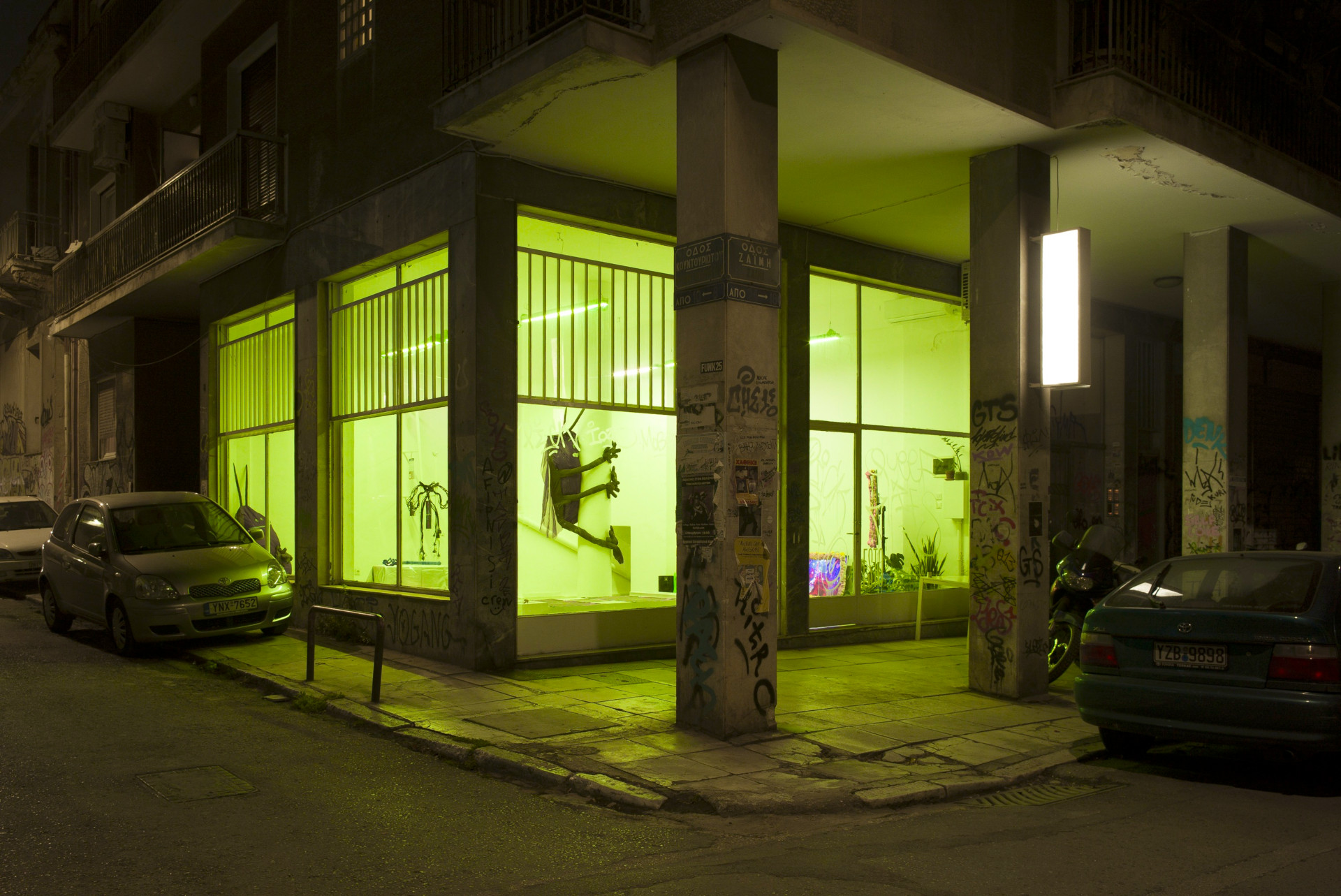
"Against the Will, Against Staying Still" is a group exhibition curated by Babak Ahteshamipour that examines immediacy as both a creative tool and a survival strategy in response to an ever-changing, crisis-spawning present. Equipped with unique fictional weapons, the artists Erifili Doukeli (in collaboration with Jimo Kalogeris), Matthew D. Gantt, Berenike Gregoor, Nichole Shinn, Captain Stavros, and Pauvre Terre, shaped their creative process into one of rapid decision-making, communication, and upcycling, with the intention of battling the exhibition's boss: the curator. This initiative reflects on real life’s demand for urgent and continuous adaptation in an era where “crises drive the endless optimization of capture systems”[1], speedrunning has become the basic operating system, and meaning, truth, and imagery are replaced by AI-generated content, conspiracy theories, deepfakes, echo chambers and hyper-curated aesthetics. In the face of this uncanny reality, hacks, mods, and glitches are explored as necessary tactics to navigate through collapsing systems and to overcome constraints; urgency is treated not as a trap, but rather as an opening. Geert Lovink writes “The perpetual now can no longer be captured and leaves us isolated, a scattered set of online subjects. What happens when the soul is caught in the permanent present? Is this what Franco Berardi calls the “slow cancellation of the future”? By scrolling, swiping and flipping, we hungry ghosts try to fill the existential emptiness, frantically searching for a determining sign—and failing.”[2] This constant demand for rapid adaptation creates a paradox where urgency is necessary but leads to burnout, consecutive reinvention of identity and in due course, escapist nihilism. But instead of succumbing to nihilism, the exhibition proposes a weaponization of urgency against authoritarianism, surveillance, and hyper-capitalism through improvisation and disruptive play, transforming the exhibition into a template for creative resistance to unfold. Esto Association’s space, deliberately clinical, white, minimal, and austere, echoes the disciplinary spaces described by Michel Foucault, such as hospitals or schools, which impose structure, order, and regulation on bodies[3], and signifies the artists’ battle against forces that seek to regulate space-time, behavior, and movement. This battle is further explored against the curator who also represents an oppressive authority; a game master who enforces rigid structures of power and meaning in order to control the speed and rhythm of the artists’ process and thinking. This approach ponders on Byung-Chul Han’s critique of self-optimization: “[...] burnout represents the pathological consequence of voluntary self-exploitation. The imperative of expansion, transformation, and self-reinvention—of which depression is the flipside—presumes an array of products tied to identity. The more often one changes one’s identity, the more production is dynamized. Industrial disciplinary society relied on unchanging identity, whereas postindustrial achievement society requires a flexible person to heighten production.”[4] Within hyper-capitalism even resistance risks being absorbed into cycles of consumption and spectacle; as Nick Dyer-Witheford and Greig de Peuter underline, “capital gets some of its best ideas from the resistance it provokes”[5]. The challenge, then, is to subdue gamified mechanisms of control while still engaging in the game itself—to weaponize play rather than be played. Here, immediacy is not only a means of adaptation but a potential subversion of chronopolitical control. Can immediacy, play, and glitch become methods of resistance? If so, how do we turn the game to our advantage? [1] Wendy Hui Kyong Chun, Updating to Remain the Same: Habitual New Media, 2016, The MIT Press, Massachusetts Institute of Technology, Cambridge, Massachusetts, U.K., p. 69 [2] Geert Lovink, Sad by Design: On Platform Nihilism, 2019, Pluto Press, 345 Archway Road, London N6 5AA, U.K., p. 51 [3] “The great book of Man-the-Machine was written simultaneously on two registers: the anatomico-metaphysical register, of which Descartes wrote the first pages and which the physicians and philosophers continued, and the technico-political register, which was constituted by a whole set of regulations and by empirical and calculated methods relating to the army, the school and the hospital, for controlling or correcting the operations of the body. These two registers are quite distinct, since it was a question, on the one hand, of submission and use and, on the other, of functioning and explanation: there was a useful body and an intelligible body.”, Michel Foucault, Discipline and Punish: The Birth of the Prison, second edition, 1995, Penguin Books Ltd., London, U.K., Translated by Alan Sheridan, 1977, p. 136 [4] Byung-Chul Han, The Burnout Society, 2015, Stanford University Press, California, U.S.A., p. 44 [5] Nick Dyer-Witheford and Greig de Peuter, Games of Empire: Global Capitalism and Video Games, 2009, University of Minnesota Press, Minneapolis, U.S.A., p.11.