• Botteghe Oscure
  • 16 May ― 27 Jun 2026
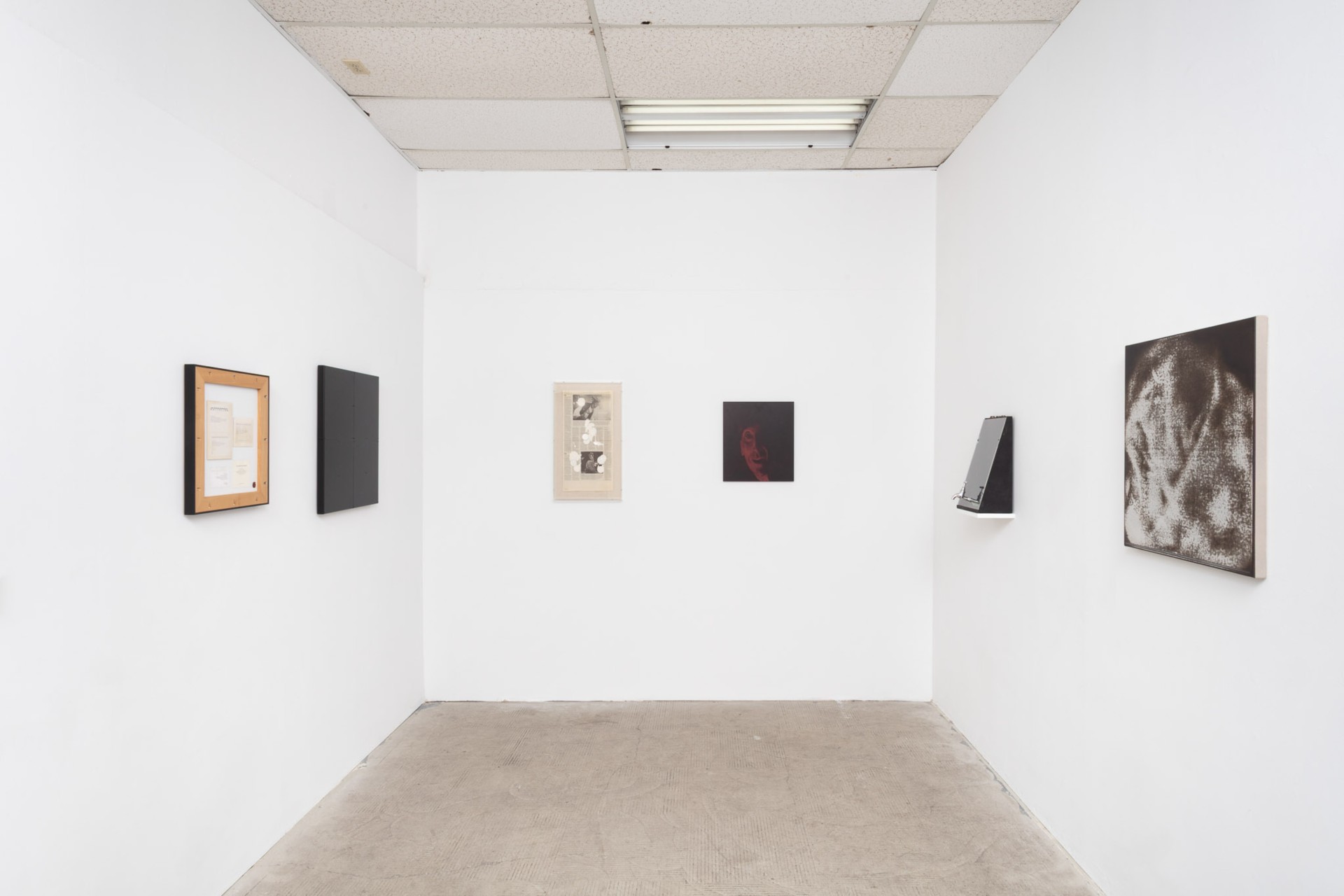
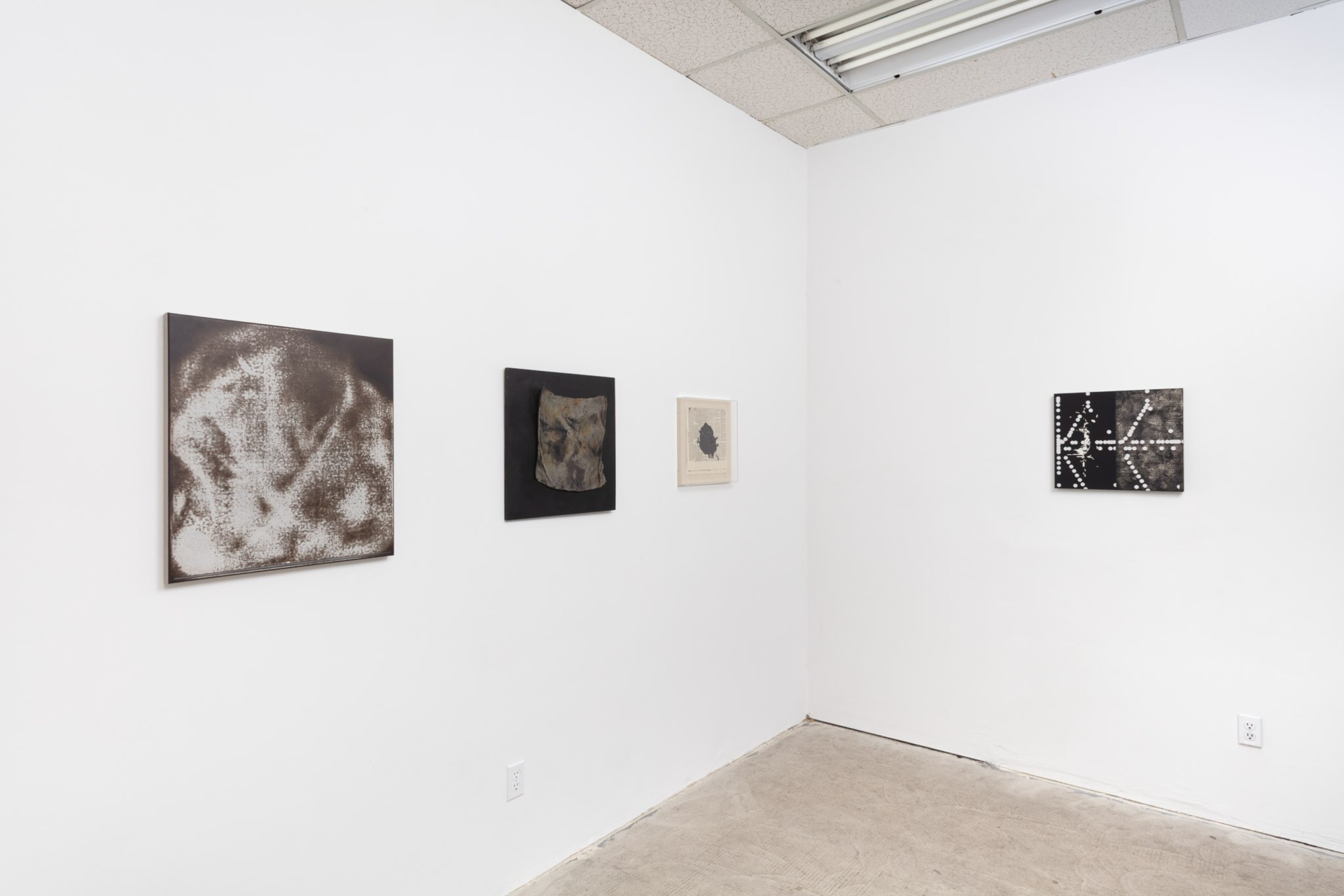
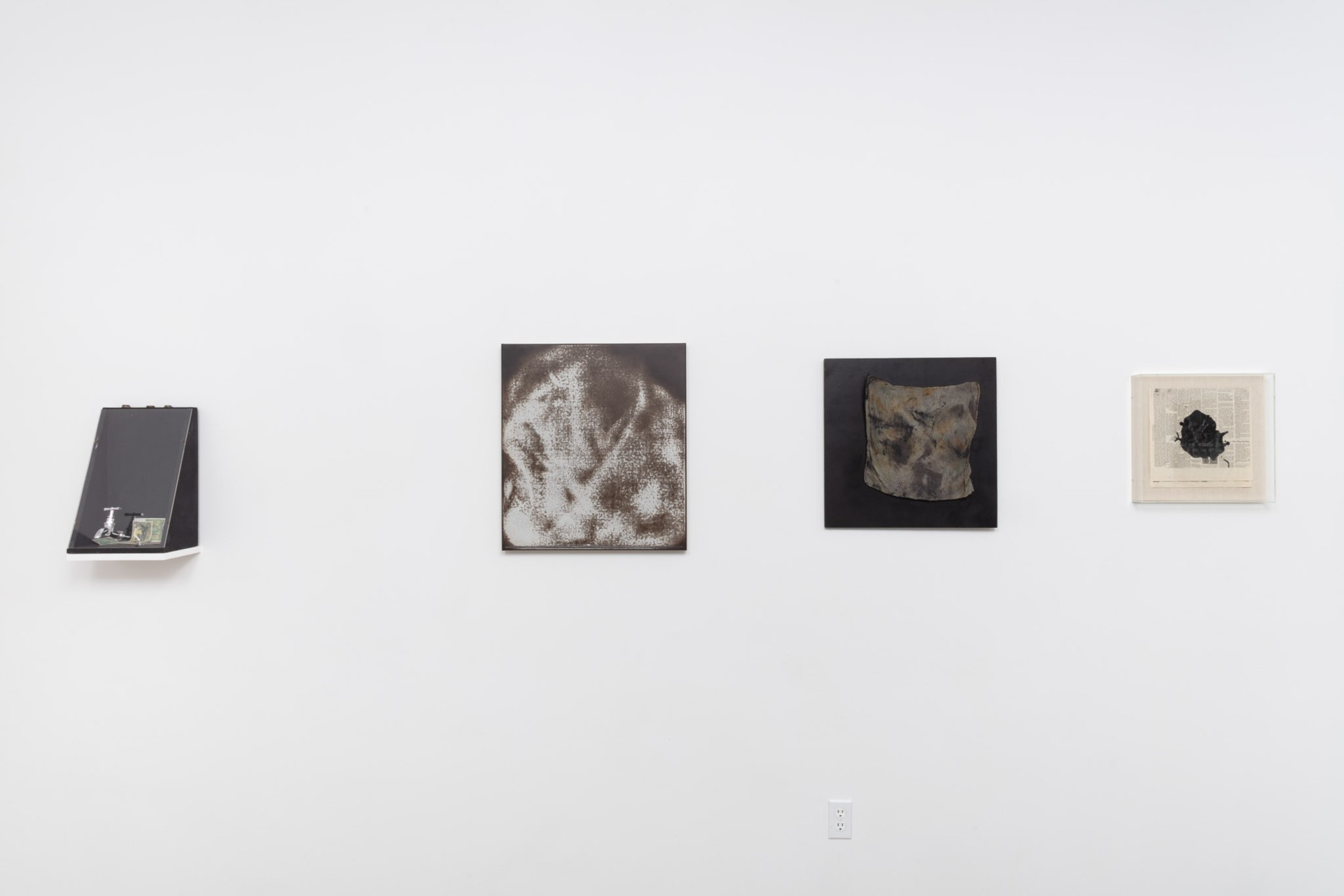
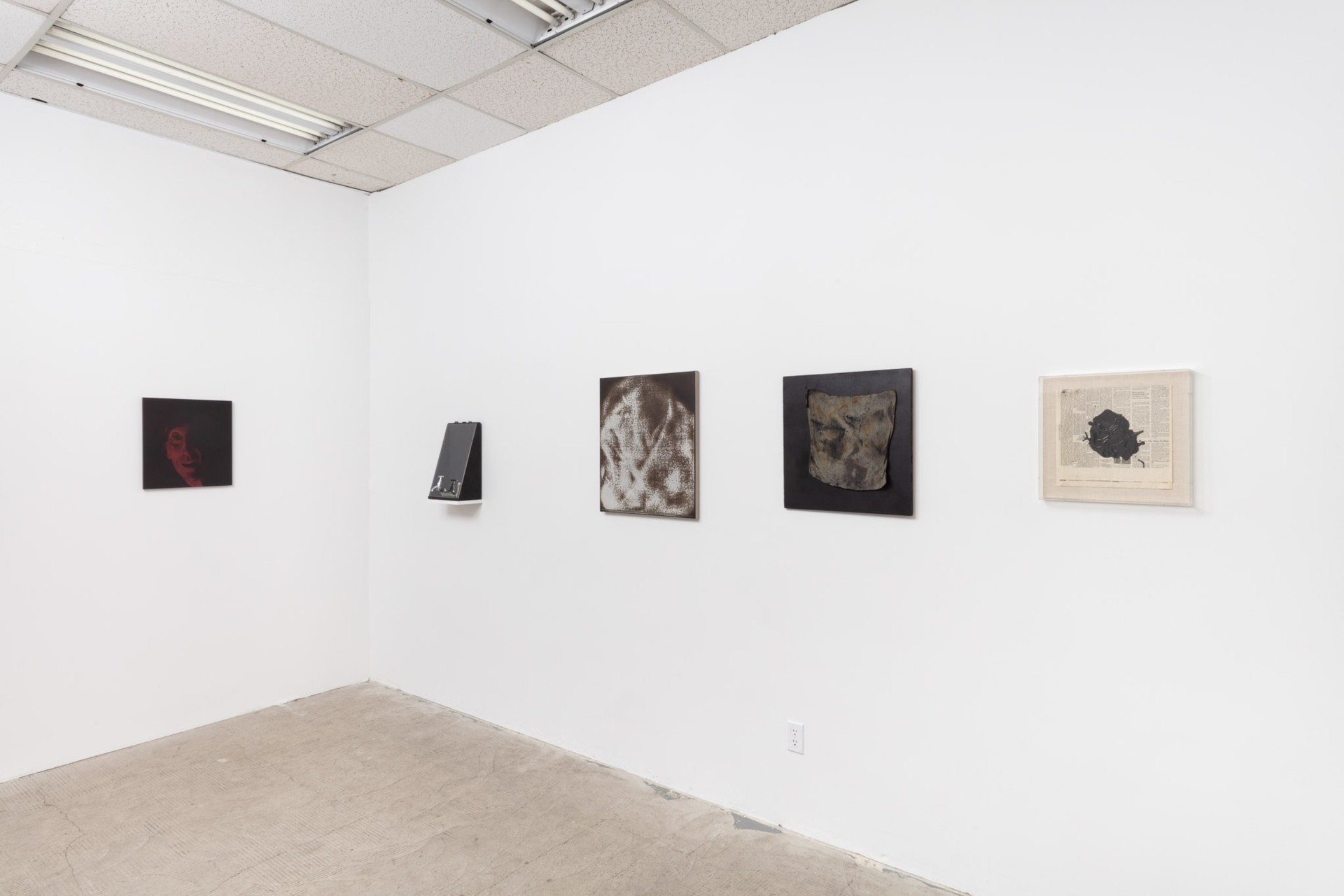
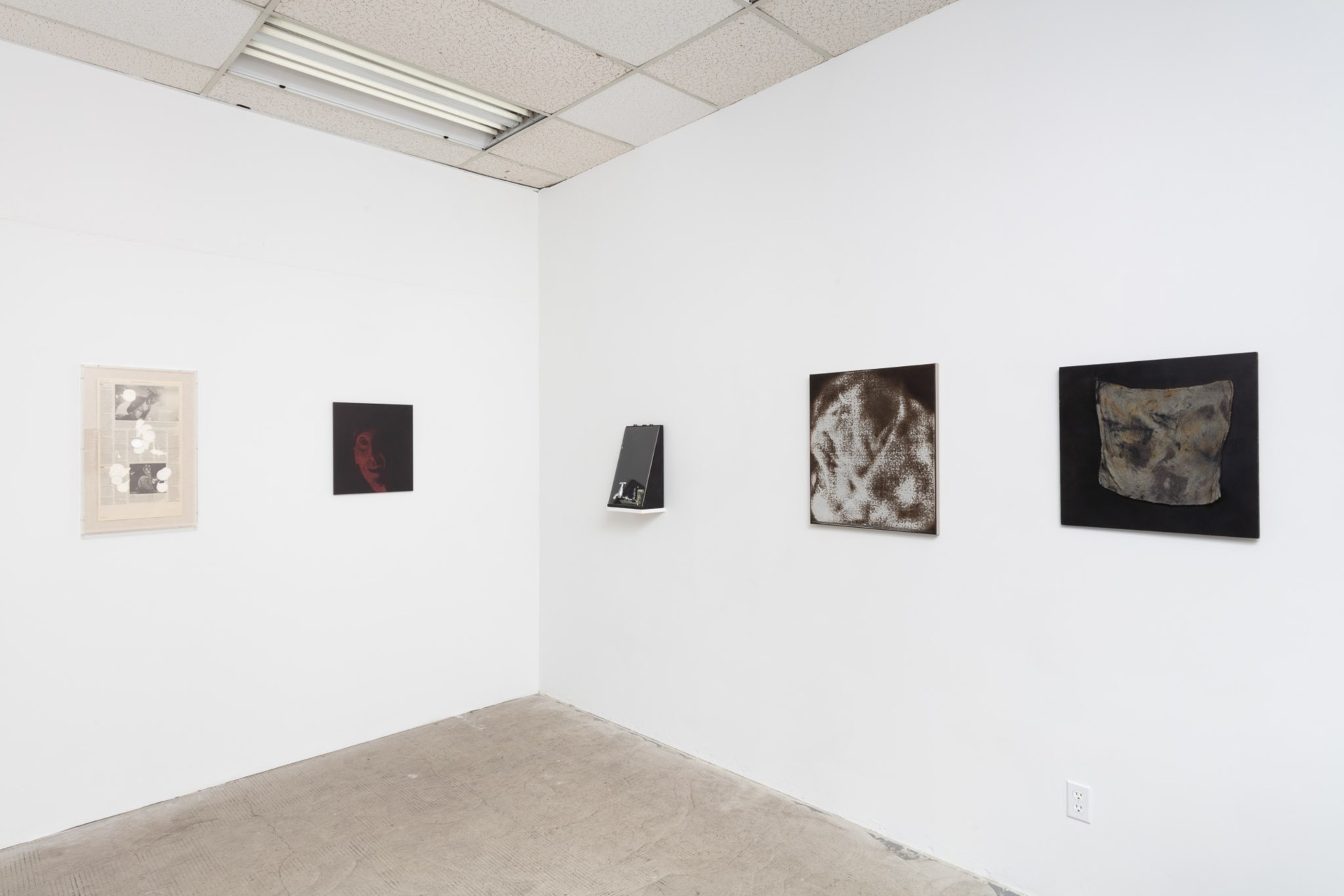
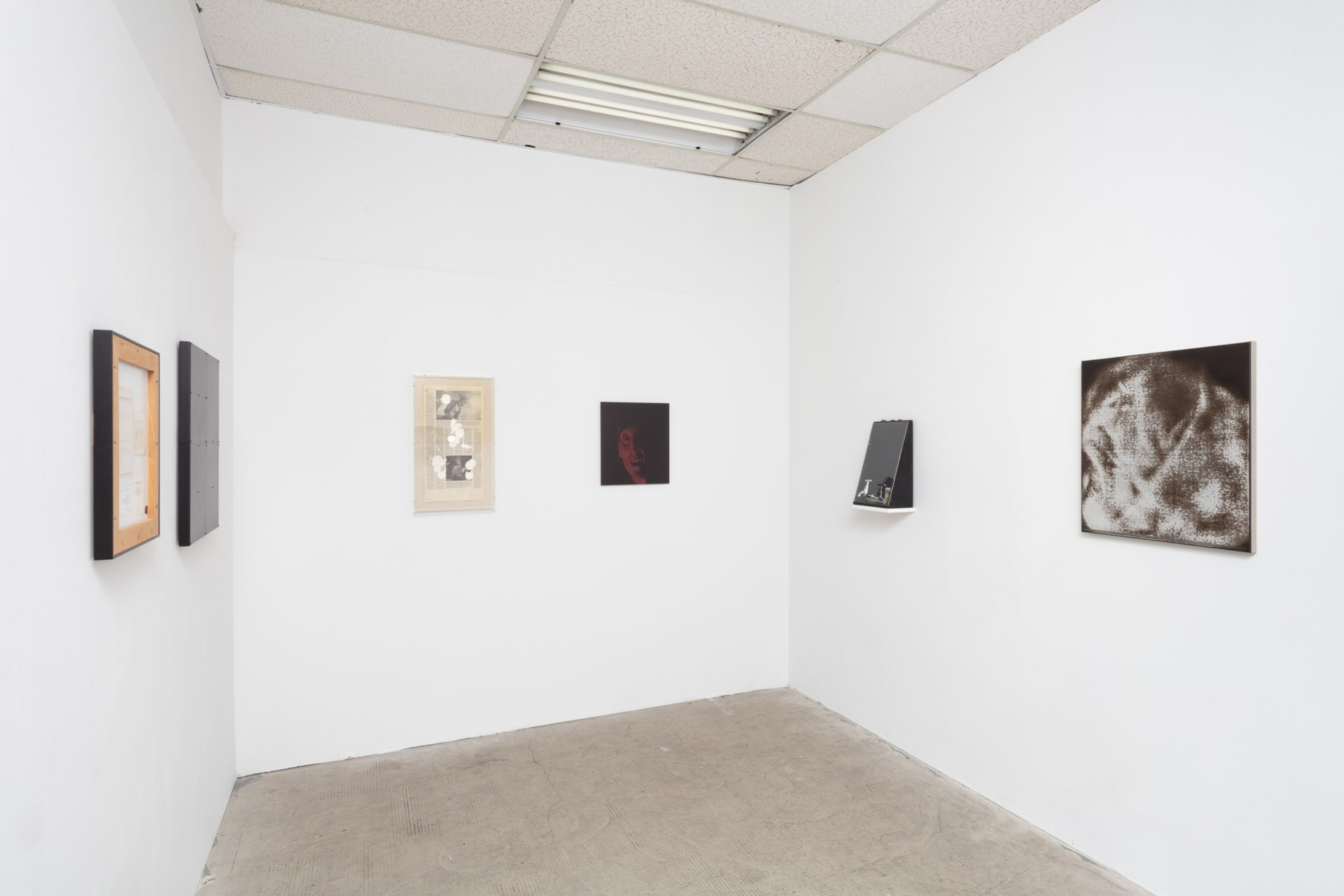
"Botteghe Oscure" (installation view)
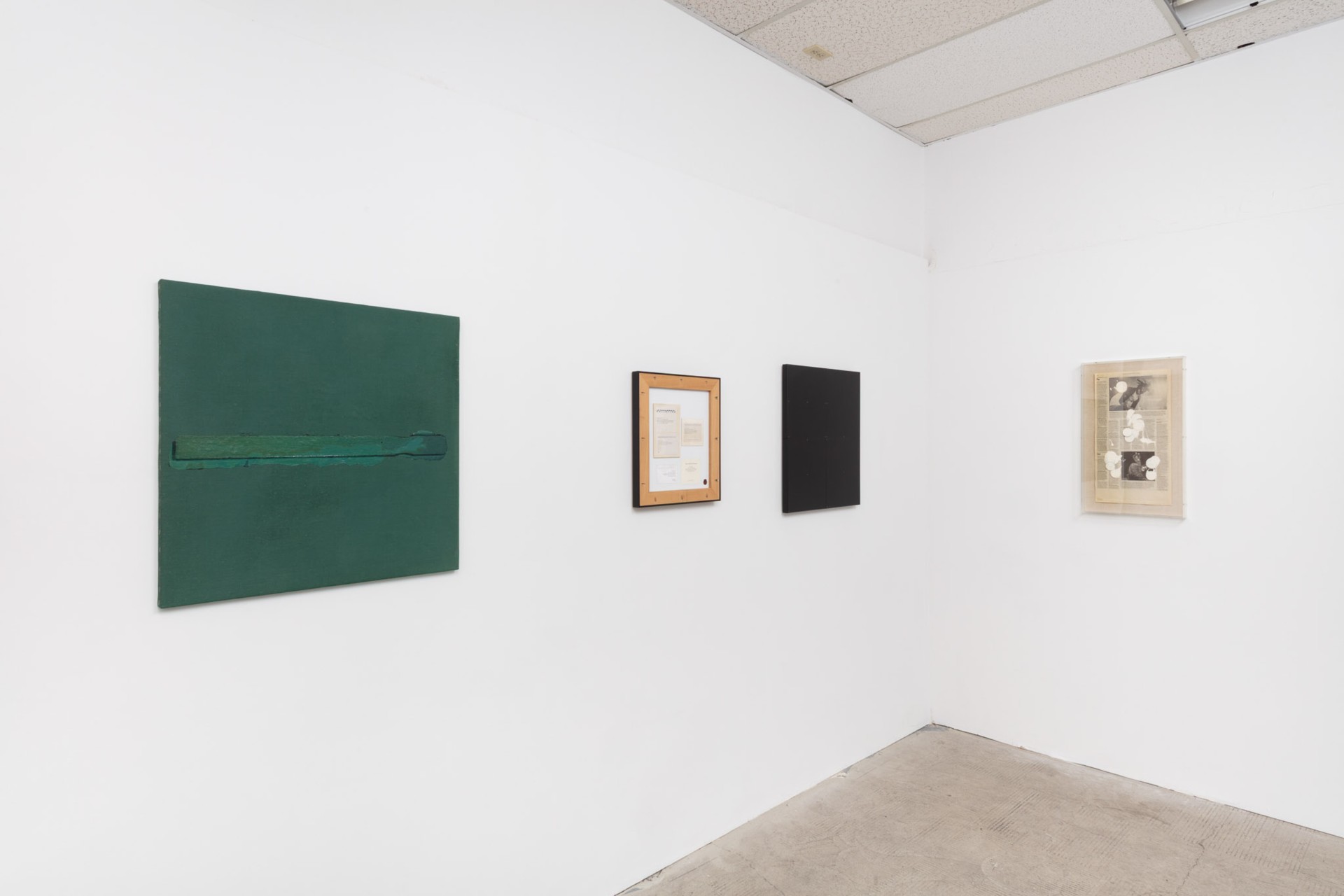
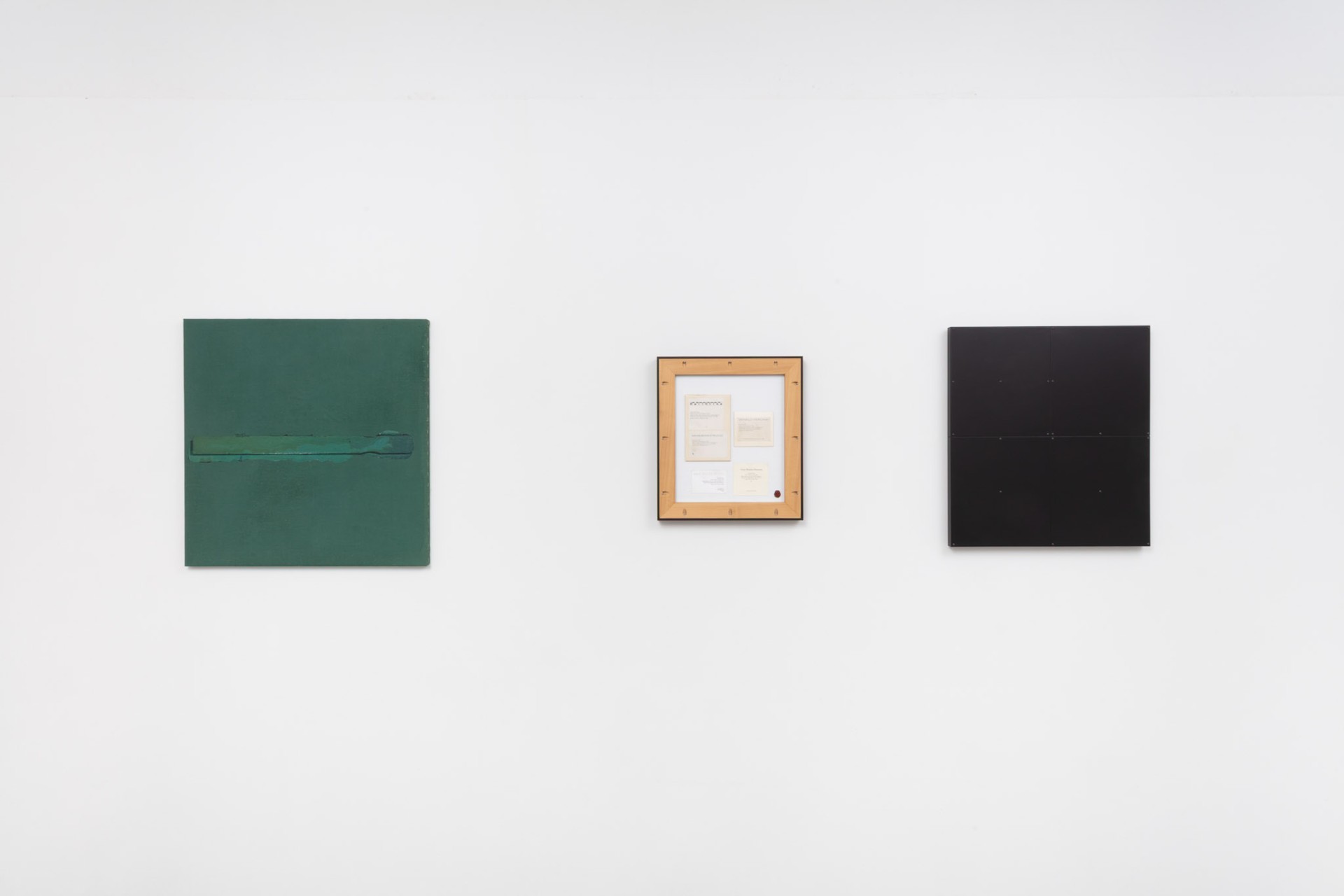
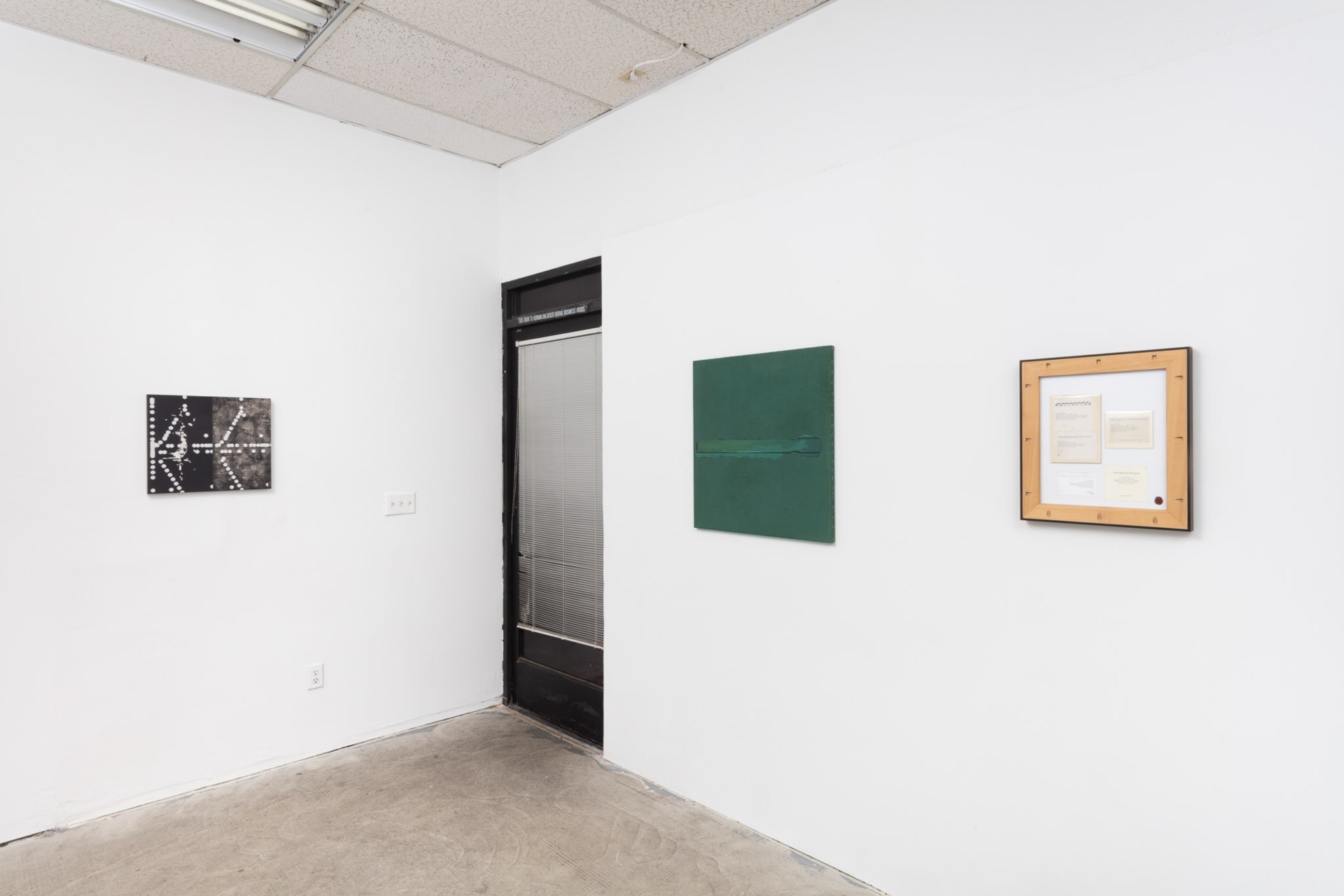
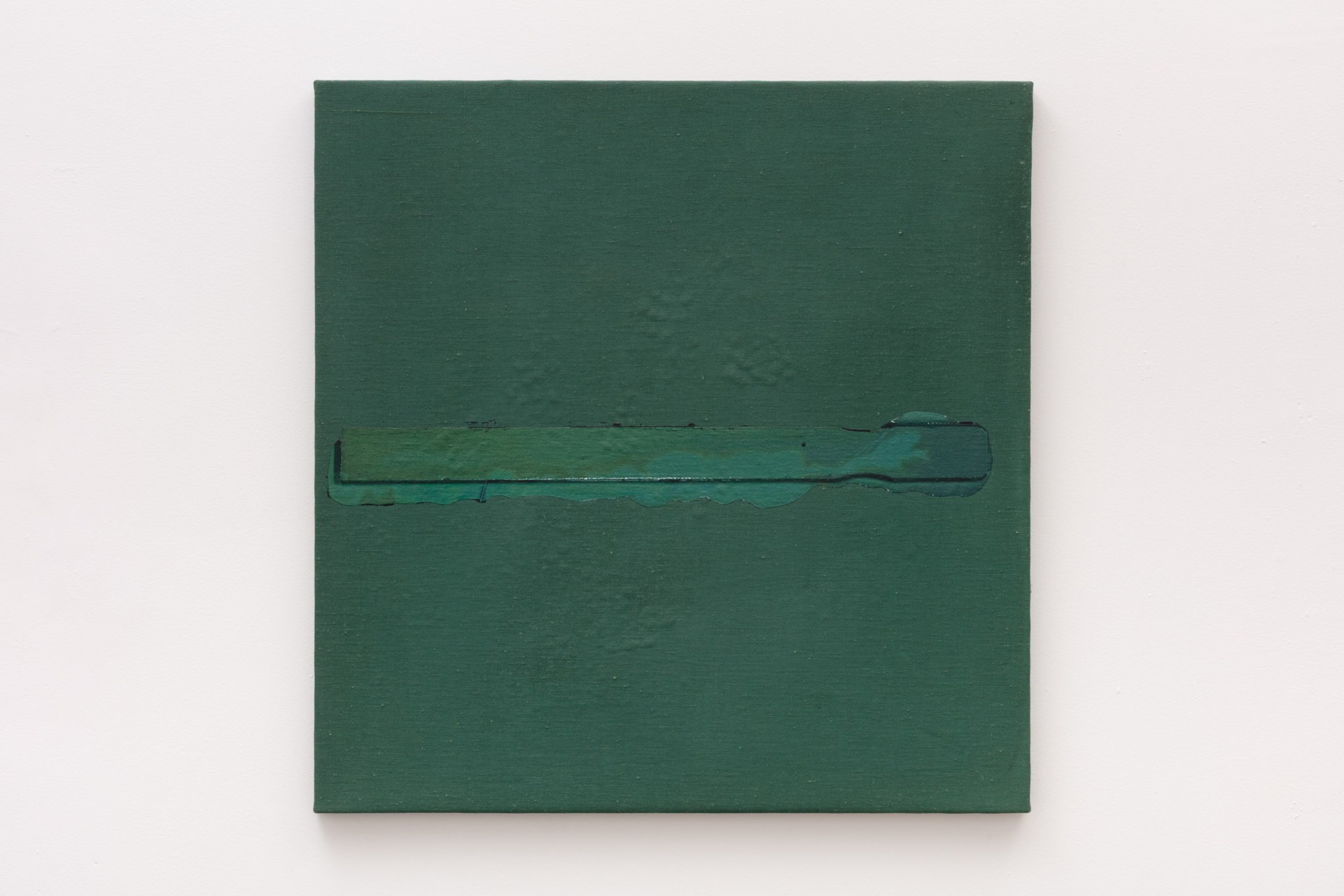
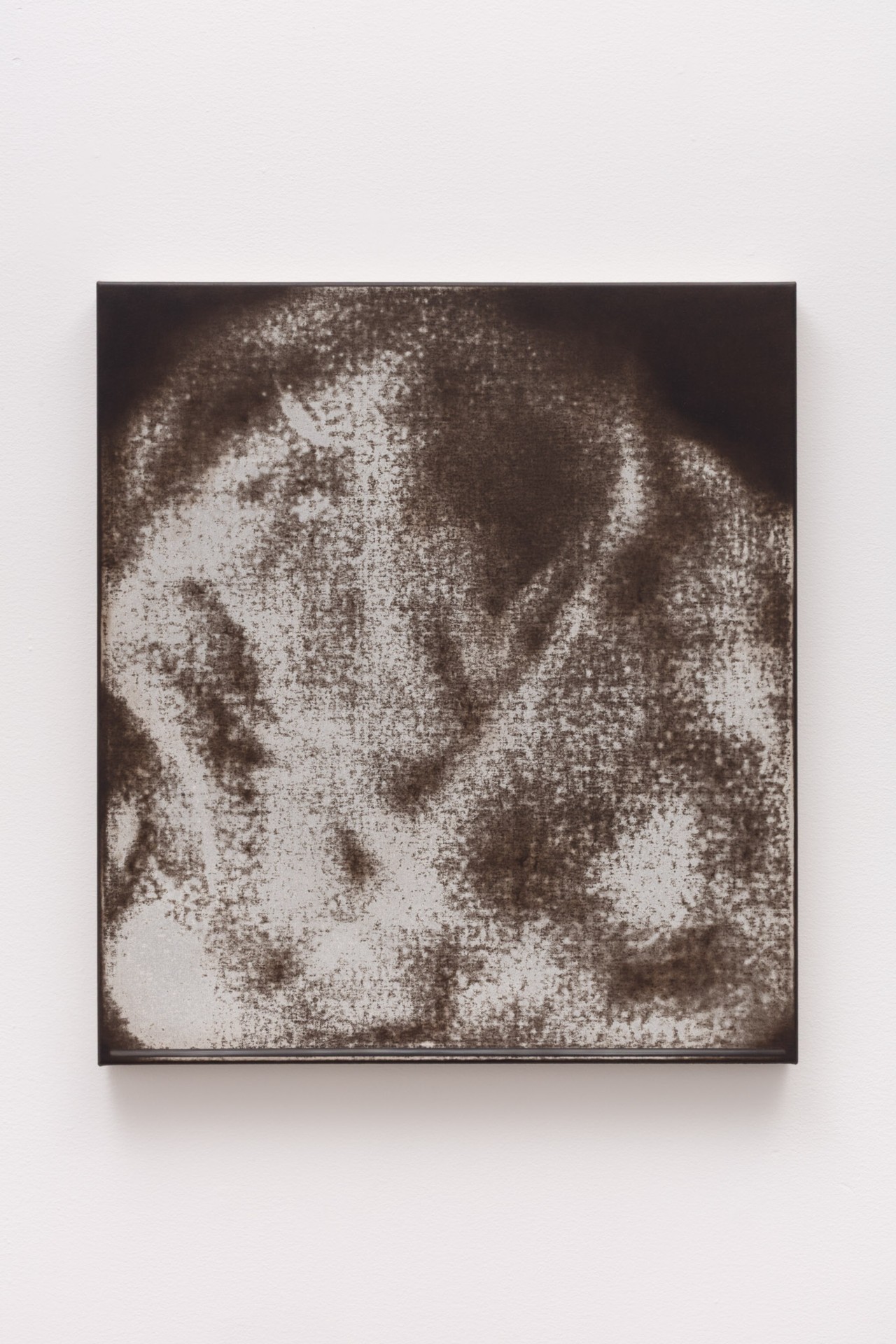
Paul Sietsema, "Green Line," Enamel on dyed found canvas, 26.5 x 27 inches, 2012
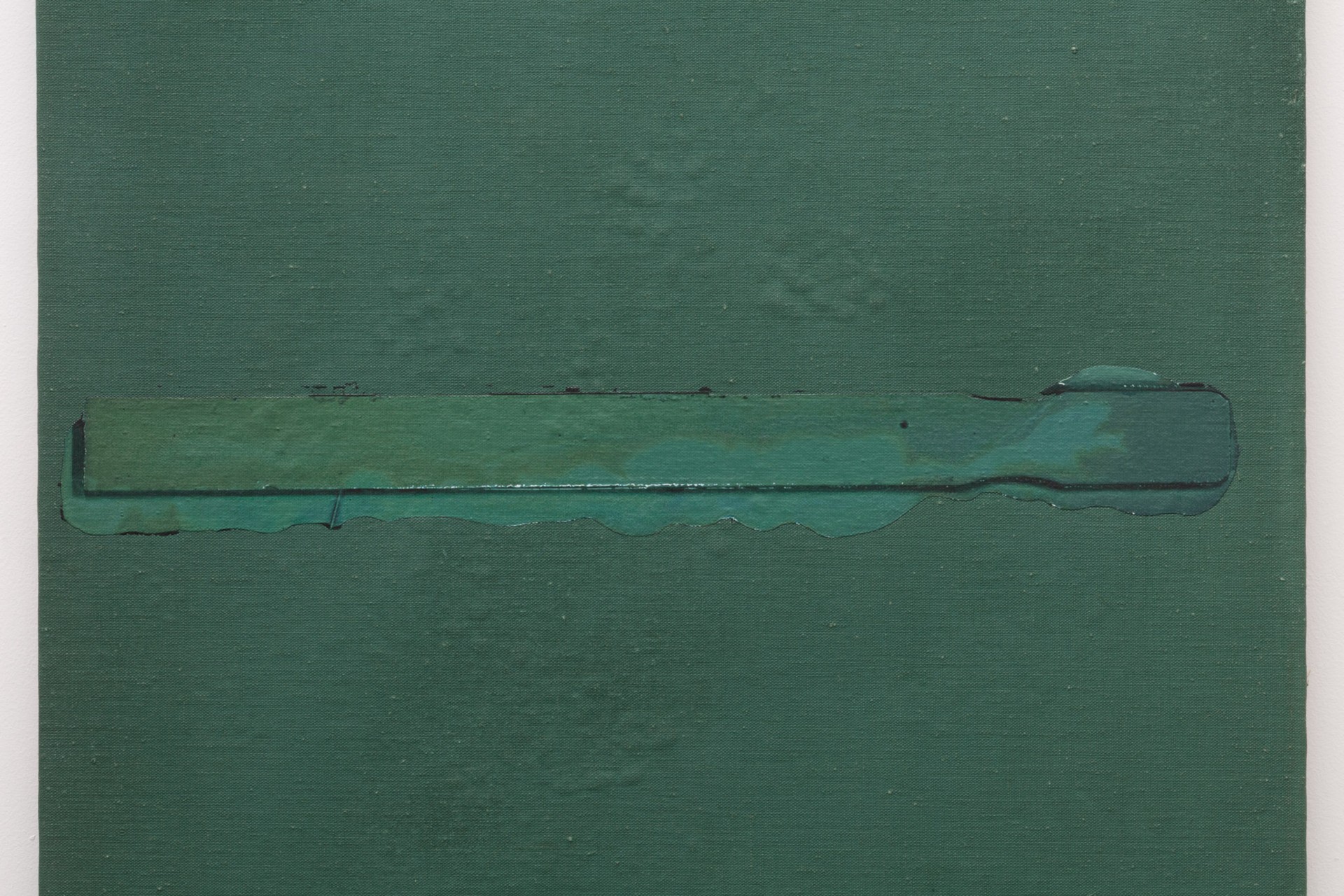
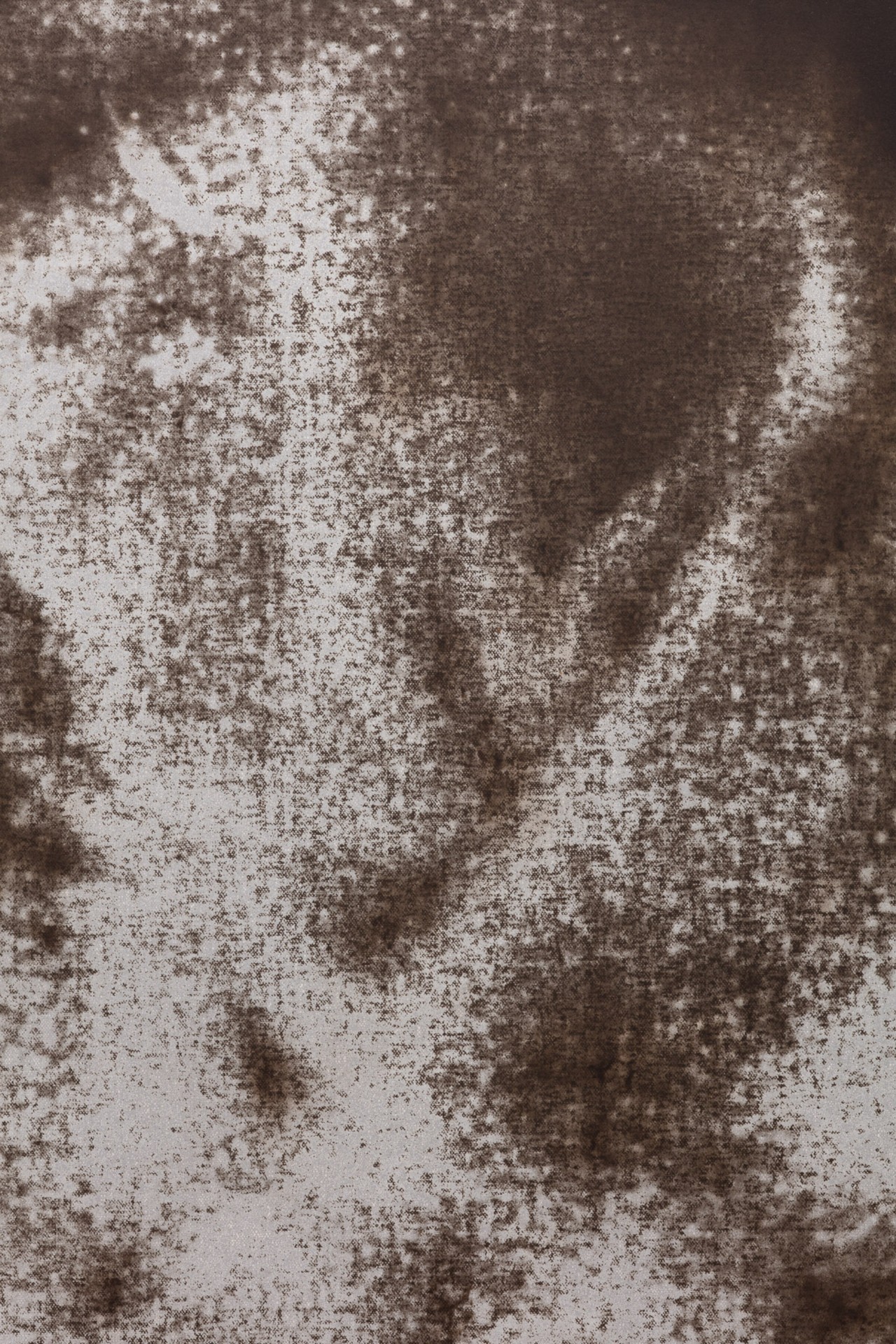
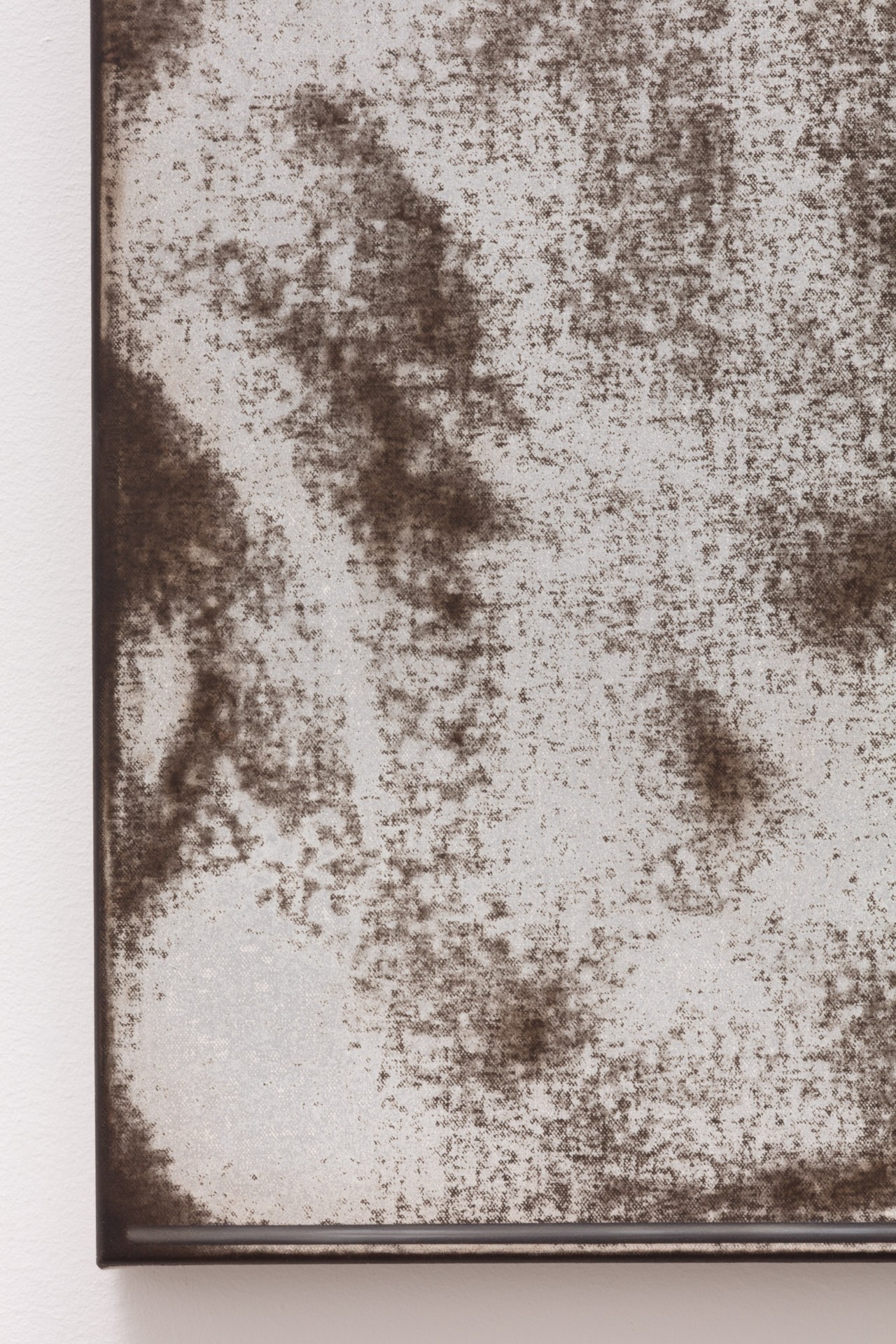
Paul Sietsema, "Green Line," Enamel on dyed found canvas, 26.5 x 27 inches, 2012 (detail)
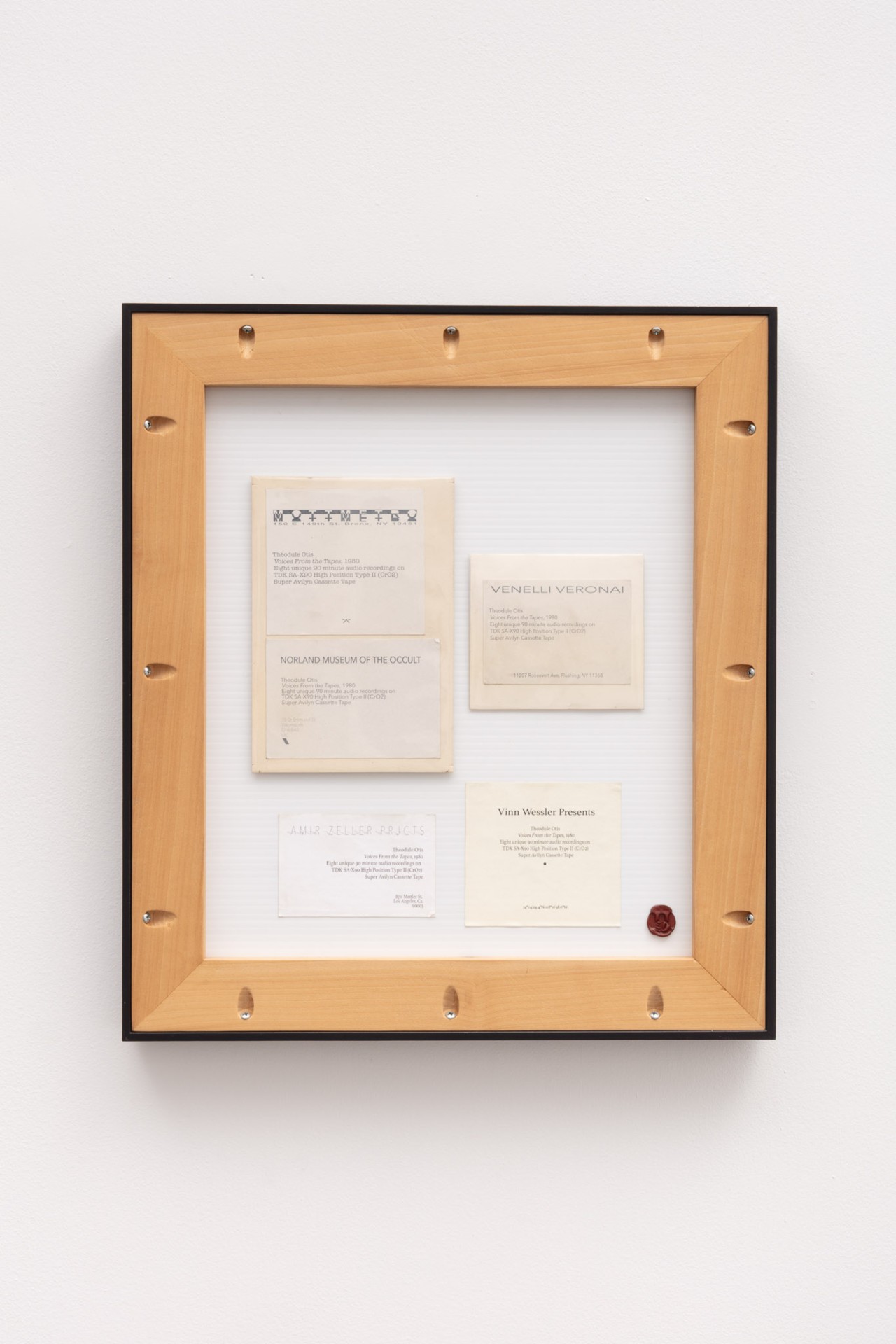
Andrew Chapman, "TSCOTO_06," Wood, acrylic, Coroplast, inkjet prints, hardware, and hot glue, 16 x 18, 2021
Andrew Chapman, "TSCOTO_06," Wood, acrylic, Coroplast, inkjet prints, hardware, and hot glue, 16 x 18, 2021 (detail)
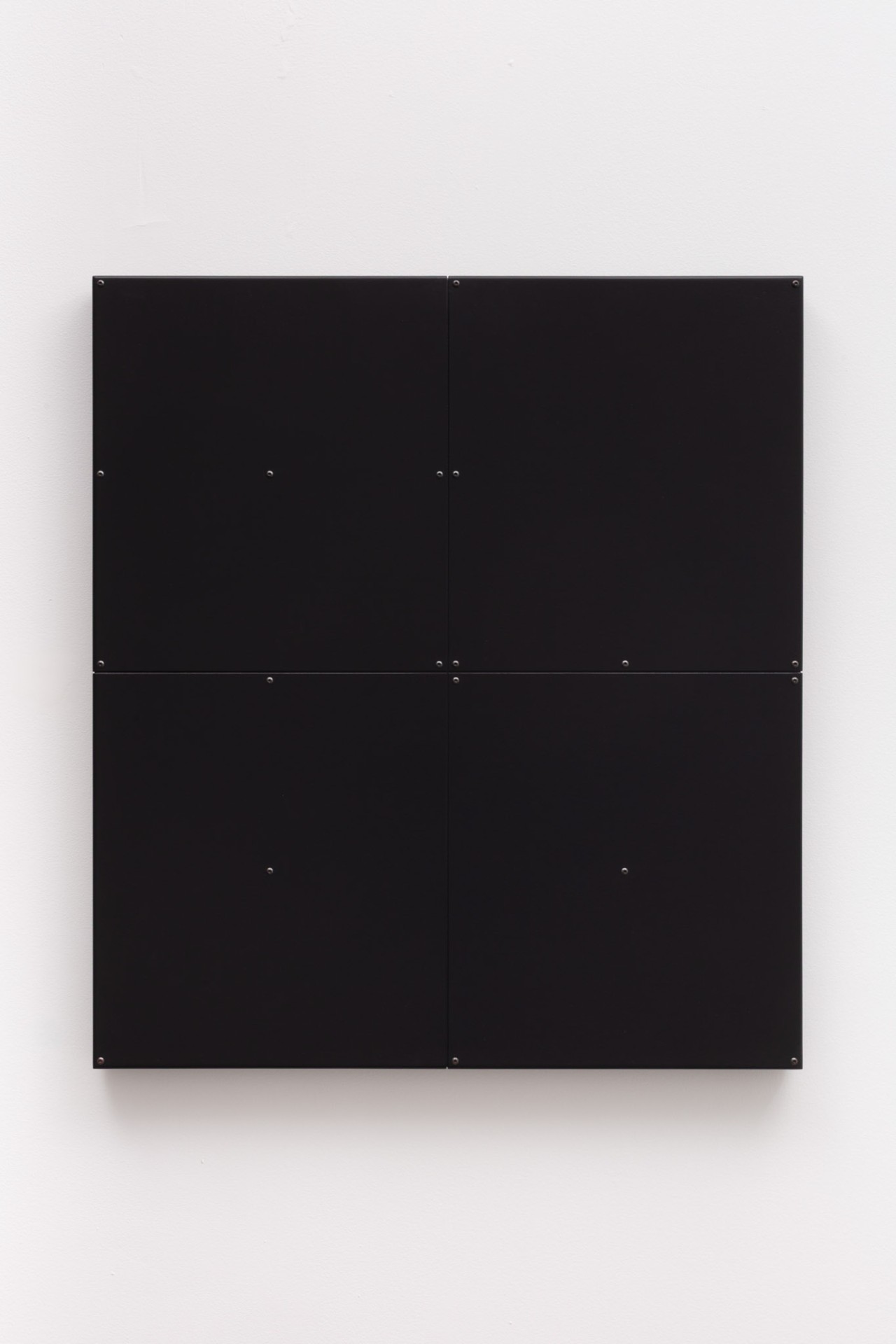
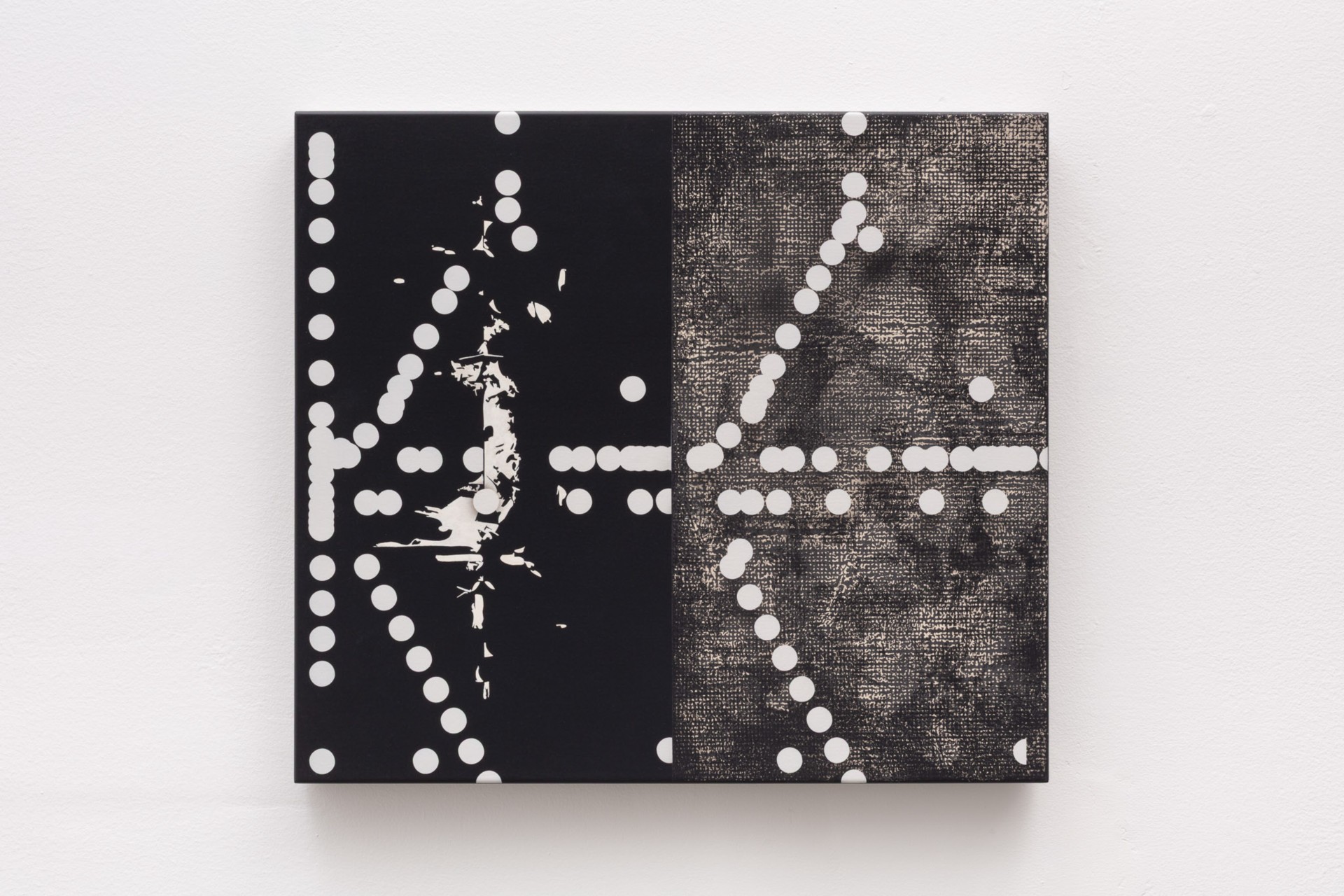
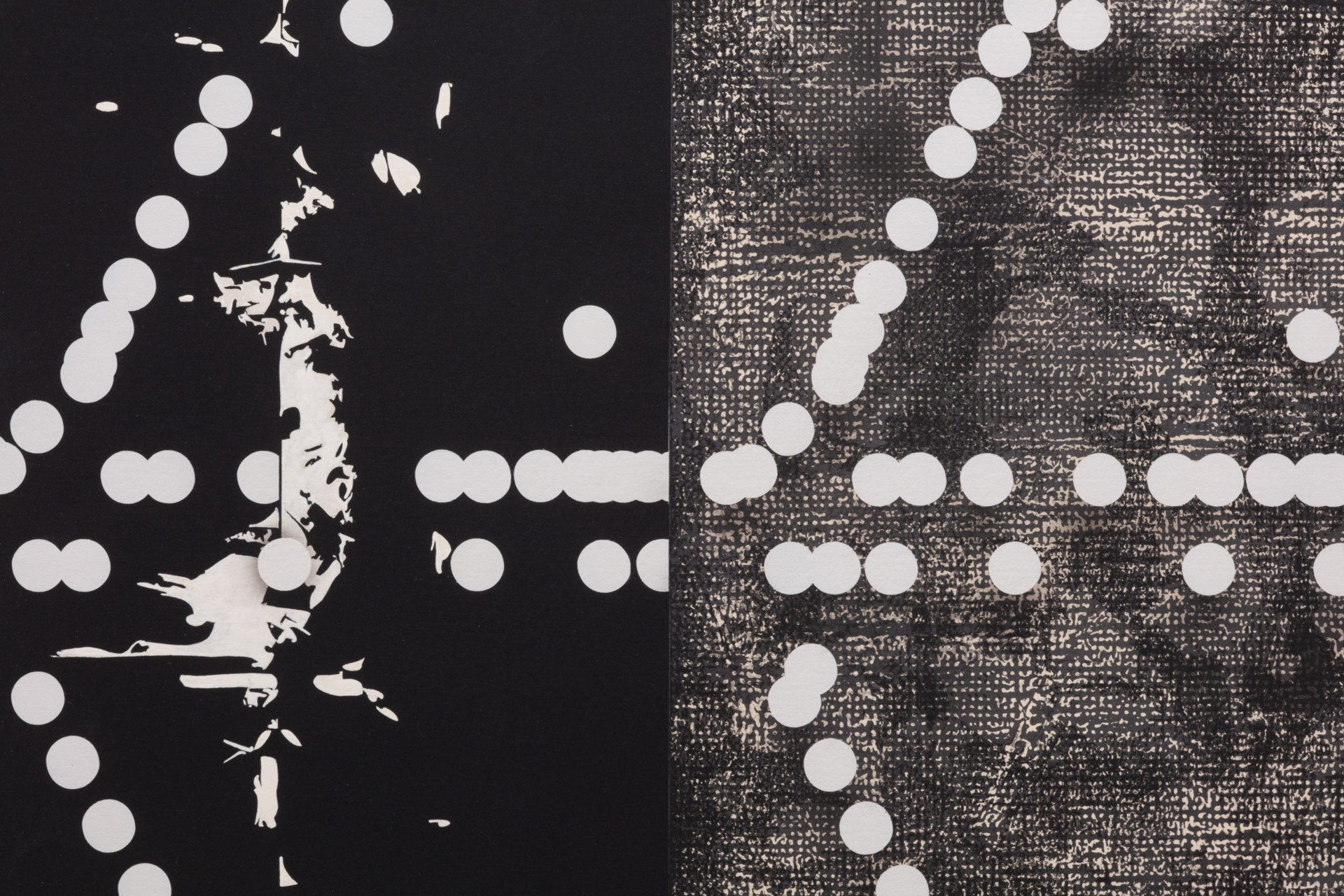
Andrew Chapman, "Quad Case (1)," Acrylic and hardware on panel, 21.5 x 24 inches, 2023
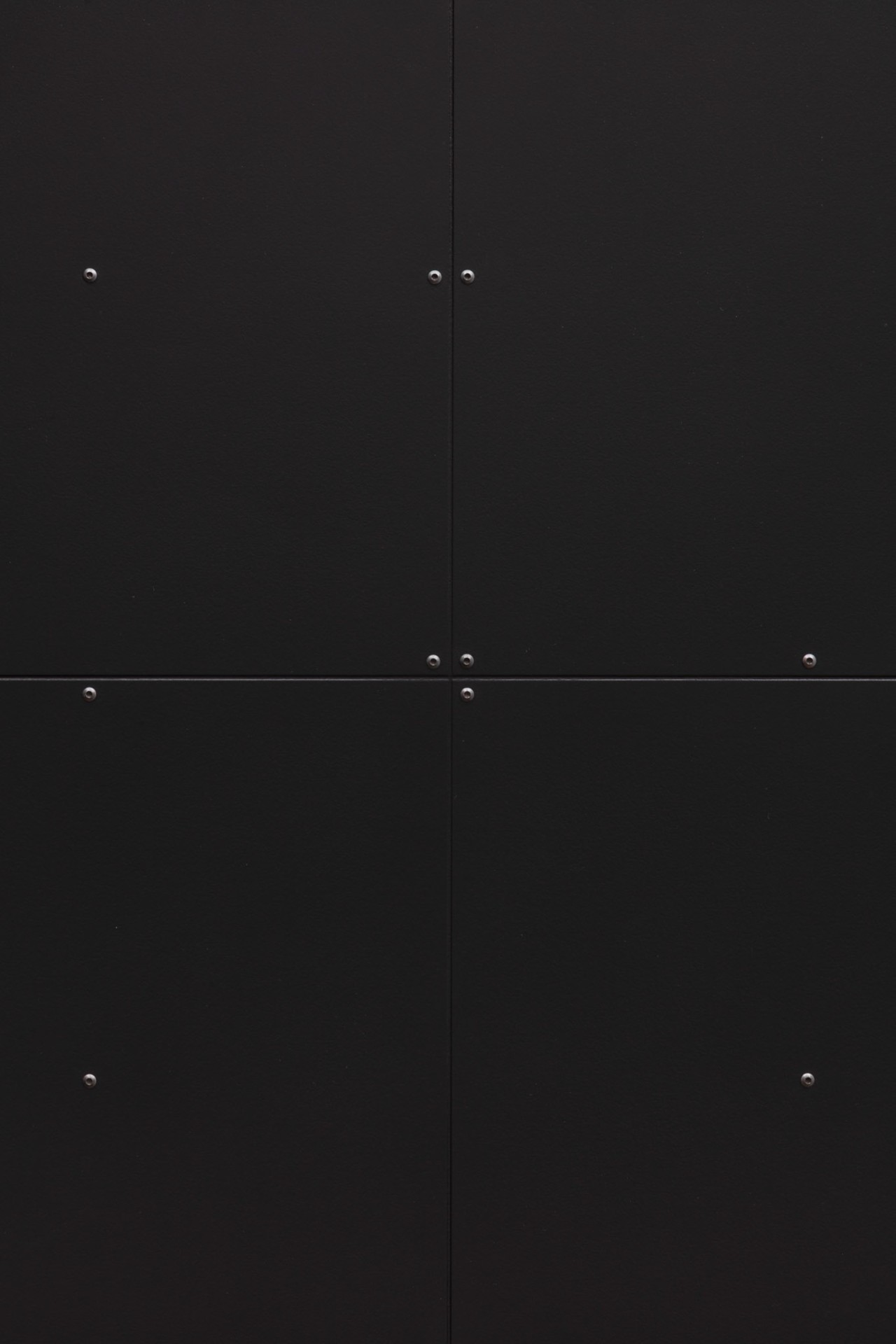
Andrew Chapman, "Quad Case (1)," Acrylic and hardware on panel, 21.5 x 24 inches, 2023 (detail)
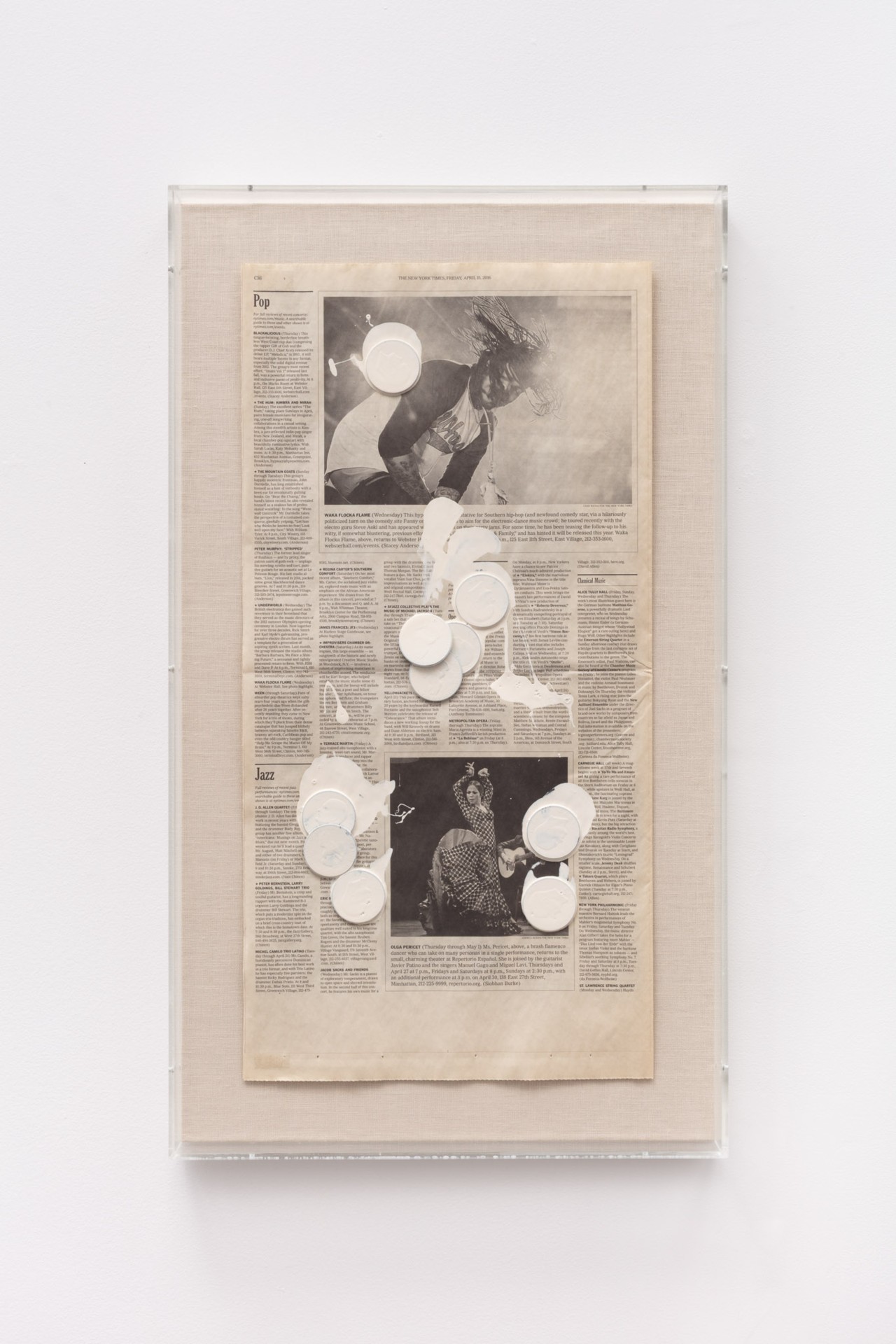
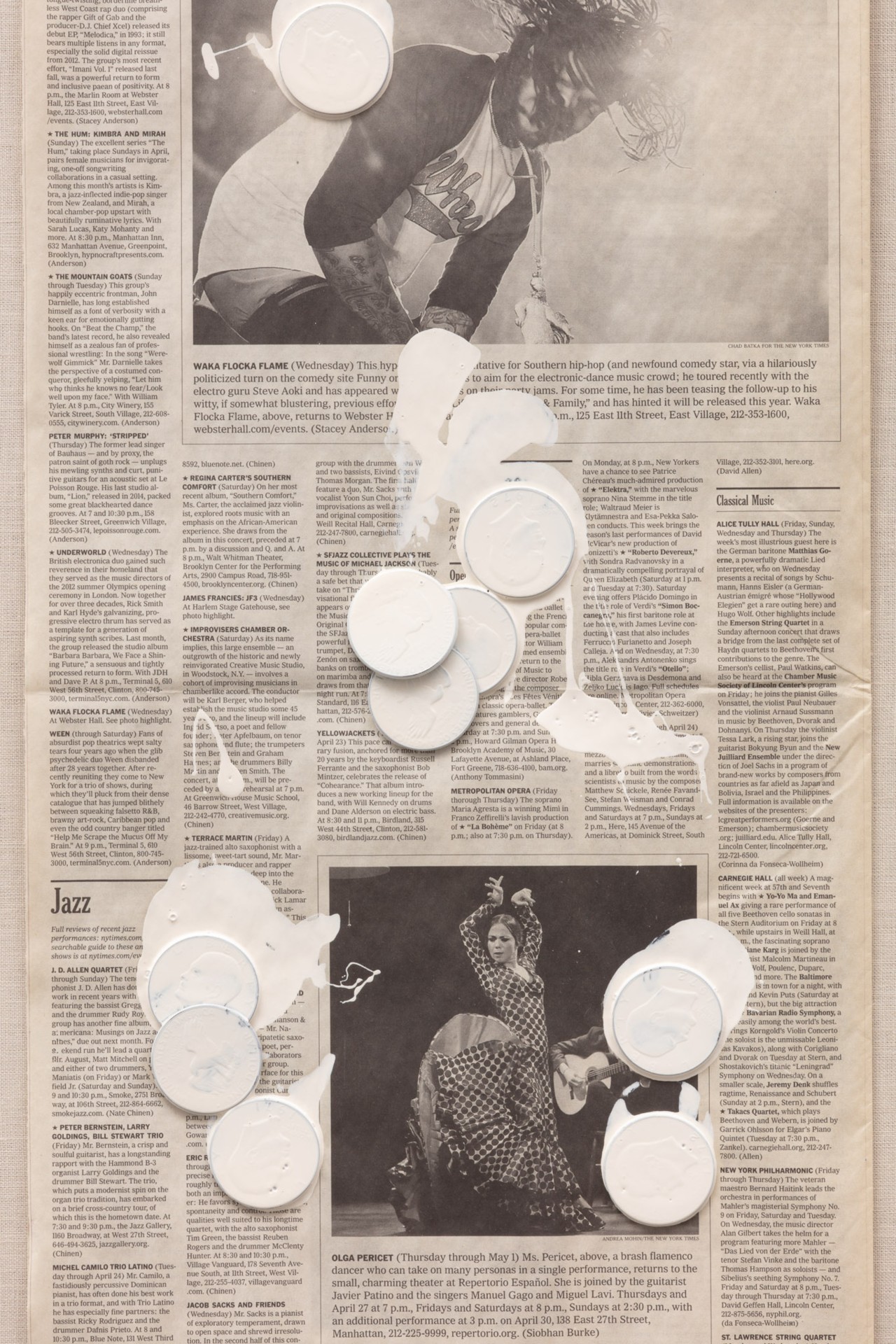
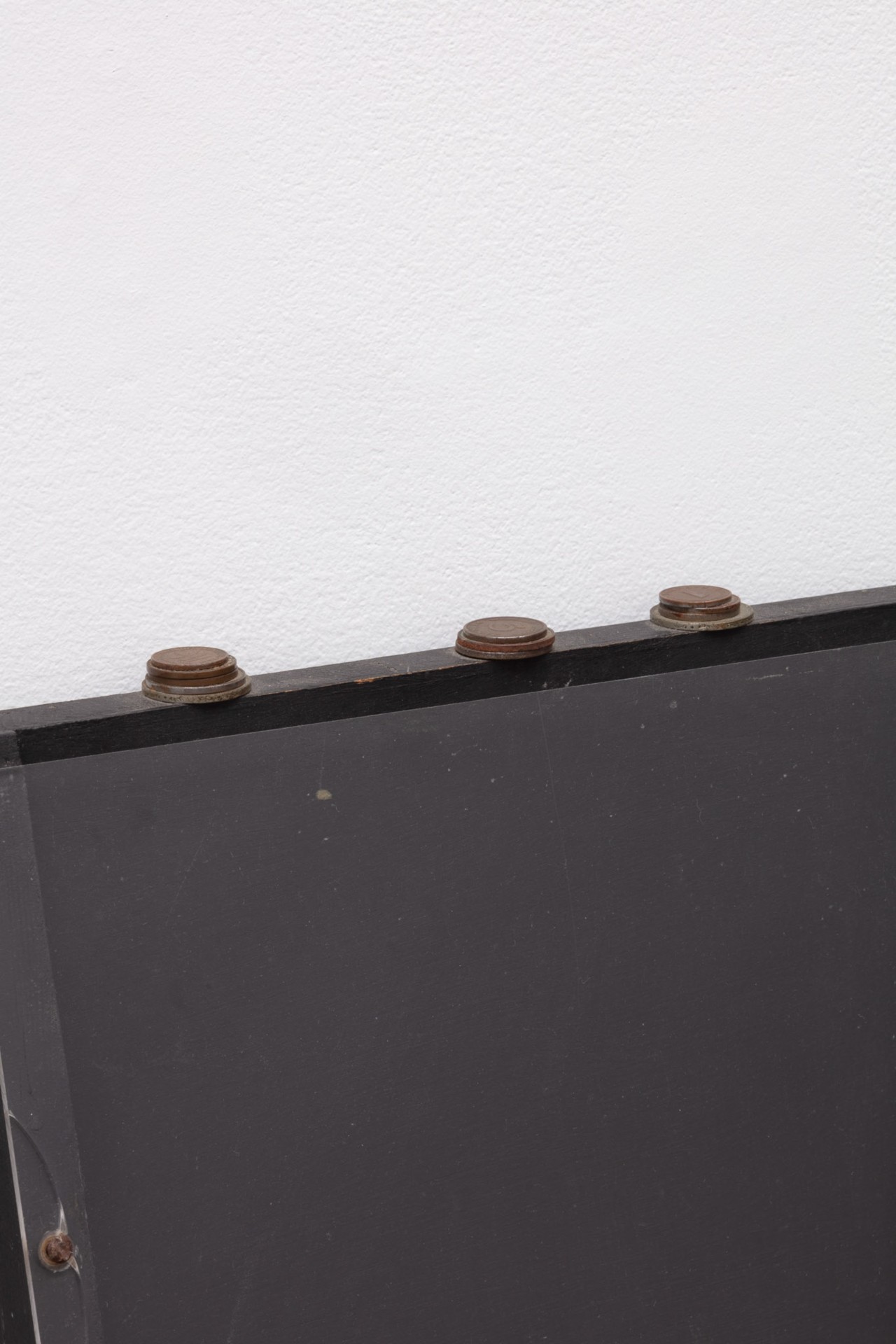
Paul Sietsema, "Action Painting (White Coins)," Coins and enamel on newspaper in artist’s frame, 15.25 inches x 26.5, 2017
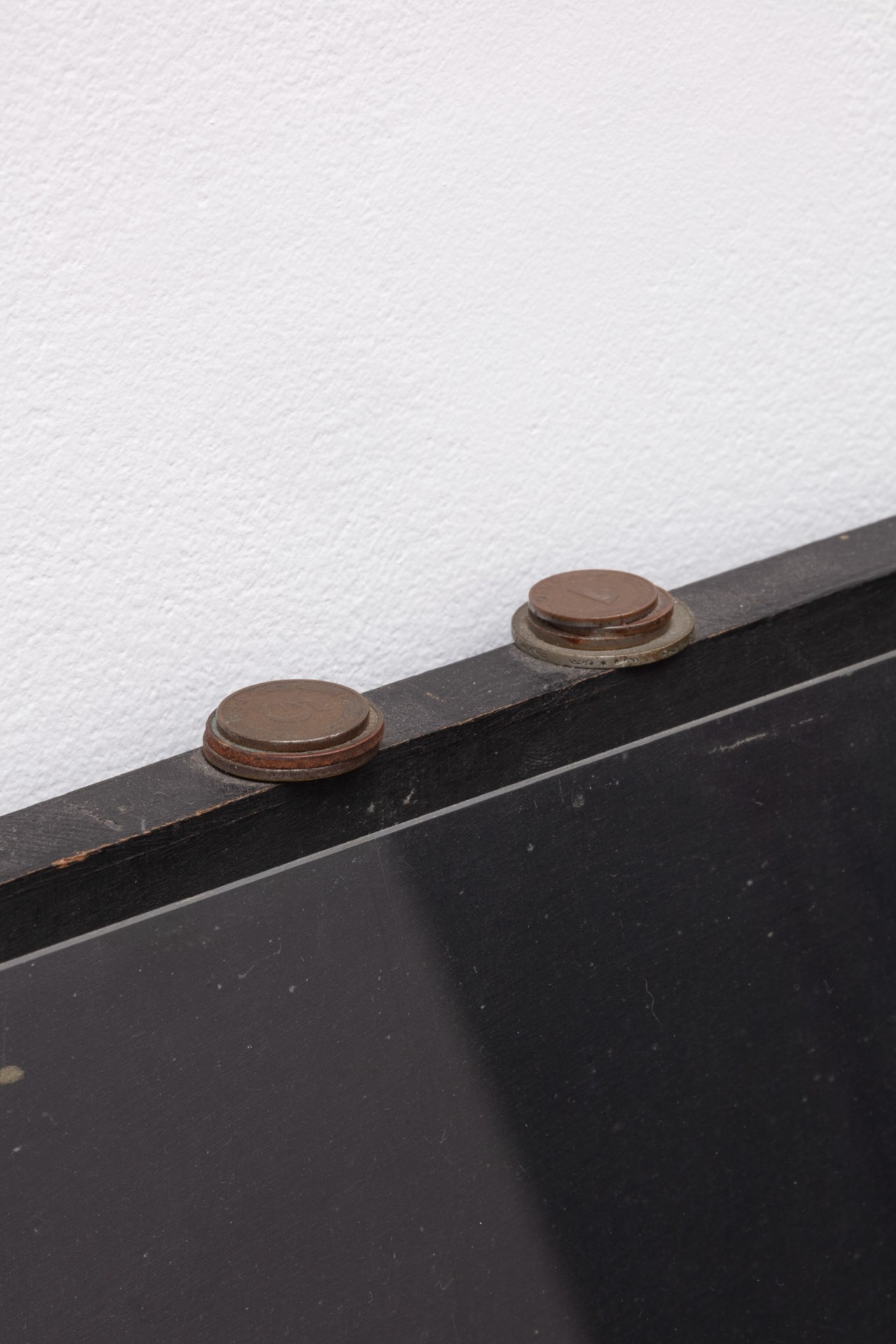
Paul Sietsema, "Action Painting (White Coins)," Coins and enamel on newspaper in artist’s frame, 15.25 inches x 26.5, 2017 (detail)
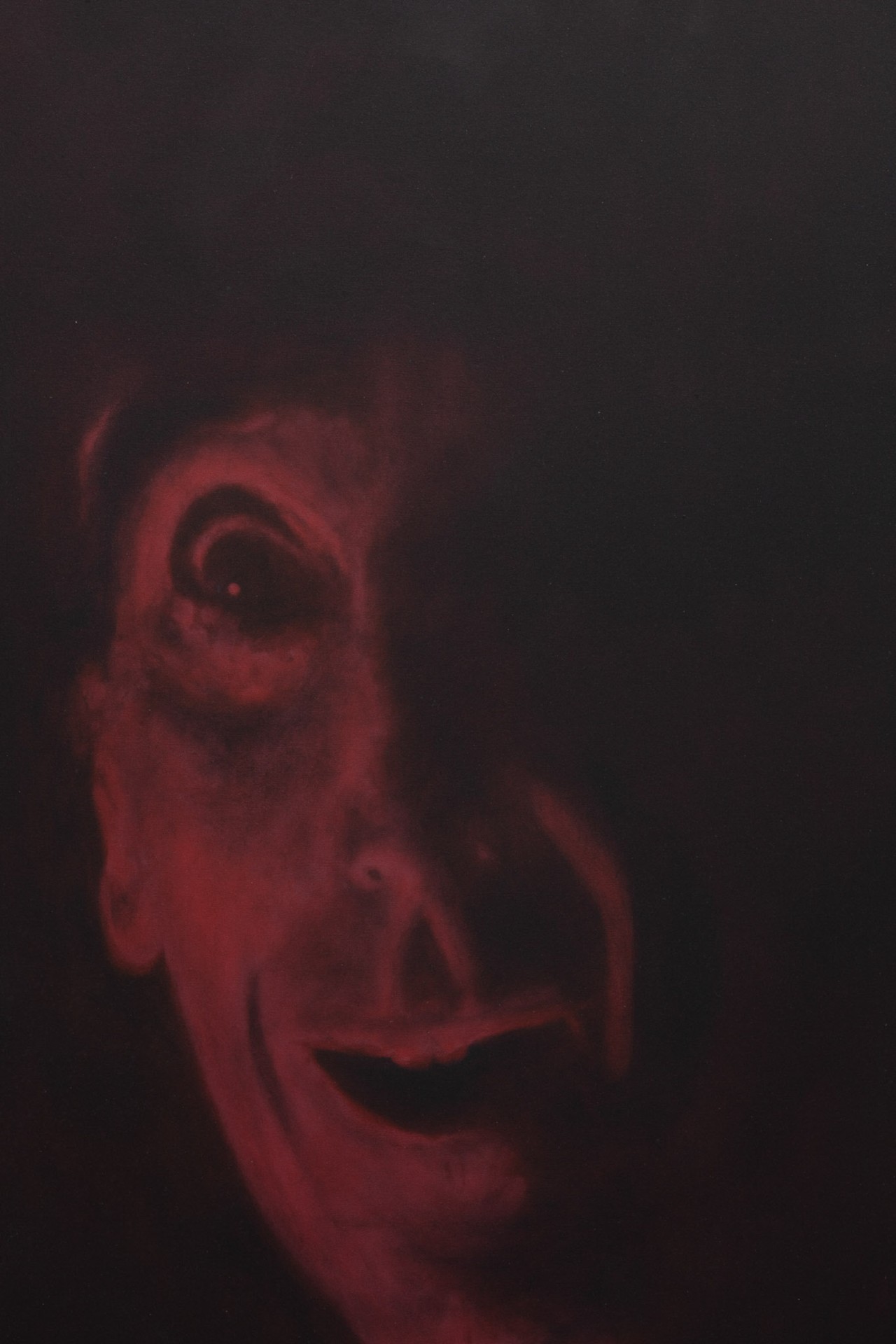
Andrew Chapman, "Thomas and the Motherboard," Oil on panel, 16 x 18 inches, 2023
Andrew Chapman, "Thomas and the Motherboard," Oil on panel, 16 x 18 inches, 2023 (detail)
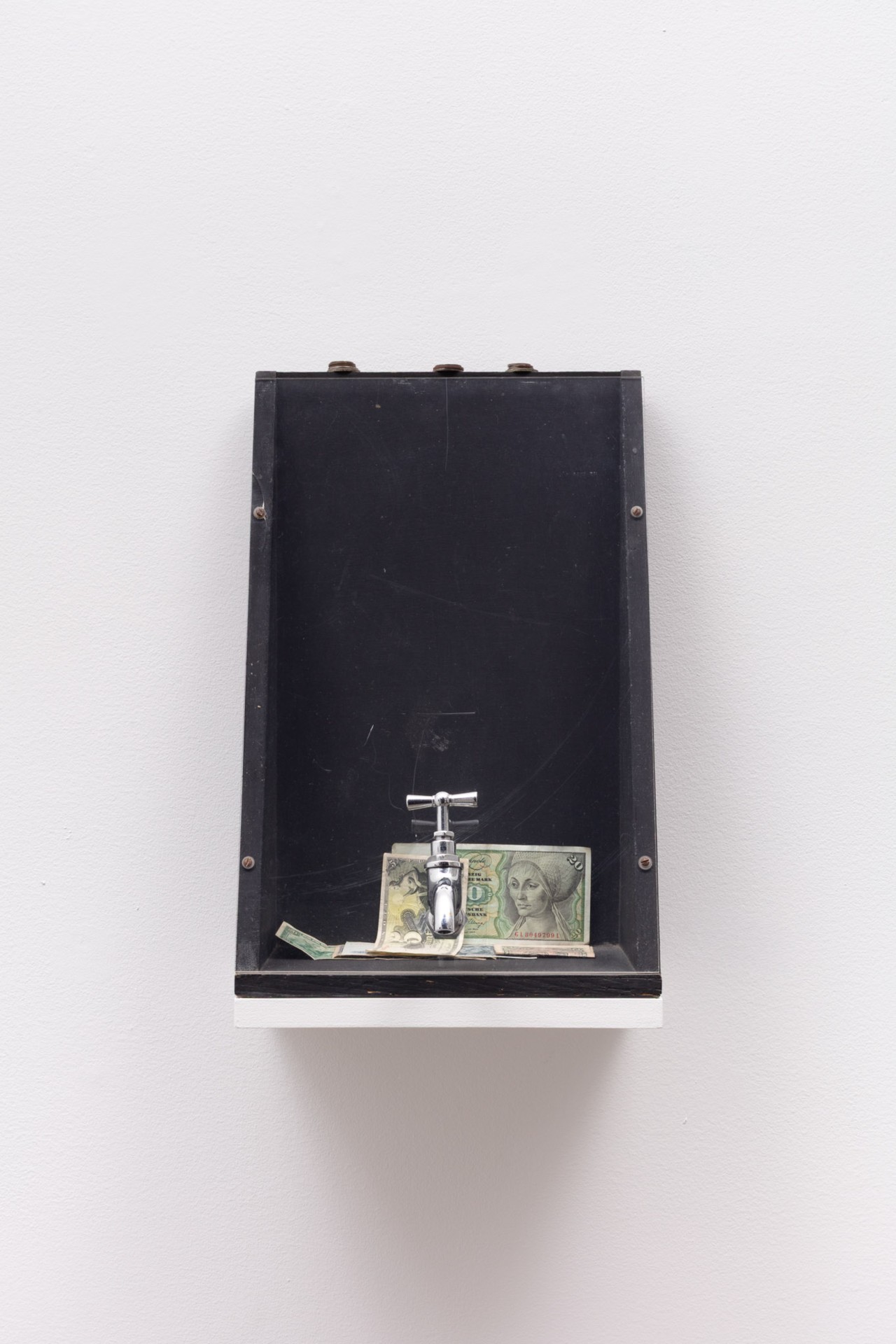
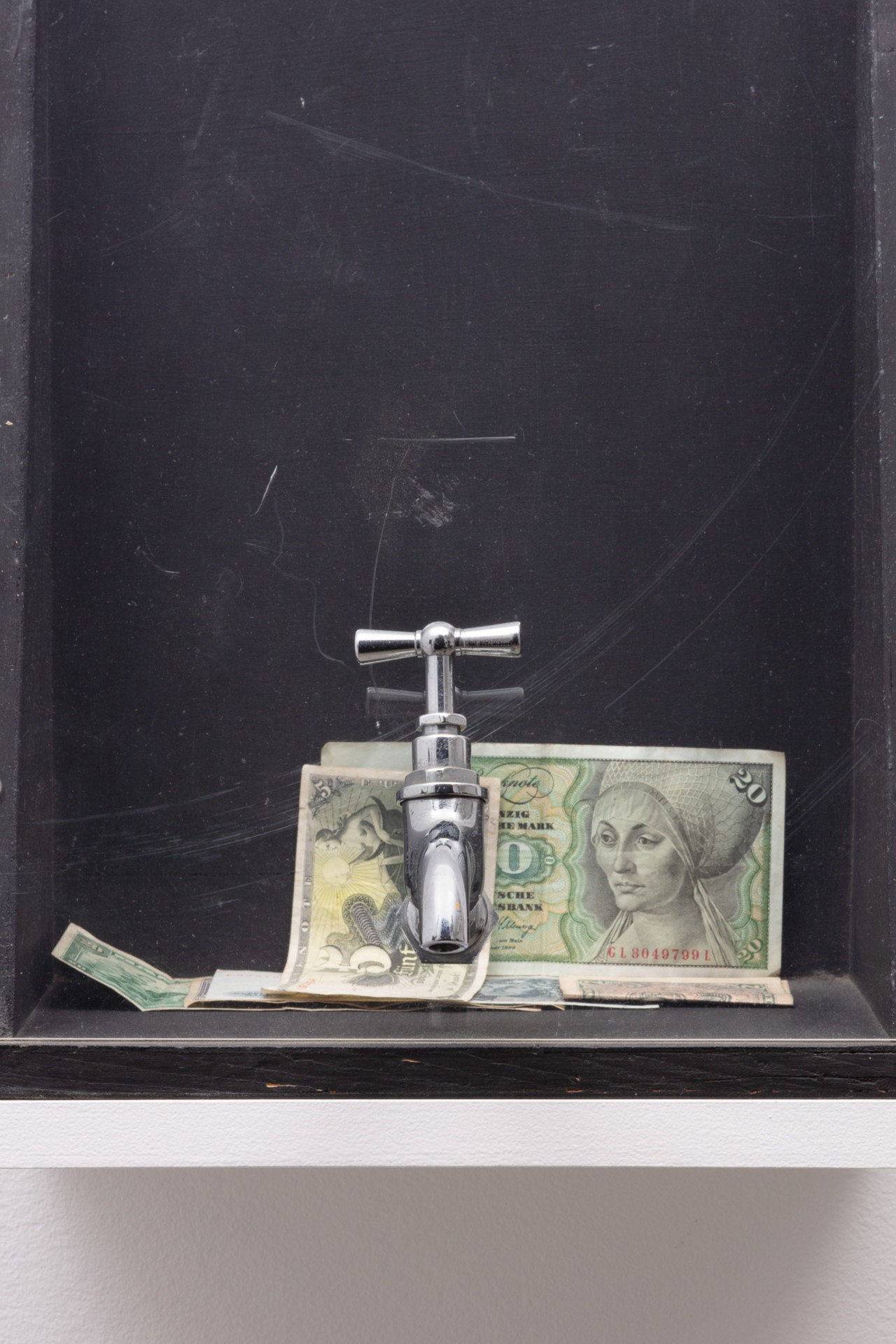
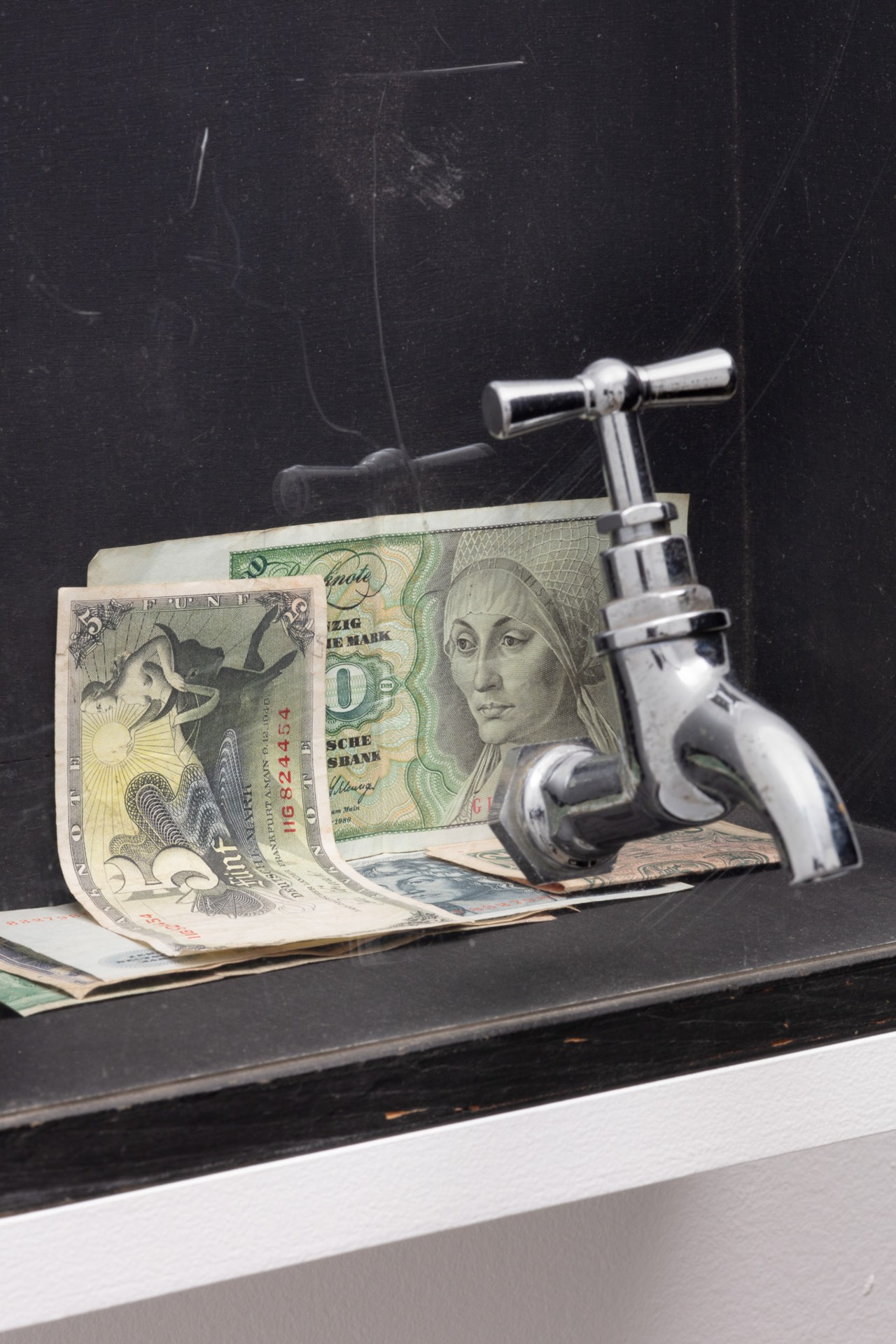
Daniel Spoerri, "Wortfalle: Wenn man Geld auf die hohe Kante legt, hat man immer Geld flüssig," Painted wood, acrylic glass, hardware, metal tap, and banknotes, 16.5 x 10.625 x 8.25 inches, 1968
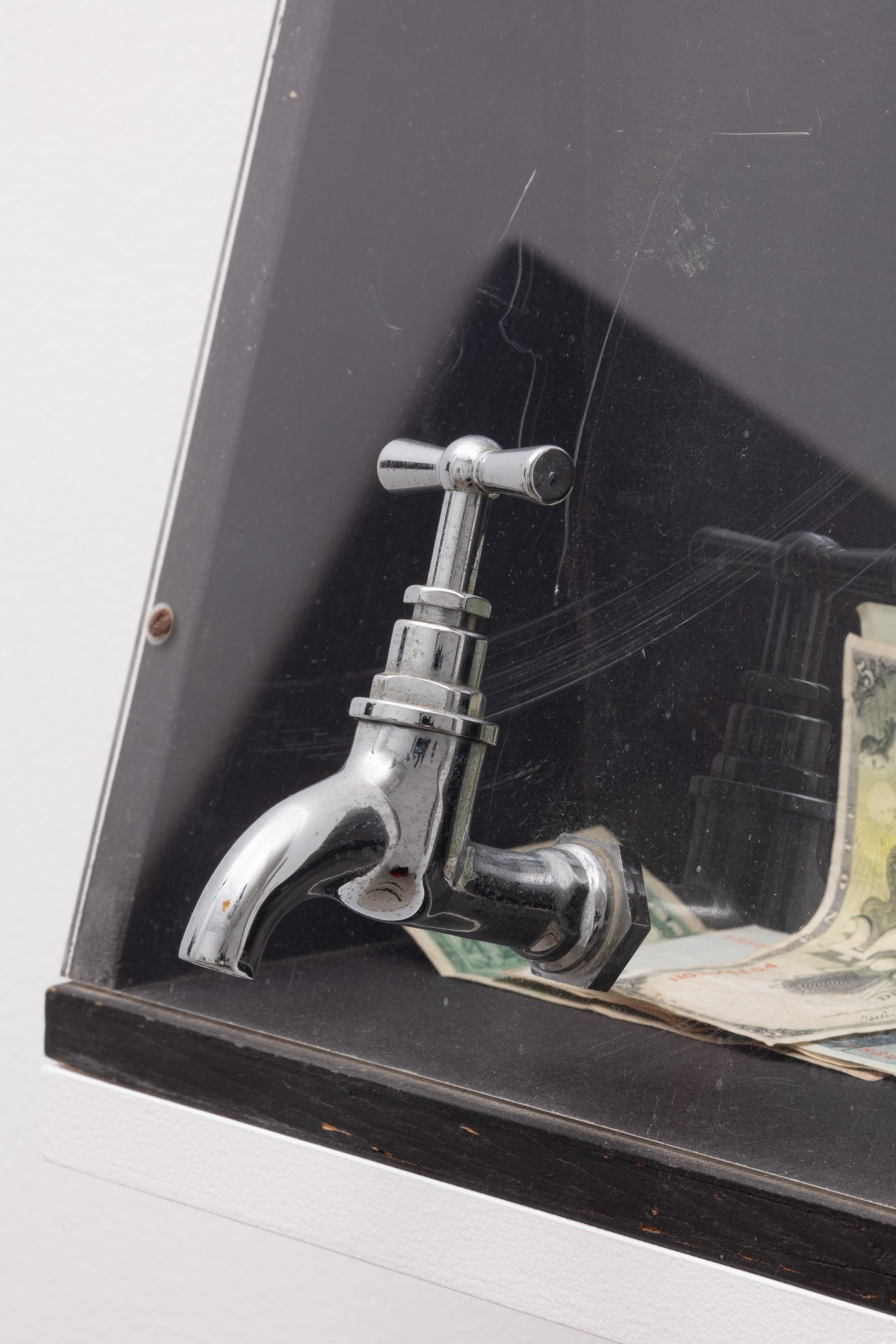
Daniel Spoerri, "Wortfalle: Wenn man Geld auf die hohe Kante legt, hat man immer Geld flüssig," Painted wood, acrylic glass, hardware, metal tap, and banknotes, 16.5 x 10.625 x 8.25 inches, 1968 (detail)
Andrew Chapman, "Addems," Oil and acrylic on canvas over panel, 21.5 x 24 inches, 2022
Andrew Chapman, "Addems," Oil and acrylic on canvas over panel, 21.5 x 24 inches, 2022 (detail)
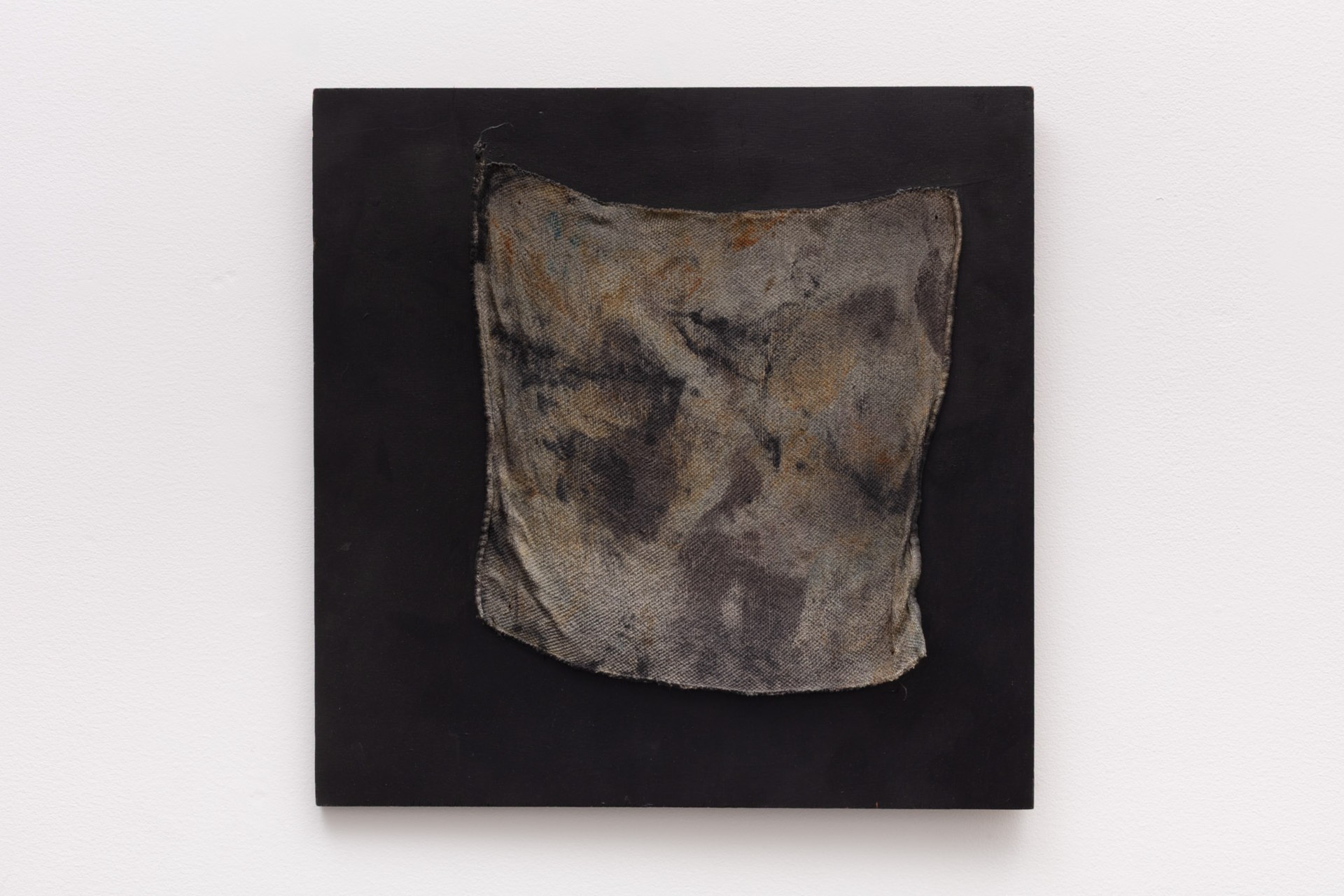
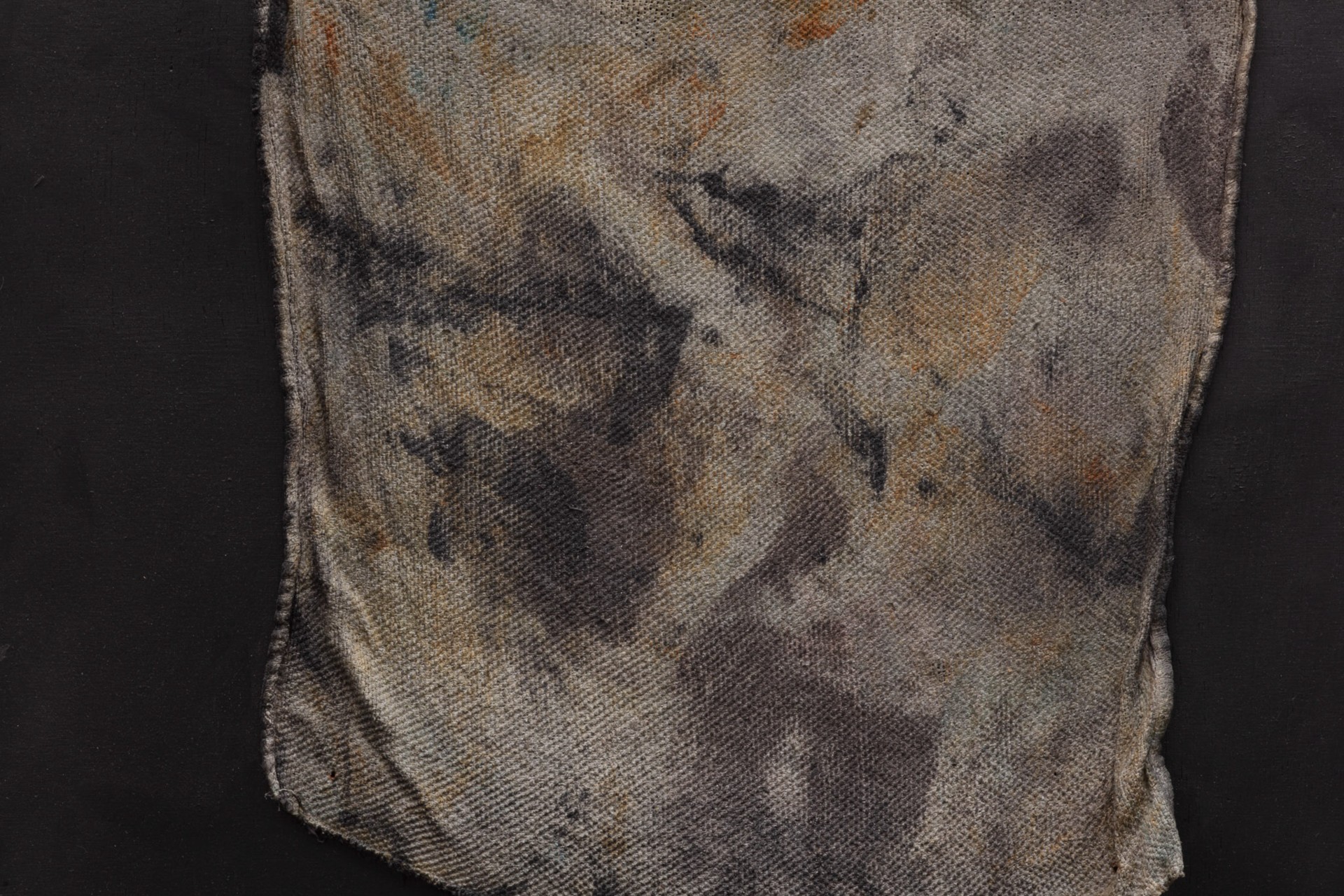
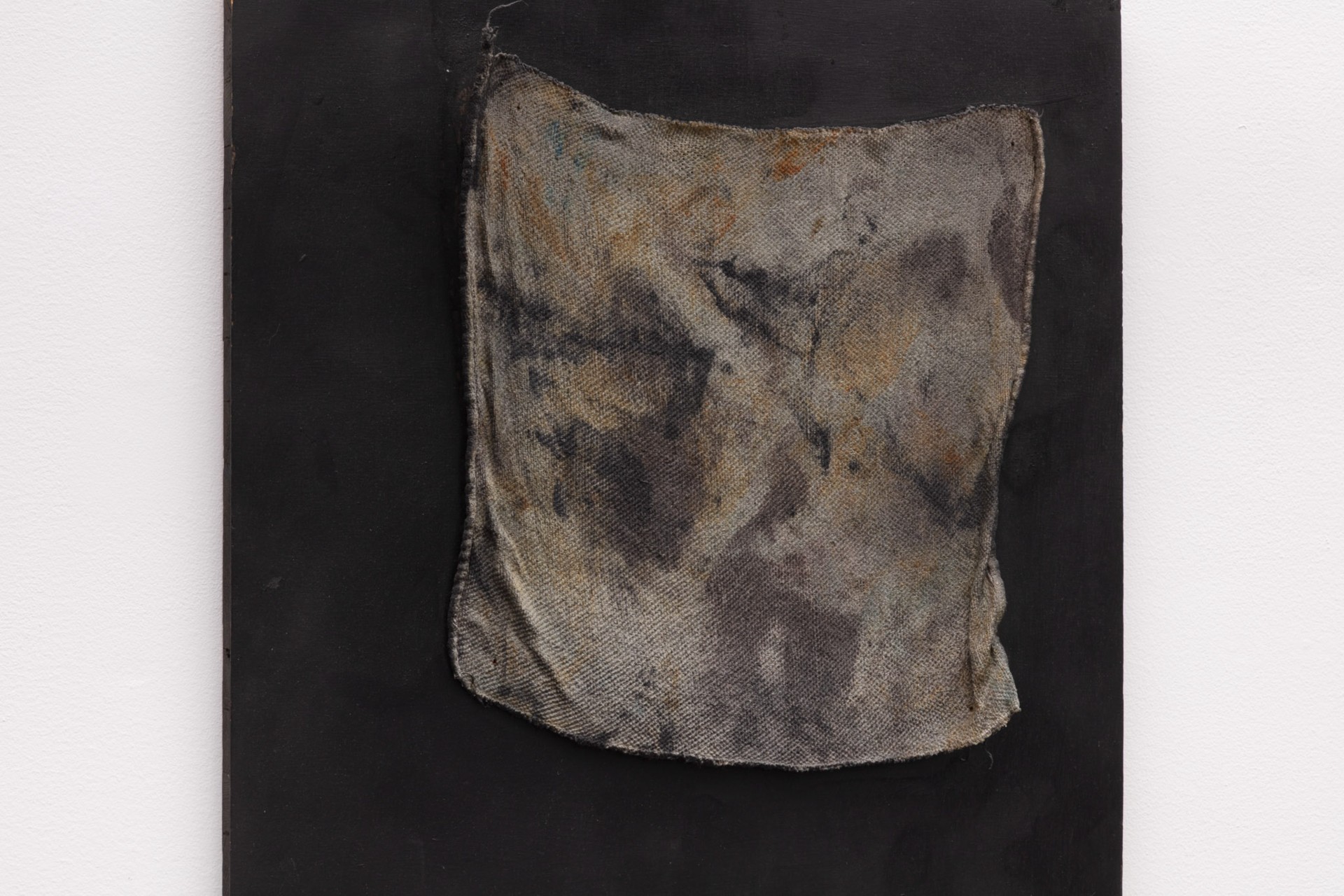
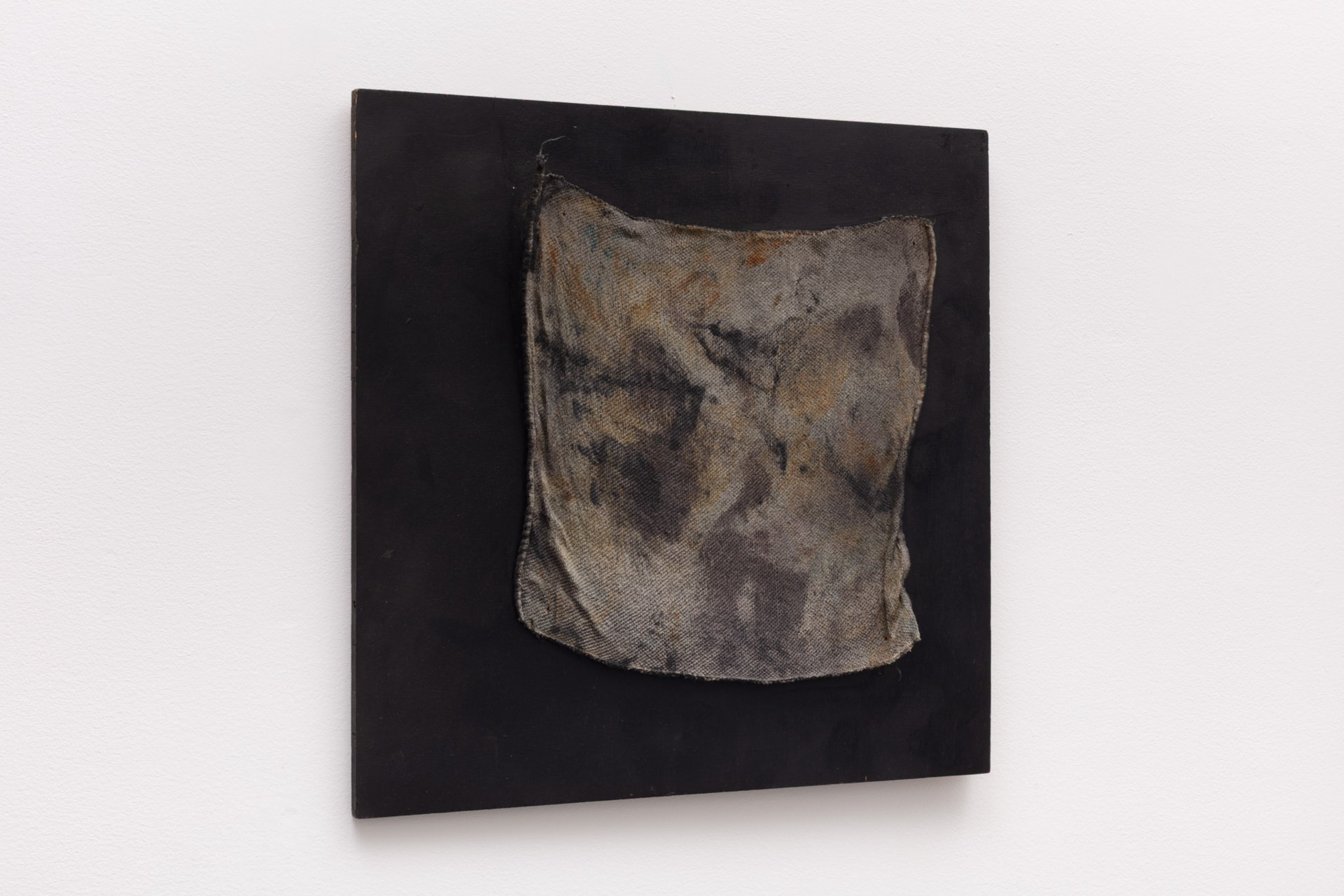
Daniel Spoerri, "Untitled," Oil, rag, and adhesive on painted wood, 19.75 x 19.75 inches, 1977
Daniel Spoerri, "Untitled," Oil, rag, and adhesive on painted wood, 19.75 x 19.75 inches, 1977 (detail)
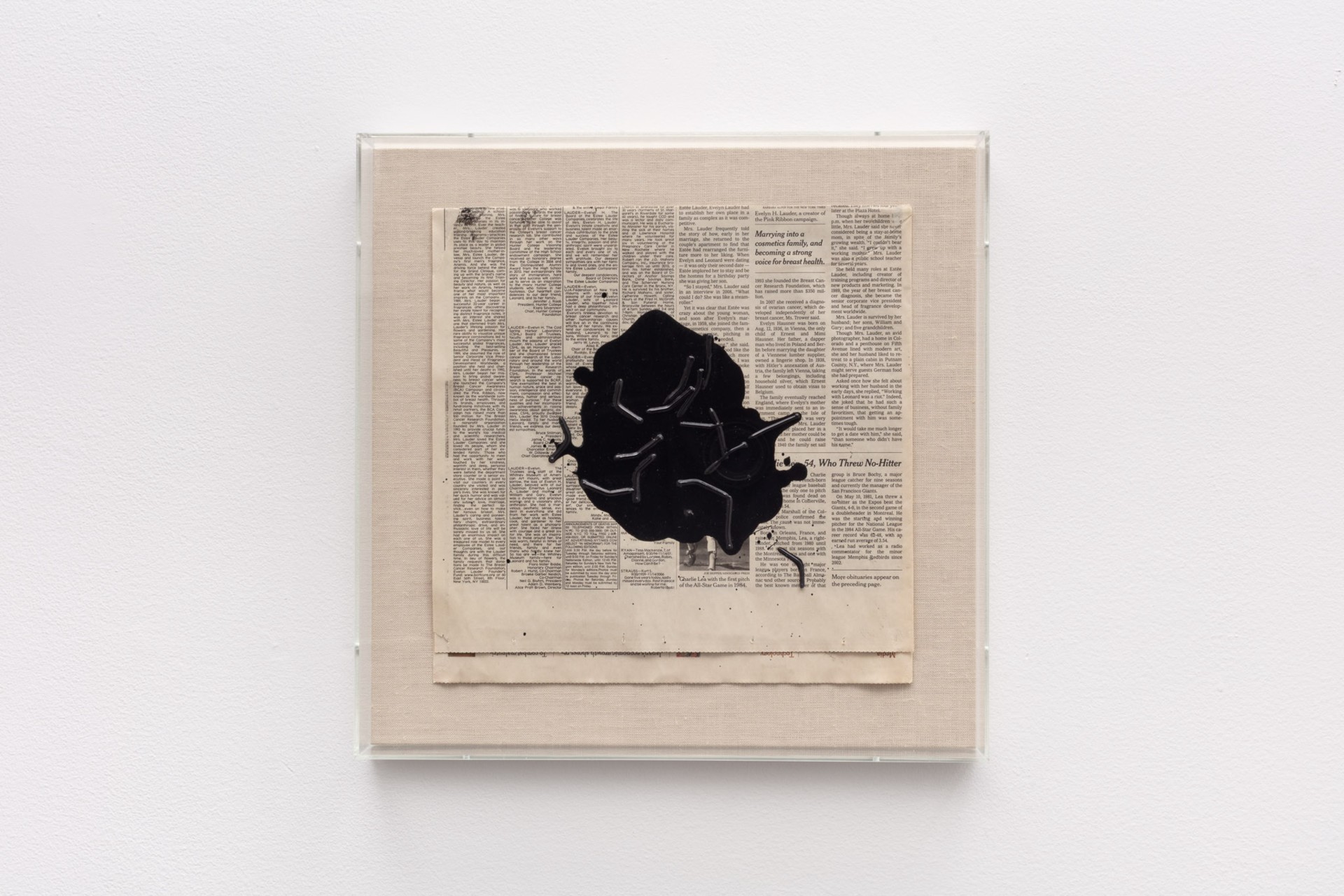
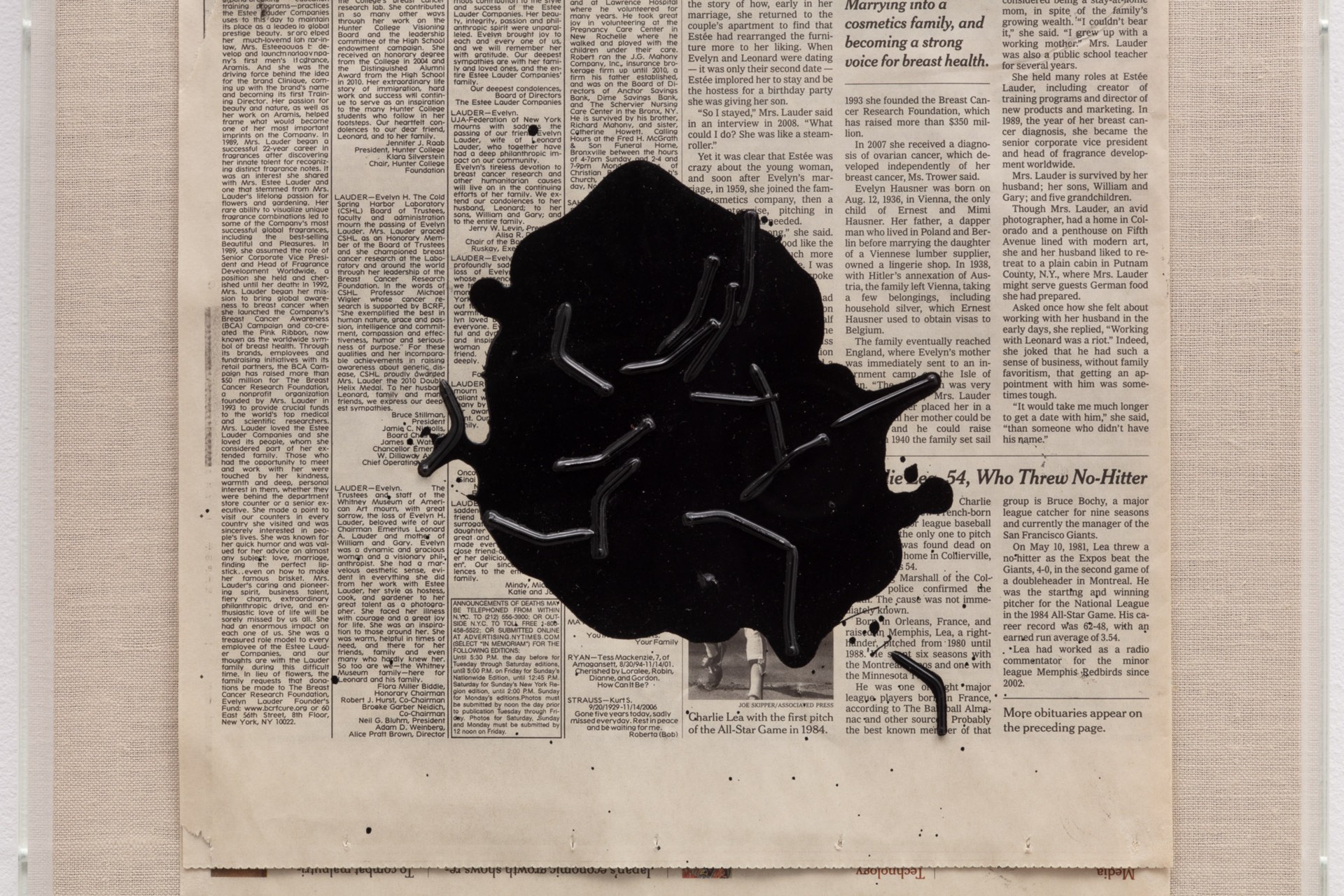
Paul Sietsema, "Untitled (Black Nails/Circle)," Nails and enamel on newspaper in artist’s frame, 14.625 x 14.625 inches, 2011
Paul Sietsema, "Untitled (Black Nails/Circle)," Nails and enamel on newspaper in artist’s frame, 14.625 x 14.625 inches, 2011 (detail)
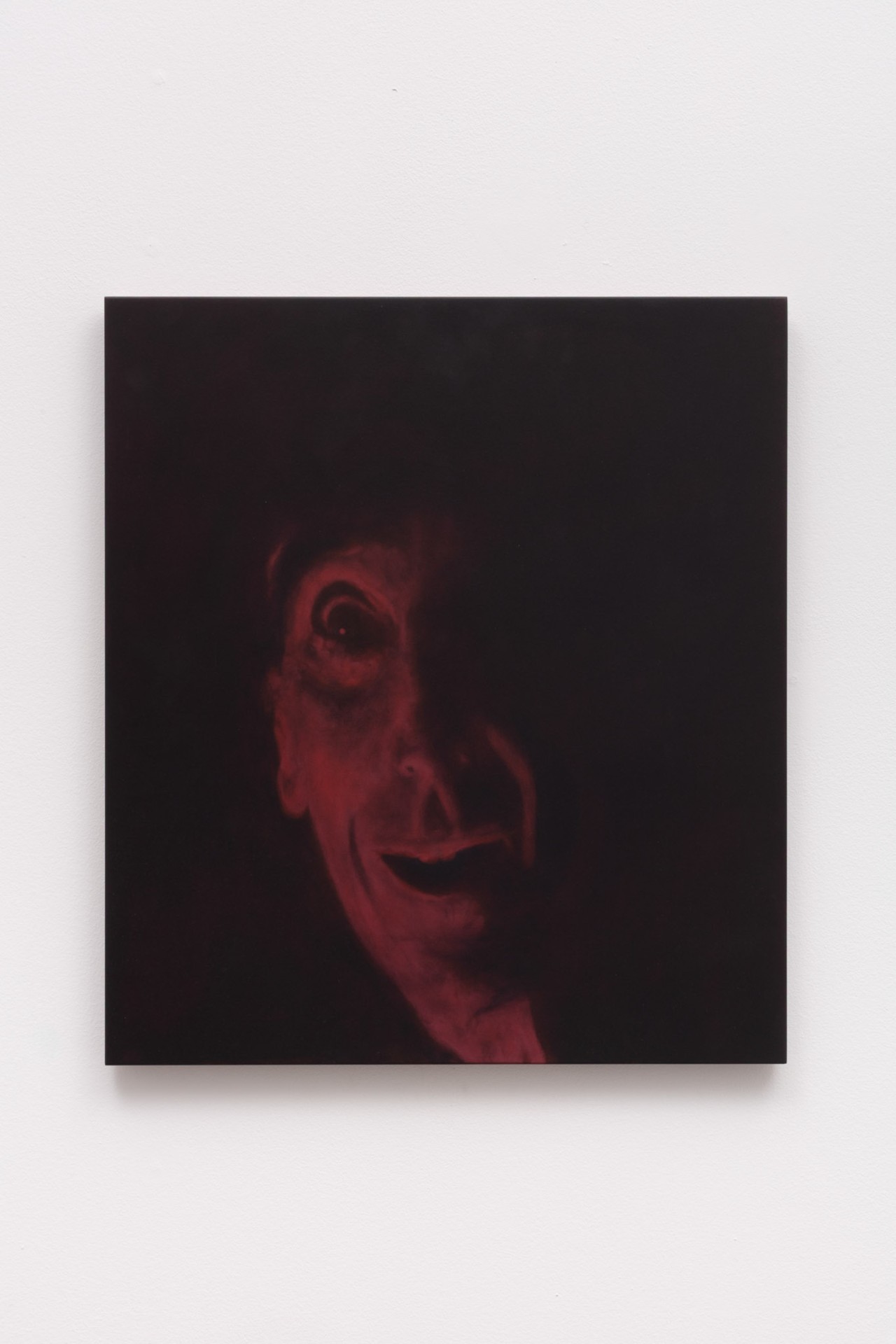
Andrew Chapman, "ĶĶ," Acrylic on panel, 18 x 16, 2025
Andrew Chapman, "ĶĶ," Acrylic on panel, 18 x 16, 2025 (detail)
Josh Schaedel
Exhibition text

Representation must no longer be understood as the externalized animation of a dead object, such as an ornate vase or a carved chair, but rather ought to be thought of as having the qualities of a brick, which actively inhabits multiple modes of being. The brick is an eternally immanent object, lost in its own multiplicity, both containing and obscuring its image, referring unambiguously to itself, forever trading places with – while never actually touching – the word that describes it.                                                                                                             Materials have long been thought of as passive receptacles awaiting realization by the ideational force of form, but this conception fails to capture the interplay of the two in processes of production. To take on the shape of a brick, clay is not imposed upon by a preexisting mold; rather, it becomes individuated through a negotiation with form. Clay is not simply molded, it has a prismatically reciprocal and attuned encounter with its potentiality – setting rules about the form it can take, based on its extemporaneous physical and phenomenological properties, prepossessing an energy that becomes actualized in the process of production. Clay ultimately assumes the form of a brick with a complexity surpassing what a standard representational model can account for.   Individuation doesn’t fix raw matter into a final form; it continues to be individuated over time. At the end of several years – or several thousand years – the brick turns back into the dust from which it was originally made. Degradation is not a loss of form; it is continued form-taking. The individuation of bricks from clay (and their eventual return to dust) mirrors the formation and lifespan of artworks. Any originative manipulation of matter into an artwork – the crystallization of a manic present – represents just one possible and necessarily temporary configuration within the artwork’s ongoing process of becoming. At some point in its existence, a brick might break through a window or land upon a­­­­­­ helmeted head. Representation, likewise, must navigate a wilderness of resistance.

representation
brick
multiplicity
immanence
materiality
form
individuation
clay
production
potentiality
phenomenology
energy
actualization
degradation
temporality
transformation
artwork
creation
manipulation
crystallization
existence
resistance
medium
style
location
object
image
word
reciprocity